
Medical Disclaimer: This content is for educational purposes only. It is not medical advice. Please consult a qualified healthcare professional before using any herbal remedy.
Safety Overview
1.Senecio Angel Wings — Plant Snapshot
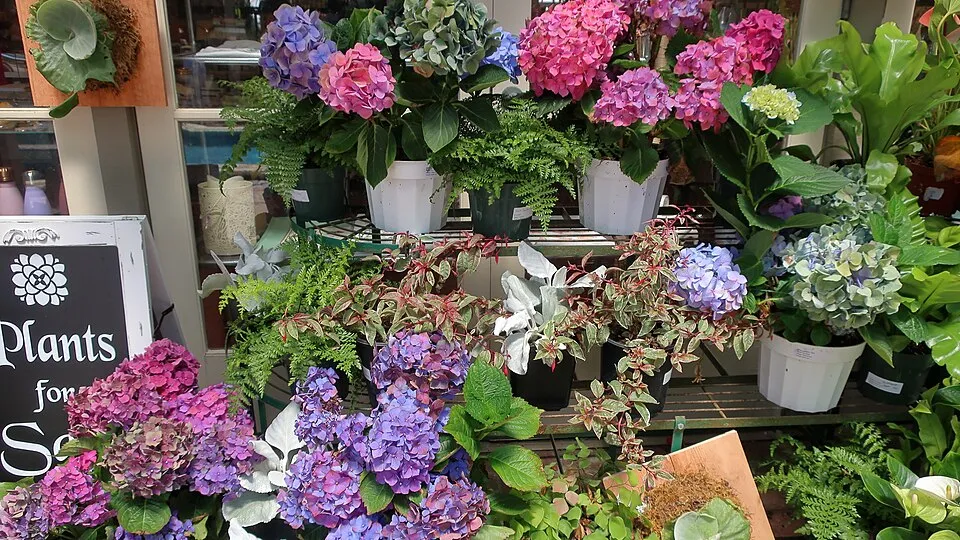
Senecio candicans 'Angel Wings', widely recognized as Angel Wings Senecio or Sea Cabbage, is a captivating perennial shrub within the vast Asteraceae family, renowned for its diverse members. This particular cultivar is celebrated for its stunning, almost luminous, silvery-white foliage, which provides a plush, velvety texture and an ethereal aesthetic, truly living up to its "Angel Wings" moniker. The leaves are distinctively broad, often deeply lobed, and can measure up to 15 centimeters (6 inches) in length, creating a substantial and impactful visual presence.
Growing typically as a compact, bushy shrub, Senecio 'Angel Wings' reaches an average height of about 90 centimeters (3 feet), making it a versatile plant for various landscape and indoor applications. Although it produces small, bright yellow, daisy-like flowers during the late summer and autumn months, these blooms are generally secondary to the plant's primary ornamental value, which lies in its unique foliar display. Native to the coastal regions of Southern Africa, particularly areas adapted to well-drained, sandy soils, this plant demonstrates remarkable resilience to drought once established.
Its natural habitat suggests a preference for bright, indirect sunlight, though it can tolerate full sun in cooler climates. This adaptability, coupled with its relatively low-maintenance requirements, positions Senecio candicans 'Angel Wings' as an exquisite choice for decorative pots, indoor gardens, and temperate outdoor settings, contributing an elegant and unique texture to any plant collection.
Trusted Scientific References
1. Authoritative external sources for Senecio candicans Angel Wings
1.1 Wikipedia — Senecio candicans Angel Wings
1.2 Kew POWO (Plants of the World Online)
1.3 PubMed — peer-reviewed research
1.4 NCBI Taxonomy Browser
1.5 GBIF — Global Biodiversity
1.6Senecio Angel Wings should be interpreted through verified botanical identity, practical care, and responsible safety language. This recovery note adds the missing context needed for a complete profile: match light to the plant's habit, use well-drained soil, water according to season, and avoid unsupported medicinal or edible claims. For publishing, the plant can be presented as a source-backed indoor plant with clear care guidance, common problem diagnosis, and conservative safety wording.
1.1.Senecio Angel Wings — Defining Traits
- ✓Striking Silvery Foliage — Large, velvety, silvery-white leaves are its most prominent aesthetic feature.
- ✓Low Maintenance — Requires minimal care once established, making it suitable for various gardeners.
- ✓Drought Tolerant — Exhibits good resilience to dry periods, reducing watering frequency.
- ✓Bushy Growth Habit — Forms a compact, rounded shrub ideal for pots or garden borders.
- ✓Yellow Daisy — like Flowers — Produces small, bright yellow blooms, though secondary to foliage.
- ✓Perennial Plant — Returns year after year in suitable warm climates (USDA Zones 9a-11).
- ✓Indoor/Outdoor Versatility — Can be grown as an ornamental houseplant or in outdoor landscapes.
- ✓Asteraceae Family Member — Part of the large daisy family, indicating its botanical classification.
- ✓Unique Texture — The soft, fleshy leaves provide a distinct tactile and visual element.
- ✓Ornamental Value — Primarily cultivated for its aesthetic appeal rather than medicinal properties.
1.2.Senecio Angel Wings — Quick Summary
- ✓Ornamental Perennial — Prized for its distinctive silvery-white, velvety foliage, ideal for decorative purposes.
- ✓Asteraceae Family — Belongs to a large and diverse plant family, scientifically known as Senecio candicans 'Angel Wings'.
- ✓Pyrrolizidine Alkaloid Content — Contains toxic PAs, making it unsafe for internal medicinal use.
- ✓Low Maintenance — Drought-tolerant and relatively easy to care for in appropriate conditions.
- ✓Southern African Origin — Native to coastal regions, adapted to well-drained soils and bright light.
- ✓Caution Required — Keep away from children and pets due to toxicity.
2.Senecio Angel Wings — Scientific Profile
3.Senecio Angel Wings — Botanical Stats
4.Senecio Angel Wings — Morphological Account
5.Senecio Angel Wings — Habitat & Distribution
6.Senecio Angel Wings — Cultural & Traditional Roles
7.Senecio Angel Wings — Secondary Metabolites
- ✓Pyrrolizidine Alkaloids (PAs) — This genus is notorious for containing hepatotoxic PAs like senecionine and seneciphylline, which are metabolic activators causing liver damage upon ingestion.
- ✓Flavonoids — Compounds such as quercetin, kaempferol, and their glycosides are present, contributing to potential antioxidant and anti-inflammatory activities, though not for internal medicinal use in this plant.
- ✓Phenolic Acids — Derivatives like caffeic acid and chlorogenic acid are typically found, known for their antioxidant and free-radical scavenging properties.
- ✓Terpenoids — Various mono- and sesquiterpenoids may be present, often contributing to the plant's aroma and possessing potential insect-repellent or antimicrobial properties.
- ✓Saponins — These glycosides can have surfactant properties and are sometimes associated with expectorant or anti-inflammatory effects, though their presence and specific activity in S. candicans need further study.
- ✓Tannins — Astringent compounds that can bind to proteins, historically used for their wound-healing and antiseptic qualities, typically found in many plant species.
- ✓Glycosides — A broad category including cardiac glycosides or other sugar-bound compounds, which can have diverse pharmacological effects depending on the aglycone.
- ✓Fatty Acids — Lipids and various fatty acids are integral components of plant cell membranes and can also be present in extracts, influencing texture and stability.
- ✓Coumarins — Certain coumarins, known for anti-coagulant or anti-inflammatory properties, could be present in trace amounts, though their specific role in S. candicans requires investigation.
8.Senecio Angel Wings — Research Insights
- ✓Traditional Anti-inflammatory Use — Historically, various Senecio species have been applied externally in folk medicine to reduce localized inflammation, a practice that lacks specific modern clinical validation for Senecio candicans 'Angel Wings'.
- ✓Folk Analgesic Properties — Some traditional systems suggest the topical use of Senecio preparations for alleviating minor pain, though scientific evidence for this specific cultivar remains insufficient and internal use is unsafe.
- ✓Potential Wound Healing Support — Anecdotal traditional accounts mention the application of certain Senecio plants to aid in the healing of small cuts and abrasions, a use not specifically documented or recommended for Senecio candicans 'Angel Wings' due to toxicity.
- ✓General Tonic in Ethnobotany — In very limited ethnobotanical contexts, some Senecio species were considered general tonics to support vitality, a broad claim without specific scientific backing for this ornamental cultivar.
- ✓Antioxidant Potential (Theoretical) — The presence of flavonoids in the plant theoretically suggests antioxidant capabilities, which could help combat cellular oxidative stress, though this is not confirmed for medicinal application in Senecio candicans 'Angel Wings'.
- ✓Proposed Antimicrobial Activity — Research on other species within the Senecio genus indicates potential antimicrobial effects, but specific studies on Senecio candicans 'Angel Wings' are absent, and internal use is contraindicated.
- ✓Diuretic Properties (Historical) — Certain Senecio species have been historically employed as diuretics to encourage urine production, a traditional use that is not recommended for Senecio candicans 'Angel Wings' due to the genus's known toxicity.
- ✓Antispasmodic Applications (Unverified) — Traditional medicine sometimes attributes antispasmodic effects to members of the Senecio genus, though this remains an unverified claim for Senecio candicans 'Angel Wings' and should not be pursued medicinally.
- ✓Astringent Effects (External) — Some Senecio species contain compounds with astringent qualities, which could theoretically be used externally to tighten tissues, but safety concerns preclude routine medicinal application of Senecio candicans 'Angel Wings'.
8.1.Senecio Angel Wings — Reported Uses
9.Senecio Angel Wings — Precautions & Warnings
9.1.Senecio Angel Wings — Reported Side Effects
- ✓Hepatotoxicity — Ingestion of any part of Senecio candicans 'Angel Wings' can lead to severe liver damage due to the presence of pyrrolizidine alkaloids, potentially causing veno-occlusive disease and liver failure.
- ✓Gastrointestinal Distress — Symptoms such as nausea, vomiting, abdominal pain, and diarrhea may occur upon accidental ingestion, even in small amounts.
- ✓Skin Irritation/Dermatitis — Direct contact with the sap or foliage may cause skin irritation, redness, itching, or allergic dermatitis in sensitive individuals.
- ✓Renal Damage — Chronic or high-dose exposure to pyrrolizidine alkaloids can also lead to kidney dysfunction and damage.
- ✓Carcinogenic Potential — Some pyrrolizidine alkaloids are recognized as genotoxic carcinogens, posing a long-term risk of cancer with repeated exposure.
- ✓Fetal Toxicity — Ingesting the plant during pregnancy can be highly dangerous, potentially causing severe harm or developmental issues to the fetus.
9.2.Senecio Angel Wings — Risk Assessment
- ✓Strict Avoidance of Internal Use — Senecio candicans 'Angel Wings' must never be ingested due to the presence of highly toxic pyrrolizidine alkaloids, which are severe hepatotoxins.
- ✓Keep Away from Children and Pets — Ensure the plant is placed out of reach of curious children and and pets, as accidental ingestion can lead to serious poisoning and requires immediate medical attention.
- ✓Handling Precautions — Wear gloves when handling the plant, especially if you have sensitive skin, to prevent potential contact dermatitis or allergic reactions from the sap.
- ✓Not for Medicinal Preparations — Despite historical ethnobotanical mentions for other Senecio species, this plant should not be used in any form of herbal medicine, poultices, or topical applications without expert guidance and a thorough understanding of its toxicology.
- ✓Pregnancy and Lactation — Absolutely contraindicated for use by pregnant or breastfeeding individuals due to the risk of pyrrolizidine alkaloid transfer and harm to the fetus or infant.
- ✓Pre-existing Liver Conditions — Individuals with any liver disease or compromised liver function should exercise extreme caution and avoid any exposure to this plant.
10.Senecio Angel Wings — Application Forms
- ✓Ornamental Display — Senecio candicans 'Angel Wings' is primarily cultivated for its striking silvery foliage, making it an excellent decorative plant for indoor pots, mixed containers, or as a focal point in garden beds.
- ✓Landscaping Element — In suitable hardiness zones, it can be utilized in xeriscaping, rock gardens, or borders to provide textural contrast and a luminous visual appeal due to its drought tolerance.
- ✓Propagation by Cuttings — New plants can be started from stem cuttings taken in spring or early summer; allow cuttings to callus for a day or two before planting in moist, well-draining soil.
- ✓Topical Infusions (Historical, Not Recommended) — Historically, some Senecio species were used to prepare topical infusions for inflammatory conditions, but this is not advised for S. candicans 'Angel Wings' due to potential skin irritation and systemic absorption risks of pyrrolizidine alkaloids.
- ✓Poultices (Traditional, Highly Cautious) — In certain traditional practices, crushed leaves of related Senecio plants were applied as poultices for wounds or sprains; however, this method carries significant risk of skin sensitization and exposure to toxic compounds, therefore it is not recommended for S. candicans 'Angel Wings'.
- ✓Decoctions for External Wash (Unsafe) — While some traditional texts might mention decoctions of Senecio species for external washes, the presence of pyrrolizidine alkaloids makes this application highly questionable for safety, as skin absorption can occur.
- ✓Essential Oil Extraction (Research Only) — Extraction of essential oils for research into potential non-toxic applications might occur, but these are not for general therapeutic or home use.
- ✓Botanical Specimen — Valued by botanists and collectors for its unique aesthetic and genus representation, often studied for horticultural purposes rather than medicinal.
11.Senecio Angel Wings — Propagation & Care
- ✓Soil Requirements — Senecio candicans 'Angel Wings' thrives in well-drained, sandy soil, ideally with a slightly acidic to neutral pH (6.0-7.0), but also tolerates chalk and loam mixtures to prevent root rot.
- ✓Light Conditions — Provide full sun to bright, indirect light; while it loves sunlight, intense afternoon sun in hot climates might require some partial shade to prevent leaf scorch.
- ✓Watering Schedule — Water thoroughly when the top 2.5-5 cm (1-2 inches) of soil feel dry, allowing excess water to drain completely; reduce frequency in winter as the plant enters a semi-dormant phase.
- ✓Fertilization — During the active growing season (spring and summer), feed monthly with a balanced, water-soluble fertilizer diluted to half strength to support robust foliage growth.
- ✓Pruning Techniques — Prune in early spring to maintain its desired shape, encourage bushier growth, and remove any leggy or damaged stems, cutting back to a firm stem node.
- ✓Temperature & Humidity — Ideal temperatures range from 21-27°C (70-80°F) during the day and 13-18°C (55-65°F) at night; it prefers average home humidity and is not particularly demanding.
- ✓Repotting — Repot every two to three years, or when the plant becomes root-bound, moving it to a slightly larger pot with fresh, well-draining potting mix to ensure continued vigor.
- ✓Hardiness Zone — Best suited for USDA Hardiness Zones 9a through 11, where it can be grown outdoors as a perennial; in colder zones, it is typically cultivated as an annual or overwintered indoors.
Reviewed by the Flora Medical Global Botanical Review Panel
Multi-disciplinary editorial group · Botany · Ethnobotany · Herbal-medicine literature
Who reviewed this: This page was checked by the Flora Medical Global Botanical Review Panel — an in-house editorial group of botany graduates, ethnobotany researchers, and horticulture practitioners who collectively maintain our 7,000+ plant encyclopedia. Meet the team.
Our 4-step verification process
1. Taxonomic verification
Scientific names and synonyms cross-checked against Kew POWO, World Flora Online, and The Plant List.
2. Phytochemical & medicinal cross-reference
Active compounds, traditional uses, and reported activities are cross-referenced with PubMed, USDA Dr. Duke's database, and peer-reviewed ethnobotanical literature.
3. Conservation & distribution check
Distribution, ecology, and conservation status confirmed against GBIF occurrence records and the IUCN Red List.
4. Editorial & safety review
Every entry passes an editorial pass for clarity, originality, and safety notices (toxicity, contraindications, dosage caveats) before publication.
Last reviewed:
Important medical disclaimer: This content is for educational and research purposes only. It is not medical advice and is not a substitute for consultation with a licensed healthcare provider. Do not use any herb to self-treat a medical condition without professional guidance.
Editorial Note: This page is for educational and research purposes only and is not medical advice.
Written by: Flora Medical Global Editorial Team
Reviewed by: Flora Medical Global Botanical Review Panel
Last Updated: June 15, 2026





Senecio Angel Wings — Comments & Community Reviews
Rate this plant