
Medical Disclaimer: This content is for educational purposes only. It is not medical advice. Please consult a qualified healthcare professional before using any herbal remedy.
Safety Overview
1.Senecio Barbertonicus — Essential Profile
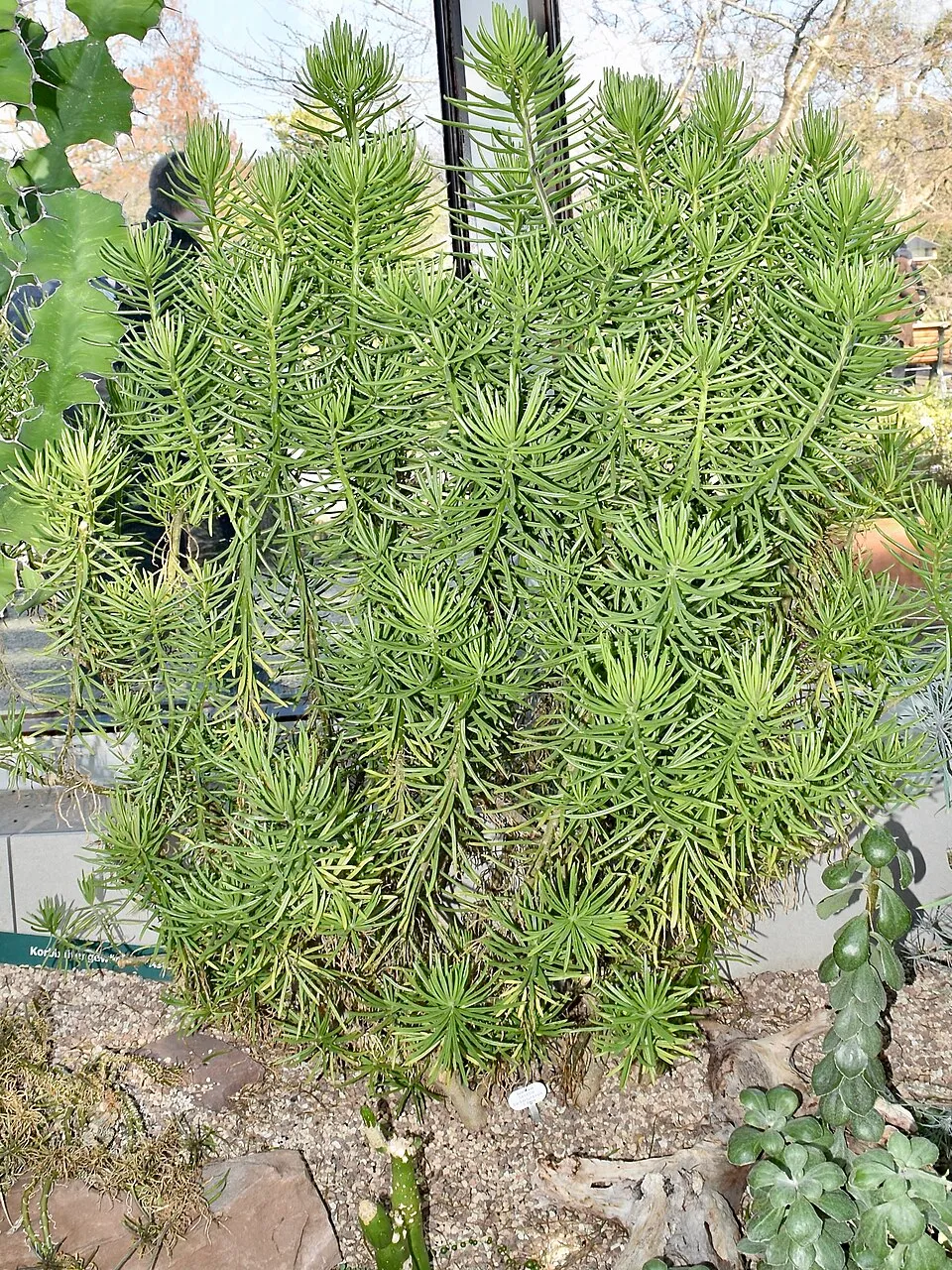
Senecio barbertonicus, commonly known as Barberton ragwort or succulent bush senecio, is a distinctive perennial herbaceous plant belonging to the expansive Asteraceae family. Native to the midlands of South Africa, particularly the Barberton region, this species thrives in environments characterized by rich biodiversity and specific climatic conditions. Morphologically, it is recognized by its fleshy, succulent, lobed leaves, which can extend up to 20 cm in length.
These leaves are typically arranged in dense rosettes at the base, often exhibiting a silvery-green hue due to a fine covering of protective hairs. During the summer months, the plant produces erect flowering stems, reaching up to 1 meter in height, which culminate in clusters of small, vibrant yellow, daisy-like flowers. These inflorescences serve as a vital nectar source for a variety of local pollinators, especially insects.
In its natural habitat, Senecio barbertonicus demonstrates remarkable adaptability, flourishing in well-drained, often rocky or gravelly soils. This resilience to arid conditions makes it a highly drought-resistant species, capable of enduring prolonged periods of low water availability, a common feature of its indigenous range. Its succulent nature allows for efficient water storage, contributing to its hardiness and ease of cultivation in suitable climates.
Trusted Scientific References
1. Authoritative external sources for Senecio barbertonicus
1.1 Wikipedia — Senecio barbertonicus
1.2 Kew POWO (Plants of the World Online)
1.3 PubMed — peer-reviewed research
1.4 NCBI Taxonomy Browser
1.5 GBIF — Global Biodiversity
1.6Senecio Barbertonicus should be interpreted through verified botanical identity, practical care, and responsible safety language. This recovery note adds the missing context needed for a complete profile: match light to the plant's habit, use well-drained soil, water according to season, and avoid unsupported medicinal or edible claims. For publishing, the plant can be presented as a source-backed indoor plant with clear care guidance, common problem diagnosis, and conservative safety wording.
1.1.Senecio Barbertonicus — Distinguishing Points
- ✓Succulent Foliage — Fleshy, lobed leaves designed for water storage, characteristic of succulents.
- ✓Drought — Tolerant — Highly adapted to arid conditions, requiring minimal watering.
- ✓Bright Yellow Flowers — Produces clusters of small, daisy-like yellow flowers, attracting pollinators.
- ✓South African Native — Indigenous to the Barberton region of South Africa, thriving in rocky soils.
- ✓Air Purifying — Contributes to cleaner indoor air by absorbing CO2 and releasing O2.
- ✓Low Maintenance — Easy to care for, making it suitable for beginner gardeners and busy lifestyles.
- ✓Ornamental Value — Aesthetic appeal makes it a popular choice for home and garden decor.
- ✓Pyrrolizidine Alkaloid Content — Contains toxic PAs, necessitating careful handling and strictly external use.
- ✓Resilient Species — Known for its hardiness and ability to adapt to various environmental conditions.
- ✓Asteraceae Family Member — Belongs to the large daisy family, sharing common botanical characteristics.
1.2.Senecio Barbertonicus — Concise Overview
- ✓Senecio barbertonicus is a South African succulent in the Asteraceae family.
- ✓Traditionally used for inflammation, pain, and skin ailments, though research is limited.
- ✓Contains hepatotoxic pyrrolizidine alkaloids (PAs), making internal use highly dangerous.
- ✓Valued for its air-purifying qualities and low-maintenance ornamental appeal as a houseplant.
- ✓Requires well-drained soil and full sun; highly drought-tolerant.
- ✓Strict safety precautions against ingestion are paramount due to toxicity.
2.Senecio Barbertonicus — Nomenclature & Classification
3.Senecio Barbertonicus — Fact Sheet
4.Senecio Barbertonicus — Physical Description
5.Senecio Barbertonicus — Origin & Spread
6.Senecio Barbertonicus — Heritage Uses
7.Senecio Barbertonicus — Chemical Profile
- ✓Pyrrolizidine Alkaloids (PAs) — Senecio barbertonicus contains various PAs, such as senecionine and seneciphylline, which are known for their hepatotoxic potential and serve as a defense mechanism against herbivores.
- ✓Flavonoids — Present in the leaves and flowers, compounds like quercetin and luteolin contribute to antioxidant and anti-inflammatory activities, though specific studies on S. barbertonicus are limited.
- ✓Sesquiterpene Lactones — These bitter compounds are common in the Asteraceae family and may possess anti-inflammatory, antimicrobial, and cytotoxic properties, playing a role in the plant's defense.
- ✓Phenolic Acids — Derivatives of caffeic acid and chlorogenic acid are likely present, contributing to the plant's overall antioxidant capacity and protective mechanisms.
- ✓Triterpenes — These compounds are often found in plant waxes and resins, potentially offering anti-inflammatory and adaptogenic qualities, though specific roles in S. barbertonicus are not fully explored.
- ✓Volatile Oils — While not a primary constituent, small amounts of volatile compounds may contribute to the plant's characteristic scent and potential antimicrobial properties.
- ✓Polysaccharides — Structural carbohydrates that can have immunomodulatory effects, though their specific presence and activity in S. barbertonicus require investigation.
- ✓Phytosterols — Plant sterols such as beta-sitosterol are common in plant cell membranes and may contribute to anti-inflammatory effects.
8.Senecio Barbertonicus — Pharmacological Findings
- ✓Anti-inflammatory Properties — Traditionally, Senecio barbertonicus has been employed in South African folk medicine to alleviate inflammation, though specific mechanisms require further scientific validation.
- ✓Analgesic Effects — Local communities have utilized this plant for its perceived pain-relieving qualities, often applied topically to soothe discomfort.
- ✓Respiratory Support — In traditional practices, preparations from Barberton ragwort were sometimes used to address various respiratory issues, aiming to ease breathing.
- ✓Dermatological Aid — Folk medicine suggests its application for skin ailments, including minor irritations and wounds, leveraging potential soothing properties.
- ✓Air Purification — As a living plant, Senecio barbertonicus contributes to indoor air quality by absorbing carbon dioxide and releasing oxygen through photosynthesis.
- ✓Humidity Regulation — Like many houseplants, it can slightly increase ambient humidity, contributing to a more comfortable indoor environment.
- ✓Stress Reduction — The act of caring for plants, including this low-maintenance succulent, is linked to reduced stress and improved mental well-being through horticultural therapy.
- ✓Mood Enhancement — Its aesthetic appeal and the presence of greenery in living spaces can positively impact mood and create a more tranquil atmosphere.
- ✓Resilience Symbolism — The plant's hardy nature and ability to thrive in challenging conditions can serve as a symbolic reminder of endurance, fostering a sense of strength and persistence.
- ✓Ornamental Value — While not a direct medicinal benefit, its unique appearance enhances decor, contributing to a sense of well-being and connection to nature.
8.1.Senecio Barbertonicus — Reported Uses
9.Senecio Barbertonicus — Safety & Side Effects
9.1.Senecio Barbertonicus — Side Effects & Warnings
- ✓Liver Toxicity (Hepatotoxicity) — Ingestion of any part of the plant can lead to severe liver damage due to pyrrolizidine alkaloids (PAs), potentially causing veno-occlusive disease.
- ✓Gastrointestinal Upset — Nausea, vomiting, abdominal pain, and diarrhea may occur if ingested, even in small amounts.
- ✓Allergic Reactions — Skin contact with the plant sap or pollen can cause contact dermatitis or other allergic skin reactions in sensitive individuals.
- ✓Cumulative Toxicity — The effects of PAs are cumulative, meaning repeated small doses can eventually lead to significant liver damage over time.
- ✓Teratogenicity and Carcinogenicity — PAs are recognized as potentially teratogenic (causing birth defects) and carcinogenic (cancer-causing) with prolonged exposure or ingestion.
- ✓Drug Interactions — PAs can interact with liver-metabolized drugs, potentially increasing their toxicity or altering their efficacy.
9.2.Senecio Barbertonicus — Clinical Safety Notes
- ✓Avoid Ingestion — Absolutely avoid internal consumption of Senecio barbertonicus due to the presence of highly toxic pyrrolizidine alkaloids (PAs).
- ✓Pregnancy and Lactation — Contraindicated for pregnant or breastfeeding individuals due to the risk of PA transfer and potential harm to the fetus or infant.
- ✓Liver Conditions — Individuals with pre-existing liver disease or those on liver-affecting medications should strictly avoid contact or use.
- ✓Children and Pets — Keep out of reach of children and pets, as accidental ingestion can be fatal.
- ✓Skin Sensitivity — Exercise caution with topical applications; perform a patch test to check for allergic reactions or skin irritation.
- ✓Professional Consultation — Always consult a qualified medical herbalist or healthcare professional before using this plant for any medicinal purpose.
- ✓Handling Precautions — Wear gloves when handling the plant, especially if you have sensitive skin, to prevent potential skin irritation.
10.Senecio Barbertonicus — Preparation Methods
- ✓Topical Poultices — Traditionally, crushed leaves have been applied as poultices to reduce localized pain and inflammation, or to aid in wound healing.
- ✓Infusions for External Wash — An infusion made from the leaves may be used as an external wash for skin irritations or minor dermatological issues.
- ✓Decoctions for Soaks — Stronger decoctions could be prepared for foot or hand soaks to address joint discomfort or swelling in traditional contexts.
- ✓Inhalation in Folk Medicine — In some traditional practices, vapor from heated leaves or infusions might have been used to alleviate respiratory congestion.
- ✓Air Purification (Living Plant) — Cultivating the live plant indoors is a modern application for enhancing indoor air quality and boosting oxygen levels.
- ✓Ornamental and Horticultural Therapy — Using the plant for decorative purposes contributes to mental well-being, stress reduction, and a connection to nature.
- ✓Avoid Internal Use — Due to the presence of hepatotoxic pyrrolizidine alkaloids, internal consumption of Senecio barbertonicus is strongly advised against without expert medical guidance.
11.Senecio Barbertonicus — How to Grow
- ✓Soil Preference — Requires well-drained soil, ideally a sandy or rocky substrate to prevent root rot, mimicking its native habitat.
- ✓Light Requirements — Thrives in full sun to partial shade, with brighter light promoting more compact growth and vibrant color.
- ✓Watering Regime — Drought-tolerant; allow the soil to dry out completely between waterings, especially during dormant periods.
- ✓Fertilization — Minimal fertilization is needed; a balanced, diluted liquid fertilizer once or twice during the growing season is sufficient.
- ✓Propagation — Easily propagated from stem cuttings, which should be allowed to callus for a few days before planting in well-drained soil.
- ✓Temperature Tolerance — Prefers warm temperatures but can tolerate mild frosts for short periods, not suitable for prolonged freezing conditions.
- ✓Pest and Disease Management — Generally resilient to pests, but susceptible to root rot if overwatered; watch for mealybugs or aphids in stressed plants.
- ✓Container Growing — Excellent for pots and containers, allowing for easy relocation and control over soil conditions, especially in cooler climates.
Reviewed by the Flora Medical Global Botanical Review Panel
Multi-disciplinary editorial group · Botany · Ethnobotany · Herbal-medicine literature
Who reviewed this: This page was checked by the Flora Medical Global Botanical Review Panel — an in-house editorial group of botany graduates, ethnobotany researchers, and horticulture practitioners who collectively maintain our 7,000+ plant encyclopedia. Meet the team.
Our 4-step verification process
1. Taxonomic verification
Scientific names and synonyms cross-checked against Kew POWO, World Flora Online, and The Plant List.
2. Phytochemical & medicinal cross-reference
Active compounds, traditional uses, and reported activities are cross-referenced with PubMed, USDA Dr. Duke's database, and peer-reviewed ethnobotanical literature.
3. Conservation & distribution check
Distribution, ecology, and conservation status confirmed against GBIF occurrence records and the IUCN Red List.
4. Editorial & safety review
Every entry passes an editorial pass for clarity, originality, and safety notices (toxicity, contraindications, dosage caveats) before publication.
Last reviewed:
Important medical disclaimer: This content is for educational and research purposes only. It is not medical advice and is not a substitute for consultation with a licensed healthcare provider. Do not use any herb to self-treat a medical condition without professional guidance.
Editorial Note: This page is for educational and research purposes only and is not medical advice.
Written by: Flora Medical Global Editorial Team
Reviewed by: Flora Medical Global Botanical Review Panel
Last Updated: June 15, 2026





Senecio Barbertonicus — Comments & Community Reviews
Rate this plant