
Medical Disclaimer: This content is for educational purposes only. It is not medical advice. Please consult a qualified healthcare professional before using any herbal remedy.
Safety Overview
1.Senecio Herreianus — Essential Profile
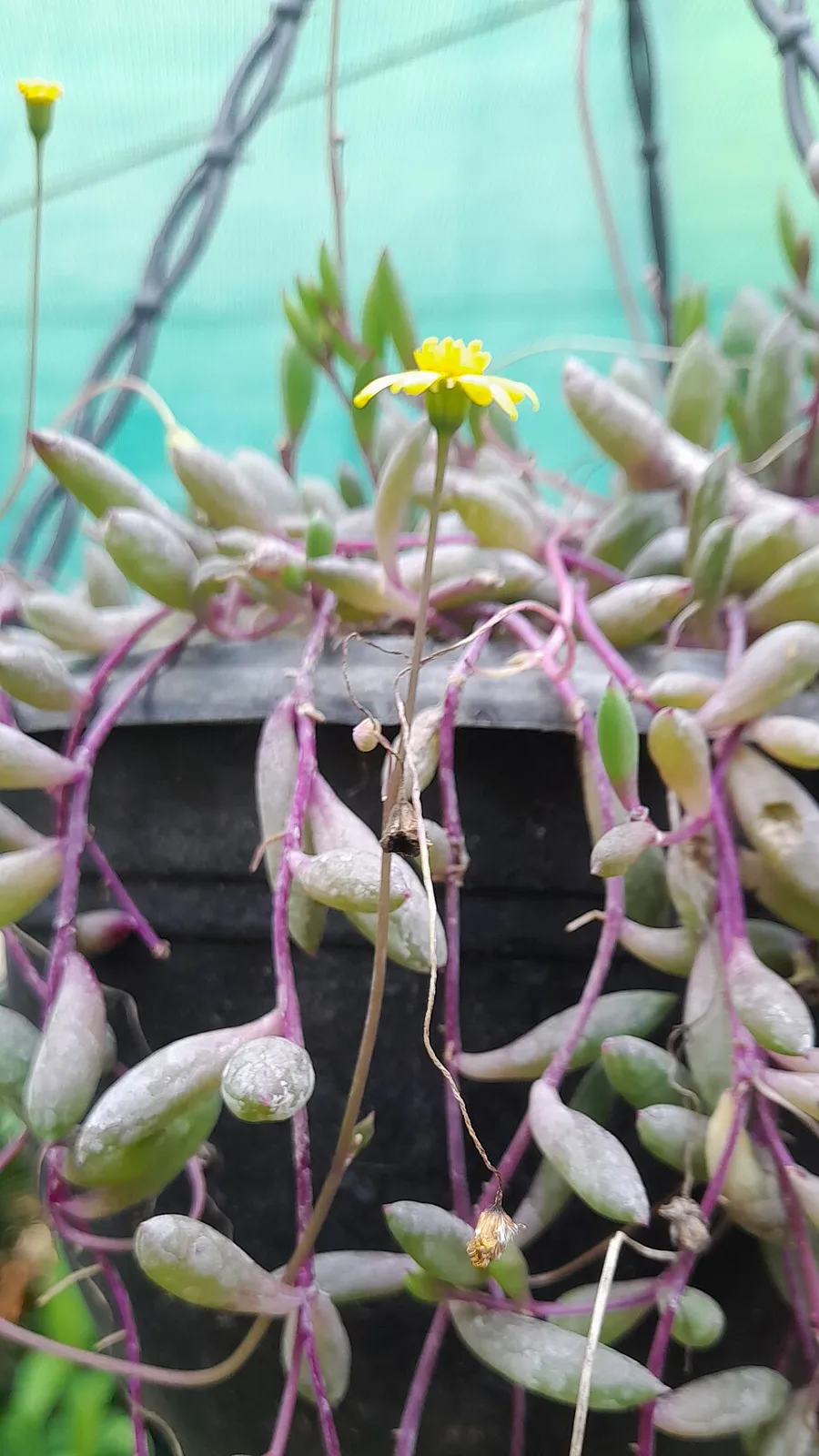
Senecio herreianus, now taxonomically recognized as Curio herreianus, is a captivating succulent belonging to the expansive Asteraceae family, also known as the daisy family. This perennial evergreen is widely celebrated for its distinctive morphology, characterized by slender, trailing stems adorned with numerous bead-like, spherical to ovoid leaves that resemble small green pearls or nickels, hence its common name 'String of Nickels' or 'String of Beads'.
The foliage typically presents in shades of green to bluish-green, often developing a reddish tint along the stems and leaf margins when exposed to ample sunlight, adding to its visual appeal. Each fleshy leaf acts as a water reservoir, a classic adaptation for survival in arid environments.
Native to the dry, rocky terrains of South Africa, particularly the Cape Provinces, Senecio herreianus thrives in conditions where water is scarce and competition from other flora is minimal. It is typically found growing in crevices of rocks or sandy, well-draining soils, often sprawling across surfaces or cascading down slopes. While it can reach a height of approximately 20-30 cm, its true allure lies in its trailing stems, which can extend several feet in length, making it an ideal candidate for hanging baskets or as a groundcover in suitable climates.
Although it does produce small, inconspicuous white or yellowish daisy-like flowers, these are rarely seen in indoor cultivation and are not the primary ornamental feature of the plant. Its unique foliage and resilient nature make it a highly sought-after specimen for succulent enthusiasts and a popular choice for indoor gardening globally.
Trusted Scientific References
1. Authoritative external sources for Senecio herreianus
1.1 Wikipedia — Senecio herreianus
1.2 Kew POWO (Plants of the World Online)
1.3 PubMed — peer-reviewed research
1.4 NCBI Taxonomy Browser
1.5 GBIF — Global Biodiversity
1.6Senecio Herreianus should be interpreted through verified botanical identity, practical care, and responsible safety language. This recovery note adds the missing context needed for a complete profile: match light to the plant's habit, use well-drained soil, water according to season, and avoid unsupported medicinal or edible claims. For publishing, the plant can be presented as a source-backed indoor plant with clear care guidance, common problem diagnosis, and conservative safety wording.
1.1.Senecio Herreianus — Notable Characteristics
- ✓Trailing Growth Habit — Produces long, cascading stems that can extend several feet, perfect for hanging displays.
- ✓Coin — shaped Leaves — Distinctive spherical to ovoid, fleshy leaves resembling small pearls or nickels.
- ✓Succulent Nature — Highly adapted to store water in its leaves, enabling drought tolerance.
- ✓Low Maintenance — Requires minimal care, making it an excellent choice for novice gardeners.
- ✓Drought Tolerant — Can withstand prolonged periods without water once established.
- ✓Bright Indirect Light Preference — Thrives in ample, filtered light conditions.
- ✓Ornamental Appeal — Primarily cultivated for its unique aesthetic value in indoor and outdoor settings.
- ✓Native to South Africa — Originates from arid regions, influencing its care requirements.
- ✓Mildly Toxic — Considered mildly toxic if ingested by humans or pets, requiring careful placement.
- ✓Evergreen Perennial — Maintains its foliage year-round and lives for multiple seasons.
1.2.Senecio Herreianus — Snapshot Summary
- ✓Curio herreianus, commonly known as String of Nickels, is a distinctive trailing succulent native to South Africa.
- ✓It features unique bead-like, coin-shaped leaves along its cascading stems, highly valued for ornamental purposes.
- ✓This low-maintenance plant thrives in bright, indirect light and well-draining soil, making it ideal for indoor cultivation.
- ✓Senecio herreianus is drought-tolerant and prefers warm temperatures, suitable for beginners.
- ✓While primarily an aesthetic plant, it is considered mildly toxic if ingested, especially by pets.
2.Senecio Herreianus — Nomenclature & Classification
3.Senecio Herreianus — Key Data
4.Senecio Herreianus — Physical Description
5.Senecio Herreianus — Ecological Habitat
6.Senecio Herreianus — Folk Medicine Applications
7.Senecio Herreianus — Key Phytochemicals
- ✓Pyrrolizidine Alkaloids (PAs) — While Senecio herreianus is generally considered mildly toxic, the broader Senecio genus is known to contain various pyrrolizidine alkaloids, which are potent hepatotoxins in higher concentrations. These compounds serve as a chemical defense mechanism for the plant.
- ✓Flavonoids — These are a diverse group of polyphenolic compounds widely present in plants, often responsible for pigment and offering antioxidant, anti-inflammatory, and protective properties against environmental stressors.
- ✓Saponins — These natural glycosides have detergent-like properties and can be found in the plant, potentially contributing to its mild toxicity if ingested in significant amounts.
- ✓Terpenoids — Volatile organic compounds that contribute to the plant's scent profile and play roles in defense against herbivores and pathogens, as well as attracting pollinators.
- ✓Phenolic Acids — Including compounds like caffeic acid and chlorogenic acid, these are abundant antioxidants that help protect the plant from oxidative damage and contribute to its overall structural integrity.
- ✓Waxes — A waxy coating on the leaves and stems helps reduce water loss through transpiration, a critical adaptation for succulents in dry climates.
- ✓Carbohydrates — Essential for energy storage and structural support within the plant, including various sugars and starches.
- ✓Fatty Acids — Integral components of cell membranes and energy reserves, vital for plant growth and metabolism.
8.Senecio Herreianus — Evidence-Based Benefits
- ✓Aesthetic Enhancement — Senecio herreianus is primarily valued for its unique ornamental appeal, enhancing the visual beauty and biophilic design of indoor spaces with its distinctive trailing foliage.
- ✓Mood Elevation — The presence of lush greenery, such as the String of Nickels, has been anecdotally linked to improved mood and reduced stress levels, contributing to a calming home environment.
- ✓Indoor Air Quality Improvement — Like many houseplants, Senecio herreianus may contribute to minor improvements in indoor air quality by participating in gas exchange, though specific studies on its efficacy are limited.
- ✓Humidity Regulation — As a living plant, it releases moisture through transpiration, potentially contributing to slightly increased humidity levels in its immediate surroundings, which can be beneficial in dry indoor climates.
- ✓Low Maintenance Appeal — Its drought-tolerant and resilient nature makes it an excellent choice for novice gardeners, offering the psychological benefit of successful plant care without demanding extensive effort.
- ✓Educational Value — Cultivating Senecio herreianus provides an accessible entry point for learning about succulent biology, plant care, and the adaptations of flora from arid regions.
- ✓Space Optimization — Its trailing habit makes it perfect for hanging planters, shelves, or terrariums, allowing for creative use of vertical space in urban dwellings.
- ✓Sensory Engagement — The unique texture and form of its 'bead-like' leaves offer tactile and visual stimulation, enriching the sensory experience of an indoor garden.
- ✓Connection to Nature — For those in urban environments, caring for plants like Senecio herreianus helps foster a vital connection to the natural world, promoting overall well-being.
- ✓Decorative Versatility — Its adaptable growth habit allows it to be integrated into various interior design schemes, from minimalist to bohemian, adding a lively, organic touch.
- ✓Resiliency Symbolism — The plant's ability to thrive in challenging conditions can serve as a subtle reminder of resilience and adaptability, offering a quiet source of inspiration.
- ✓Sound Dampening — While minor, plants can contribute to absorbing some ambient noise, adding to the tranquility of a living space.
8.1.Senecio Herreianus — Health Applications
9.Senecio Herreianus — Safety & Side Effects
9.1.Senecio Herreianus — Reported Side Effects
- ✓Digestive Upset — Ingestion of Senecio herreianus, particularly in larger quantities, may lead to mild digestive upset, including nausea, vomiting, or diarrhea.
- ✓Pet Toxicity — The plant is considered mildly toxic to pets (cats, dogs), and ingestion can cause gastrointestinal distress. It is advisable to keep it out of their reach.
- ✓Pyrrolizidine Alkaloid Risk — While specific concentrations in Senecio herreianus are generally low for ornamental use, other species in the broader Senecio genus contain hepatotoxic pyrrolizidine alkaloids, which can cause liver damage if consumed chronically or in large doses.
- ✓Skin Irritation — Though rare, some individuals with sensitive skin might experience mild irritation upon prolonged contact with the plant's sap.
- ✓Allergic Reactions — Extremely uncommon, but as with any plant, a very small percentage of individuals might exhibit allergic reactions to pollen or plant compounds.
9.2.Senecio Herreianus — Safety Overview
- ✓Non-toxic for Handling — Senecio herreianus is generally safe to handle and care for without causing skin irritation for most individuals.
- ✓Ingestion Warning — It is not intended for human or animal consumption due to its mild toxicity, which can cause gastrointestinal discomfort if ingested.
- ✓Pet Safety Precaution — Keep the plant out of reach of curious pets to prevent accidental ingestion and potential mild digestive upset.
- ✓Children Safety — Advise supervision around young children to prevent them from putting plant parts in their mouths.
- ✓Pyrrolizidine Alkaloid Awareness — While the risk from ornamental Senecio herreianus is low, it's prudent to be aware that the broader Senecio genus is known for hepatotoxic pyrrolizidine alkaloids, reinforcing the 'do not ingest' warning.
- ✓Allergenicity — The plant has low allergenic potential; however, individuals with extreme plant sensitivities should still exercise caution.
10.Senecio Herreianus — Usage Guide
- ✓Decorative Display — Plant in hanging baskets, on shelves, or in elevated positions to showcase its elegant trailing stems and unique bead-like foliage.
- ✓Mixed Succulent Arrangements — Integrate into succulent gardens or terrariums as a trailing element, providing contrast and visual interest alongside other upright succulents.
- ✓Indoor Air Enhancement — Place in living areas, offices, or bedrooms where its presence can contribute to a more vibrant and potentially fresher indoor atmosphere.
- ✓Gifting — Due to its distinctive appearance and relatively low maintenance, Senecio herreianus makes an excellent and thoughtful gift for plant enthusiasts, beginners, or as a housewarming present.
- ✓Propagation Material — Utilize healthy stem cuttings to propagate new plants, sharing its beauty or expanding your collection.
- ✓Biophilic Design Element — Incorporate into interior design schemes to foster a connection with nature, promoting well-being and a sense of calm.
- ✓Educational Specimen — Use as a living example in botanical studies, demonstrating succulent adaptations, growth habits, and plant care principles.
- ✓Visual Focal Point — Position in a prominent location where its unique form can draw the eye and become a conversation starter.
11.Senecio Herreianus — How to Grow
- ✓Light — Provide bright, indirect light; a south or west-facing window with some shade is ideal. Direct, harsh sunlight can scorch the leaves, while insufficient light leads to leggy growth.
- ✓Watering — Water thoroughly but infrequently. Allow the soil to dry out completely between waterings, typically every 2-4 weeks, depending on environmental conditions and pot size. Overwatering is the most common cause of problems.
- ✓Soil — Use a well-draining succulent or cactus potting mix. A blend of potting soil, perlite, and coarse sand in equal parts works well to prevent root rot.
- ✓Temperature — Prefers warm indoor temperatures between 15°C and 30°C (60-85°F). Protect from cold drafts and temperatures below 10°C (50°F).
- ✓Humidity — Tolerates average indoor humidity but can benefit from medium to high humidity (50-70%), especially during dry winter months.
- ✓Fertilization — Fertilize sparingly during the active growing season (spring and summer) with a balanced, diluted liquid fertilizer (e.g., 10-10-10) once a month. Avoid fertilizing in fall and winter.
- ✓Potting — Plant in terracotta or ceramic pots with ample drainage holes to facilitate airflow and prevent waterlogging.
- ✓Pruning — Regularly prune to remove dead or yellowing leaves and to encourage bushier growth. Stem cuttings can be used for propagation.
Reviewed by the Flora Medical Global Botanical Review Panel
Multi-disciplinary editorial group · Botany · Ethnobotany · Herbal-medicine literature
Who reviewed this: This page was checked by the Flora Medical Global Botanical Review Panel — an in-house editorial group of botany graduates, ethnobotany researchers, and horticulture practitioners who collectively maintain our 7,000+ plant encyclopedia. Meet the team.
Our 4-step verification process
1. Taxonomic verification
Scientific names and synonyms cross-checked against Kew POWO, World Flora Online, and The Plant List.
2. Phytochemical & medicinal cross-reference
Active compounds, traditional uses, and reported activities are cross-referenced with PubMed, USDA Dr. Duke's database, and peer-reviewed ethnobotanical literature.
3. Conservation & distribution check
Distribution, ecology, and conservation status confirmed against GBIF occurrence records and the IUCN Red List.
4. Editorial & safety review
Every entry passes an editorial pass for clarity, originality, and safety notices (toxicity, contraindications, dosage caveats) before publication.
Last reviewed:
Important medical disclaimer: This content is for educational and research purposes only. It is not medical advice and is not a substitute for consultation with a licensed healthcare provider. Do not use any herb to self-treat a medical condition without professional guidance.
Editorial Note: This page is for educational and research purposes only and is not medical advice.
Written by: Flora Medical Global Editorial Team
Reviewed by: Flora Medical Global Botanical Review Panel
Last Updated: June 15, 2026





Senecio Herreianus — Comments & Community Reviews
Rate this plant