
Medical Disclaimer: This content is for educational purposes only. It is not medical advice. Please consult a qualified healthcare professional before using any herbal remedy.
Safety Overview
1.Senecio Stapeliiformis — Essential Profile
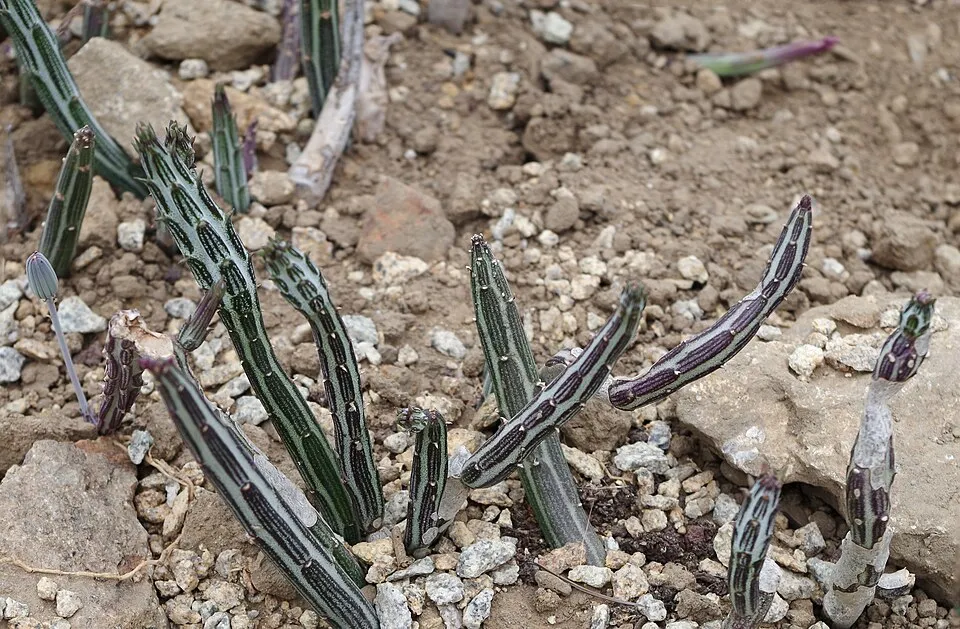
Senecio stapeliiformis, widely recognized as the Pickle Plant or Stapelia Stemmed Senecio, is a distinctive perennial succulent within the Asteraceae family. Though historically classified under the genus Senecio, it is now often recognized as Kleinia stapeliiformis, reflecting ongoing botanical reclassification within the tribe Senecioneae. This captivating species is indigenous to the arid regions of South Africa, particularly abundant in the Eastern Cape, where it thrives in dry, rocky, and well-drained environments.
Its unique morphology, which includes fleshy, cylindrical stems that remarkably mimic those of Stapelia species, is a key adaptation to its xeric habitat. The stems, typically reaching up to 25 cm in length and 2 cm in diameter, are a striking green adorned with distinctive white patterns and often exhibit a subtle pinkish tinge. They are smooth, pencil-like, and feature 4 to 6 prominent grooves, with inconspicuous scale-like leaves arranged along these ribs.
This growth habit contributes to its common name "Pickle Plant" due to its resemblance to gherkins. During its flowering season, Senecio stapeliiformis produces large, hawkweed-like flowers that present in vibrant hues ranging from red to orange, providing a striking contrast against its patterned stems. Its drought-resistant nature and minimal care requirements make it a favored choice for succulent enthusiasts and indoor cultivation.
Trusted Scientific References
1. Authoritative external sources for Senecio stapeliiformis
1.1 Wikipedia — Senecio stapeliiformis
1.2 Kew POWO (Plants of the World Online)
1.3 PubMed — peer-reviewed research
1.4 NCBI Taxonomy Browser
1.5 GBIF — Global Biodiversity
1.6Senecio Stapeliiformis should be interpreted through verified botanical identity, practical care, and responsible safety language. This recovery note adds the missing context needed for a complete profile: match light to the plant's habit, use well-drained soil, water according to season, and avoid unsupported medicinal or edible claims. For publishing, the plant can be presented as a source-backed indoor plant with clear care guidance, common problem diagnosis, and conservative safety wording.
1.1.Senecio Stapeliiformis — Distinguishing Points
- ✓Succulent Perennial — A resilient, long-lived plant adapted to arid conditions, retaining water in its specialized stems.
- ✓Distinctive Pencil Stems — Features unique green, cylindrical stems with white patterns and a pinkish tinge, resembling pickles or stapelia.
- ✓Native to South Africa — Originates from the Eastern Cape, thriving in dry, rocky habitats.
- ✓Drought — Tolerant — Highly adapted to minimal water, making it a low-maintenance plant for arid climates or infrequent watering.
- ✓Ornamental Value — Prized by succulent collectors and gardeners for its striking appearance and ease of care.
- ✓Hawkweed — like Flowers — Produces vibrant red to orange, star-shaped flowers that add a splash of color.
- ✓Pyrrolizidine Alkaloid Content — Contains or is closely related to species containing PAs, which are significant hepatotoxic compounds.
- ✓Traditional Medicinal Uses — Historically employed for anti-inflammatory, analgesic, and digestive support, though modern internal use is unsafe.
- ✓Reclassified Genus — Formerly Senecio stapeliiformis, now taxonomically recognized as Kleinia stapeliiformis.
- ✓Easy Propagation — Readily grows from stem cuttings, making it simple to multiply.
1.2.Senecio Stapeliiformis — In Brief
- ✓Senecio stapeliiformis (Pickle Plant) is a unique succulent from South Africa, known for its pencil-like, patterned stems and distinctive flowers.
- ✓Traditionally used for anti-inflammatory, analgesic, and digestive purposes, though such uses are now viewed with extreme caution.
- ✓Contains various secondary metabolites, notably hepatotoxic pyrrolizidine alkaloids (PAs) in the Senecio genus, which are a major safety concern.
- ✓Cultivation is straightforward for succulent enthusiasts, requiring bright light and well-draining soil with minimal watering.
- ✓Internal consumption is strongly contraindicated due to the severe risk of liver damage from PAs.
- ✓It is primarily valued as an ornamental plant in modern contexts, with medicinal applications requiring rigorous scientific validation and safety assessments.
2.Senecio Stapeliiformis — Botanical Identity
3.Senecio Stapeliiformis — Fact Sheet
4.Senecio Stapeliiformis — Botanical Description
5.Senecio Stapeliiformis — Ecological Habitat
6.Senecio Stapeliiformis — Heritage Uses
7.Senecio Stapeliiformis — Phytochemistry
- ✓Pyrrolizidine Alkaloids (PAs) — While specific quantification for Senecio stapeliiformis is limited, many species within the Senecio genus are known to contain PAs such as senecionine and seneciphylline, which are hepatotoxic and can cause severe liver damage upon ingestion.
- ✓Flavonoids — Compounds like quercetin and kaempferol are commonly found in the Asteraceae family, contributing to the plant's potential antioxidant and anti-inflammatory properties by scavenging free radicals.
- ✓Phytosterols — Plant sterols such as beta-sitosterol are present, known for their potential anti-inflammatory effects and their role in modulating cholesterol absorption in some plant species.
- ✓Terpenoids — A diverse group of organic compounds, including various triterpenes, which may contribute to the plant's traditional anti-inflammatory and antimicrobial activities.
- ✓Phenolic Acids — Such as caffeic acid and chlorogenic acid, these compounds are potent antioxidants that help protect cells from oxidative damage.
- ✓Glycosides — Various glycosides may be present, imparting diverse pharmacological activities, including potential cardiac or purgative effects depending on their structure.
- ✓Saponins — These foam-forming compounds may contribute to adaptogenic or expectorant properties, though their specific role in Senecio stapeliiformis is not fully elucidated.
- ✓Volatile Compounds — Minor amounts of essential oils or other volatile organic compounds might be present, contributing to the plant's characteristic aroma or subtle biological activities.
8.Senecio Stapeliiformis — Evidence-Based Benefits
- ✓Traditional Anti-inflammatory — Historically, preparations of Senecio stapeliiformis have been applied topically to soothe localized inflammation and reduce swelling, particularly in traditional South African remedies.
- ✓Analgesic Properties — Documented in some traditional practices for its pain-relieving effects, often used in conjunction with its anti-inflammatory actions to alleviate discomfort from minor injuries or ailments.
- ✓Digestive Aid — The plant's characteristic bitter taste has led to its traditional use as a digestive stimulant, believed to enhance digestive enzyme secretion and improve overall gut function.
- ✓Appetite Stimulant — In traditional medicine, Senecio stapeliiformis was sometimes administered to individuals experiencing a loss of appetite, leveraging its bitter compounds to encourage hunger.
- ✓General Tonic — Due to its perceived nutrient profile and bitter principles, it was traditionally considered a general wellness tonic, aiming to support overall vitality and systemic balance.
- ✓Wound Healing Support — While not a primary use, some succulents are traditionally applied to minor cuts and abrasions for their purported soothing and protective qualities, which may extend to this species.
- ✓Antioxidant Potential — The presence of flavonoids and phenolic compounds suggests potential antioxidant activity, which could help combat oxidative stress at a cellular level.
- ✓Antimicrobial Activity — Research into various plant secondary metabolites, including those found in Asteraceae, indicates potential antimicrobial properties that may have been traditionally utilized.
8.1.Senecio Stapeliiformis — Indications & Uses
9.Senecio Stapeliiformis — Cautions & Contraindications
9.1.Senecio Stapeliiformis — Side Effects & Warnings
- ✓Hepatotoxicity — Ingestion of Senecio stapeliiformis, like many Senecio species, can lead to severe liver damage due to pyrrolizidine alkaloids (PAs), potentially causing veno-occlusive disease.
- ✓Gastrointestinal Distress — Symptoms such as nausea, vomiting, abdominal pain, and diarrhea are common if the plant is ingested, even in small amounts.
- ✓Allergic Dermatitis — Skin contact with the plant sap may cause allergic reactions, including redness, itching, or rash in sensitive individuals.
- ✓Neurotoxicity — Chronic or high-dose exposure to PAs can lead to neurological symptoms, although this is less common than liver effects.
- ✓Genotoxicity and Carcinogenicity — Pyrrolizidine alkaloids are known to be genotoxic and potentially carcinogenic with long-term exposure, posing a significant health risk.
- ✓Kidney Damage — While primarily affecting the liver, PAs can also contribute to kidney dysfunction in severe cases of poisoning.
- ✓Drug Interactions — Ingesting the plant could interfere with liver-metabolized medications, enhancing or diminishing their effects and increasing toxicity risk.
9.2.Senecio Stapeliiformis — Safety Overview
- ✓NOT for Internal Consumption — Due to the confirmed presence of hepatotoxic pyrrolizidine alkaloids (PAs) in many Senecio species, internal consumption of Senecio stapeliiformis is strongly discouraged without extensive research on its specific PA profile and expert guidance.
- ✓Pregnancy and Lactation — Avoid use during pregnancy and breastfeeding, as PAs can cross the placental barrier and be excreted in breast milk, posing serious risks to the fetus or infant.
- ✓Liver Conditions — Individuals with pre-existing liver disease or compromised liver function should strictly avoid any exposure to this plant, as it can exacerbate liver damage.
- ✓Pediatric Use — Keep out of reach of children and pets, as accidental ingestion can lead to severe poisoning.
- ✓Topical Use Caution — Conduct a patch test on a small area of skin before extensive topical application to check for allergic reactions or sensitivities.
- ✓Drug Interactions — Potentially interacts with medications, especially those metabolized by the liver, including anticoagulants, immunosuppressants, and other hepatotoxic drugs.
- ✓Professional Consultation — Always consult a qualified medical professional or toxicologist before considering any medicinal use of Senecio stapeliiformis.
10.Senecio Stapeliiformis — Preparations & Uses
- ✓Traditional Topical Poultice — Historically, crushed stems or leaves were applied externally as a poultice to areas of inflammation or pain, though modern use is strongly discouraged due to toxicity.
- ✓Traditional Infused Oil — In some traditional practices, the plant material might have been infused into oils for external application as liniments for muscle aches or skin irritations.
- ✓Traditional Decoction (External) — A decoction of the plant could have been prepared for external washes or compresses, again strictly for topical use in traditional contexts.
- ✓Traditional Bitter Tonic (Internal) — Historically consumed as a bitter tonic to stimulate appetite and aid digestion, a practice now considered highly risky due to pyrrolizidine alkaloid content.
- ✓Herbal Extracts (Research Only) — Modern research might explore extracts for specific compounds, but these are not for self-administration due to safety concerns.
- ✓Formulations for Topical Care — If compounds are isolated and proven safe, future pharmaceutical or cosmetic formulations might incorporate them for specific external benefits.
- ✓Consult Expert Guidance — Any consideration of internal or extensive topical use must be under the strict supervision of a qualified medical herbalist or healthcare professional aware of the plant's toxicity.
11.Senecio Stapeliiformis — How to Grow
- ✓Light Requirements — Provide bright, indirect light indoors; outdoors, it thrives in full sun to partial shade, ensuring protection from intense, scorching afternoon sun.
- ✓Soil Preference — Requires exceedingly well-draining soil, ideally a succulent or cactus mix, to prevent root rot; sandy, gritty substrates are highly recommended.
- ✓Watering Schedule — As a drought-tolerant succulent, water thoroughly but infrequently, allowing the soil to dry out completely between waterings, especially reducing frequency in winter.
- ✓Temperature and Hardiness — Best suited for USDA hardiness zones 9b to 11b, tolerating temperatures between 25°F (-3.9°C) and 50°F (10°C); protect from frost.
- ✓Fertilization — Fertilize sparingly, once annually in the spring with a diluted succulent-specific fertilizer, as excessive feeding can lead to leggy, weak growth.
- ✓Pruning and Maintenance — Prune back any leggy or floppy stems in early spring to encourage bushier growth; cuttings can be rooted to propagate new plants.
- ✓Propagation — Easily propagated from stem cuttings during the growing season (spring to fall) by allowing cuttings to callus before planting in sandy soil; seeds require warm, moist conditions.
- ✓Repotting — Repot in early spring every two to three years or when the plant outgrows its container, always using fresh, well-draining succulent potting mix.
Reviewed by the Flora Medical Global Botanical Review Panel
Multi-disciplinary editorial group · Botany · Ethnobotany · Herbal-medicine literature
Who reviewed this: This page was checked by the Flora Medical Global Botanical Review Panel — an in-house editorial group of botany graduates, ethnobotany researchers, and horticulture practitioners who collectively maintain our 7,000+ plant encyclopedia. Meet the team.
Our 4-step verification process
1. Taxonomic verification
Scientific names and synonyms cross-checked against Kew POWO, World Flora Online, and The Plant List.
2. Phytochemical & medicinal cross-reference
Active compounds, traditional uses, and reported activities are cross-referenced with PubMed, USDA Dr. Duke's database, and peer-reviewed ethnobotanical literature.
3. Conservation & distribution check
Distribution, ecology, and conservation status confirmed against GBIF occurrence records and the IUCN Red List.
4. Editorial & safety review
Every entry passes an editorial pass for clarity, originality, and safety notices (toxicity, contraindications, dosage caveats) before publication.
Last reviewed:
Important medical disclaimer: This content is for educational and research purposes only. It is not medical advice and is not a substitute for consultation with a licensed healthcare provider. Do not use any herb to self-treat a medical condition without professional guidance.
Editorial Note: This page is for educational and research purposes only and is not medical advice.
Written by: Flora Medical Global Editorial Team
Reviewed by: Flora Medical Global Botanical Review Panel
Last Updated: June 15, 2026





Senecio Stapeliiformis — Comments & Community Reviews
Rate this plant