
Medical Disclaimer: This content is for educational purposes only. It is not medical advice. Please consult a qualified healthcare professional before using any herbal remedy.
Safety Overview
1.Sequoiadendron Giganteum — At a Glance
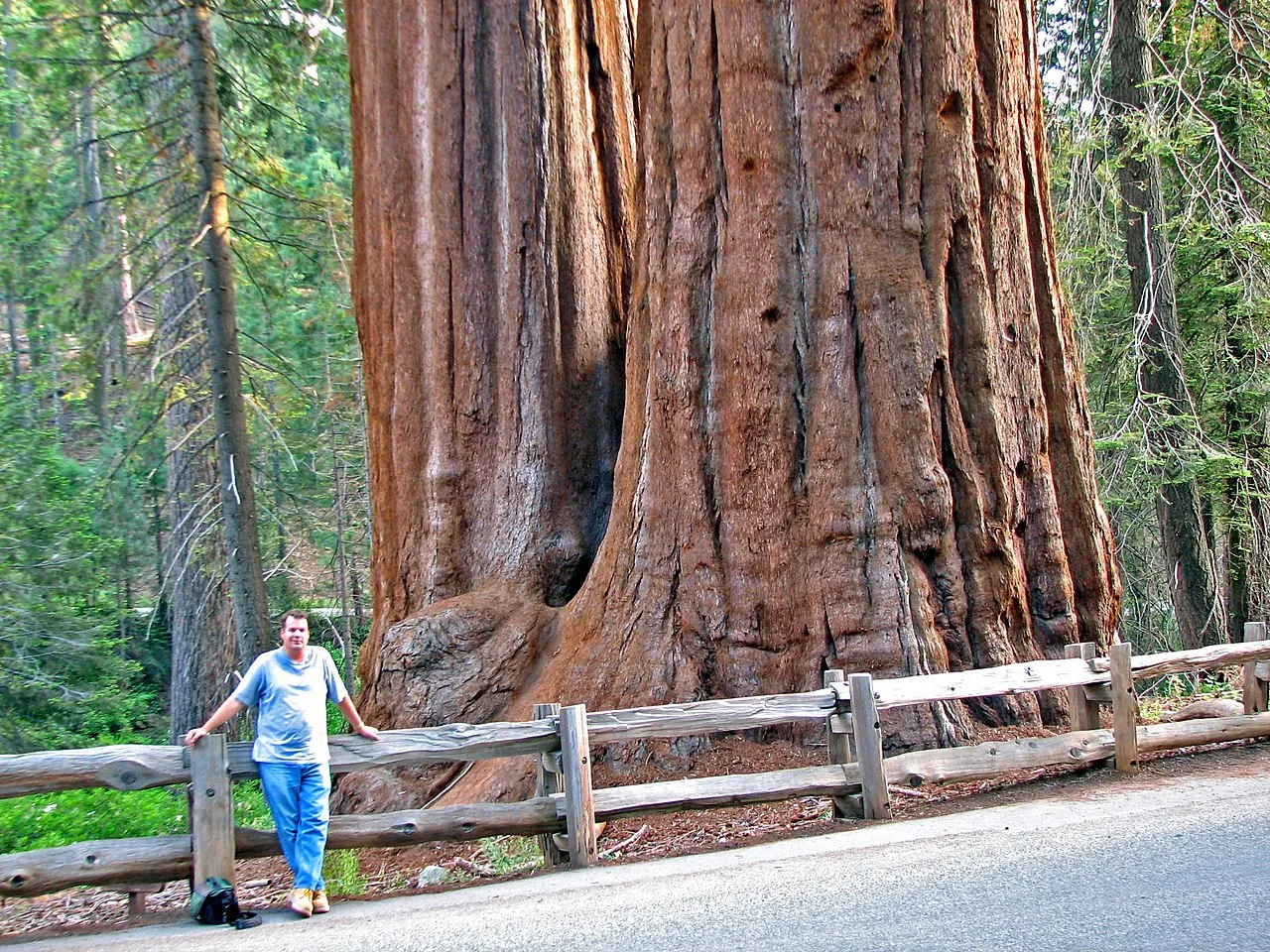
Sequoiadendron giganteum, commonly known as the Giant Sequoia or Sierra Redwood, stands as the world's most massive single tree species, a true botanical marvel. Native exclusively to a limited strip on the western slopes of California's Sierra Nevada mountains, these ancient conifers are renowned for their incredible longevity, with some specimens living over 3,000 years. They regularly achieve breathtaking heights exceeding 250 feet and possess immense trunk circumferences.
A distinguishing feature is their remarkably thick, fibrous, reddish-brown bark, which provides exceptional fire resistance, a crucial adaptation in their fire-prone native habitat. The tree's evergreen foliage consists of flat, pointed, scale-like needles that emit a distinct aromatic, often anise-like scent when crushed. As members of the Cupressaceae family, Giant Sequoias play a critical ecological role, acting as monumental carbon sinks and providing essential habitats for diverse forest biodiversity.
Their imposing presence and enduring nature symbolize strength and resilience, making them magnificent specimens for very large landscapes and a vital component of global forest ecosystems.
Trusted Scientific References
1. Authoritative external sources for Sequoiadendron giganteum
1.1 Wikipedia — Sequoiadendron giganteum
1.2 Kew POWO (Plants of the World Online)
1.3 PubMed — peer-reviewed research
1.4 NCBI Taxonomy Browser
1.5 GBIF — Global Biodiversity
1.6Sequoiadendron Giganteum should be interpreted through verified botanical identity, practical care, and responsible safety language. This recovery note adds the missing context needed for a complete profile: match light to the plant's habit, use well-drained soil, water according to season, and avoid unsupported medicinal or edible claims. For publishing, the plant can be presented as a source-backed garden plant with clear care guidance, common problem diagnosis, and conservative safety wording.
1.7Sequoiadendron Giganteum (Sequoiadendron giganteum) is maintained in this recovery file as a complete garden profile with practical care, safety, and identification context. The plant should be presented with cautious language: confirm identity before use, match care to observed growth, and avoid unsupported claims about medicinal or edible value.
1.1.Sequoiadendron Giganteum — Notable Characteristics
- ✓World's most massive — World's most massive tree species, capable of reaching immense heights and girths.
- ✓Native exclusively to — Native exclusively to the western slopes of California's Sierra Nevada mountains.
- ✓Remarkable longevity, with — Remarkable longevity, with some specimens documented to live for over 3,000 years.
- ✓Characterized by thick, fibrous, reddish — brown bark that provides exceptional fire resistance.
- ✓Features aromatic, evergreen, scale — like needles that emit an anise-like scent when crushed.
- ✓Primary medicinal application — Primary medicinal application is in gemmotherapy, particularly utilizing its young, embryonic buds.
- ✓Valued for supporting — Valued for supporting male prostate health and female bone density and hormonal balance.
- ✓Contains beneficial phytochemicals — Contains beneficial phytochemicals including tannins, flavonoids, and phenolic acids.
- ✓Offers distinct antioxidant, — Offers distinct antioxidant, astringent, and potential anti-inflammatory actions.
- ✓Plays a crucial — Plays a crucial ecological role in carbon sequestration and providing unique forest habitats.
1.2.Sequoiadendron Giganteum — Quick Summary
- ✓Majestic conifer known for immense size, longevity, and ecological significance.
- ✓Gemmotherapy utilizes its young buds for prostate health, bone support, and hormonal balance.
- ✓Bark and foliage offer antioxidant, astringent, and anti-inflammatory properties.
- ✓Requires careful dosage adherence and professional consultation due to potential hormonal actions.
- ✓Plays a vital ecological role as a massive carbon sink and biodiversity supporter.
2.Sequoiadendron Giganteum — Botanical Identity
3.Sequoiadendron Giganteum — Key Data
4.Sequoiadendron Giganteum — Botanical Features
5.Sequoiadendron Giganteum — Native Range & Habitat
6.Sequoiadendron Giganteum — Heritage Uses
7.Sequoiadendron Giganteum — Key Phytochemicals
- ✓Tannins — Predominantly found in the bark, these polyphenolic compounds are responsible for the plant's potent astringent properties, contributing to tissue tightening and wound healing.
- ✓Flavonoids — Present in foliage and bark, these diverse plant pigments act as powerful antioxidants, scavenging free radicals and exhibiting anti-inflammatory activities.
- ✓Phenolic Acids — Also contributing to antioxidant capacity, these compounds, such as gallic and caffeic acid derivatives, support cellular protection against oxidative stress.
- ✓Terpenes — Volatile organic compounds, particularly abundant in the aromatic needles and resins, impart characteristic scents and possess potential antimicrobial and respiratory-soothing effects.
- ✓Resins — Exuded from the bark, these complex mixtures of terpenes and fatty acids contribute to the plant's protective mechanisms and may have mild antimicrobial properties.
- ✓Phytosterols — Plant sterols, potentially found in buds and other tissues, are compounds structurally similar to cholesterol, which may play a role in supporting prostate health and hormonal modulation.
- ✓Lignans — These diphenolic compounds are recognized for their antioxidant and potential phytoestrogenic activities, contributing to the plant's overall health benefits.
- ✓Plant Hormones & Growth Factors — Especially concentrated in the embryonic tissues of the buds, these compounds are central to the principles of gemmotherapy, influencing growth and cellular regeneration.
8.Sequoiadendron Giganteum — Evidence-Based Benefits
- ✓Prostate Health Support — Gemmotherapy preparations derived from the young buds of Sequoiadendron giganteum are traditionally utilized to promote prostate health, potentially reducing inflammation associated with chronic prostatitis and aiding in the management of benign prostatic adenoma, thereby improving urinary function.
- ✓Hormonal Balance Regulation — Extracts from the buds are believed to stimulate adrenal hormones, contributing to the overall strengthening of the endocrine system and supporting hormonal equilibrium, particularly noted for a toning action in mature individuals.
- ✓Bone Formation Stimulation — In gemmotherapy, Sequoiadendron giganteum buds are valued for their reputed ability to stimulate bone formation and combat tissue sclerosis, offering potential benefits in addressing bone fragility and conditions like osteoporosis, especially in women.
- ✓Uterine Fibroid Management — Traditional gemmotherapy applications suggest that sequoia buds may assist in regulating hormones and reducing fibrous growths, offering an anti-tissue sclerosis action beneficial for managing uterine fibroids in women.
- ✓Libido and Sexual Function Enhancement — By stimulating adrenal activity, Sequoiadendron giganteum is purported to improve libido and overall sexual function, particularly noted for its revitalizing effect in mature men.
- ✓Antioxidant Support — The presence of various flavonoids and phenolic acids in Sequoiadendron giganteum extracts contributes to significant antioxidant properties, which are crucial for neutralizing free radicals and mitigating cellular damage from oxidative stress.
- ✓Astringent Action — Rich in tannins, the bark of the Giant Sequoia exhibits potent astringent qualities, making it potentially useful in topical applications to tighten tissues, reduce minor skin irritations, and aid in controlling superficial bleeding.
- ✓Anti-inflammatory Potential — Various secondary metabolites, including flavonoids found in the foliage and bark, suggest anti-inflammatory effects that could help in soothing localized inflammation and supporting overall immune response.
- ✓Antimicrobial Properties — Like many conifers, Sequoiadendron giganteum may contain terpenes and resinous compounds known for mild antimicrobial activity, offering a natural defense against certain microbial pathogens.
- ✓Respiratory System Soothing — The volatile compounds released from the aromatic needles may offer a soothing effect on respiratory passages when inhaled, akin to other coniferous essential oils, providing comfort for minor respiratory discomforts.
- ✓Skin Barrier Protection — The thick, resinous bark and its constituents could theoretically contribute to strengthening the skin's protective barrier, supporting tissue integrity against environmental aggressors and promoting overall skin health.
- ✓Stress Reduction & Psychological Well-being — Engaging with the natural environment of giant sequoias, often referred to as 'forest bathing' (Shinrin-yoku), is associated with profound psychological benefits, including reduced stress hormones, improved mood, and enhanced mental clarity.
8.1.Sequoiadendron Giganteum — Health Applications
9.Sequoiadendron Giganteum — Safety & Side Effects
9.1.Sequoiadendron Giganteum — Possible Adverse Reactions
- ✓Allergic Reactions — Individuals sensitive to conifers or other plant compounds may experience skin irritation, contact dermatitis, or respiratory symptoms upon exposure to extracts or volatile oils.
- ✓Gastrointestinal Discomfort — High doses of internal preparations, particularly those rich in tannins, might lead to mild stomach upset, nausea, or constipation in some sensitive individuals.
- ✓Hormonal Imbalance — Given the purported adrenal and hormonal stimulating effects of gemmotherapy preparations, individuals with pre-existing hormonal conditions should exercise caution and seek medical advice.
- ✓Unknown Drug Interactions — Due to limited specific research on Sequoiadendron giganteum, potential interactions with prescription medications are not well-established, warranting professional medical consultation.
- ✓Pregnancy and Lactation Concerns — Lack of sufficient safety data advises against the use of Sequoiadendron giganteum preparations in pregnant or breastfeeding women.
- ✓Over-dosage Concerns — Exceeding recommended dosages, especially for concentrated gemmotherapy products, could potentially lead to adverse effects, though specific symptoms of over-dosage are not well-documented.
9.2.Sequoiadendron Giganteum — Toxicity Assessment
- ✓Professional Consultation — Always consult a qualified healthcare practitioner, medical herbalist, or physician before using Sequoiadendron giganteum, especially if pregnant, breastfeeding, or currently taking any medications.
- ✓Adherence to Dosage — Strictly follow recommended dosages for gemmotherapy preparations, as the effects of over-consumption are not fully understood and could lead to adverse reactions.
- ✓Allergy Precaution — Perform a patch test for any topical applications to check for skin sensitivity or allergic reactions before widespread use.
- ✓Not for Children — Due to a lack of comprehensive safety data and specific pediatric guidelines, Sequoiadendron giganteum is not recommended for use in children.
- ✓Sustainable Sourcing — Prioritize products sourced from sustainably managed plantations or ethically wild-harvested material, given the protected status and slow growth of these monumental trees.
- ✓Quality Assurance — Ensure that any Sequoiadendron giganteum product is obtained from a reputable source, guaranteeing its quality, purity, and proper preparation according to established standards.
10.Sequoiadendron Giganteum — Preparation Methods
- ✓Gemmotherapy Macerate — The primary medicinal application involves a concentrated macerate of fresh Sequoiadendron giganteum buds, typically taken orally for systemic effects.
- ✓Oral Dosage — For adults, a common dosage for gemmotherapy preparations is 5 to 15 drops of the concentrated bud macerate daily, diluted in a small amount of water.
- ✓Topical Application — Bark extracts, rich in tannins, can be prepared as decoctions for topical washes or compresses to leverage their astringent and skin-protective properties.
- ✓Aromatic Inhalation — The aromatic foliage can be used for steam inhalation to soothe respiratory passages, similar to applications of other conifer essential oils for respiratory comfort.
- ✓Tinctures — Alcoholic extracts of the bark or foliage may be prepared for internal or external use, though gemmotherapy preparations are more commonly cited for specific health benefits.
- ✓Infusions/Decoctions — While less common for the Giant Sequoia due to its protected status and slow growth, bark or needle decoctions could theoretically be made for traditional uses, though gemmotherapy is generally the preferred and more sustainable method.
11.Sequoiadendron Giganteum — Garden Cultivation
- ✓Climate — Thrives in temperate climates with distinct seasons, preferring cool summers and mild winters, and requires ample moisture, mirroring its native Sierra Nevada conditions.
- ✓Soil — Prefers deep, well-drained, slightly acidic to neutral loamy soils; tolerates various soil types but is highly intolerant of waterlogging.
- ✓Light — Requires full sun exposure for optimal growth, especially when young, though mature trees can tolerate some partial shade in hotter climates.
- ✓Watering — Needs consistent moisture, particularly during establishment and dry periods; deep, regular watering is crucial for its massive water transport system.
- ✓Propagation — Primarily by seed, which often requires a period of cold stratification to break dormancy; vegetative propagation via cuttings is generally challenging.
- ✓Spacing — Due to its immense size and extensive root system, Sequoiadendron giganteum requires considerable space, making it suitable only for very large landscapes, parks, or arboreta.
- ✓Maintenance — Generally low maintenance once established, but young trees benefit from protection against extreme weather, competitive vegetation, and early formative pruning.
Reviewed by the Flora Medical Global Botanical Review Panel
Multi-disciplinary editorial group · Botany · Ethnobotany · Herbal-medicine literature
Who reviewed this: This page was checked by the Flora Medical Global Botanical Review Panel — an in-house editorial group of botany graduates, ethnobotany researchers, and horticulture practitioners who collectively maintain our 7,000+ plant encyclopedia. Meet the team.
Our 4-step verification process
1. Taxonomic verification
Scientific names and synonyms cross-checked against Kew POWO, World Flora Online, and The Plant List.
2. Phytochemical & medicinal cross-reference
Active compounds, traditional uses, and reported activities are cross-referenced with PubMed, USDA Dr. Duke's database, and peer-reviewed ethnobotanical literature.
3. Conservation & distribution check
Distribution, ecology, and conservation status confirmed against GBIF occurrence records and the IUCN Red List.
4. Editorial & safety review
Every entry passes an editorial pass for clarity, originality, and safety notices (toxicity, contraindications, dosage caveats) before publication.
Last reviewed:
Important medical disclaimer: This content is for educational and research purposes only. It is not medical advice and is not a substitute for consultation with a licensed healthcare provider. Do not use any herb to self-treat a medical condition without professional guidance.
Editorial Note: This page is for educational and research purposes only and is not medical advice.
Written by: Flora Medical Global Editorial Team
Reviewed by: Flora Medical Global Botanical Review Panel
Last Updated: June 15, 2026





Sequoiadendron Giganteum — Comments & Community Reviews
Rate this plant