
Medical Disclaimer: This content is for educational purposes only. It is not medical advice. Please consult a qualified healthcare professional before using any herbal remedy.
Safety Overview
1.Sesleria Autumnalis — Plant Snapshot
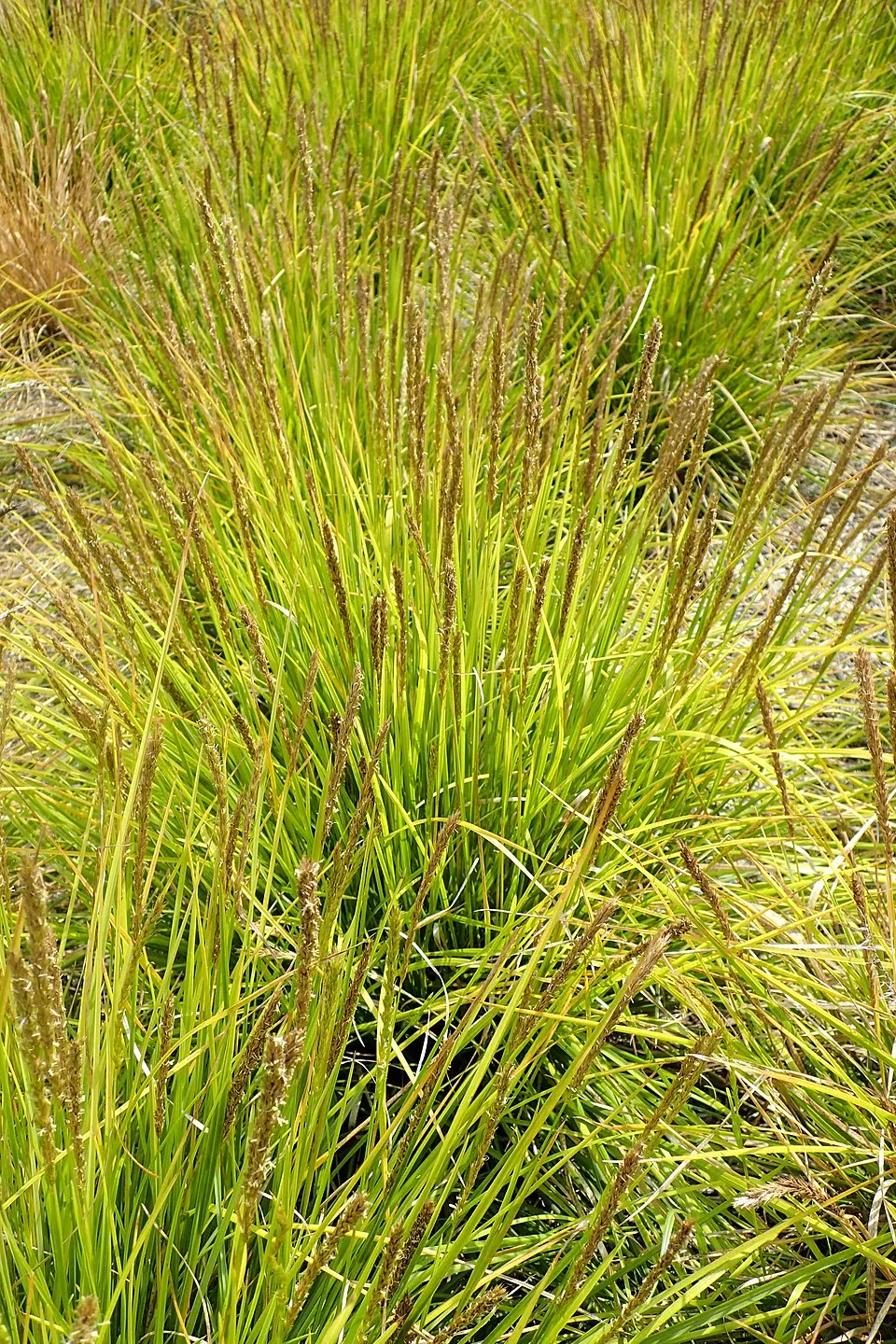
Sesleria autumnalis, commonly known as Autumn Moor Grass, is an elegant and resilient cool-season ornamental grass belonging to the Poaceae family. Native to the diverse grasslands of Southern Europe, its natural range extends from the cooler mists of Scotland and Norway down to the warmer climates of Italy and Greece. This versatility allows it to thrive in a wide array of environments, from full sun to part shade, and tolerate various soil types, including limestone-rich and poor soils.
It forms dense, evergreen clumps of bright chartreuse-green to yellow-green foliage, typically reaching a height of 12 to 18 inches and spreading equally wide. In late summer to early autumn, it produces delicate, pale whitish flower spikes that mature into slender, attractive golden seed heads, held just above the foliage.
Botanically, Sesleria autumnalis is characterized by its fine-textured, linear leaves and its clumping, non-invasive growth habit, making it an ideal groundcover or meadow grass. It is remarkably drought-tolerant once established and requires minimal maintenance, proving itself as a long-lived and well-behaved addition to landscapes. Its adaptability to diverse climates, including coastal conditions and hot inland areas (especially with some afternoon shade), underscores its robust nature.
Cultivars like 'Fine Leaf' and 'Campo Verde' are noted for their compact and uniform growth. This species exemplifies a balance of aesthetic appeal and ecological resilience.
Trusted Scientific References
1. Authoritative external sources for Sesleria autumnalis
1.1 Wikipedia — Sesleria autumnalis
1.2 Kew POWO (Plants of the World Online)
1.3 PubMed — peer-reviewed research
1.4 NCBI Taxonomy Browser
1.5 GBIF — Global Biodiversity
1.6Sesleria Autumnalis should be interpreted through verified botanical identity, practical care, and responsible safety language. This recovery note adds the missing context needed for a complete profile: match light to the plant's habit, use well-drained soil, water according to season, and avoid unsupported medicinal or edible claims. For publishing, the plant can be presented as a source-backed garden plant with clear care guidance, common problem diagnosis, and conservative safety wording.
1.1.Sesleria Autumnalis — Key Features
- ✓Evergreen, clumping ornamental — Evergreen, clumping ornamental grass.
- ✓Striking chartreuse — green to bright yellow-green foliage.
- ✓Produces delicate pale — Produces delicate pale whitish flower spikes in late summer.
- ✓Highly drought — tolerant once established, requiring minimal water.
- ✓Adapts to a — Adapts to a wide range of soils, including poor and limestone-rich.
- ✓Cold — hardy, thriving in USDA Zone 4 and warmer.
- ✓Low maintenance, requiring — Low maintenance, requiring only occasional trimming.
- ✓Rich natural source — Rich natural source of amorphous silica.
- ✓Contains beneficial flavonoids — Contains beneficial flavonoids and phenolic acids.
- ✓Excellent choice for — Excellent choice for groundcover, meadows, and naturalistic plantings.
1.2.Sesleria Autumnalis — In Brief
- ✓Resilient ornamental grass native to Southern Europe.
- ✓Forms dense clumps of bright chartreuse-green foliage.
- ✓Valued for its potential demulcent, diuretic, and antioxidant properties.
- ✓Rich in natural silica, supporting connective tissue health.
- ✓Low-maintenance, drought-tolerant, and cold-hardy to USDA Zone 4.
- ✓Potential applications in digestive, urinary, and skin health.
2.Sesleria Autumnalis — Scientific Profile
3.Sesleria Autumnalis — Quick Facts
4.Sesleria Autumnalis — Morphological Account
5.Sesleria Autumnalis — Where It Grows
6.Sesleria Autumnalis — Cultural & Traditional Roles
7.Sesleria Autumnalis — Bioactive Constituents
- ✓Flavonoids — Includes compounds such as quercetin, apigenin, and luteolin derivatives; these contribute significantly to the plant's antioxidant and anti-inflammatory effects.
- ✓Phenolic Acids — Contains caffeic acid, ferulic acid, and p-coumaric acid, which are known for their potent free radical scavenging capabilities and protective cellular actions.
- ✓Silica (Amorphous) — Abundantly integrated into the plant's structural tissues; this micronutrient is crucial for supporting connective tissue health, bone strength, and epidermal integrity in humans.
- ✓Polysaccharides — Comprises various mucilaginous compounds that provide demulcent properties, offering soothing and protective effects on mucous membranes.
- ✓Triterpenoids — May contain pentacyclic triterpenes, which are associated with potential anti-inflammatory, hepatoprotective, and adaptogenic activities.
- ✓Saponins — Glycosidic compounds that could contribute to the plant's hypothesized expectorant and mild diuretic effects, aiding in mucus and fluid elimination.
- ✓Chlorophylls — Essential photosynthetic pigments like chlorophyll a and b, which possess antioxidant properties and support cellular detoxification.
- ✓Carotenoids — Includes compounds like beta-carotene and lutein; these are powerful antioxidants and precursors to Vitamin A, vital for vision and immune function.
- ✓Phytosterols — Plant sterols such as beta-sitosterol; contribute to overall plant health and may offer cholesterol-lowering and anti-inflammatory benefits in human consumption.
8.Sesleria Autumnalis — Research Insights
- ✓Soothing Digestive Aid — May provide demulcent properties, helping to calm and protect irritated mucous membranes within the digestive tract, potentially alleviating discomfort from mild gastritis or indigestion.
- ✓Urinary System Support — Hypothesized to act as a mild diuretic, promoting healthy kidney function and aiding in the gentle elimination of excess fluids and metabolic waste products from the body.
- ✓Connective Tissue Health — Rich in naturally occurring amorphous silica, which is a vital micronutrient for maintaining the strength, elasticity, and structural integrity of skin, hair, nails, and bones.
- ✓Anti-inflammatory Potential — Contains phenolic compounds and flavonoids that suggest an ability to modulate inflammatory pathways, potentially reducing systemic or localized inflammation throughout the body.
- ✓Antioxidant Activity — The presence of various phytochemicals, including phenolic acids, indicates a capacity to scavenge free radicals, thereby protecting cellular structures from oxidative stress and damage.
- ✓Respiratory Comfort — May offer mild expectorant qualities, assisting in the loosening and expulsion of mucus from the respiratory passages, potentially easing symptoms of coughs or congestion.
- ✓Wound Healing Support — Traditionally, certain grass species have been applied topically for minor cuts and abrasions due to their soothing and protective properties, which Sesleria autumnalis may share.
- ✓General Tonic — Considered a gentle tonic in some herbal traditions, supporting overall vitality, energy levels, and general well-being without overstimulation.
- ✓Detoxification Aid — Through its potential diuretic and antioxidant actions, it may support the body's natural detoxification processes by assisting in the elimination of toxins.
- ✓Immune System Modulation — Some grass species contain polysaccharides and other compounds that can gently support and balance immune responses.
- ✓Bone Density Support — The significant silica content contributes to bone mineralization and can be beneficial for maintaining bone density.
8.1.Sesleria Autumnalis — Therapeutic Indications
9.Sesleria Autumnalis — Adverse Effects
9.1.Sesleria Autumnalis — Possible Adverse Reactions
- ✓Allergic Reactions — Individuals sensitive to grasses or grass pollens may experience mild allergic reactions, such as skin rash or respiratory irritation.
- ✓Digestive Upset — Ingesting large quantities, especially of raw plant material, could potentially cause mild stomach discomfort due to high fiber content.
- ✓Diuretic Effects — Excessive intake, if it acts as a diuretic, might lead to increased urination and potential electrolyte imbalance if hydration is not maintained.
- ✓Skin Irritation — Direct topical application may cause mild contact dermatitis in individuals with very sensitive skin.
- ✓Interactions with Medications — Hypothetically, due to potential diuretic effects, it could interact with prescription diuretics or blood pressure medications, though specific studies are lacking.
- ✓Pregnancy and Lactation Concerns — Lack of specific research dictates caution; generally advised against use without professional medical advice.
9.2.Sesleria Autumnalis — Safety Profile
- ✓Pregnancy and Lactation — Insufficient scientific data exists regarding its safety during pregnancy and breastfeeding; therefore, use is generally not recommended without consulting a healthcare professional.
- ✓Children — While generally considered safe in small, age-appropriate doses, it is prudent to consult a pediatrician or qualified herbalist before administering to children.
- ✓Allergies — Individuals with known allergies to the Poaceae family (grasses) or grass pollen should exercise caution or avoid use to prevent potential allergic reactions.
- ✓Pre-existing Conditions — Patients with kidney conditions, heart disease, or those on diuretic medications should consult a physician due to its potential mild diuretic action.
- ✓Drug Interactions — As a precautionary measure, consult a healthcare provider if taking any prescription medications, especially those affecting fluid balance or blood clotting.
- ✓Dosage — Adhere to recommended dosages; excessive intake of any herbal remedy can lead to unintended effects. Start with low doses to assess individual tolerance.
10.Sesleria Autumnalis — Preparation & Dosage
- ✓Herbal Tea/Infusion — Dried leaves steeped in hot water can be consumed as a mild tea for digestive comfort, urinary support, or general tonic effects.
- ✓Tincture — An alcohol extract of fresh or dried Sesleria autumnalis can be prepared for concentrated internal use, typically taken in drops.
- ✓Poultice/Compress — Freshly crushed leaves can be applied topically as a poultice or compress for minor skin irritations, cuts, or localized inflammation.
- ✓Powdered Herb — Dried and finely ground plant material can be encapsulated or mixed into smoothies or foods to supplement silica and antioxidant intake.
- ✓Herbal Bath — A strong infusion added to bathwater may provide soothing benefits for the skin and promote overall relaxation.
- ✓Topical Oil Infusion — Dried plant material can be infused in a carrier oil (e.g., olive oil) for use as a massage oil to support skin and connective tissue health.
11.Sesleria Autumnalis — Growth Requirements
- ✓Site Selection — Thrives in full sun to part shade; afternoon shade is beneficial in hotter climates to prevent scorching.
- ✓Soil Requirements — Highly adaptable to a wide range of soils, including poor, rocky, or clay soils, but prefers well-drained conditions.
- ✓Planting — Space plants 12 to 18 inches apart to allow for mature clump formation and optimal airflow.
- ✓Watering — Remarkably drought-tolerant once established; requires only once-a-week watering in most soils, or less in cooler climates.
- ✓Hardiness — Cold hardy to USDA Zone 4, tolerating significant winter temperatures.
- ✓Maintenance — Low maintenance; a light trim of spent seed heads and foliage tips in late fall or winter is sufficient to keep it tidy.
- ✓Propagation — Primarily propagated by seed or division of established clumps in spring or early autumn.
Reviewed by the Flora Medical Global Botanical Review Panel
Multi-disciplinary editorial group · Botany · Ethnobotany · Herbal-medicine literature
Who reviewed this: This page was checked by the Flora Medical Global Botanical Review Panel — an in-house editorial group of botany graduates, ethnobotany researchers, and horticulture practitioners who collectively maintain our 7,000+ plant encyclopedia. Meet the team.
Our 4-step verification process
1. Taxonomic verification
Scientific names and synonyms cross-checked against Kew POWO, World Flora Online, and The Plant List.
2. Phytochemical & medicinal cross-reference
Active compounds, traditional uses, and reported activities are cross-referenced with PubMed, USDA Dr. Duke's database, and peer-reviewed ethnobotanical literature.
3. Conservation & distribution check
Distribution, ecology, and conservation status confirmed against GBIF occurrence records and the IUCN Red List.
4. Editorial & safety review
Every entry passes an editorial pass for clarity, originality, and safety notices (toxicity, contraindications, dosage caveats) before publication.
Last reviewed:
Important medical disclaimer: This content is for educational and research purposes only. It is not medical advice and is not a substitute for consultation with a licensed healthcare provider. Do not use any herb to self-treat a medical condition without professional guidance.
Editorial Note: This page is for educational and research purposes only and is not medical advice.
Written by: Flora Medical Global Editorial Team
Reviewed by: Flora Medical Global Botanical Review Panel
Last Updated: June 15, 2026





Sesleria Autumnalis — Comments & Community Reviews
Rate this plant