

Medical Disclaimer: This content is for educational purposes only. It is not medical advice. Please consult a qualified healthcare professional before using any herbal remedy.
Safety Overview
1.Shamrock Plant — Botanical Snapshot
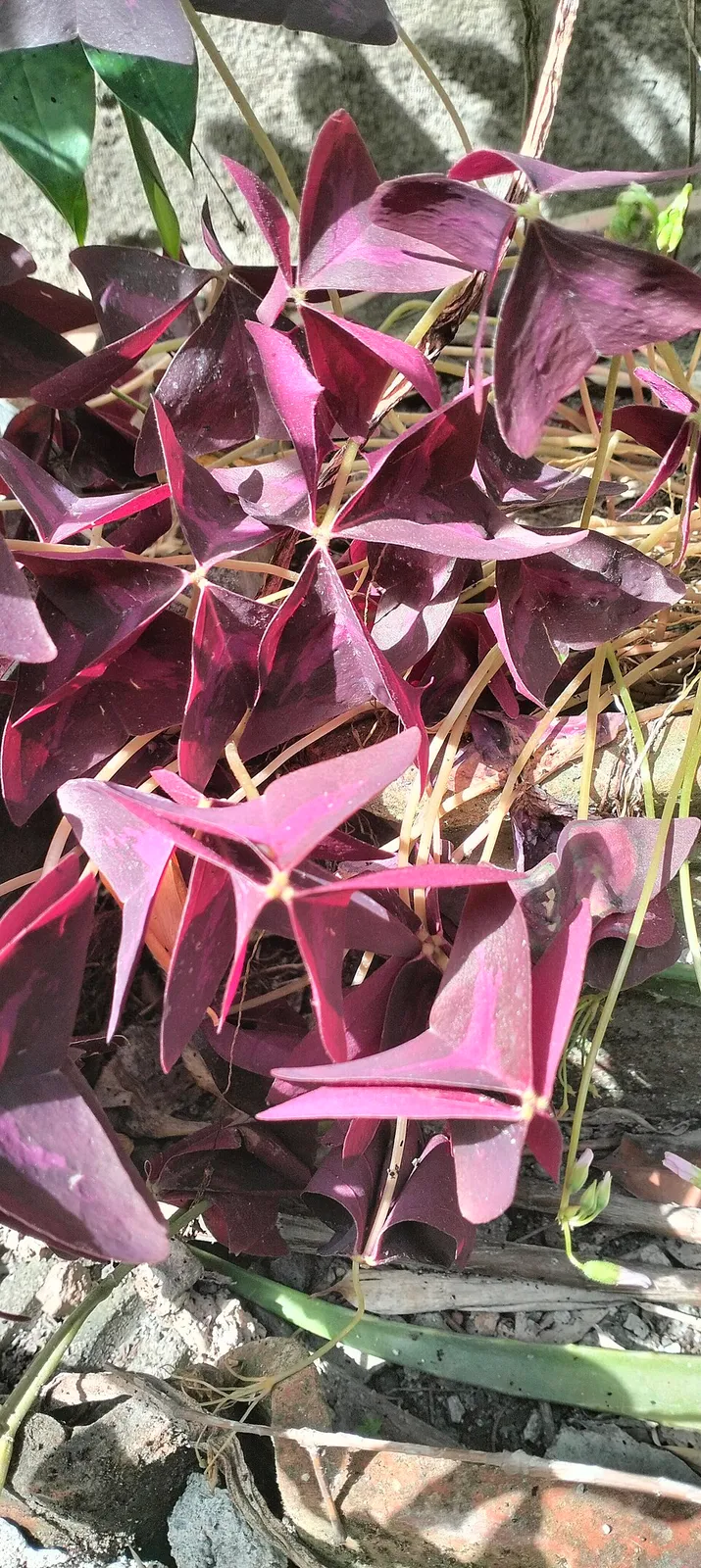
The Shamrock Plant, scientifically designated as Oxalis regnellii, is a captivating herbaceous perennial cherished for its ornamental appeal, particularly its distinctive foliage. Typically reaching a modest height of 12 to 18 inches (30-45 cm), it forms a compact, mounding habit. Its most striking feature is the trifoliate leaves, resembling a clover, which can span 1 to 2 inches (2.5-5 cm) across.
These leaves display vibrant shades of green, often with a subtle purplish hue on their undersides, contributing to their visual depth. A fascinating characteristic of Oxalis regnellii, and indeed many members of the Oxalidaceae family, is its nyctinastic movement; the leaves fold upwards at dusk or in response to stress, unfurling again with the morning light. Delicate, cup-shaped flowers emerge in clusters, ranging in color from pristine white to soft pink or lavender, adding a charming contrast to the dark foliage.
The stems are slender and can exhibit a slight hairiness, providing an interesting textural element. Native to the warm, humid climates of Brazil, Oxalis regnellii thrives in similar indoor conditions, preferring bright, indirect sunlight but demonstrating adaptability to lower light levels, making it a versatile and popular houseplant.
Trusted Scientific References
1. Authoritative external sources for Oxalis regnellii
1.1 Wikipedia — Oxalis regnellii
1.2 Kew POWO (Plants of the World Online)
1.3 PubMed — peer-reviewed research
1.4 NCBI Taxonomy Browser
1.5 GBIF — Global Biodiversity
1.6Shamrock Plant should be interpreted through verified botanical identity, practical care, and responsible safety language. This recovery note adds the missing context needed for a complete profile: match light to the plant's habit, use well-drained soil, water according to season, and avoid unsupported medicinal or edible claims. For publishing, the plant can be presented as a source-backed indoor plant with clear care guidance, common problem diagnosis, and conservative safety wording.
1.1.Shamrock Plant — Distinguishing Points
- ✓Distinctive trifoliate, clover — like leaves with a purplish underside.
- ✓Exhibits fascinating nyctinasty, — Exhibits fascinating nyctinasty, where leaves fold up at night or in low light.
- ✓Produces delicate, cup — shaped flowers in shades of white, pink, or lavender.
- ✓High in Vitamin C, offering natural immune — boosting properties.
- ✓Contains significant levels — Contains significant levels of oxalic acid, imparting a sour taste.
- ✓Traditionally utilized for — Traditionally utilized for its purported diuretic and respiratory support qualities.
- ✓Native to the — Native to the tropical regions of Brazil, thriving in warm, humid conditions.
- ✓Popular as an easy — to-care-for indoor ornamental plant.
- ✓Belongs to the — Belongs to the Oxalidaceae family, specifically the Oxalis genus.
- ✓Edible in very — Edible in very small quantities, providing a lemony flavor.
1.2.Shamrock Plant — Concise Overview
- ✓Ornamental plant with medicinal properties.
- ✓Known for its distinctive trifoliate leaves and nyctinastic movements.
- ✓Rich in Vitamin C, but also contains significant oxalic acid.
- ✓Traditional uses include diuretic, immune support, and digestive aid.
- ✓Caution is paramount due to potential oxalic acid toxicity, especially for kidneys.
- ✓Native to Brazil, widely cultivated as an indoor plant.
2.Shamrock Plant — Botanical Identity
3.Shamrock Plant — Vital Statistics
4.Shamrock Plant — Botanical Features
5.Shamrock Plant — Native Range & Habitat
6.Shamrock Plant — Traditional Uses
7.Shamrock Plant — Key Phytochemicals
- ✓Oxalic Acid — This organic acid is a primary constituent, responsible for the plant's characteristic tart or sour taste and its role in calcium chelation; it is the main compound necessitating caution in consumption.
- ✓Flavonoids — A diverse group of polyphenols, including derivatives of quercetin and kaempferol, contributing to the plant's antioxidant, anti-inflammatory, and potentially antimicrobial properties.
- ✓Tannins — These astringent compounds are present in the leaves, contributing to traditional uses for wound healing and digestive support by binding to proteins.
- ✓Phytosterols — Plant sterols that can mimic cholesterol in the body, potentially offering cardiovascular benefits, though their concentration and specific effects in O. regnellii require further study.
- ✓Phenols — A broad category of antioxidant compounds that protect cells from damage caused by free radicals and contribute to the plant's overall protective mechanisms.
- ✓Glycosides — Various glycosides are found, which are compounds where a sugar molecule is bonded to a non-sugar component, often contributing to diverse biological activities.
- ✓Fatty Acids — Essential for cellular structure and function, these lipids are present in the plant, supporting overall nutritional value.
- ✓Galacto-glycero Lipids — These specialized lipids are components of plant cell membranes and are involved in photosynthetic processes.
- ✓Volatile Oils — Present in trace amounts, these aromatic compounds contribute to the plant's subtle scent and may possess mild antimicrobial or therapeutic effects.
- ✓Vitamin C (Ascorbic Acid) — A significant constituent, providing potent antioxidant benefits, supporting immune function, and essential for collagen synthesis.
- ✓Vitamin A (Carotenoids) — Precursors to Vitamin A, these compounds are vital for vision, immune health, and also act as antioxidants.
- ✓Potassium — An essential electrolyte and mineral vital for maintaining fluid balance, nerve signals, and muscle contractions within the body.
8.Shamrock Plant — Scientific Evidence
- ✓Diuretic Properties — Traditionally, the leaves of Oxalis species, including O. regnellii, have been used to stimulate urine production, aiding in the elimination of excess fluid from the body and supporting kidney function.
- ✓Respiratory Support — In some traditional herbal practices, the plant has been recognized for its potential to alleviate symptoms associated with mild respiratory discomfort, offering a soothing effect.
- ✓Immune System Boost — Rich in Vitamin C, Oxalis regnellii contributes to a fortified immune system, which can help in reducing the duration and severity of common colds and other infections.
- ✓Anti-inflammatory Effects — Similar to other Oxalis species, the presence of flavonoids and other phytochemicals suggests potential anti-inflammatory actions, which can help mitigate systemic inflammation.
- ✓Digestive Aid — Traditional systems like Ayurveda (where related Oxalis species are called 'Changeri') have utilized Oxalis for treating stomach discomfort, improving appetite, and addressing issues like dysentery.
- ✓Wound Healing — Applied topically, crushed leaves or preparations from Oxalis species have been used for their astringent qualities to help cleanse wounds, reduce swelling, and promote healing of minor cuts and abrasions.
- ✓Febrifuge Action — The cooling energetics attributed to Oxalis in traditional medicine suggest its use as a febrifuge, helping to reduce discomfort associated with fevers when consumed as a mild tea.
- ✓Antiscorbutic Properties — Given its high Vitamin C content, Oxalis regnellii acts as a natural antiscorbutic, traditionally used to prevent and treat scurvy, a deficiency disease.
- ✓Cardiovascular Tonic — In some traditional contexts, Oxalis species are considered beneficial as general cardio-tonics and blood purifiers, supporting overall circulatory health.
- ✓Oral Health Support — A gargle prepared from the leaves of Oxalis has been traditionally employed to help soothe mouth sores, ulcers, and alleviate discomfort in the oral cavity.
- ✓Antioxidant Activity — The presence of flavonoids and other phenolic compounds provides significant antioxidant capacity, combating oxidative stress and protecting cellular health.
- ✓Dosha Balancing (Ayurveda) — According to Ayurvedic principles, Oxalis is considered to balance Vata and Kapha doshas due to its sour taste and specific potency, though it may aggravate Pitta in excess.
8.1.Shamrock Plant — Reported Uses
9.Shamrock Plant — Cautions & Contraindications
9.1.Shamrock Plant — Reported Side Effects
- ✓Kidney Stone Formation — High oxalic acid content can bind with calcium to form insoluble calcium oxalate crystals, significantly increasing the risk of kidney stone formation, especially in susceptible individuals.
- ✓Calcium Malabsorption — Excessive consumption may interfere with the body's absorption of dietary calcium due to the chelating action of oxalic acid.
- ✓Gastrointestinal Upset — Large quantities can cause digestive disturbances such as nausea, vomiting, diarrhea, or abdominal pain due.
- ✓Gout Exacerbation — Individuals prone to gout or rheumatism should avoid consuming Oxalis regnellii, as oxalic acid may aggravate these conditions.
- ✓Metallic Flavor — Cooking Oxalis regnellii in cast iron or aluminum cookware can lead to a metallic taste due to the reaction of oxalic acid with the metals.
- ✓Hyperacidity Issues — For individuals with pre-existing hyperacidity or sensitive stomachs, consumption may lead to discomfort or worsen symptoms.
- ✓Dental Erosion — The acidic nature of the leaves, if consumed frequently, could potentially contribute to tooth enamel erosion over time.
9.2.Shamrock Plant — Safety Overview
- ✓Moderate Consumption Critical — Due to its significant oxalic acid content, Oxalis regnellii should only be consumed in very small, infrequent quantities, if at all, for culinary or medicinal purposes.
- ✓Contraindicated for Kidney Issues — Individuals with a history of kidney stones, kidney disease, or other renal impairments must strictly avoid internal use of this plant.
- ✓Avoid with Gout and Rheumatism — Persons suffering from gout, rheumatism, or hyperacidity should refrain from using Oxalis regnellii medicinally or culinarily, as it may exacerbate symptoms.
- ✓Pregnancy and Lactation Warning — There is insufficient scientific data regarding the safety of Oxalis regnellii during pregnancy and breastfeeding; therefore, its use is not recommended for these groups.
- ✓Drug Interaction Potential — Exercise caution with concurrent use of calcium supplements or diuretic medications, as interactions with oxalic acid or the plant's diuretic effects may occur.
- ✓Cookware Precaution — Never cook Oxalis regnellii in aluminum or cast-iron pots, as the oxalic acid can react with these metals, potentially leading to the leaching of toxic ions and an unpleasant metallic taste.
- ✓Professional Consultation Essential — Always consult a qualified healthcare professional, medical herbalist, or physician before using Oxalis regnellii for any medicinal purpose, particularly if you have underlying health conditions.
10.Shamrock Plant — Preparation Methods
- ✓Fresh Leaf Garnish — Young, tender leaves can be sparingly used as a garnish in salads or on dishes, offering a distinct lemony, tart flavor.
- ✓Herbal Infusion (Tea) — Dried leaves can be steeped in hot water to create a mild herbal tea, traditionally used for its febrifuge or diuretic properties, consumed in small quantities.
- ✓Topical Poultice — Crushed fresh leaves can be applied directly as a poultice to minor skin irritations, boils, or superficial wounds for their traditional astringent and soothing effects.
- ✓Culinary Ingredient — Incorporate small amounts of the leaves into soups, stews, or omelets towards the end of cooking to impart a tangy flavor, being mindful of its oxalic acid content.
- ✓Juicing (Diluted) — Freshly pressed juice from the leaves, highly diluted with water, can be consumed as a traditional source of Vitamin C, but strictly in very small doses.
- ✓Tincture Preparation — An alcoholic extract can be prepared from the leaves for concentrated medicinal use, allowing for controlled dosage under professional guidance.
- ✓Infused Oil/Ointment — The leaves can be infused into a carrier oil to create a base for ointments or salves, used topically for skin care or wound management.
11.Shamrock Plant — Cultivation & Care
- ✓Light — Provide bright, indirect sunlight; direct sun can scorch the delicate leaves, while insufficient light may lead to leggy growth.
- ✓Soil — Utilize a well-draining, rich potting mix, ideally with a slightly acidic to neutral pH, to ensure proper root aeration and nutrient availability.
- ✓Watering — Keep the soil consistently moist but not waterlogged; allow the top inch (2.5 cm) of soil to dry out between waterings.
- ✓Temperature — Maintain warm ambient temperatures, ideally between 60-75°F (15-24°C), as this plant is native to tropical regions and sensitive to cold.
- ✓Humidity — Prefers moderate to high humidity; consider misting regularly or placing the pot on a pebble tray with water.
- ✓Propagation — Easily propagated by dividing the small rhizomes or bulbs during repotting, ensuring each section has at least one growth point.
- ✓Fertilization — Feed with a balanced liquid fertilizer diluted to half strength every 2-4 weeks during the active growing season (spring and summer).
- ✓Dormancy — Be aware that the plant may enter a period of dormancy, during which watering should be significantly reduced until new growth emerges.
Reviewed by the Flora Medical Global Botanical Review Panel
Multi-disciplinary editorial group · Botany · Ethnobotany · Herbal-medicine literature
Who reviewed this: This page was checked by the Flora Medical Global Botanical Review Panel — an in-house editorial group of botany graduates, ethnobotany researchers, and horticulture practitioners who collectively maintain our 7,000+ plant encyclopedia. Meet the team.
Our 4-step verification process
1. Taxonomic verification
Scientific names and synonyms cross-checked against Kew POWO, World Flora Online, and The Plant List.
2. Phytochemical & medicinal cross-reference
Active compounds, traditional uses, and reported activities are cross-referenced with PubMed, USDA Dr. Duke's database, and peer-reviewed ethnobotanical literature.
3. Conservation & distribution check
Distribution, ecology, and conservation status confirmed against GBIF occurrence records and the IUCN Red List.
4. Editorial & safety review
Every entry passes an editorial pass for clarity, originality, and safety notices (toxicity, contraindications, dosage caveats) before publication.
Last reviewed:
Important medical disclaimer: This content is for educational and research purposes only. It is not medical advice and is not a substitute for consultation with a licensed healthcare provider. Do not use any herb to self-treat a medical condition without professional guidance.
Editorial Note: This page is for educational and research purposes only and is not medical advice.
Written by: Flora Medical Global Editorial Team
Reviewed by: Flora Medical Global Botanical Review Panel
Last Updated: June 15, 2026





Shamrock Plant — Comments & Community Reviews
Rate this plant