
Medical Disclaimer: This content is for educational purposes only. It is not medical advice. Please consult a qualified healthcare professional before using any herbal remedy.
Safety Overview
1.Shan Zhu Yu — Botanical Snapshot
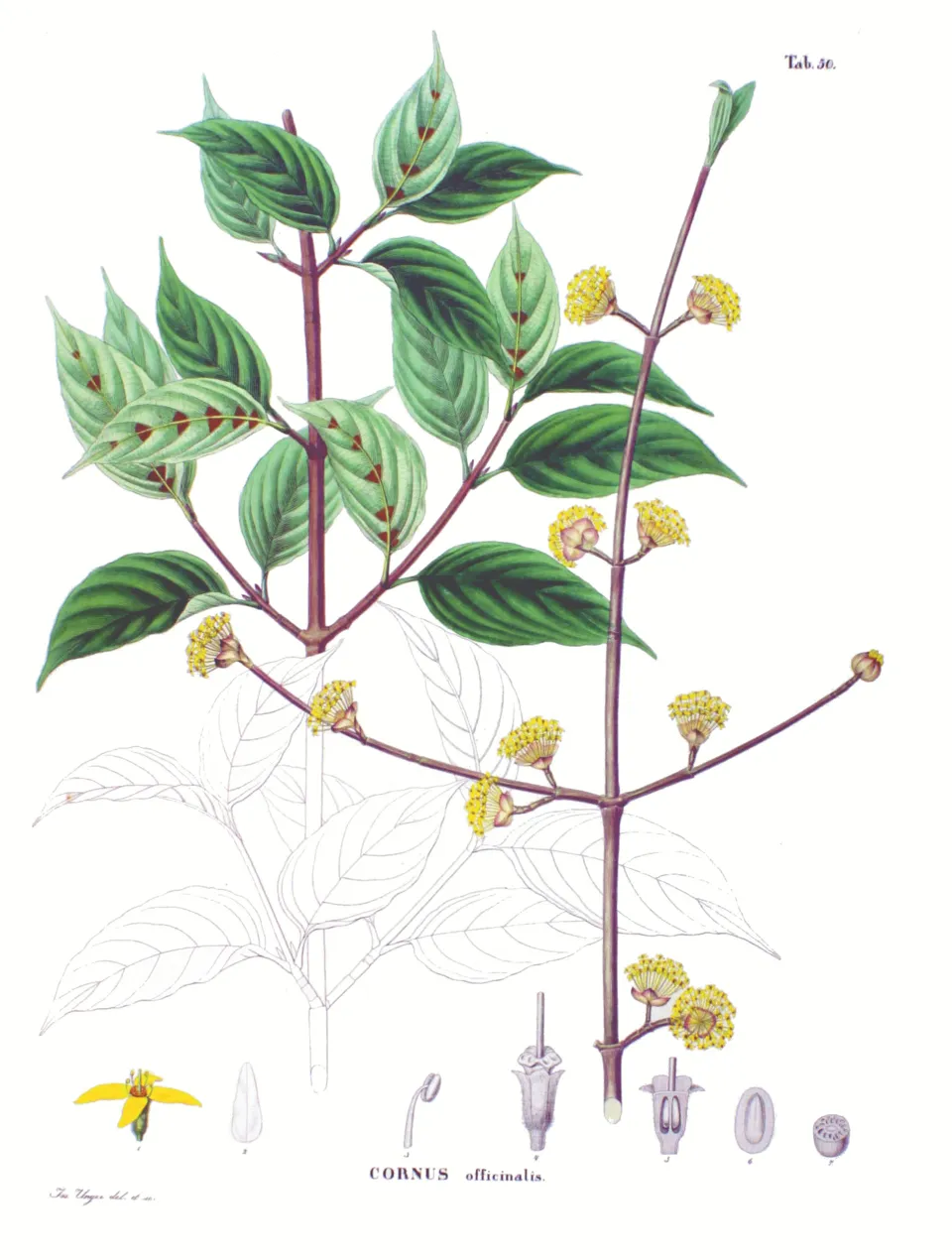
Shan Zhu Yu, scientifically recognized as Cornus officinalis, is a captivating deciduous shrub or small tree native to the diverse landscapes of China, Korea, and Japan. This botanical member of the Cornaceae family typically attains a stature of 3 to 8 meters. Its foliage consists of elegant elliptical to ovate leaves, spanning 5 to 12 cm in length, presenting a vibrant dark green on their upper surface and a subtly lighter hue beneath, creating an attractive visual contrast.
In late spring, usually from May to June, the plant adorns itself with clusters of small, delicate yellowish-white flowers. The bark of Cornus officinalis starts smooth and greyish-brown, gradually developing a scaly texture as it ages. The most notable feature, however, are the small, round drupes that emerge, ripening to a rich deep red or dark purple in late summer to early autumn.
Each fruit encases a single seed and is not only edible but has also been a traditional ingredient in various East Asian cuisines. This resilient species thrives in the understory of forests and thickets, typically found at altitudes ranging from 500 to 1,500 meters, showcasing its adaptability to diverse environmental conditions. Taxonomically, it belongs to the genus Cornus, a widely recognized group commonly known as dogwoods, encompassing approximately 30 distinct species.
Trusted Scientific References
1. Authoritative external sources for Cornus officinalis
1.1 Wikipedia — Cornus officinalis
1.2 Kew POWO (Plants of the World Online)
1.3 PubMed — peer-reviewed research
1.4 NCBI Taxonomy Browser
1.5 GBIF — Global Biodiversity
1.6Shan Zhu Yu should be interpreted through verified botanical identity, practical care, and responsible safety language. This recovery note adds the missing context needed for a complete profile: match light to the plant's habit, use well-drained soil, water according to season, and avoid unsupported medicinal or edible claims. For publishing, the plant can be presented as a source-backed medicinal plant with clear care guidance, common problem diagnosis, and conservative safety wording.
1.1.Shan Zhu Yu — Distinguishing Points
- ✓Deciduous shrub or — Deciduous shrub or small tree native to East Asia.
- ✓Produces small, edible, — Produces small, edible, deep red drupes in autumn.
- ✓Key herb in — Key herb in Traditional Chinese Medicine (TCM).
- ✓Rich in bioactive — Rich in bioactive compounds like loganin and cornuside.
- ✓Demonstrated antidepressant potential — Demonstrated antidepressant potential through network pharmacology.
- ✓Possesses significant antioxidant and anti — inflammatory properties.
- ✓Traditionally used as — Traditionally used as a kidney and liver tonic.
- ✓Supports immune function — Supports immune function and digestive health.
- ✓Adaptable to forest — Adaptable to forest and thicket habitats at moderate altitudes.
- ✓Known for its — Known for its astringent qualities.
1.2.Shan Zhu Yu — At-a-Glance Summary
- ✓Shan Zhu Yu (Cornus officinalis) is a traditional Chinese medicinal fruit.
- ✓Renowned for kidney and liver tonic properties in TCM.
- ✓Modern research highlights its antidepressant potential, antioxidant, and anti-inflammatory effects.
- ✓Rich in iridoid glycosides, flavonoids, and phenolic acids.
- ✓Used for immune support, digestive health, and general wellness.
- ✓Requires careful consideration for dosage and potential drug interactions.
2.Shan Zhu Yu — Scientific Identity
3.Shan Zhu Yu — Key Data
4.Shan Zhu Yu — Botanical Description
5.Shan Zhu Yu — Native Range & Habitat
6.Shan Zhu Yu — Folk Medicine Applications
7.Shan Zhu Yu — Key Phytochemicals
- ✓Iridoid Glycosides — Key compounds include loganin, cornuside, and morroniside, which are largely responsible for the herb's anti-inflammatory, antioxidant, and immunomodulatory effects.
- ✓Flavonoids — Compounds such as quercetin, rutin, and kaempferol derivatives contribute significantly to the plant's antioxidant capacity and offer anti-inflammatory actions.
- ✓Phenolic Acids — Gallic acid, ellagic acid, and their derivatives are abundant, providing strong antioxidant and free-radical scavenging properties.
- ✓Tannins — These astringent compounds contribute to the traditional use of Shan Zhu Yu for controlling fluid loss and provide additional antioxidant benefits.
- ✓Triterpenoids — Ursolic acid and oleanolic acid are present, known for their anti-inflammatory, hepatoprotective, and potential anticancer activities.
- ✓Phytosterols — Beta-sitosterol, a prominent phytosterol, is recognized for its anti-inflammatory and cholesterol-lowlowering properties, as well as its potential antidepressant effects.
- ✓Organic Acids — Malic acid, tartaric acid, and citric acid are present, contributing to the fruit's characteristic taste and providing some antioxidant activity.
- ✓Saponins — These compounds have a range of biological activities, including immune-stimulating and anti-inflammatory effects.
- ✓Vitamins and Minerals — The fruit contains various vitamins (e.g., Vitamin C) and essential minerals, supporting general nutritional health.
- ✓Cardiotonic Steroids — Telocinobufagin, identified in network pharmacology studies, suggests a potential role in specific receptor interactions related to neurological function.
8.Shan Zhu Yu — Evidence-Based Benefits
- ✓Mood Regulation and Depression Support — Emerging research, particularly network pharmacology studies, indicates Shan Zhu Yu may offer therapeutic potential for depression by influencing neuroactive ligand-receptor interactions and modulating apoptosis pathways.
- ✓Antioxidant Protection — The rich array of phytochemicals in Cornus officinalis, including flavonoids and phenolic acids, provides robust antioxidant activity, helping to neutralize free radicals and mitigate oxidative stress.
- ✓Anti-inflammatory Effects — Shan Zhu Yu exhibits significant anti-inflammatory properties, which can help alleviate systemic inflammation and support the body's natural healing processes.
- ✓Immune System Modulation — Traditionally valued for its ability to bolster vital energy, Cornus officinalis is thought to support and balance immune function, contributing to overall resilience.
- ✓Kidney Tonic (Traditional) — In Traditional Chinese Medicine (TCM), Shan Zhu Yu is a key herb used to tonify the kidney and astringe essence, addressing issues like frequent urination, lower back pain, and tinnitus.
- ✓Liver Support (Traditional) — It is also traditionally employed to nourish liver yin, which is believed to support healthy vision, reduce dizziness, and calm an overactive liver.
- ✓Cardiovascular Health Support — Some compounds within Shan Zhu Yu contribute to maintaining healthy blood vessel function and may play a role in cardiovascular wellness.
- ✓Blood Sugar Regulation — Traditional uses and some modern investigations suggest a potential role in supporting healthy blood glucose levels, though more research is needed.
- ✓Digestive Health — The plant's properties can aid in digestive harmony, helping to soothe gastrointestinal discomfort and promote efficient nutrient absorption.
- ✓Anti-aging Properties — Due to its potent antioxidant and anti-inflammatory actions, Shan Zhu Yu is believed to contribute to cellular health and may offer anti-aging benefits.
- ✓Astringent Qualities — The fruit's astringent nature is utilized traditionally to help control excessive sweating, diarrhea, and other conditions of fluid loss.
- ✓Bone Health — Preliminary studies suggest that certain compounds may have a beneficial impact on bone density and strength, contributing to skeletal health.
8.1.Shan Zhu Yu — Reported Uses
9.Shan Zhu Yu — Safety Considerations
9.1.Shan Zhu Yu — Side Effects & Warnings
- ✓Gastrointestinal Upset — Some individuals may experience mild digestive disturbances such as nausea, stomach discomfort, or diarrhea, particularly with high doses.
- ✓Allergic Reactions — Although rare, allergic responses like skin rashes, itching, or swelling may occur in sensitive individuals.
- ✓Diuretic Effect — Due to its traditional use for kidney support, it may have a mild diuretic action which could be noticeable.
- ✓Blood Sugar Fluctuations — Individuals with diabetes should monitor blood glucose levels closely, as Shan Zhu Yu might influence blood sugar.
- ✓Hypotension Risk — There is a theoretical potential for blood pressure lowering, especially in those already on antihypertensive medications.
- ✓Interaction with Medications — Potential interactions with certain pharmaceutical drugs, including anticoagulants or antidiabetic agents, warrant caution.
- ✓Unspecified Discomfort — In rare cases, individuals might report general malaise or discomfort not directly attributable to specific organ systems.
9.2.Shan Zhu Yu — Risk Assessment
- ✓Pregnancy and Lactation — Avoid use during pregnancy and breastfeeding due to insufficient safety data and the potential for uterine stimulant or hormonal effects.
- ✓Diabetes Management — Individuals with diabetes should use with caution and under medical supervision, as it may influence blood glucose levels.
- ✓Blood Pressure Medication — Exercise caution if taking medications for high blood pressure, as Shan Zhu Yu might theoretically augment their effects.
- ✓Anticoagulant Therapy — Avoid or use with extreme caution if on blood-thinning medications, given potential interactions with blood clotting.
- ✓Pre-existing Conditions — Individuals with chronic diseases, especially liver or kidney conditions, should consult a healthcare professional before use.
- ✓Dosage Adherence — Adhere strictly to recommended dosages; excessive intake may increase the risk of adverse effects.
- ✓Professional Consultation — Always consult a qualified healthcare provider or medical herbalist before incorporating Shan Zhu Yu into a therapeutic regimen.
10.Shan Zhu Yu — Preparations & Uses
- ✓Decoction Preparation — The dried fruits of Shan Zhu Yu are commonly simmered in water to create a traditional decoction, consumed as a medicinal tea, often combined with other herbs.
- ✓Tincture Extraction — A tincture can be prepared by macerating the dried fruits in an alcohol-water solution, allowing for concentrated and convenient dosing.
- ✓Powdered Form — Dried Shan Zhu Yu fruit can be ground into a fine powder, which can then be encapsulated or mixed into beverages or food.
- ✓Herbal Syrups — The fruits can be cooked down with sweeteners to create a medicinal syrup, particularly useful for children or those who prefer a palatable form.
- ✓Culinary Use — The fresh or dried fruits are incorporated into various East Asian cuisines, used in jams, jellies, fruit wines, and savory dishes.
- ✓External Application — In some traditional practices, preparations of Shan Zhu Yu may be used topically, though this is less common than internal use.
- ✓Modern Extracts and Capsules — Standardized extracts of Cornus officinalis are available in capsule or tablet form for precise dosing and convenience.
- ✓Herbal Formulas — Shan Zhu Yu is a cornerstone herb in many complex Traditional Chinese Medicine formulas, where its actions are synergized with other botanicals.
11.Shan Zhu Yu — How to Grow
- ✓Site Selection — Choose a location with full sun to partial shade, ideally where the plant receives at least 4-6 hours of direct sunlight daily.
- ✓Soil Requirements — Shan Zhu Yu thrives in well-drained, fertile soil with a slightly acidic to neutral pH (6.0-7.0); amend heavy clay soils with organic matter to improve drainage.
- ✓Watering — Provide regular watering, especially during dry periods and in the plant's establishment phase, ensuring the soil remains consistently moist but not waterlogged.
- ✓Propagation — Can be propagated from seeds, which require stratification, or more commonly from semi-hardwood cuttings taken in summer or by layering.
- ✓Fertilization — Apply a balanced, slow-release fertilizer in early spring to support vigorous growth, particularly for young plants.
- ✓Pruning — Minimal pruning is typically required, primarily to remove dead, damaged, or crossing branches and to maintain desired shape, best done in late winter or early spring.
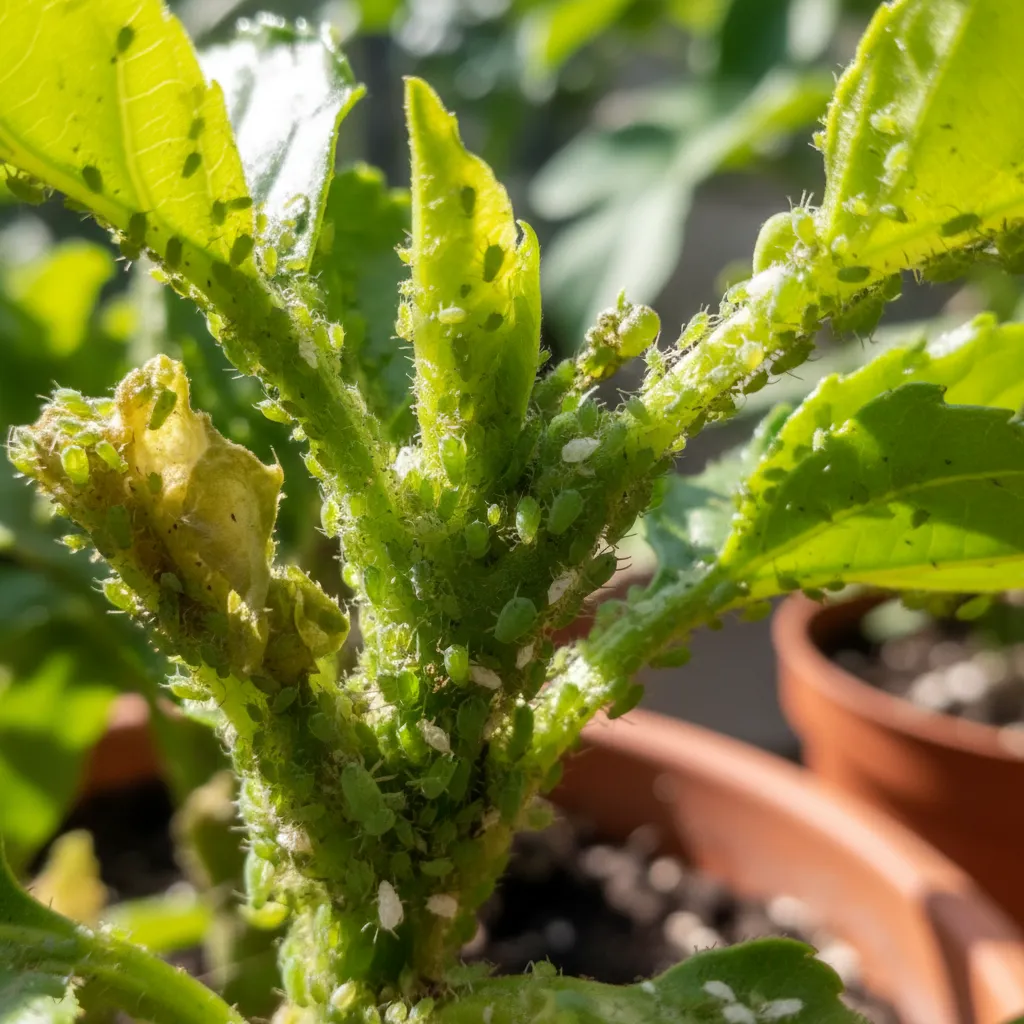
- ✓Pest and Disease Management — Generally resistant to most common pests and diseases, but monitor for occasional issues like powdery mildew or aphids, treating organically if necessary.
- ✓Climate and Hardiness — Best suited for USDA hardiness zones 5-8, tolerating a range of temperatures from temperate to subtropical climates.
Reviewed by the Flora Medical Global Botanical Review Panel
Multi-disciplinary editorial group · Botany · Ethnobotany · Herbal-medicine literature
Who reviewed this: This page was checked by the Flora Medical Global Botanical Review Panel — an in-house editorial group of botany graduates, ethnobotany researchers, and horticulture practitioners who collectively maintain our 7,000+ plant encyclopedia. Meet the team.
Our 4-step verification process
1. Taxonomic verification
Scientific names and synonyms cross-checked against Kew POWO, World Flora Online, and The Plant List.
2. Phytochemical & medicinal cross-reference
Active compounds, traditional uses, and reported activities are cross-referenced with PubMed, USDA Dr. Duke's database, and peer-reviewed ethnobotanical literature.
3. Conservation & distribution check
Distribution, ecology, and conservation status confirmed against GBIF occurrence records and the IUCN Red List.
4. Editorial & safety review
Every entry passes an editorial pass for clarity, originality, and safety notices (toxicity, contraindications, dosage caveats) before publication.
Last reviewed:
Important medical disclaimer: This content is for educational and research purposes only. It is not medical advice and is not a substitute for consultation with a licensed healthcare provider. Do not use any herb to self-treat a medical condition without professional guidance.
Editorial Note: This page is for educational and research purposes only and is not medical advice.
Written by: Flora Medical Global Editorial Team
Reviewed by: Flora Medical Global Botanical Review Panel
Last Updated: June 15, 2026




Shan Zhu Yu — Comments & Community Reviews
Rate this plant