

Medical Disclaimer: This content is for educational purposes only. It is not medical advice. Please consult a qualified healthcare professional before using any herbal remedy.
Safety Overview
1.Shasta Daisy — Botanical Snapshot
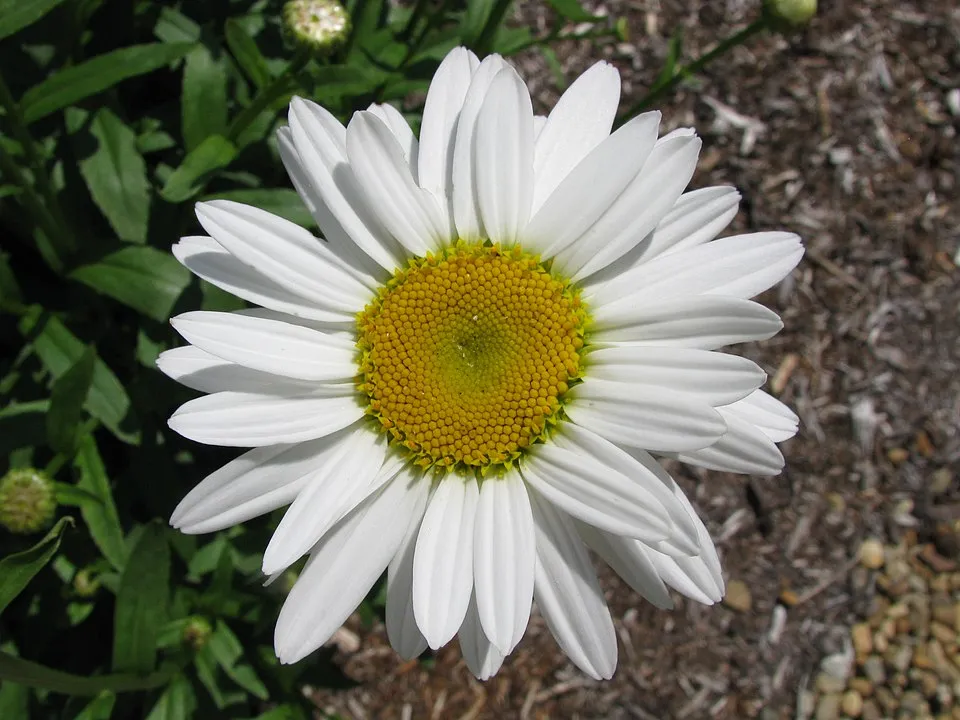
The Shasta Daisy, scientifically known as Leucanthemum x superbum, is a cherished herbaceous perennial celebrated for its iconic, radiant white petals encircling a bright golden-yellow center. This robust hybrid was meticulously developed by the renowned American horticulturist Luther Burbank in the late 19th century, integrating desirable traits from several daisy species to create a vigorous, long-blooming garden favorite. Typically growing to a height of 1 to 3 feet, Shasta Daisies feature dark green, slightly hairy leaves that are obovate to spoon-shaped, with upper leaves often shorter and sessile along the stem.
Its prolific blooms adorn gardens from early summer through the fall, making it a quintessential element in cottage gardens, borders, and as a cut flower in temperate regions globally. While often confused with its relatives like the Oxeye Daisy (Leucanthemum vulgare) or the English Daisy (Bellis perennis), the Shasta Daisy is distinctively taller with more uniformly toothed, whole leaves. It thrives in various conditions, embodying hardiness and ease of care, and is primarily cultivated for its exceptional ornamental value.
Trusted Scientific References
1. Authoritative external sources for Leucanthemum x superbum
1.1 Wikipedia — Leucanthemum x superbum
1.2 Kew POWO (Plants of the World Online)
1.3 PubMed — peer-reviewed research
1.4 NCBI Taxonomy Browser
1.5 GBIF — Global Biodiversity
1.6Shasta Daisy should be interpreted through verified botanical identity, practical care, and responsible safety language. This recovery note adds the missing context needed for a complete profile: match light to the plant's habit, use well-drained soil, water according to season, and avoid unsupported medicinal or edible claims. For publishing, the plant can be presented as a source-backed garden plant with clear care guidance, common problem diagnosis, and conservative safety wording.
1.7Shasta Daisy (Leucanthemum x superbum) is maintained in this recovery file as a complete garden profile with practical care, safety, and identification context. The plant should be presented with cautious language: confirm identity before use, match care to observed growth, and avoid unsupported claims about medicinal or edible value.
1.1.Shasta Daisy — Distinguishing Points
- ✓Botanical Name — Leucanthemum x superbum
- ✓Common Names — Shasta Daisy, Marguerite Daisy
- ✓Plant Family — Asteraceae (Daisy Family)
- ✓Origin — Hybrid developed by Luther Burbank in the late 19th century
- ✓Flower Type — Large, single white ray florets surrounding a bright yellow disc
- ✓Blooming Season — Prolific blooms from early summer through fall
- ✓Growth Habit — Hardy herbaceous perennial, typically 1 to 3 feet tall
- ✓Medicinal Potential — Traditional uses for skin healing, digestive aid, and respiratory comfort (derived from related species)
- ✓Edibility — Young leaves, roots, and flowers are considered edible, though older parts are more bitter
- ✓Key Compounds — Rich in flavonoids, phenolic acids, and contains sesquiterpene lactones
1.2.Shasta Daisy — In Brief
- ✓Shasta Daisy (Leucanthemum x superbum) is a popular ornamental herbaceous perennial.
- ✓A hybrid developed by Luther Burbank, known for its classic white flowers and hardiness.
- ✓Contains flavonoids, sesquiterpene lactones, and phenolic acids, typical of the Asteraceae family.
- ✓Traditionally associated with vulnerary, anti-inflammatory, and digestive support based on related daisy species.
- ✓Young leaves, roots, and flowers are edible, used in culinary applications and topical remedies.
- ✓Generally considered safe for ornamental use, but potential for contact dermatitis and Asteraceae family allergies.
2.Shasta Daisy — Scientific Identity
3.Shasta Daisy — Vital Statistics
4.Shasta Daisy — Physical Description
5.Shasta Daisy — Origin & Spread
6.Shasta Daisy — Heritage Uses
7.Shasta Daisy — Key Phytochemicals
- ✓Flavonoids — Key compounds such as apigenin and luteolin derivatives contribute to antioxidant and anti-inflammatory activities, protecting cellular integrity.
- ✓Sesquiterpene Lactones — These compounds can impart a bitter taste and may have anti-inflammatory potential, but are also known for causing contact dermatitis in sensitive individuals.
- ✓Phenolic Acids — Including chlorogenic and caffeic acids, these are potent antioxidants that scavenge free radicals and contribute to the plant's protective mechanisms.
- ✓Terpenoids — A diverse group of organic compounds, some acting as essential oil components, potentially offering antimicrobial or aromatic properties.
- ✓Polyacetylenes — Bioactive compounds characteristic of the Asteraceae family, with some studies indicating potential antimicrobial or cytotoxic effects in related species.
- ✓Tannins — Astringent polyphenols that contribute to the plant's ability to tighten tissues, useful in traditional wound care and as an antiseptic.
- ✓Saponins — Natural glycosides that can have expectorant, anti-inflammatory, or foaming properties, sometimes used in traditional remedies.
- ✓Mucilage — Water-soluble polysaccharides that provide soothing and demulcent effects, beneficial for irritated mucous membranes in the digestive or respiratory tracts.
- ✓Essential Oils — Volatile aromatic compounds, such as chrysanthenone or verbenone (found in related daisies), contributing to scent and potential antimicrobial actions.
- ✓Anthocyanins — Pigments that act as antioxidants, contributing to the plant's color and offering cellular protection.
- ✓Vitamins and Minerals — Contains essential nutrients like Vitamin C, Calcium, and Iron, offering general nutritional support when consumed.
- ✓Polysaccharides — Complex carbohydrates that can possess immunomodulatory effects, supporting the body's natural defense systems.
8.Shasta Daisy — Scientific Evidence
- ✓Anti-inflammatory Support — Compounds like flavonoids and phenolic acids, common in the Asteraceae family, may contribute to reducing inflammation, though specific research on Shasta Daisy is limited.
- ✓Antiseptic Properties — Traditionally, related daisy species have been used topically to cleanse minor wounds and prevent infection due to their natural compounds.
- ✓Vulnerary Action — Extracts from daisies like Bellis perennis have been historically applied to promote the healing of cuts, bruises, sprains, and minor skin lesions.
- ✓Digestive Aid — Some traditional uses of related daisies suggest a mild benefit for digestive discomfort, such as aiding with constipation or soothing mild stomach upset.
- ✓Respiratory Comfort — Historically, infusions from similar daisy species were used to alleviate symptoms of coughs, colds, and mild bronchitis, offering expectorant qualities.
- ✓Skin Health Promotion — Daisy extracts are often found in skin products for their potential to aid in healing minor skin irritations, reducing redness, and supporting overall skin vitality.
- ✓Mild Diuretic Effect — Certain constituents in related daisies may possess mild diuretic properties, traditionally assisting in fluid balance and urinary health.
- ✓Nervine Qualities — In some traditional systems, daisies have been employed for their calming effects, potentially helping to soothe nervous agitation and mild anxiety.
- ✓Emmenagogue Action — Related species have historically been used to support and regulate menstrual flow, particularly in cases of heavy menses or postpartum bleeding.
- ✓Astringent Effect — The presence of tannins contributes to an astringent action, which can help tighten tissues and reduce secretions, beneficial for wounds or mucous membranes.
- ✓Tonic Properties — Similar to other mild Asteraceae flowers like chamomile, some daisies are considered gentle tonics, supporting general well-being.
- ✓Antioxidant Activity — Flavonoids and phenolic acids found in the plant contribute to antioxidant defense, helping to protect cells from oxidative damage.
8.1.Shasta Daisy — Health Applications
9.Shasta Daisy — Safety Considerations
9.1.Shasta Daisy — Warnings
- ✓Allergic Contact Dermatitis — Direct skin contact with Shasta Daisy, particularly due to sesquiterpene lactones, can cause skin irritation, redness, itching, or a rash in sensitive individuals.
- ✓Gastrointestinal Upset — Ingesting large quantities, especially of older, more astringent plant parts, may lead to mild digestive discomfort, stomach upset, or nausea.
- ✓Systemic Allergic Reactions — Individuals with known allergies to other plants in the Asteraceae family (e.g., ragweed, chamomile, marigolds) may experience systemic allergic reactions upon ingestion or extensive contact.
- ✓Bitter Taste and Irritation — Older plant material becomes increasingly bitter and astringent, which can be unpalatable and potentially cause mild irritation to oral or digestive mucous membranes.
- ✓Photosensitivity — While uncommon, some Asteraceae members can cause increased skin sensitivity to sunlight (photodermatitis) in susceptible individuals after internal consumption.
- ✓Off-Flavor in Milk — If consumed by lactating animals, Shasta Daisy may impart an undesirable or 'off' taste to their milk, though direct human data on this effect is limited.
9.2.Shasta Daisy — Safety Profile
- ✓Consult Healthcare Professional — Always advise consulting a doctor, pharmacist, or qualified herbalist before using Shasta Daisy for any medicinal purpose, especially if pregnant, breastfeeding, or on existing medications.
- ✓Patch Test for Skin Sensitivity — Before applying any topical preparation of Shasta Daisy, perform a small patch test on a discreet area of skin to check for allergic reactions or irritation.
- ✓Avoid During Pregnancy and Lactation — Due to the limited specific research on Leucanthemum x superbum's effects during pregnancy and breastfeeding, caution is advised and use should generally be avoided.
- ✓Allergy to Asteraceae Family — Individuals with known allergies to other plants in the Asteraceae family should exercise extreme caution or completely avoid contact and ingestion of Shasta Daisy.
- ✓Not for Self-Medication — Shasta Daisy should not be considered a substitute for scientifically proven medical treatments for serious health conditions; its primary value remains ornamental and traditional.
- ✓Dosage and Preparation — Adhere strictly to recommended dosages and preparation methods for any herbal use, as excessive intake may increase the risk of adverse effects.
- ✓Correct Plant Identification — Ensure accurate identification of Leucanthemum x superbum to avoid confusion with potentially toxic look-alikes or other species with different properties.
10.Shasta Daisy — Preparations & Uses
- ✓Culinary Use — Young leaves, roots, and flower buds of the Shasta Daisy are edible and can be incorporated raw into salads, stir-fries, or soups, offering a slightly bitter and astringent flavor.
- ✓Herbal Infusion (Tea) — An infusion prepared from dried Shasta Daisy flowers and leaves can be consumed, traditionally used to support respiratory comfort or aid digestion, based on related species.
- ✓Topical Poultice — Freshly crushed Shasta Daisy leaves or flowers can be applied directly as a poultice to minor cuts, bruises, or sprains to help soothe inflammation and support healing.
- ✓Tincture Preparation — A tincture, made by steeping plant parts in high-proof alcohol, can be prepared and used internally (diluted) for systemic support or externally for skin conditions.
- ✓Decoction for Skin Washes — A decoction made from the roots or the whole herb can be used as a cleansing wash for skin irritations, eczema, or fungal infections, leveraging its antiseptic qualities.
- ✓Infused Oil — Shasta Daisy flowers can be infused in a carrier oil (like olive or almond oil) to create a soothing topical application for muscle spasms, joint aches, or general skin nourishment.
- ✓Flower Essence — A flower essence can be prepared from fresh blooms, traditionally used in holistic practices to promote mental clarity, emotional balance, and alleviate confusion.
- ✓Vinegar Marinade — The unopened flower heads can be marinated in vinegar to create a unique, tangy condiment that serves as an interesting substitute for capers in culinary dishes.
11.Shasta Daisy — How to Grow
- ✓Site Selection — Choose a location with full sun exposure, ensuring the plant receives at least six hours of direct sunlight daily for optimal flowering and robust growth.
- ✓Soil Preparation — Plant in well-drained soil; while tolerant of various soil types, a moderately fertile loam with a neutral to slightly acidic pH is ideal for best performance.
- ✓Planting and Spacing — Space individual Shasta Daisy plants 1 to 2 feet apart to provide adequate air circulation and room for their mature spread, preventing overcrowding.
- ✓Watering Regimen — Water consistently after planting until the roots are well-established; mature plants are relatively drought-tolerant but benefit from deep watering during prolonged dry periods.
- ✓Fertilization — Apply a balanced, slow-release granular fertilizer in early spring to encourage vigorous foliage and abundant flower production throughout the growing season.
- ✓Deadheading and Pruning — Regularly deadhead spent blooms to promote continuous flowering and prevent self-seeding; cut back foliage in late fall to about 2-3 inches above ground level to prepare for winter.
- ✓Pest and Disease Management — Shasta Daisies are generally robust, but monitor for common garden pests like aphids or signs of fungal diseases, addressing any issues promptly with appropriate organic treatments.
- ✓Winter Care — In colder climates (USDA zones 4-5), apply a protective layer of mulch around the base of the plant in late fall to insulate the roots from harsh freezing temperatures.
Reviewed by the Flora Medical Global Botanical Review Panel
Multi-disciplinary editorial group · Botany · Ethnobotany · Herbal-medicine literature
Who reviewed this: This page was checked by the Flora Medical Global Botanical Review Panel — an in-house editorial group of botany graduates, ethnobotany researchers, and horticulture practitioners who collectively maintain our 7,000+ plant encyclopedia. Meet the team.
Our 4-step verification process
1. Taxonomic verification
Scientific names and synonyms cross-checked against Kew POWO, World Flora Online, and The Plant List.
2. Phytochemical & medicinal cross-reference
Active compounds, traditional uses, and reported activities are cross-referenced with PubMed, USDA Dr. Duke's database, and peer-reviewed ethnobotanical literature.
3. Conservation & distribution check
Distribution, ecology, and conservation status confirmed against GBIF occurrence records and the IUCN Red List.
4. Editorial & safety review
Every entry passes an editorial pass for clarity, originality, and safety notices (toxicity, contraindications, dosage caveats) before publication.
Last reviewed:
Important medical disclaimer: This content is for educational and research purposes only. It is not medical advice and is not a substitute for consultation with a licensed healthcare provider. Do not use any herb to self-treat a medical condition without professional guidance.
Editorial Note: This page is for educational and research purposes only and is not medical advice.
Written by: Flora Medical Global Editorial Team
Reviewed by: Flora Medical Global Botanical Review Panel
Last Updated: June 15, 2026





Shasta Daisy — Comments & Community Reviews
Rate this plant