
Medical Disclaimer: This content is for educational purposes only. It is not medical advice. Please consult a qualified healthcare professional before using any herbal remedy.
Safety Overview
1.Shatapushpa — Introduction & Highlights
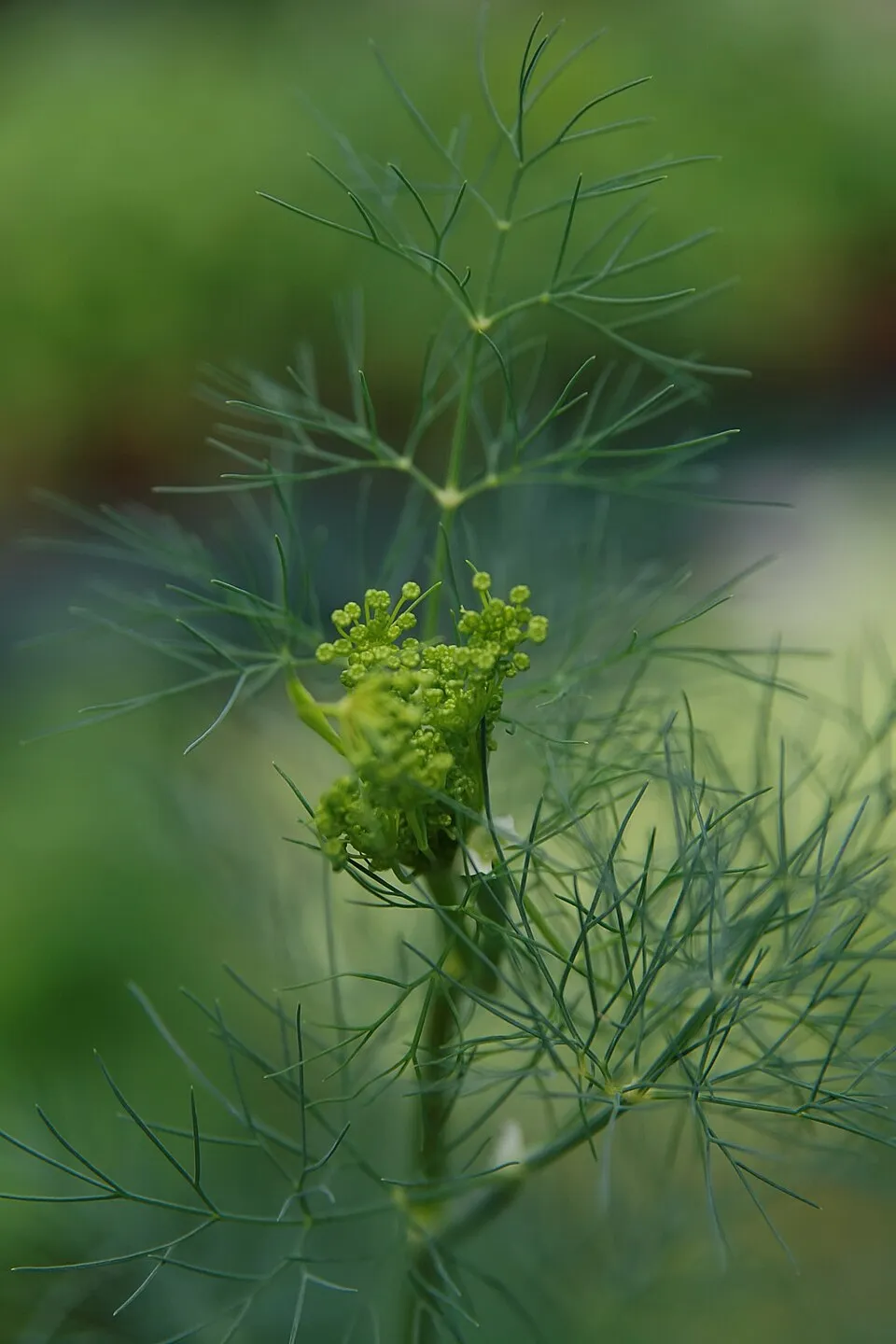
Anethum sowa, universally known as Shatapushpa or Indian dill, is a graceful herbaceous annual belonging to the Apiaceae family, capable of reaching heights of up to 90 cm. Its distinctive morphology includes finely divided, feathery, dark green leaves that can extend up to 15 cm in length and 5 cm in width, typically arranged alternately along its robust, hollow, and slightly ridged stem, which often displays a green to purplish hue.
The plant's small, yellow flowers, each measuring approximately 2-4 mm in diameter, are clustered into large, flat umbels, with each umbel comprising 15-20 individual florets. Flowering typically occurs around mid-summer, contributing to its ornamental and aromatic appeal.
Native to the sun-drenched Mediterranean region, Anethum sowa has found a second home across India, where it is extensively cultivated, particularly thriving in cooler areas and higher altitudes. It demonstrates a preference for well-drained, fertile soils, making it a common sight in cultivated gardens, agricultural fields, and as roadside flora. Taxonomically, Shatapushpa shares close kinship with other esteemed umbelliferous herbs such as coriander and cumin, a relationship that sometimes leads to confusion among less experienced botanical enthusiasts due to similar aromatic qualities and growth habits.
This species flourishes optimally in a warm temperate climate, demanding full sunlight exposure for robust growth and potent essential oil production. Historically, Shatapushpa holds significant recognition in Ayurvedic medicine, primarily valued for its beneficial properties in promoting lactation and aiding digestion, attributes largely ascribed to its rich composition of essential oils and various flavonoids.
Trusted Scientific References
1. Authoritative external sources for Anethum sowa
1.1 Wikipedia — Anethum sowa
1.2 Kew POWO (Plants of the World Online)
1.3 PubMed — peer-reviewed research
1.4 NCBI Taxonomy Browser
1.5 GBIF — Global Biodiversity
1.6Shatapushpa should be interpreted through verified botanical identity, practical care, and responsible safety language. This recovery note adds the missing context needed for a complete profile: match light to the plant's habit, use well-drained soil, water according to season, and avoid unsupported medicinal or edible claims. For publishing, the plant can be presented as a source-backed medicinal plant with clear care guidance, common problem diagnosis, and conservative safety wording.
1.1.Shatapushpa — Defining Traits
- ✓Botanical Name — Anethum sowa.
- ✓Common Names — Shatapushpa, Indian Dill, Dill Plant.
- ✓Family — Apiaceae (Umbelliferae).
- ✓Primary Traditional System — Ayurveda.
- ✓Key Bioactive Compound — Carvone.
- ✓Main Actions — Carminative, Galactagogue, Anti-inflammatory, Digestive Stimulant.
- ✓Plant Part Used — Seeds, leaves, whole plant.
- ✓Habitat — Native to the Mediterranean, widely cultivated in India.
- ✓Climate Preference — Warm temperate, full sun.
- ✓Ayurvedic Dosha Effect — Balances Vata and Kapha, increases Pitta.
1.2.Shatapushpa — At-a-Glance Summary
- ✓Anethum sowa, or Shatapushpa, is a versatile annual herb of the Apiaceae family, prized for its aromatic and medicinal qualities.
- ✓Revered in Ayurveda for its potent carminative, digestive, and galactagogue properties, balancing Vata and Kapha.
- ✓Its therapeutic effects are attributed to key essential oils like carvone and beneficial flavonoids.
- ✓Traditionally used for a wide range of ailments including indigestion, menstrual irregularities, joint pain, and respiratory issues.
- ✓Requires a warm temperate climate, full sunlight, and well-drained soil for optimal growth and potency.
- ✓Generally safe in culinary amounts, but caution is advised for individuals with high Pitta conditions or during menstruation.
2.Shatapushpa — Scientific Profile
3.Shatapushpa — Botanical Stats
4.Shatapushpa — Morphological Account
5.Shatapushpa — Where It Grows
6.Shatapushpa — Historical Applications
7.Shatapushpa — Active Compounds
- ✓Essential Oils — Primarily composed of carvone (often 40-60%), D-limonene, alpha-phellandrene, anethole, and myristicin, which are responsible for its distinct aroma, carminative, antimicrobial, and anti-inflammatory effects.
- ✓Flavonoids — Key compounds include quercetin, kaempferol, and isorhamnetin, providing significant antioxidant, anti-inflammatory, and cellular protective activities.
- ✓Coumarins — Contains umbelliferone and scopoletin, which contribute to its potential anticoagulant, anti-inflammatory, and photoprotective properties.
- ✓Phenolic Acids — Rich in caffeic acid, chlorogenic acid, and ferulic acid, these compounds bolster its antioxidant capacity and contribute to anti-inflammatory actions.
- ✓Terpenoids — Beyond the main essential oil components, various monoterpenes and sesquiterpenes are present, contributing to a spectrum of biological activities.
- ✓Fatty Acids — The seeds are a source of beneficial fatty acids such as linoleic acid and oleic acid, important for nutritional value and cellular health.
- ✓Alkaloids — Present in minor quantities, these nitrogen-containing compounds may contribute to specific pharmacological effects, though less prominently than other classes.
- ✓Sterols — Beta-sitosterol is found, known for its anti-inflammatory and potential cholesterol-lowering effects.
- ✓Vitamins — Contains vitamins such as C, A, and B-complex vitamins, adding to its overall nutritional profile and supporting various metabolic functions.
- ✓Minerals — Essential micronutrients like calcium, iron, magnesium, and potassium are present, vital for maintaining physiological balance and health.
8.Shatapushpa — Modern Studies
- ✓Digestive Aid — Shatapushpa acts as a potent carminative and digestive stimulant, effectively relieving symptoms of bloating, gaseous distension, acid belching, and general abdominal discomfort by promoting healthy gut motility.
- ✓Anti-parasitic/Vermifuge — The seeds are traditionally utilized to combat intestinal worm infestations in children, alleviating associated abdominal pain and anal itching.
- ✓Menstrual Regulation — When combined with jaggery, dill seed powder is used to address irregular menstruation and mitigate pre-menstrual headaches, helping to balance the menstrual cycle.
- ✓Analgesic and Anti-inflammatory — Topical application of a warm paste made from the fresh plant, or dill oil mixed with sesame oil, provides significant relief from joint pain, swelling, and symptoms of osteoarthritis.
- ✓Respiratory Support — Chewing dill seeds with sugar candy offers a soothing effect on the respiratory tract, helping to subside coughs, colds, and sore throats.
- ✓Galactagogue — Shatapushpa is highly valued in traditional medicine for its ability to enhance breast milk secretion in lactating mothers, making it a natural choice for supporting maternal health.
- ✓Aphrodisiac Properties — In Ayurvedic texts, the herb is noted for its Vrushya quality, indicating its traditional use as a natural aphrodisiac.
- ✓Appetite Stimulant — Known as 'Misi' in Sanskrit, it stimulates appetite and improves the taste perception, making food more palatable and promoting healthy eating habits.
- ✓Vata and Kapha Balancer — Its hot potency (Ushna Veerya) and pungent taste (Katu Rasa) effectively balance Vata and Kapha doshas, making it beneficial for conditions arising from their imbalance.
- ✓Wound Healing — Shatapushpa is applied to non-healing wounds (Vrana) in traditional practices, supporting the healing process and preventing infection.
- ✓Enema Therapy Adjunct — As a crucial ingredient in Ayurvedic Basti karma (enema therapy), its paste aids in the absorption of medicinal compounds and helps in balancing Vata.
8.1.Shatapushpa — Therapeutic Indications
9.Shatapushpa — Risk Profile
9.1.Shatapushpa — Reported Side Effects
- ✓Increased Pitta — Over-consumption or high doses may aggravate Pitta dosha, potentially leading to symptoms like burning sensation or increased body heat.
- ✓Gastritis Exacerbation — Not recommended for individuals suffering from gastritis or other conditions characterized by high Pitta, as it may worsen symptoms.
- ✓Menstrual Period Caution — It is generally advised to avoid medicinal doses during active menstrual periods due to its potential influence on uterine activity.
- ✓Allergic Reactions — Sensitive individuals may experience allergic responses such as skin irritation, dermatitis, or oral allergy syndrome, though these are uncommon.
- ✓Photosensitivity — High internal use of dill may rarely induce photosensitivity, increasing skin sensitivity to sunlight.
- ✓Blood Sugar Regulation — May have a mild hypoglycemic effect, requiring caution and monitoring for individuals with diabetes on medication.
- ✓Drug Interactions — Due to its coumarin content, high medicinal doses might theoretically interact with anticoagulant medications, though typical culinary use is considered safe.
9.2.Shatapushpa — Clinical Safety Notes
- ✓General Consumption — Shatapushpa (Anethum sowa) is widely considered safe for consumption in culinary quantities and as a traditional herbal remedy.
- ✓Pregnancy and Lactation — While traditionally used as a galactagogue, pregnant or breastfeeding individuals should consult a healthcare professional before medicinal use.
- ✓Children — It is generally safe for children in small, age-appropriate doses for digestive complaints and worm infestations, preferably under medical supervision.
- ✓Pre-existing Conditions — Individuals with bleeding disorders, diabetes, or those scheduled for surgery should use with caution due to potential interactions.
- ✓Allergic Individuals — Persons with known allergies to plants in the Apiaceae family (e.g., carrots, celery, parsley) should exercise caution or avoid use.
- ✓Topical Application — A patch test is recommended prior to extensive topical application to assess for any skin sensitivity or allergic reactions.
- ✓Dosage Adherence — Adhere strictly to recommended dosages for therapeutic preparations to prevent potential adverse effects and ensure efficacy.
10.Shatapushpa — Preparation & Dosage
- ✓Herbal Tea/Infusion — Steep 10 grams of dill seeds in one cup of hot water for 30 minutes to create a potent infusion effective for relieving bloating, belching, and general digestive discomfort.
- ✓Powdered Seeds (Choorna) — Mix 2-3 grams of fine dill seed powder with a pinch of salt and warm water or buttermilk to address abdominal pain and worm infestation, especially in children.
- ✓Topical Paste — Grind fresh whole Shatapushpa plant parts into a fine paste, warm it slightly, and apply externally over inflamed or painful joints to reduce swelling and alleviate pain.
- ✓Medicated Oil — Prepare a blend of dill oil with sesame oil for external massage on joints, providing significant relief for conditions like osteoarthritis and general joint pain.
- ✓Oral Bolus for Menstruation — Combine equal quantities of dill seed powder and jaggery, pounding them into a 2-5 gram bolus, taken nightly a week before the expected menstrual date to regulate cycles.
- ✓Chewing Aid for Respiratory Issues — Chew 3 grams of dill seeds with sugar candy for 3-5 minutes, repeating several times a day, to soothe cough, cold, and sore throat symptoms.
- ✓Culinary Spice — Incorporate fresh dill leaves or dried seeds into various culinary dishes not only for their distinctive flavor but also for their inherent digestive benefits.
- ✓Ayurvedic Enema (Basti) Ingredient — Shatapushpa kalka (dill seed paste) is a vital component in many Ayurvedic enema therapies, aiding Vata balance and systemic absorption of medicinal compounds.
11.Shatapushpa — Growing Guide
- ✓Climate Preference — Shatapushpa thrives in warm temperate climates and requires abundant sunshine for optimal growth and high essential oil yield; even partial shade can significantly reduce its potency.
- ✓Soil Requirements — It prefers well-drained, fertile loamy soils rich in organic matter, with a slightly acidic to neutral pH range.
- ✓Sowing — Seeds are typically sown directly into the soil in early spring after the last frost, or in autumn in regions with mild winters, at a depth of about 1 cm.
- ✓Watering — Consistent moisture is crucial, especially during germination and the initial growth stages, but care must be taken to avoid waterlogging, which can lead to root rot.
- ✓Spacing — Plant seeds or thin seedlings to a spacing of 15-20 cm apart within rows, allowing adequate air circulation and space for root development.
- ✓Fertilization — Benefits from the application of well-rotted compost or a balanced organic fertilizer, particularly during the vegetative growth phase to support lush foliage.
- ✓Pest and Disease Management — Generally resilient, but watch for common garden pests like aphids and diseases such as powdery mildew; good air circulation and crop rotation help prevent issues.
- ✓Harvesting — Leaves can be harvested continuously as needed, while seeds are collected when they mature and turn brown, typically in late summer to early autumn.
Reviewed by the Flora Medical Global Botanical Review Panel
Multi-disciplinary editorial group · Botany · Ethnobotany · Herbal-medicine literature
Who reviewed this: This page was checked by the Flora Medical Global Botanical Review Panel — an in-house editorial group of botany graduates, ethnobotany researchers, and horticulture practitioners who collectively maintain our 7,000+ plant encyclopedia. Meet the team.
Our 4-step verification process
1. Taxonomic verification
Scientific names and synonyms cross-checked against Kew POWO, World Flora Online, and The Plant List.
2. Phytochemical & medicinal cross-reference
Active compounds, traditional uses, and reported activities are cross-referenced with PubMed, USDA Dr. Duke's database, and peer-reviewed ethnobotanical literature.
3. Conservation & distribution check
Distribution, ecology, and conservation status confirmed against GBIF occurrence records and the IUCN Red List.
4. Editorial & safety review
Every entry passes an editorial pass for clarity, originality, and safety notices (toxicity, contraindications, dosage caveats) before publication.
Last reviewed:
Important medical disclaimer: This content is for educational and research purposes only. It is not medical advice and is not a substitute for consultation with a licensed healthcare provider. Do not use any herb to self-treat a medical condition without professional guidance.
Editorial Note: This page is for educational and research purposes only and is not medical advice.
Written by: Flora Medical Global Editorial Team
Reviewed by: Flora Medical Global Botanical Review Panel
Last Updated: June 15, 2026





Shatapushpa — Comments & Community Reviews
Rate this plant