
Medical Disclaimer: This content is for educational purposes only. It is not medical advice. Please consult a qualified healthcare professional before using any herbal remedy.
Safety Overview
1.Shea Tree — Introduction & Highlights
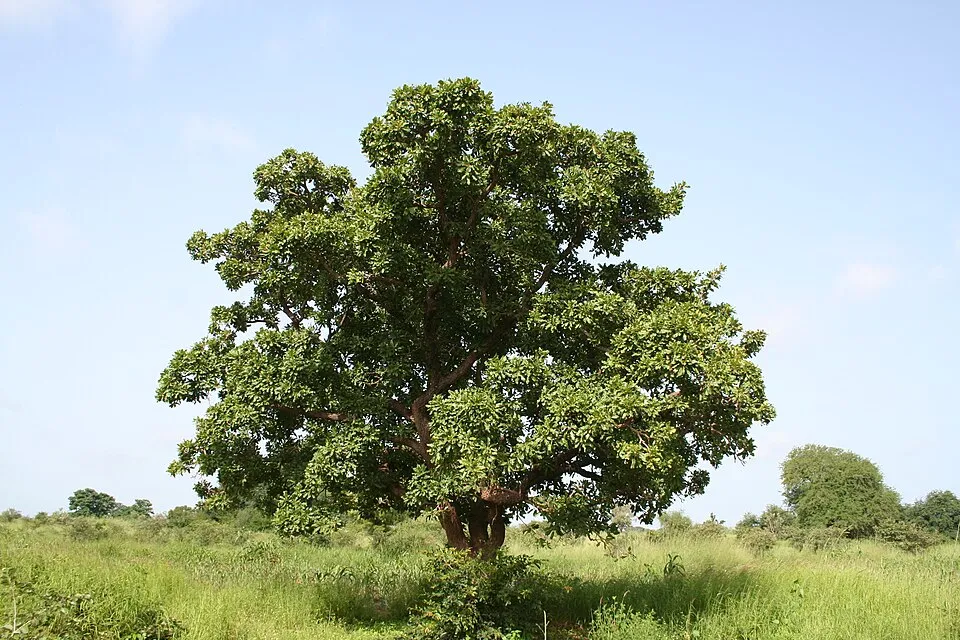
The Shea Tree, scientifically known as Vitellaria paradoxa, is a majestic deciduous tree native to the vast savannah zones of West and Central Africa. Typically reaching impressive heights of 15-25 meters, it develops a wide, often irregular crown that provides substantial shade, crucial in its arid environment. Its leaves are alternate, oblong to elliptical, measuring 10-25 cm in length, characterized by a leathery texture and a glossy dark green surface that contributes to the tree's lush appearance.
Flowering occurs between March and May, when the tree produces small, creamy white to pale yellow flowers arranged in dense clusters. The bark is distinctively greyish-brown, often quite rough, displaying prominent cracks and ridges that add to its rustic allure. The fruit of the Shea Tree is a drupe, about 3-5 cm long, containing a sweet, edible pulp surrounding a hard stone, which in turn encloses the highly prized shea nut.
This species thrives in well-drained soils with a moderate pH, flourishing in countries like Burkina Faso, Ghana, Mali, and Nigeria. Taxonomically, Vitellaria paradoxa belongs to the Sapotaceae family, a diverse group primarily found in tropical regions, and is particularly unique for its naturally oil-rich nuts, which are the source of shea butter, a substance integral to traditional medicine and modern commerce.
Trusted Scientific References
1. Authoritative external sources for Vitellaria paradoxa
1.1 Wikipedia — Vitellaria paradoxa
1.2 Kew POWO (Plants of the World Online)
1.3 PubMed — peer-reviewed research
1.4 NCBI Taxonomy Browser
1.5 GBIF — Global Biodiversity
1.6Shea Tree should be interpreted through verified botanical identity, practical care, and responsible safety language. This recovery note adds the missing context needed for a complete profile: match light to the plant's habit, use well-drained soil, water according to season, and avoid unsupported medicinal or edible claims. For publishing, the plant can be presented as a source-backed medicinal plant with clear care guidance, common problem diagnosis, and conservative safety wording.
1.1.Shea Tree — Standout Qualities
- ✓Multipurpose Medicinal Plant — Utilized for a wide range of health and cosmetic applications.
- ✓Rich in Bioactive Compounds — Contains potent triterpenes, flavonoids, and essential fatty acids.
- ✓Exceptional Skin Emollient — Deeply moisturizes, protects, and regenerates skin.
- ✓Potent Anti — inflammatory Properties — Helps reduce swelling and pain.
- ✓Powerful Antioxidant — Protects cells from oxidative stress and free radical damage.
- ✓Traditional African Heritage — Deeply embedded in the cultural and medicinal practices of West Africa.
- ✓Sustainable Resource — Supports local economies and biodiversity in its native range.
- ✓Natural UV Protection — Offers mild, natural sun protection due to its cinnamic acid esters.
- ✓Non — comedogenic — Generally does not clog pores, suitable for various skin types.
- ✓Versatile Application — Used in butter, oils, extracts, and traditional remedies.
1.2.Shea Tree — Concise Overview
- ✓Origin — Native to the savannahs of West and Central Africa, thriving in challenging environments.
- ✓Primary Product — Renowned globally for its nourishing shea butter derived from the nuts.
- ✓Key Compounds — Rich in triterpenes, flavonoids, fatty acids, and tocopherols.
- ✓Traditional Uses — Valued in African Traditional Medicine for skin care, pain relief, and digestive health.
- ✓Modern Applications — Widely used in cosmetics, food, and pharmaceuticals for its therapeutic properties.
- ✓Sustainability — A vital economic and ecological resource for local communities.
2.Shea Tree — Taxonomic Classification
3.Shea Tree — Reference Facts
4.Shea Tree — Morphological Account
5.Shea Tree — Geographic Distribution
6.Shea Tree — Historical Applications
7.Shea Tree — Secondary Metabolites
- ✓Triterpene Acids and Glycosides — The Shea Tree is notably rich in oleanane-type triterpene acids and their glycosides, including paradoxosides A-E, tieghemelin A, parkiosides A-C, and bassic acid. These compounds are largely responsible for the plant’s significant anti-inflammatory, antinociceptive, and antiedematogenic activities.
- ✓Flavonoids — Key flavonoids such as quercetin and various catechin-type compounds are present, contributing to the plant's strong antioxidant capacity and providing protective effects against cellular damage and inflammation.
- ✓Fatty Acids — The shea nut is primarily composed of fatty acids, with stearic acid (typically 30-50%) and oleic acid (40-60%) being the most abundant. These lipids are crucial for shea butter's emollient, moisturizing, and skin-healing properties.
- ✓Phenolic Acids — Various phenolic acids contribute to the overall antioxidant and anti-inflammatory profile of Vitellaria paradoxa, enhancing its protective health benefits.
- ✓Steroids — Phytosterols are present, which can have cholesterol-lowering effects and contribute to the plant's anti-inflammatory actions.
- ✓Tocopherols (Vitamin E) — Natural vitamin E isomers, particularly alpha-tocopherol, are found in shea butter, providing powerful antioxidant benefits that protect the skin from environmental damage and aid in preservation.
- ✓Essential Oils and Volatile Compounds — While not as prominent as the fatty acid profile, the Shea Tree also contains a range of essential oil components and volatile compounds that contribute to its aroma and potentially some therapeutic actions.
- ✓Alkaloids — Although less studied than other classes, alkaloids have been identified, which may contribute to some of the traditional medicinal uses.
- ✓Saponins — These compounds have foaming properties and may contribute to various pharmacological effects, including anti-inflammatory and immune-modulating actions.
- ✓Lignans and Coumarins — Identified in extracts, these phytochemicals can offer additional antioxidant, anti-inflammatory, and potentially other therapeutic benefits.
8.Shea Tree — Research Insights
- ✓Anti-inflammatory Support — Shea butter and its extracts contain significant amounts of triterpenes, notably lupeol cinnamate, which are known to modulate inflammatory pathways, effectively reducing swelling and pain associated with various inflammatory conditions.
- ✓Antioxidant Protection — Rich in phenolic compounds and tocopherols, Vitellaria paradoxa exhibits potent antioxidant activity, helping to neutralize free radicals and protect cells from oxidative stress and damage.
- ✓Skin Health Enhancement — The high concentration of fatty acids (oleic, stearic, linoleic acids) and vitamins in shea butter provides exceptional moisturizing, emollient, and reparative properties, promoting skin elasticity and aiding in the healing of minor wounds, burns, and irritations.
- ✓Antimicrobial Action — Extracts from the Shea Tree, including bark and leaf components, have demonstrated antibacterial and antifungal activities, suggesting potential in combating various microbial infections topically and internally.
- ✓Antidiabetic Potential — Traditional uses and some preclinical studies indicate that certain compounds within Vitellaria paradoxa may help regulate blood glucose levels, offering a potential adjunct in managing diabetes.
- ✓Pain Relief (Antinociceptive) — Specific triterpenoids and other phytochemicals found in Shea Tree extracts have shown antinociceptive effects, contributing to its traditional use in alleviating pain.
- ✓Digestive Health — Traditionally, preparations from the Shea Tree have been used to address gastrointestinal issues such as diarrhea, indicating potential anti-diarrhoeal properties.
- ✓Immune System Modulation — The diverse array of bioactive compounds, including flavonoids and triterpenes, contributes to immune support, helping the body defend against pathogens and maintain overall wellness.
- ✓Melanogenesis Inhibition — Certain constituents have shown potential to inhibit melanogenesis, which could be beneficial in addressing hyperpigmentation issues and promoting even skin tone.
- ✓Wound Healing — The emollient and regenerative properties of shea butter, combined with its anti-inflammatory and antimicrobial actions, accelerate the healing process of cuts, scrapes, and abrasions.
8.1.Shea Tree — Therapeutic Indications
9.Shea Tree — Precautions & Warnings
9.1.Shea Tree — Warnings
- ✓Allergic Reactions — While rare, individuals with severe tree nut allergies should exercise caution; topical application can sometimes cause mild skin irritation or allergic contact dermatitis in sensitive individuals.
- ✓Digestive Upset — Ingesting large quantities of unrefined shea butter or other plant parts could potentially lead to mild gastrointestinal discomfort, such as nausea or diarrhea.
- ✓Topical Sensitivity — Some individuals may experience temporary redness or itching upon initial application of shea butter, particularly if it's unrefined or if they have very sensitive skin.
- ✓Acne Breakouts — Although generally non-comedogenic, in rare cases, heavily applied shea butter might contribute to pore clogging for individuals highly prone to acne.
- ✓Interaction with Medications — While not extensively documented for shea tree products, theoretical interactions with medications, particularly those affecting blood clotting or glucose levels, cannot be entirely ruled out with high internal doses of extracts.
- ✓Product Contamination — Unprocessed or poorly stored shea products may be susceptible to microbial contamination, leading to skin issues or adverse effects if ingested.
9.2.Shea Tree — Safety Overview
- ✓Generally Recognized as Safe (GRAS) — Shea butter is widely considered safe for topical use and moderate culinary consumption, with a long history of safe traditional use.
- ✓Topical Application — Well-tolerated by most skin types, including sensitive skin; patch testing is recommended for individuals with known allergies or highly reactive skin.
- ✓Pregnancy and Lactation — Due to limited specific research on the internal use of concentrated extracts during pregnancy or breastfeeding, it is advisable to consult a healthcare professional before use.
- ✓Children — Topical application of shea butter is generally safe for children and infants, often used for diaper rash and dry skin; internal use of extracts should be avoided unless professionally advised.
- ✓Nut Allergies — Although shea nuts are botanically different from common tree nuts, individuals with severe nut allergies should consult an allergist, as cross-reactivity, though rare, is possible.
- ✓Purity of Product — Always opt for high-quality, unrefined or minimally processed shea butter from reputable sources to ensure purity and avoid potential contaminants or additives.
- ✓Storage — Store shea butter and extracts in a cool, dark place away from direct sunlight and heat to prevent rancidity and maintain efficacy.
10.Shea Tree — Preparation & Dosage
- ✓Topical Application (Shea Butter) — Raw or refined shea butter is directly applied to the skin and hair for moisturizing, anti-inflammatory, and emollient effects, treating dryness, eczema, and minor skin irritations.
- ✓Culinary Use (Shea Butter) — In some regions, shea butter is used as a cooking oil or fat, particularly in West African cuisine, valued for its distinct flavor and nutritional profile.
- ✓Decoctions (Bark/Leaves) — Bark or leaves are boiled to create decoctions, traditionally used orally for digestive issues like diarrhea, or topically as washes for wounds and skin infections.
- ✓Poultices (Leaves/Bark) — Crushed leaves or powdered bark can be mixed with water to form poultices, applied to relieve muscle aches, joint pain, and reduce localized inflammation.
- ✓Infusions (Flowers/Leaves) — Dried flowers or leaves can be steeped in hot water to make herbal teas, consumed for general wellness, immune support, or as a mild tonic.
- ✓Traditional Soaps — Shea butter is a primary ingredient in traditional African black soap, prized for its cleansing, moisturizing, and skin-conditioning properties.
- ✓Extracts and Oils — Modern applications utilize concentrated extracts of various parts for pharmaceutical and cosmetic formulations, targeting specific bioactive compounds for enhanced efficacy.
- ✓Nut Consumption — The sweet pulp surrounding the shea nut is edible and consumed fresh, while the nuts themselves are processed for butter extraction.
11.Shea Tree — Growing Guide
- ✓Site Selection — Choose well-drained, sandy-loam soils with a moderate pH (6.0-7.0) in tropical to subtropical climates, ensuring ample sunlight exposure.
- ✓Propagation — Primarily propagated from seeds, though germination can be slow and erratic; grafting or air-layering can be used for faster establishment and consistent fruit quality.
- ✓Seed Preparation — Seeds should be fresh, pre-soaked in warm water for 24-48 hours, and planted immediately to improve germination rates.
- ✓Planting — Plant seeds directly in the ground or in nursery bags, ensuring adequate spacing (at least 10-15 meters apart for mature trees) to allow for crown development.
- ✓Watering — Requires regular watering, especially during dry spells and in its early growth stages, but avoid waterlogging.
- ✓Climate — Thrives in warm, humid conditions with distinct wet and dry seasons, characteristic of the African savannah.
- ✓Fertilization — Minimal fertilization is typically needed once established, but young trees can benefit from organic compost to enrich soil fertility.
- ✓Pest and Disease Management — Generally resilient, but monitor for common tropical tree pests and fungal diseases, addressing issues with organic or appropriate treatments.
Reviewed by the Flora Medical Global Botanical Review Panel
Multi-disciplinary editorial group · Botany · Ethnobotany · Herbal-medicine literature
Who reviewed this: This page was checked by the Flora Medical Global Botanical Review Panel — an in-house editorial group of botany graduates, ethnobotany researchers, and horticulture practitioners who collectively maintain our 7,000+ plant encyclopedia. Meet the team.
Our 4-step verification process
1. Taxonomic verification
Scientific names and synonyms cross-checked against Kew POWO, World Flora Online, and The Plant List.
2. Phytochemical & medicinal cross-reference
Active compounds, traditional uses, and reported activities are cross-referenced with PubMed, USDA Dr. Duke's database, and peer-reviewed ethnobotanical literature.
3. Conservation & distribution check
Distribution, ecology, and conservation status confirmed against GBIF occurrence records and the IUCN Red List.
4. Editorial & safety review
Every entry passes an editorial pass for clarity, originality, and safety notices (toxicity, contraindications, dosage caveats) before publication.
Last reviewed:
Important medical disclaimer: This content is for educational and research purposes only. It is not medical advice and is not a substitute for consultation with a licensed healthcare provider. Do not use any herb to self-treat a medical condition without professional guidance.
Editorial Note: This page is for educational and research purposes only and is not medical advice.
Written by: Flora Medical Global Editorial Team
Reviewed by: Flora Medical Global Botanical Review Panel
Last Updated: June 15, 2026





Shea Tree — Comments & Community Reviews
Rate this plant