
Medical Disclaimer: This content is for educational purposes only. It is not medical advice. Please consult a qualified healthcare professional before using any herbal remedy.
Safety Overview
1.Shepherds Purse — Plant Snapshot
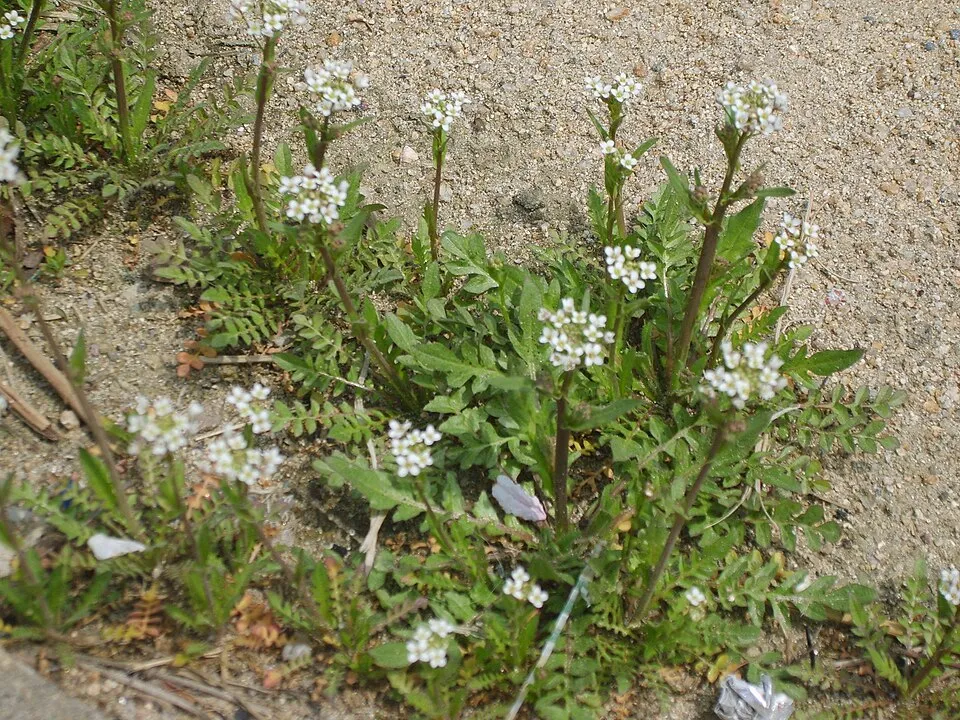
Shepherds Purse, scientifically known as Capsella bursa-pastoris, is a ubiquitous annual or biennial herb belonging to the Brassicaceae family, often recognized as a common weed across temperate regions worldwide. Native to Eurasia, its remarkable adaptability has allowed it to naturalize on every continent, thriving in disturbed soils, roadsides, gardens, and agricultural fields. Morphologically, it typically forms a basal rosette of deeply lobed leaves, resembling dandelion leaves, from which a slender, erect stem emerges, reaching heights of 10 to 50 centimeters.
The stem bears smaller, sessile, arrow-shaped leaves that clasp the stem. Its small, white, four-petaled flowers are arranged in terminal racemes, blooming almost year-round in milder climates. The most distinctive feature of Capsella bursa-pastoris, and the origin of its common name, is its unique, heart-shaped or triangular-obcordate silicle fruit, which resembles a medieval shepherd’s purse.
This fruit contains numerous small, yellowish-brown seeds. The entire plant, including the roots, leaves, and seeds, has a slightly pungent, peppery taste characteristic of the mustard family, indicating its rich content of sulfur-containing compounds. Its widespread presence and distinctive morphology make it easily identifiable, contributing to its long history of traditional use in various folk medicine systems globally.
Trusted Scientific References
1. Authoritative external sources for Capsella bursa-pastoris
1.1 Wikipedia — Capsella bursa-pastoris
1.2 Kew POWO (Plants of the World Online)
1.3 PubMed — peer-reviewed research
1.4 NCBI Taxonomy Browser
1.5 GBIF — Global Biodiversity
1.6Shepherds Purse should be interpreted through verified botanical identity, practical care, and responsible safety language. This recovery note adds the missing context needed for a complete profile: match light to the plant's habit, use well-drained soil, water according to season, and avoid unsupported medicinal or edible claims. For publishing, the plant can be presented as a source-backed medicinal plant with clear care guidance, common problem diagnosis, and conservative safety wording.
1.1.Shepherds Purse — Key Features
- ✓Potent Hemostatic Properties — Primary traditional use for stopping bleeding.
- ✓Uterotonic Activity — Historically used to aid postpartum recovery.
- ✓Rich in Flavonoids and Phenolic Compounds — Offers antioxidant and anti-inflammatory benefits.
- ✓Widespread Distribution — Found globally as a common, adaptable weed.
- ✓Distinctive Heart — Shaped Seed Pods — Easily identifiable morphological feature.
- ✓Traditional Medicine Staple — Valued in European, TCM, and Ayurvedic systems.
- ✓Versatile Application — Used internally as tea/tincture and externally as poultice.
- ✓Brassicaceae Family Member — Shares chemical characteristics with mustard plants.
- ✓Mild Diuretic Action — Supports urinary system health.
- ✓Adaptable and Resilient — Thrives in diverse, often disturbed, environments.
1.2.Shepherds Purse — In Brief
- ✓Hemostatic powerhouse, traditionally used for bleeding.
- ✓Contains flavonoids, alkaloids, and fumaric acid.
- ✓Avoid during pregnancy due to uterine stimulant effects.
- ✓Grows easily as a common, resilient weed.
- ✓Used in teas, tinctures, and topical applications for various ailments.
- ✓Requires careful consideration for those on anticoagulants or with heart/kidney issues.
2.Shepherds Purse — Taxonomic Classification
3.Shepherds Purse — Botanical Stats
4.Shepherds Purse — Morphological Account
5.Shepherds Purse — Geographic Distribution
6.Shepherds Purse — Historical Applications
7.Shepherds Purse — Active Compounds
- ✓Flavonoids — Key flavonoids such as diosmin, rutin, hesperidin, and quercetin contribute significantly to the plant's antioxidant and anti-inflammatory activities, and support capillary health.
- ✓Alkaloids — Compounds like bursine and acetylcholine are present, influencing various physiological processes, notably contributing to its hemostatic and hypotensive effects.
- ✓Glucosinolates — These sulfur-containing compounds, characteristic of the Brassicaceae family, are precursors to isothiocyanates, which are known for their anticarcinogenic and antimicrobial properties.
- ✓Phenolic Acids — Caffeic acid, ferulic acid, and p-coumaric acid are found, providing additional antioxidant and anti-inflammatory benefits to the plant's medicinal profile.
- ✓Saponins — These glycosides contribute to the plant's diuretic and expectorant properties, and may have adaptogenic effects.
- ✓Choline and Acetylcholine — These nitrogenous bases are involved in neurotransmission and contribute to the plant's ability to influence blood pressure and uterine muscle tone.
- ✓Fumaric Acid — This organic acid is a primary contributor to the hemostatic properties of Shepherds Purse, playing a role in blood coagulation.
- ✓Tyramine — A naturally occurring monoamine, tyramine can influence blood pressure and act as a vasopressor, potentially contributing to the plant's effects on circulation.
- ✓Peptides — Specific hemostatic peptides have been isolated from Shepherds Purse, further validating its traditional use in controlling bleeding.
- ✓Triterpenoids — These compounds often possess anti-inflammatory and adaptogenic properties, contributing to the plant's overall therapeutic actions.
8.Shepherds Purse — Modern Studies
- ✓Hemostatic Action — Shepherds Purse is renowned for its powerful hemostatic properties, primarily attributed to compounds like fumaric acid and peptides, which help to constrict blood vessels and promote blood clotting, making it effective for various types of bleeding.
- ✓Menstrual Regulation — Traditionally used to manage excessive menstrual bleeding (menorrhagia) and irregular periods, it helps to tone the uterine muscles and reduce heavy flow by promoting vascular constriction.
- ✓Postpartum Hemorrhage Support — In traditional midwifery, Capsella bursa-pastoris was often administered to help reduce postpartum bleeding and aid in uterine involution following childbirth.
- ✓Anti-inflammatory Effects — The plant contains flavonoids and phenolic compounds that exhibit anti-inflammatory activity, potentially alleviating symptoms associated with inflammatory conditions.
- ✓Antioxidant Properties — Rich in antioxidants, Shepherds Purse helps to neutralize free radicals, protecting cells from oxidative stress and supporting overall cellular health.
- ✓Diuretic Action — It acts as a mild diuretic, promoting increased urine production and aiding in the elimination of excess fluids and waste products from the body, which can be beneficial for urinary tract health.
- ✓Hypotensive Effects — Some traditional uses suggest its ability to help lower blood pressure, although this effect requires more modern scientific validation and careful consideration.
- ✓Wound Healing — Applied topically as a poultice or compress, Shepherds Purse can assist in minor wound healing, reducing bleeding and inflammation, and protecting against infection due to its antimicrobial properties.
- ✓Digestive Aid — Historically, it has been used to support digestive health, particularly in cases of mild diarrhea, due to its astringent qualities which can help tighten tissues in the gastrointestinal tract.
- ✓Antimicrobial Activity — Extracts of Capsella bursa-pastoris have demonstrated mild antimicrobial properties against certain bacteria and fungi, contributing to its traditional use in preventing wound infections.
8.1.Shepherds Purse — Conditions Traditionally Used For
9.Shepherds Purse — Precautions & Warnings
9.1.Shepherds Purse — Caution Notes
- ✓Uterine Contractions — Due to its uterine stimulant properties, Shepherds Purse can induce contractions, posing a risk during pregnancy and should be avoided.
- ✓Blood Pressure Fluctuations — May interact with blood pressure medications or affect individuals with pre-existing hypertension or hypotension, requiring careful monitoring.
- ✓Kidney Irritation — High doses or prolonged use may potentially irritate the kidneys, particularly in individuals with pre-existing kidney conditions.
- ✓Allergic Reactions — Sensitive individuals may experience allergic reactions, such as skin rashes or gastrointestinal upset, though this is uncommon.
- ✓Drug Interactions — Can interact with anticoagulant medications, potentially increasing the risk of bleeding, and with thyroid medications due to its glucosinolate content.
- ✓Gastrointestinal Upset — Some individuals may experience mild digestive disturbances like nausea or stomach discomfort, especially with higher doses.
9.2.Shepherds Purse — Safety Profile
- ✓Pregnancy Contraindication — Absolutely contraindicated during pregnancy due to its potent uterotonic effects, which can induce premature labor or miscarriage.
- ✓Breastfeeding Caution — Use is not recommended during breastfeeding due to insufficient safety data regarding its passage into breast milk and potential effects on infants.
- ✓Kidney and Heart Conditions — Individuals with pre-existing kidney disease, heart conditions, or blood pressure irregularities should avoid use or consult a physician.
- ✓Anticoagulant Medication — Contraindicated for individuals taking blood-thinning medications (anticoagulants) due to its hemostatic properties that may interfere with medication efficacy.
- ✓Thyroid Disorders — Use with caution in individuals with thyroid conditions, as glucosinolates present in the plant may interfere with thyroid function.
- ✓Surgical Procedures — Discontinue use at least two weeks before any scheduled surgery due to its potential effects on blood clotting and blood pressure.
- ✓Professional Consultation — Always consult a qualified healthcare practitioner or medical herbalist before using Shepherds Purse, especially if you have underlying health conditions or are on other medications.
10.Shepherds Purse — How to Use
- ✓Herbal Infusion (Tea) — Dried or fresh aerial parts can be steeped in hot water for 5-10 minutes to create a medicinal tea, often used for internal bleeding or heavy menstruation.
- ✓Tincture — A concentrated liquid extract made by soaking fresh or dried Shepherds Purse in alcohol, typically taken in drops for systemic effects like hemostasis or blood pressure support.
- ✓Decoction — For tougher plant parts or stronger extraction, the herb can be simmered in water for a longer period, though generally not needed for the aerial parts of Shepherds Purse.
- ✓Poultice or Compress — Freshly crushed leaves or a strong infusion soaked into a cloth can be applied topically to minor cuts, wounds, or bruises to stop bleeding and aid healing.
- ✓Fresh Juice — The juice extracted from fresh aerial parts can be consumed directly in small doses for immediate hemostatic effects, especially for nosebleeds or internal bleeding.
- ✓Culinary Use — Young, tender leaves can be added to salads, soups, or stir-fries, offering a peppery flavor and providing mild nutritional and medicinal benefits.
- ✓Sitz Bath — A strong infusion can be added to bathwater for a sitz bath, traditionally used to alleviate discomfort and promote healing in the pelvic area, such as after childbirth.
11.Shepherds Purse — Propagation & Care
- ✓Soil Preference — Shepherds Purse thrives in well-drained, average to poor soils, tolerating a wide range of soil types from sandy to clayey, as long as compaction is not excessive.
- ✓Sunlight Requirements — It prefers full sun exposure, meaning at least 6-8 hours of direct sunlight daily, though it can tolerate partial shade, which may reduce its vigor.
- ✓Water Needs — This plant is quite drought-tolerant once established, requiring minimal watering; however, consistent moisture during germination and early growth promotes healthier development.
- ✓Propagation — Primarily propagated by seeds, which can be sown directly in the garden in early spring or late autumn; it readily self-seeds, often becoming naturalized.
- ✓Temperature Tolerance — Shepherds Purse is hardy and can withstand a wide range of temperatures, often germinating in cool weather and persisting through light frosts.
- ✓Harvesting — The entire aerial part of the plant (leaves, stems, flowers, and immature seed pods) is typically harvested when the plant is in full bloom, before the seeds fully mature, for optimal medicinal potency.
- ✓Pest and Disease Resistance — Generally robust, Shepherds Purse is rarely troubled by significant pests or diseases, largely due to its weed-like resilience and chemical defenses.
Reviewed by the Flora Medical Global Botanical Review Panel
Multi-disciplinary editorial group · Botany · Ethnobotany · Herbal-medicine literature
Who reviewed this: This page was checked by the Flora Medical Global Botanical Review Panel — an in-house editorial group of botany graduates, ethnobotany researchers, and horticulture practitioners who collectively maintain our 7,000+ plant encyclopedia. Meet the team.
Our 4-step verification process
1. Taxonomic verification
Scientific names and synonyms cross-checked against Kew POWO, World Flora Online, and The Plant List.
2. Phytochemical & medicinal cross-reference
Active compounds, traditional uses, and reported activities are cross-referenced with PubMed, USDA Dr. Duke's database, and peer-reviewed ethnobotanical literature.
3. Conservation & distribution check
Distribution, ecology, and conservation status confirmed against GBIF occurrence records and the IUCN Red List.
4. Editorial & safety review
Every entry passes an editorial pass for clarity, originality, and safety notices (toxicity, contraindications, dosage caveats) before publication.
Last reviewed:
Important medical disclaimer: This content is for educational and research purposes only. It is not medical advice and is not a substitute for consultation with a licensed healthcare provider. Do not use any herb to self-treat a medical condition without professional guidance.
Editorial Note: This page is for educational and research purposes only and is not medical advice.
Written by: Flora Medical Global Editorial Team
Reviewed by: Flora Medical Global Botanical Review Panel
Last Updated: June 15, 2026





Shepherds Purse — Comments & Community Reviews
Rate this plant