
Medical Disclaimer: This content is for educational purposes only. It is not medical advice. Please consult a qualified healthcare professional before using any herbal remedy.
Safety Overview
1.Silene Coronaria — Botanical Snapshot
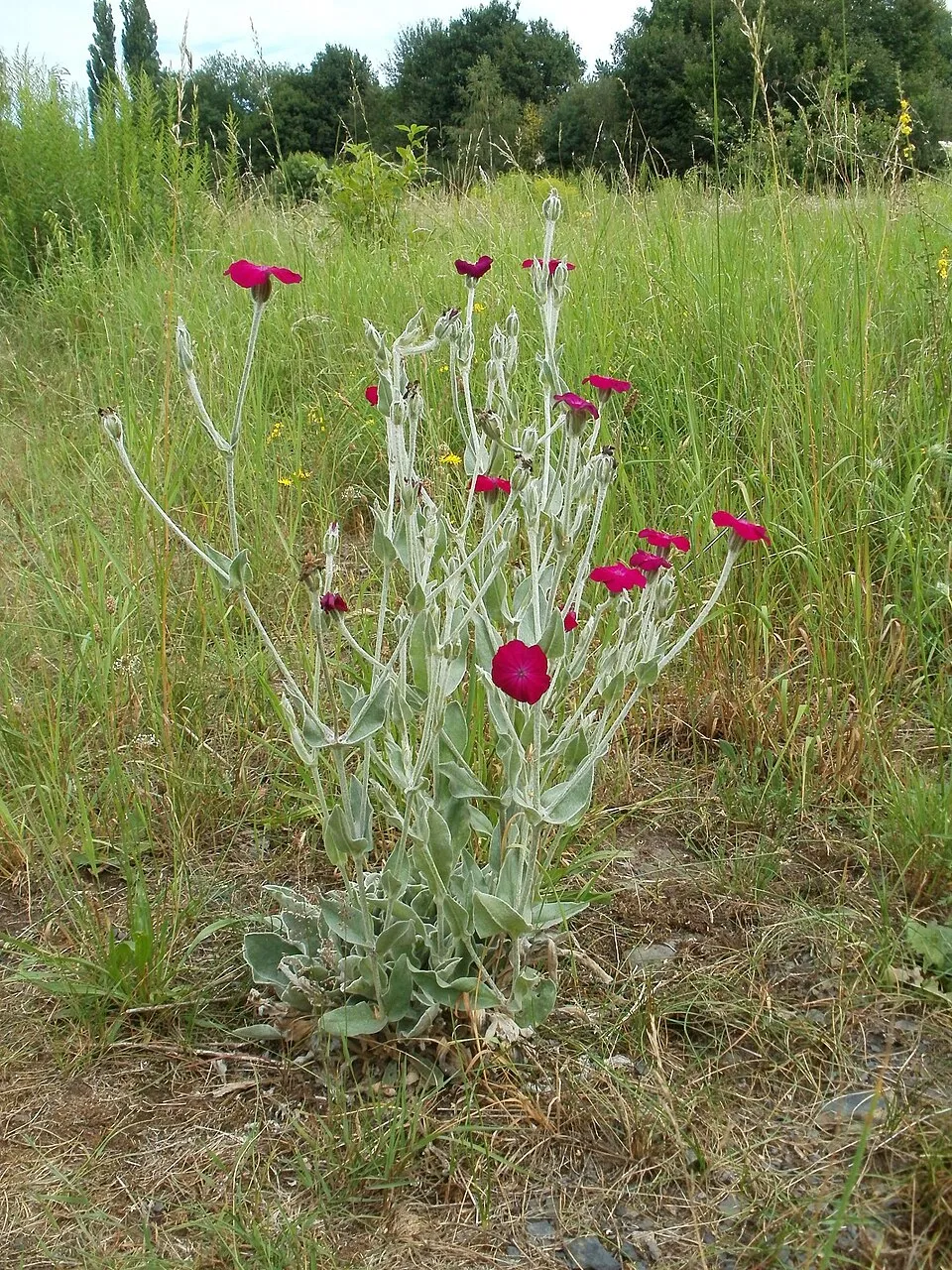
Silene coronaria, commonly known as Rose Campion or Dusty Miller, is a captivating herbaceous perennial belonging to the Caryophyllaceae family. Native to the sun-drenched Mediterranean region, its range extends across parts of Europe and into Western Asia, thriving in open, rocky, or disturbed ground. This species is celebrated for its visually striking morphology, characterized by vibrant magenta-pink to deep rose-colored flowers that typically emerge solitary or in loose cymes. These five-petaled blooms, each deeply notched, create a delicate, ruffled aesthetic, flourishing profusely from late spring through the summer months and measuring approximately 2-4 cm in diameter.
A distinguishing feature of Silene coronaria is its unique foliage: lanceolate to ovate leaves densely cloaked in silvery-grey, soft hairs. This indumentum imparts a velvety texture and a 'dusty' appearance, which is not merely ornamental but a crucial adaptation. The silvery hairs effectively reduce water loss through transpiration and reflect intense solar radiation, enabling the plant to withstand drought and harsh sunlight. It typically forms a robust basal rosette, from which erect, branching stems ascend to heights of 60-90 cm.
As a hardy and adaptable species, Rose Campion prefers well-drained soils and flourishes in full sun to partial shade, making it a popular and resilient choice for various garden settings, including cottage gardens, borders, and rockeries, and is valued for its long vase life as a cut flower. Its propensity for self-seeding further contributes to its naturalistic charm and ease of establishment.
Trusted Scientific References
1. Authoritative external sources for Silene Coronaria
1.1 Wikipedia — Silene Coronaria
1.2 Kew POWO (Plants of the World Online)
1.3 PubMed — peer-reviewed research
1.4 NCBI Taxonomy Browser
1.5 GBIF — Global Biodiversity
1.6Silene Coronaria should be interpreted through verified botanical identity, practical care, and responsible safety language. This recovery note adds the missing context needed for a complete profile: match light to the plant's habit, use well-drained soil, water according to season, and avoid unsupported medicinal or edible claims. For publishing, the plant can be presented as a source-backed garden plant with clear care guidance, common problem diagnosis, and conservative safety wording.
1.1.Silene Coronaria — Notable Characteristics
- ✓Silvery — grey, velvety foliage providing drought protection and aesthetic appeal.
- ✓Vibrant magenta — pink to deep rose-colored flowers with five notched petals.
- ✓Long blooming season — Long blooming season from late spring through summer, offering continuous color.
- ✓Exceptional drought tolerance — Exceptional drought tolerance and adaptability to various well-drained soil types.
- ✓Attracts pollinators such — Attracts pollinators such as bees and butterflies, enhancing garden biodiversity.
- ✓Naturally resistant to — Naturally resistant to deer and rabbits, minimizing garden damage.
- ✓Contains beneficial triterpenoid — Contains beneficial triterpenoid saponins, flavonoids, and phenolic acids.
- ✓Traditional applications include anti — inflammatory, antimicrobial, and digestive support.
- ✓Self — seeding nature ensures natural propagation and spread in suitable environments.
- ✓Ideal for cottage — Ideal for cottage gardens, rock gardens, borders, and as a long-lasting cut flower.
1.2.Silene Coronaria — Quick Summary
- ✓Vibrant perennial with striking magenta flowers and distinctive silvery foliage.
- ✓Traditionally used for anti-inflammatory, antimicrobial, and antioxidant benefits.
- ✓Rich in triterpenoid saponins, flavonoids, and phenolic acids.
- ✓Drought-tolerant, self-seeding, and low-maintenance, ideal for diverse gardens.
- ✓Historically applied for digestive, respiratory, and wound-healing support.
- ✓Exercise caution with internal use; consult a healthcare professional due to saponin content.
2.Silene Coronaria — Scientific Identity
3.Silene Coronaria — Fact Sheet
4.Silene Coronaria — Botanical Description
5.Silene Coronaria — Origin & Spread
6.Silene Coronaria — Heritage Uses
7.Silene Coronaria — Key Phytochemicals
- ✓Triterpenoid Saponins — Key bioactive compounds like gypsogenin and quillaic acid derivatives, responsible for anti-inflammatory, hemolytic, and expectorant actions.
- ✓Flavonoids — Including anthocyanins (e.g., cyanidin glycosides) for flower pigmentation, and other flavonoids such as quercetin and kaempferol derivatives, contributing to antioxidant and anti-inflammatory effects.
- ✓Phenolic Acids — Compounds like caffeic acid and ferulic acid, which are potent antioxidants and contribute to the plant's protective mechanisms against oxidative stress.
- ✓Phytosterols — Plant sterols such as beta-sitosterol, which may offer anti-inflammatory and cholesterol-lowering properties.
- ✓Volatile Oils — Present in trace amounts, contributing to the plant's characteristic aroma and potentially offering mild antimicrobial activity.
- ✓Tannins — Astringent compounds that can help tighten tissues and provide antimicrobial benefits, particularly in topical applications.
- ✓Carbohydrates — Including polysaccharides, which can have demulcent properties and support general plant structure and energy storage.
- ✓Amino Acids — Essential building blocks for proteins, contributing to the plant's metabolic functions and nutritional profile.
- ✓Mineral Elements — Various macro and micronutrients essential for plant growth and potentially contributing to its overall medicinal value.
8.Silene Coronaria — Scientific Evidence
- ✓Anti-inflammatory Properties — Contains triterpenoid saponins and flavonoids that may help modulate inflammatory pathways by inhibiting pro-inflammatory mediators, offering potential relief from various inflammatory conditions.
- ✓Antimicrobial Activity — Certain phytochemicals, including saponins and phenolic compounds, exhibit inhibitory effects against a range of pathogenic bacteria and fungi, contributing to its traditional use in cleansing and infection management.
- ✓Antioxidant Effects — Rich in polyphenols, flavonoids, and other phenolic acids, Silene coronaria helps scavenge harmful free radicals, protecting cellular structures from oxidative damage and supporting overall cellular health.
- ✓Digestive Aid — Traditionally, preparations from Rose Campion have been used to alleviate mild digestive discomforts, potentially due to its saponin content which can have a mild stimulating effect on gut motility.
- ✓Respiratory Support — In historical herbal practices, the plant was employed to address minor respiratory issues, possibly acting as an expectorant to help clear congestion.
- ✓Wound Healing — Applied topically, its extracts may support the healing of minor cuts and abrasions, benefiting from its antimicrobial and anti-inflammatory constituents.
- ✓Analgesic Potential — Some traditional uses suggest a mild pain-relieving effect, possibly through its anti-inflammatory actions targeting localized discomfort.
- ✓Immunomodulatory Effects — The presence of various bioactive compounds may subtly influence immune responses, contributing to general well-being and resilience.
- ✓Diaphoretic Action — Historically used to promote sweating, which was believed to aid in detoxification and reduce fever in traditional remedies.
- ✓Astringent Properties — The plant's extracts possess mild astringent qualities, useful in tightening tissues and potentially reducing minor bleeding or swelling topically.
8.1.Silene Coronaria — Health Applications
9.Silene Coronaria — Safety & Side Effects
9.1.Silene Coronaria — Warnings
- ✓Gastrointestinal Upset — High doses of saponins can cause stomach irritation, nausea, or vomiting, especially when consumed orally.
- ✓Allergic Reactions — Sensitive individuals may experience skin irritation upon topical contact or allergic reactions upon ingestion.
- ✓Hemolytic Activity — Saponins possess hemolytic properties; internal use in large quantities should be avoided due to potential red blood cell damage.
- ✓Drug Interactions — May potentially interact with certain medications, particularly those affecting digestion or blood clotting, due to its bioactive compounds.
- ✓Pregnancy and Lactation — Lack of sufficient safety data advises against use during pregnancy and breastfeeding.
- ✓Kidney or Liver Issues — Individuals with pre-existing kidney or liver conditions should exercise extreme caution and consult a healthcare professional before use.
- ✓Photosensitivity — Rarely, some plant compounds can increase skin sensitivity to sunlight.
9.2.Silene Coronaria — Safety Overview
- ✓Professional Consultation — Always consult a qualified healthcare professional before using Silene coronaria for medicinal purposes, especially for internal applications.
- ✓Accurate Identification — Ensure correct plant identification; misidentification can lead to exposure to toxic species.
- ✓Avoid During Pregnancy/Lactation — Due to insufficient safety data, pregnant and breastfeeding women should avoid its medicinal use.
- ✓Patch Test for Topical Use — Perform a patch test on a small skin area before widespread topical application to check for allergic reactions.
- ✓Keep Out of Reach — Store all plant preparations away from children and pets.
- ✓Monitor Dosage — Adhere strictly to recommended dosages and monitor for any adverse reactions, discontinuing use if side effects occur.
- ✓Quality Sourcing — Use plant material from reputable sources to ensure purity and prevent contamination.
10.Silene Coronaria — Preparation Methods
- ✓Herbal Infusion — Dried leaves and flowers can be steeped in hot water to create an infusion for internal use, traditionally for respiratory or digestive support.
- ✓Decoction — Roots or tougher plant parts can be simmered in water to extract compounds, used historically for more potent internal remedies.
- ✓Topical Poultice — Crushed fresh leaves or flowers can be applied directly to the skin as a poultice for minor wounds, insect bites, or skin irritations.
- ✓Tincture — Plant material can be macerated in alcohol to create a concentrated liquid extract, offering a longer shelf life and controlled dosage.
- ✓Wash or Compress — Infusions or decoctions can be cooled and used as a wash or soaked into a cloth for a compress to soothe inflamed or irritated skin.
- ✓Garden Ornamental — Primarily cultivated for its ornamental value in gardens, providing vibrant color and silvery foliage.
- ✓Cut Flower — Its long-lasting blooms make it an excellent choice for cut flower arrangements, adding a rustic charm.
11.Silene Coronaria — Garden Cultivation
- ✓Site Selection — Choose a location with full sun to partial shade, ensuring at least 6 hours of direct sunlight daily for optimal flowering.
- ✓Soil Requirements — Plant in well-drained soil; Silene coronaria tolerates a range of soil types but thrives in sandy or rocky soils, avoiding heavy, waterlogged conditions.
- ✓Watering — Establish with regular watering, then reduce to infrequent watering once mature as it is highly drought-tolerant.
- ✓Propagation — Easily propagated from seeds; sow directly in late fall or early spring, or start indoors. Can also be divided in spring.
- ✓Fertilization — Generally requires minimal fertilization; an annual application of balanced slow-release fertilizer in spring is sufficient if soil is poor.
- ✓Pest and Disease Management — Highly resistant to deer and rabbits, and generally free from serious pests or diseases.
- ✓Deadheading — Remove spent flowers (deadhead) to encourage continuous blooming and prevent excessive self-seeding.
- ✓Winter Care — A hardy perennial, it typically requires no special winter protection in its hardiness zones.
Reviewed by the Flora Medical Global Botanical Review Panel
Multi-disciplinary editorial group · Botany · Ethnobotany · Herbal-medicine literature
Who reviewed this: This page was checked by the Flora Medical Global Botanical Review Panel — an in-house editorial group of botany graduates, ethnobotany researchers, and horticulture practitioners who collectively maintain our 7,000+ plant encyclopedia. Meet the team.
Our 4-step verification process
1. Taxonomic verification
Scientific names and synonyms cross-checked against Kew POWO, World Flora Online, and The Plant List.
2. Phytochemical & medicinal cross-reference
Active compounds, traditional uses, and reported activities are cross-referenced with PubMed, USDA Dr. Duke's database, and peer-reviewed ethnobotanical literature.
3. Conservation & distribution check
Distribution, ecology, and conservation status confirmed against GBIF occurrence records and the IUCN Red List.
4. Editorial & safety review
Every entry passes an editorial pass for clarity, originality, and safety notices (toxicity, contraindications, dosage caveats) before publication.
Last reviewed:
Important medical disclaimer: This content is for educational and research purposes only. It is not medical advice and is not a substitute for consultation with a licensed healthcare provider. Do not use any herb to self-treat a medical condition without professional guidance.
Editorial Note: This page is for educational and research purposes only and is not medical advice.
Written by: Flora Medical Global Editorial Team
Reviewed by: Flora Medical Global Botanical Review Panel
Last Updated: June 15, 2026





Silene Coronaria — Comments & Community Reviews
Rate this plant