
Medical Disclaimer: This content is for educational purposes only. It is not medical advice. Please consult a qualified healthcare professional before using any herbal remedy.
Safety Overview
1.Silver Birch — Plant Snapshot
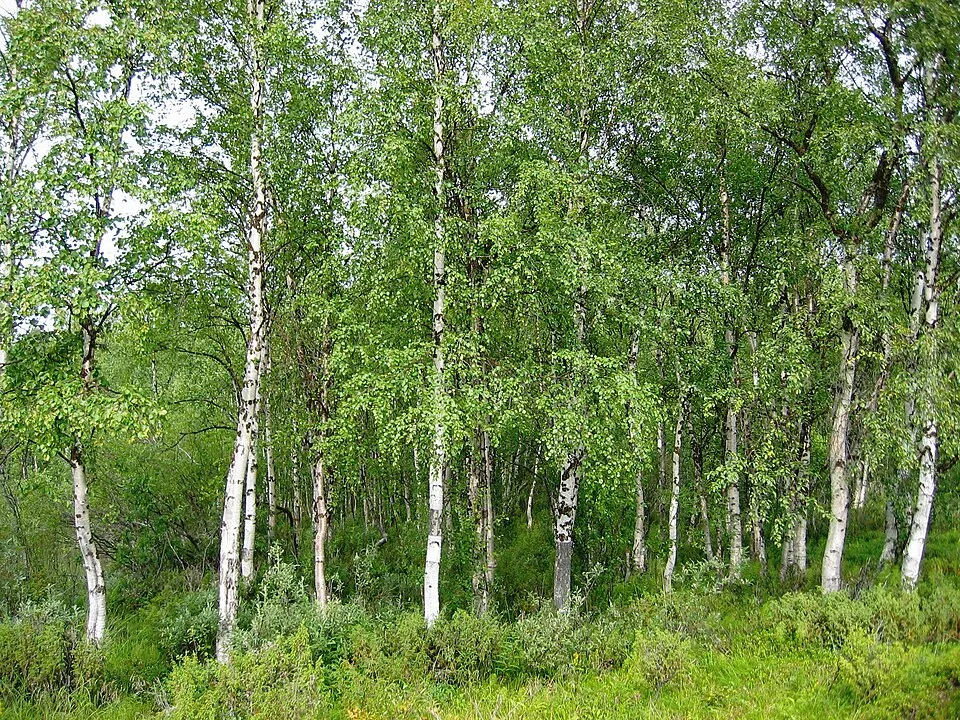
Silver Birch, scientifically known as Betula pendula Roth, is an elegant, medium-sized deciduous tree belonging to the Betulaceae family. It typically achieves heights of 15 to 25 meters, occasionally reaching up to 30 meters under optimal growing conditions. Its most striking feature is its brilliant white bark, which gradually peels away in delicate, papery layers as the tree matures, revealing darker, fissured underbark at the base.
The bark is adorned with distinct dark, horizontal lenticels. Its leaves are rhombic-ovate to triangular, measuring 3 to 6 cm in length, with sharply serrated margins and a vibrant green hue during summer, transitioning to a luminous golden yellow in autumn. Reproductive structures include pendulous male catkins that emerge in spring, displaying a yellowish tint, followed by smaller, erect female catkins that develop into small, winged seeds dispersed by late summer.
Betula pendula is a pioneer species, readily colonizing disturbed or open sites. It thrives in well-drained, sandy, or loamy soils and is commonly found across open woodlands, heathlands, and along riverbanks throughout much of Europe and extends into parts of Western Asia. This species plays a vital ecological role in ecosystem succession and is closely related to other birches like Betula pubescens.
Trusted Scientific References
1. Authoritative external sources for Betula pendula Roth
1.1 Wikipedia — Betula pendula Roth
1.2 Kew POWO (Plants of the World Online)
1.3 PubMed — peer-reviewed research
1.4 NCBI Taxonomy Browser
1.5 GBIF — Global Biodiversity
1.6Silver Birch should be interpreted through verified botanical identity, practical care, and responsible safety language. This recovery note adds the missing context needed for a complete profile: match light to the plant's habit, use well-drained soil, water according to season, and avoid unsupported medicinal or edible claims. For publishing, the plant can be presented as a source-backed medicinal plant with clear care guidance, common problem diagnosis, and conservative safety wording.
1.1.Silver Birch — Defining Traits
- ✓Distinctive White Bark — Iconic papery white bark with dark horizontal lenticels.
- ✓Pioneer Species — Thrives in disturbed soils, contributing to ecological succession.
- ✓Temperate Distribution — Native to Europe and parts of Western Asia.
- ✓Diuretic Properties — Leaves are well-known for their natural diuretic action.
- ✓Anti — inflammatory — Contains compounds that reduce inflammation, beneficial for various conditions.
- ✓Antioxidant Rich — High in flavonoids and phenolic acids, offering cellular protection.
- ✓Skin Healing — Bark compounds like betulin are researched for dermatological applications.
- ✓Joint Support — Traditional use for arthritis and rheumatism relief.
- ✓Immunomodulatory Potential — May help regulate immune responses.
- ✓Betulin and Betulinic Acid — Key bioactive triterpenoids with diverse pharmacological actions.
1.2.Silver Birch — In Brief
- ✓Silver Birch (Betula pendula) is a temperate deciduous tree known for its distinctive white bark.
- ✓Traditionally used for its diuretic, anti-inflammatory, and dermatological properties.
- ✓Rich in triterpenoids (betulin, betulinic acid), flavonoids, and phenolic acids.
- ✓Supports urinary tract health, joint mobility, and skin regeneration.
- ✓Research explores its antioxidant, antimicrobial, and potential anticancer effects.
- ✓Caution advised for individuals with allergies or pre-existing kidney/heart conditions.
2.Silver Birch — Scientific Profile
3.Silver Birch — Reference Facts
4.Silver Birch — Structural Profile
5.Silver Birch — Geographic Distribution
6.Silver Birch — Cultural & Traditional Roles
7.Silver Birch — Active Compounds
- ✓Triterpenoids — Key compounds include Betulin, Betulinic acid, Lupeol, and Oleanolic acid, primarily found in the bark, known for anti-inflammatory, antiviral, and anticancer activities.
- ✓Flavonoids — Quercetin, Rutin, Hyperoside, and Myricetin are abundant in the leaves, contributing to antioxidant, anti-inflammatory, and diuretic effects.
- ✓Phenolic Acids — Caffeic acid, Chlorogenic acid, Gallic acid, and Ferulic acid are present, offering significant antioxidant and anti-inflammatory benefits.
- ✓Lignans — Compounds like pinoresinol and lariciresinol are found in the wood and bark, exhibiting antioxidant and potential anticancer properties.
- ✓Diarylheptanoids — Found in the bark, these compounds possess anti-inflammatory and antioxidant activities.
- ✓Phenylbutanoids — Specific to Betula species, these compounds contribute to the plant's diverse pharmacological profile, often with anti-inflammatory actions.
- ✓Proanthocyanidins (PAs) — Present in bark and leaves, these condensed tannins offer strong antioxidant and astringent properties, beneficial for vascular health.
- ✓Tannins — Hydrolyzable and condensed tannins are present, providing astringent effects useful in traditional medicine for digestive and skin issues.
- ✓Volatile Oils — Trace amounts of essential oils, particularly in the buds, contain compounds like methyl salicylate and betulenols, contributing to its characteristic aroma and some medicinal effects.
8.Silver Birch — Modern Studies
- ✓Diuretic Support — Silver Birch leaf extracts are traditionally used as an aquaretic, promoting increased urine flow without significant electrolyte loss, aiding in fluid balance and urinary tract health.
- ✓Anti-inflammatory Action — Various compounds, particularly triterpenoids and flavonoids, contribute to the anti-inflammatory properties of Silver Birch, which can help alleviate pain and swelling.
- ✓Antioxidant Protection — The rich profile of phenolic compounds, including flavonoids and phenolic acids, provides robust antioxidant activity, protecting cells from oxidative stress and free radical damage.
- ✓Dermatological Health — Betulin and betulinic acid found in the bark are studied for their potential in treating skin conditions such as eczema, psoriasis, and promoting wound healing due to their anti-inflammatory and regenerative effects.
- ✓Gastroprotective Effects — Extracts from Betula pendula have shown potential in protecting the gastric mucosa, offering relief from digestive discomfort and supporting overall gastrointestinal health.
- ✓Hepatoprotective Properties — Some research suggests that Silver Birch compounds may help protect liver cells from damage, contributing to liver detoxification and function.
- ✓Antimicrobial Activity — The bark and leaf extracts exhibit broad-spectrum antimicrobial properties against bacteria, fungi, and viruses, making them useful in combating various infections.
- ✓Joint Health Support — Traditionally used for conditions like arthritis and rheumatism, Silver Birch's anti-inflammatory and analgesic properties may help reduce joint pain and improve mobility.
- ✓Immune System Modulation — Certain phytochemicals in Silver Birch can modulate immune responses, potentially enhancing the body's defense mechanisms while also mitigating excessive inflammatory reactions.
- ✓Potential Anticancer Activity — Betulin and betulinic acid are extensively researched for their selective cytotoxic effects on cancer cells and their ability to inhibit tumor growth and metastasis.
8.1.Silver Birch — Health Applications
9.Silver Birch — Adverse Effects
9.1.Silver Birch — Caution Notes
- ✓Allergic Reactions — Individuals sensitive to birch pollen may experience allergic reactions, including skin rashes, itching, or respiratory issues.
- ✓Gastrointestinal Upset — High doses of extracts may cause mild stomach discomfort, nausea, or diarrhea in sensitive individuals.
- ✓Kidney Irritation — While generally considered a mild diuretic, excessive use in individuals with pre-existing kidney conditions could potentially exacerbate issues.
- ✓Drug Interactions — May interact with diuretic medications, potentially increasing their effect and leading to electrolyte imbalance.
- ✓Hypotension — Due to its diuretic action, it might theoretically lower blood pressure, which could be a concern for those on hypotensive drugs.
- ✓Skin Sensitivity — Topical application may cause mild irritation in some individuals, particularly with concentrated extracts.
9.2.Silver Birch — Safety Profile
- ✓Pregnancy and Breastfeeding — Avoid use during pregnancy and breastfeeding due to insufficient safety data and potential diuretic effects.
- ✓Kidney Conditions — Use with caution in individuals with severe kidney disease or impaired renal function; consult a healthcare professional.
- ✓Heart Conditions — Individuals with heart conditions, especially those on medications that affect fluid balance, should use under medical supervision.
- ✓Allergy Alert — Contraindicated for individuals with known allergies to birch pollen or other members of the Betulaceae family.
- ✓Diuretic Medication Interaction — Avoid concurrent use with prescription diuretics unless supervised by a healthcare provider to prevent excessive fluid loss.
- ✓Children — Not recommended for use in young children without professional medical advice due to limited safety studies.
- ✓Dosage Adherence — Always adhere to recommended dosages; excessive intake can increase the risk of adverse effects.
10.Silver Birch — Application Forms
- ✓Herbal Tea (Leaves) — Infuse 1-2 teaspoons of dried Silver Birch leaves in a cup of hot water for 10-15 minutes; typically consumed 2-3 times daily for diuretic or anti-inflammatory effects.
- ✓Tincture (Leaves/Bark) — Prepare a 1:5 ratio tincture using 40-60% alcohol; take 2-5 ml, 2-3 times daily, for systemic support.
- ✓Decoction (Bark) — Simmer 1-2 tablespoons of dried Silver Birch bark in 500 ml of water for 15-20 minutes; strain and consume for stronger internal action, or use topically.
- ✓Topical Compress/Poultice — Apply a cooled decoction or a paste of crushed fresh leaves directly to skin irritations, wounds, or swollen joints.
- ✓Birch Sap — Harvested in early spring, consumed fresh as a tonic, rich in minerals and sugars, traditionally for detoxification and general wellness.
- ✓Bath Additive — Add a strong decoction of leaves or bark to bathwater to soothe skin conditions or relieve muscle and joint pain.
- ✓Ointments/Creams — Incorporate Silver Birch bark extract (betulin/betulinic acid rich) into dermatological preparations for skin regeneration and anti-inflammatory benefits.
- ✓Essential Oil (Buds) — Birch bud essential oil, used diluted in carrier oils, can be applied topically for its warming and analgesic properties.
11.Silver Birch — Growing Guide
- ✓Site Selection — Choose a location with full sun exposure to partial shade, ideally receiving at least 6 hours of direct sunlight daily.
- ✓Soil Requirements — Prefers well-drained, sandy, or loamy soils with a pH ranging from slightly acidic to neutral (pH 5.0-6.5).
- ✓Watering — Requires consistent moisture, especially during establishment; mature trees are somewhat drought-tolerant but benefit from regular watering during dry periods.
- ✓Climate — Thrives in temperate and boreal climates, hardy in USDA zones 2-7; it does not tolerate tropical or subtropical conditions.
- ✓Propagation — Can be propagated by seed, though stratification is often required. Softwood cuttings can also be rooted, typically with growth hormone assistance.
- ✓Pruning — Minimal pruning is needed, primarily to remove dead or diseased branches. Avoid heavy pruning in spring when sap is rising to prevent 'bleeding'.
- ✓Pests and Diseases — Generally robust, but can be susceptible to bronze birch borer in stressed trees; maintain tree health to minimize risk.
- ✓Space — Allow ample space for growth, as it can reach significant heights and spreads.
Reviewed by the Flora Medical Global Botanical Review Panel
Multi-disciplinary editorial group · Botany · Ethnobotany · Herbal-medicine literature
Who reviewed this: This page was checked by the Flora Medical Global Botanical Review Panel — an in-house editorial group of botany graduates, ethnobotany researchers, and horticulture practitioners who collectively maintain our 7,000+ plant encyclopedia. Meet the team.
Our 4-step verification process
1. Taxonomic verification
Scientific names and synonyms cross-checked against Kew POWO, World Flora Online, and The Plant List.
2. Phytochemical & medicinal cross-reference
Active compounds, traditional uses, and reported activities are cross-referenced with PubMed, USDA Dr. Duke's database, and peer-reviewed ethnobotanical literature.
3. Conservation & distribution check
Distribution, ecology, and conservation status confirmed against GBIF occurrence records and the IUCN Red List.
4. Editorial & safety review
Every entry passes an editorial pass for clarity, originality, and safety notices (toxicity, contraindications, dosage caveats) before publication.
Last reviewed:
Important medical disclaimer: This content is for educational and research purposes only. It is not medical advice and is not a substitute for consultation with a licensed healthcare provider. Do not use any herb to self-treat a medical condition without professional guidance.
Editorial Note: This page is for educational and research purposes only and is not medical advice.
Written by: Flora Medical Global Editorial Team
Reviewed by: Flora Medical Global Botanical Review Panel
Last Updated: June 15, 2026




Silver Birch — Comments & Community Reviews
Rate this plant