
Medical Disclaimer: This content is for educational purposes only. It is not medical advice. Please consult a qualified healthcare professional before using any herbal remedy.
Safety Overview
1.Silver Lace Fern — Botanical Snapshot
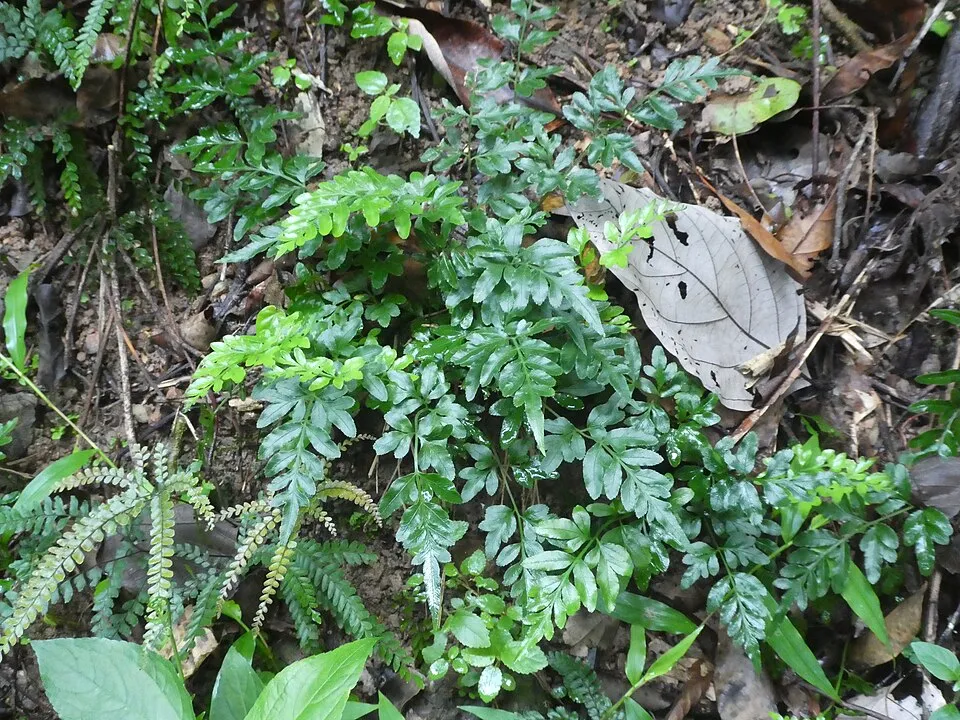
The Silver Lace Fern, scientifically designated as Pteris ensiformis, is an exquisitely delicate fern species that typically attains a height of 30 to 60 centimeters (approximately 12 to 24 inches). Its fronds are distinctively shaped like long, slender swords, presenting a vibrant green hue accentuated by striking silver-white markings that evoke the intricate patterns of lace, hence its evocative common name. Each frond can extend up to 30 centimeters (12 inches) in length and 5 centimeters (2 inches) in width, emerging gracefully from a central rosette, which imparts a lush, bushy aesthetic to the plant.
The stems of Pteris ensiformis are notably slender and lack bark, instead being covered in a soft, fine fuzz that contributes to their delicate texture. Native to the tropical and subtropical belts of Eastern Asia, encompassing regions from China and Japan to India, Sri Lanka, and throughout Southeast Asia, extending into New Guinea and Australia, this fern thrives in moist, acidic soils rich in organic matter, often found along forest margins and stream banks at elevations between 100 and 1,000 meters. Classified within the Pteridaceae family, renowned for its diverse array of ferns, the Silver Lace Fern is not only prized for its ornamental beauty but also for its notable air purification capabilities, making it a favored choice for enhancing indoor environments.
It flourishes under bright, filtered light conditions, which are crucial for maintaining its distinctive silver variegation without scorching, though it can adapt to quite deep shade. Moderate and consistent moisture is essential, ensuring the soil remains damp but never waterlogged, which is vital for its overall vitality and striking appearance.
Trusted Scientific References
1. Authoritative external sources for Pteris ensiformis
1.1 Wikipedia — Pteris ensiformis
1.2 Kew POWO (Plants of the World Online)
1.3 PubMed — peer-reviewed research
1.4 NCBI Taxonomy Browser
1.5 GBIF — Global Biodiversity
1.6Silver Lace Fern should be interpreted through verified botanical identity, practical care, and responsible safety language. This recovery note adds the missing context needed for a complete profile: match light to the plant's habit, use well-drained soil, water according to season, and avoid unsupported medicinal or edible claims. For publishing, the plant can be presented as a source-backed indoor plant with clear care guidance, common problem diagnosis, and conservative safety wording.
1.1.Silver Lace Fern — Notable Characteristics
- ✓Striking Silver — White Variegation — Features unique, lace-like silver patterns on its dark green fronds.
- ✓Air Purification Efficacy — Proven ability to remove indoor air pollutants such as formaldehyde and xylene.
- ✓Tropical/Subtropical Origin — Native to warm, humid regions of Eastern Asia, adapting well to similar indoor conditions.
- ✓Delicate Morphology — Characterized by slender, sword-shaped fronds that give it a graceful appearance.
- ✓Edible When Cooked — Young fronds are consumed as a vegetable in traditional cuisines after proper preparation.
- ✓Traditional Medicinal Uses — Historically applied for astringent effects, dysentery, and glandular swellings.
- ✓Low Light Tolerance — Capable of thriving in filtered indirect light and even tolerating deeper shade.
- ✓Indicator of Acidic Soils — Naturally found in soils with a pH range of 4.5-5.0.
- ✓Propagated by Spores and Division — Relatively accessible propagation methods for enthusiasts.
- ✓Aesthetic Indoor Plant — Enhances interior spaces with its natural beauty and unique foliage.
1.2.Silver Lace Fern — Snapshot Summary
- ✓Elegant ornamental fern known for its distinctive silver-laced fronds.
- ✓Valued for its indoor air-purifying capabilities, effectively removing common toxins.
- ✓Traditionally used in some cultures for dysentery, glandular swellings, and as a cooked vegetable.
- ✓Contains thiaminase and potential carcinogens; requires thorough cooking if consumed.
- ✓Prefers moist, acidic soils and filtered light, making it suitable for indoor cultivation.
- ✓Important to understand safety precautions, especially regarding raw consumption and for vulnerable populations.
2.Silver Lace Fern — Botanical Identity
3.Silver Lace Fern — Vital Statistics
4.Silver Lace Fern — Physical Description
5.Silver Lace Fern — Native Range & Habitat
6.Silver Lace Fern — Traditional Uses
7.Silver Lace Fern — Chemical Profile
- ✓Flavonoids — Key compounds include quercetin and kaempferol, known for their antioxidant, anti-inflammatory, and potential chemopreventive activities.
- ✓Phenolic Acids — Such as chlorogenic acid, contributing to the plant's antioxidant capacity and overall protective effects against cellular damage.
- ✓Triterpenoids — A diverse group of compounds often associated with anti-inflammatory, adaptogenic, and hepatoprotective properties.
- ✓Steroids — Including various phytosterols that play roles in plant physiology and may offer health benefits when consumed.
- ✓Tannins — Responsible for the plant's astringent properties, these polyphenols can also act as antioxidants and have antimicrobial effects.
- ✓Pterosin Derivatives — Specific nor-sesquiterpenoids like pterosin B, which have shown cytotoxic and anthelmintic activities in some studies.
- ✓Ptaquiloside — A naturally occurring nor-sesquiterpene glycoside, identified as a carcinogen in some fern species, which is typically inactivated by heat.
- ✓Thiaminase — An enzyme present in many ferns, including Pteris species, that degrades thiamine (Vitamin B1), necessitating thorough cooking before consumption.
- ✓Saponins — Glycosides that can have a range of biological activities, including hemolytic, expectorant, and anti-inflammatory effects.
- ✓Minerals — When consumed as food, the plant can provide essential minerals like potassium, calcium, and magnesium.
- ✓Vitamins — Contains various vitamins, though B-vitamins can be affected by thiaminase if consumed raw.
- ✓Polysaccharides — Complex carbohydrates that can contribute to dietary fiber and may have immunomodulatory properties.
8.Silver Lace Fern — Pharmacological Findings
- ✓Air Purification — Pteris ensiformis is recognized for its ability to effectively remove common indoor air toxins, such as formaldehyde and xylene, contributing to a healthier living environment.
- ✓Astringent Properties — The juice extracted from the young plant is traditionally believed to possess astringent qualities, useful for tightening tissues.
- ✓Dysentery Treatment — A decoction prepared from fresh fronds has been traditionally administered to alleviate symptoms of dysentery.
- ✓Glandular Swelling Relief — The juice derived from the rhizome is traditionally applied topically to reduce glandular swellings in the neck region.
- ✓Stress Reduction — As an ornamental indoor plant, its presence contributes to a calming atmosphere, which can psychologically help in reducing stress levels and promoting well-being.
- ✓Antioxidant Support — Like many ferns, Pteris ensiformis likely contains phenolic compounds and flavonoids, offering potential antioxidant benefits that combat oxidative stress.
- ✓Anti-inflammatory Effects — Traditional applications for swellings suggest potential anti-inflammatory properties, which may be attributed to its phytochemical profile.
- ✓Antimicrobial Activity — While not extensively studied for this species, other Pteris species show antimicrobial potential, implying similar effects for Silver Lace Fern against certain pathogens.
- ✓Digestive Aid — Its traditional use in dysentery suggests a role in supporting digestive health, potentially by soothing the gut lining or combating infectious agents.
- ✓Nutritional Supplementation (Cooked) — When properly cooked, the young fronds can provide dietary fiber, vitamins, and minerals, contributing to overall nutritional intake.
- ✓Minor Wound Healing — The traditional astringent properties of the plant may assist in the healing of minor cuts or abrasions by promoting tissue contraction and reducing bleeding.
- ✓General Detoxification — Beyond air purification, internal consumption (when cooked) might support the body's natural detoxification processes through its plant compounds.
8.1.Silver Lace Fern — Health Applications
9.Silver Lace Fern — Safety & Side Effects
9.1.Silver Lace Fern — Warnings
- ✓Thiamine Deficiency — Raw consumption of Pteris ensiformis can lead to thiamine (Vitamin B1) deficiency due to the presence of thiaminase, potentially causing neurological issues.
- ✓Carcinogenic Risk — Some Pteris species, including potentially P. ensiformis, contain ptaquiloside, a genotoxic carcinogen that is primarily inactivated by heat.
- ✓Gastrointestinal Upset — Ingestion of raw or improperly prepared fern material may cause nausea, vomiting, diarrhea, or other digestive discomforts.
- ✓Allergic Reactions — Sensitive individuals may experience skin irritation upon contact or respiratory symptoms if exposed to airborne spores.
- ✓Liver Toxicity — High or prolonged consumption, especially of raw plant material, could potentially lead to liver damage due to certain compounds.
- ✓Drug Interactions — The plant's constituents might interact with medications, particularly those affecting B vitamin metabolism or gastrointestinal function.
- ✓Reproductive Concerns — Due to the presence of potentially harmful compounds, consumption is contraindicated during pregnancy and lactation.
9.2.Silver Lace Fern — Clinical Safety Notes
- ✓Thorough Cooking is Essential — Always cook Pteris ensiformis thoroughly if intended for consumption to neutralize thiaminase and degrade potential carcinogens like ptaquiloside.
- ✓Avoid Raw Consumption — Never consume any part of the Silver Lace Fern raw due to the risk of thiamine deficiency and exposure to harmful compounds.
- ✓Contraindicated in Pregnancy and Lactation — Pregnant or breastfeeding individuals should strictly avoid internal use due to insufficient safety data and potential genotoxic risks.
- ✓Caution for Children — Avoid administering to children, as their developing systems may be more susceptible to adverse effects from the plant's constituents.
- ✓Individuals with B Vitamin Deficiencies — People with existing thiamine deficiencies or those at risk should avoid consumption, even cooked, or proceed with extreme caution.
- ✓Monitor for Allergic Reactions — Discontinue use immediately if any signs of allergic reaction, such as skin rash, itching, or respiratory distress, occur.
- ✓Consult a Healthcare Professional — Always seek advice from a qualified medical herbalist or healthcare provider before using Pteris ensiformis for medicinal purposes, especially if you have pre-existing health conditions or are taking other medications.
10.Silver Lace Fern — Usage Guide
- ✓Culinary Preparation (Cooked) — Young, unfurling fronds are steamed or boiled thoroughly and consumed as a side dish with rice, mixed into other vegetable preparations, or added to stews. Cooking is crucial to neutralize thiaminase and potential carcinogens.
- ✓Decoction for Dysentery — Traditionally, fresh fronds are boiled in water to create a decoction, which is then ingested for its purported anti-dysenteric effects. Consult a herbalist for appropriate dosages.
- ✓Topical Application for Glandular Swellings — The fresh juice extracted from the rhizome is traditionally applied externally to areas of glandular swelling on the neck.
- ✓Astringent Wash — The juice of the young plant can be diluted and used as a topical wash for minor skin irritations or as a gentle astringent.
- ✓Indoor Air Purification — Cultivate Pteris ensiformis as an ornamental houseplant to naturally enhance indoor air quality by absorbing common volatile organic compounds.
- ✓Ornamental Display — Utilize the fern's striking variegated foliage to add aesthetic beauty and a calming, natural element to homes and office spaces.
- ✓Herbal Poultice (External) — Crushed fronds, potentially combined with other herbs, can be applied as a poultice for traditional treatment of inflammation or minor skin conditions.
- ✓Rhizome Extract — While less common for home use, extracts from the rhizome could theoretically be prepared for specific traditional medicinal applications, always with caution and expert guidance.
11.Silver Lace Fern — Garden Cultivation
- ✓Light Requirements — Prefers bright, indirect sunlight to maintain vibrant variegation; tolerates partial to deep shade but may lose some silver markings.
- ✓Soil Composition — Thrives in well-draining, humus-rich, acidic soil with a pH between 4.5 and 5.0, mimicking its native forest floor habitat.
- ✓Watering Schedule — Requires consistent moisture; keep the soil evenly damp but never waterlogged. Allow the top inch of soil to dry slightly between waterings.
- ✓Humidity Levels — Benefits significantly from high humidity. Regular misting, a pebble tray with water, or placement near a humidifier is recommended for indoor cultivation.
- ✓Temperature Range — Best grown in warm, stable conditions, ideally between 18-27°C (65-80°F). Protect from cold drafts and extreme temperature fluctuations.
- ✓Propagation Techniques — Can be propagated effectively by spores, with plants reaching maturity within a year. Division of the rhizome is also possible but plants may be slow to re-establish.
- ✓Fertilization — Feed with a balanced liquid fertilizer diluted to half strength every 2-4 weeks during the active growing season (spring and summer).
- ✓Pruning — Remove any yellowed, damaged, or dead fronds at the base to encourage new growth and maintain the plant's aesthetic appeal.
Reviewed by the Flora Medical Global Botanical Review Panel
Multi-disciplinary editorial group · Botany · Ethnobotany · Herbal-medicine literature
Who reviewed this: This page was checked by the Flora Medical Global Botanical Review Panel — an in-house editorial group of botany graduates, ethnobotany researchers, and horticulture practitioners who collectively maintain our 7,000+ plant encyclopedia. Meet the team.
Our 4-step verification process
1. Taxonomic verification
Scientific names and synonyms cross-checked against Kew POWO, World Flora Online, and The Plant List.
2. Phytochemical & medicinal cross-reference
Active compounds, traditional uses, and reported activities are cross-referenced with PubMed, USDA Dr. Duke's database, and peer-reviewed ethnobotanical literature.
3. Conservation & distribution check
Distribution, ecology, and conservation status confirmed against GBIF occurrence records and the IUCN Red List.
4. Editorial & safety review
Every entry passes an editorial pass for clarity, originality, and safety notices (toxicity, contraindications, dosage caveats) before publication.
Last reviewed:
Important medical disclaimer: This content is for educational and research purposes only. It is not medical advice and is not a substitute for consultation with a licensed healthcare provider. Do not use any herb to self-treat a medical condition without professional guidance.
Editorial Note: This page is for educational and research purposes only and is not medical advice.
Written by: Flora Medical Global Editorial Team
Reviewed by: Flora Medical Global Botanical Review Panel
Last Updated: June 15, 2026





Silver Lace Fern — Comments & Community Reviews
Rate this plant