
Medical Disclaimer: This content is for educational purposes only. It is not medical advice. Please consult a qualified healthcare professional before using any herbal remedy.
Safety Overview
1.Sisyrinchium Angustifolium — Essential Profile
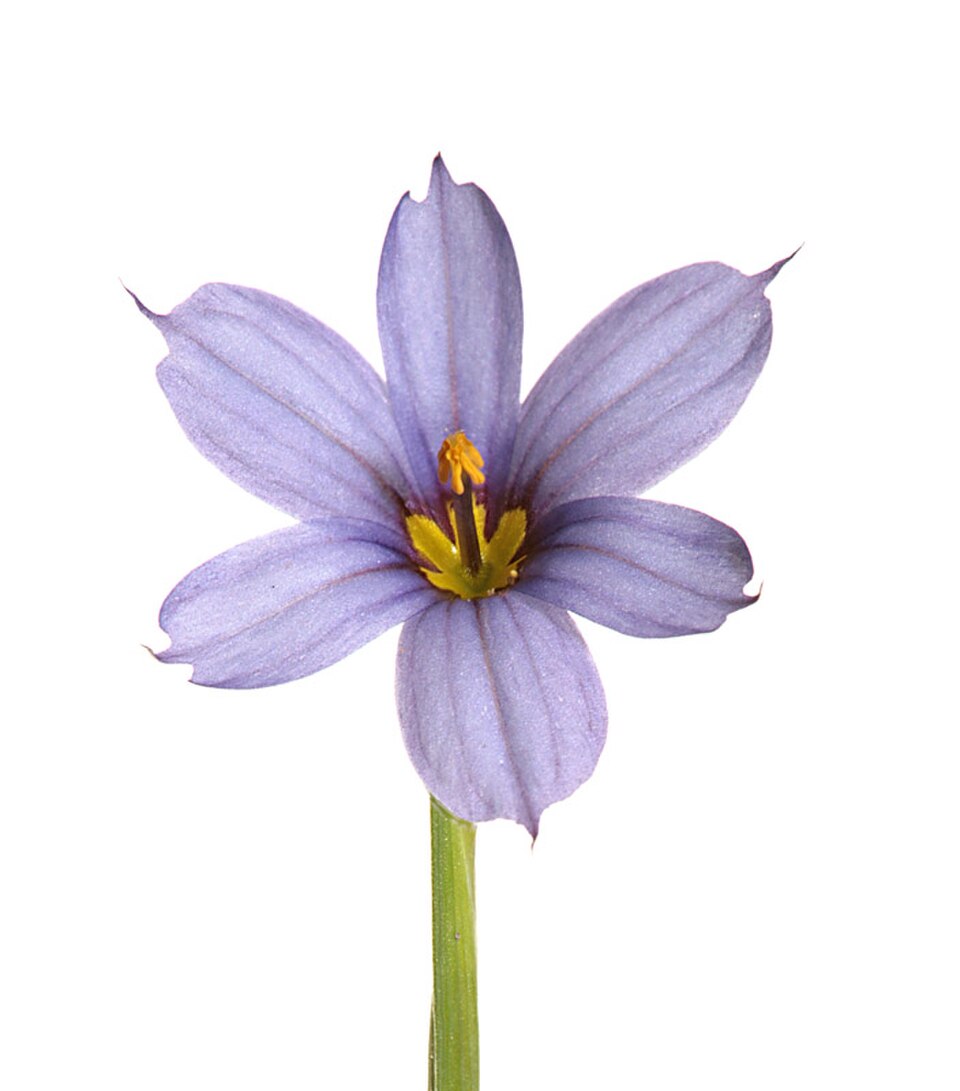
Sisyrinchium angustifolium, commonly known as Blue-eyed Grass, is an enchanting perennial herbaceous plant belonging to the Iridaceae, or Iris family. Despite its common name, it is not a true grass but rather a monocot characterized by its distinctive morphology. The plant forms dense, fan-like clumps of slender, grass-like leaves, typically growing 15-50 cm tall.
From this basal foliage emerge delicate, star-shaped flowers, usually bright blue to violet-purple, each featuring a prominent yellow center that gives rise to its 'golden eye' moniker. These charming blossoms typically appear from late spring through early summer, adding a splash of color to its native habitats. Sisyrinchium angustifolium is indigenous to eastern and central North America, extending into parts of Canada and some western states.
It thrives in a variety of moist, open environments, including meadows, prairies, open woodlands, along stream banks, and in disturbed areas. Its adaptability, attractive appearance, and low maintenance requirements make it a popular choice for rock gardens, borders, and naturalized landscapes, where it contributes to local biodiversity.
Trusted Scientific References
1. Authoritative external sources for Sisyrinchium angustifolium
1.1 Wikipedia — Sisyrinchium angustifolium
1.2 Kew POWO (Plants of the World Online)
1.3 PubMed — peer-reviewed research
1.4 NCBI Taxonomy Browser
1.5 GBIF — Global Biodiversity
1.6Sisyrinchium Angustifolium should be interpreted through verified botanical identity, practical care, and responsible safety language. This recovery note adds the missing context needed for a complete profile: match light to the plant's habit, use well-drained soil, water according to season, and avoid unsupported medicinal or edible claims. For publishing, the plant can be presented as a source-backed garden plant with clear care guidance, common problem diagnosis, and conservative safety wording.
1.7Sisyrinchium Angustifolium (Sisyrinchium angustifolium) is maintained in this recovery file as a complete garden profile with practical care, safety, and identification context. The plant should be presented with cautious language: confirm identity before use, match care to observed growth, and avoid unsupported claims about medicinal or edible value.
1.1.Sisyrinchium Angustifolium — Distinguishing Points
- ✓Native North American — Native North American perennial herb.
- ✓Member of the — Member of the Iridaceae (Iris family).
- ✓Characterized by slender, grass — like foliage.
- ✓Produces delicate, star — shaped blue-violet flowers with bright yellow centers.
- ✓Blooms typically occur — Blooms typically occur from late spring through early summer.
- ✓Historically utilized by — Historically utilized by various Native American tribes for traditional medicinal purposes.
- ✓Contains beneficial phytochemicals — Contains beneficial phytochemicals including flavonoids and saponins.
- ✓Adaptable and low — maintenance ornamental plant for gardens and naturalized areas.
- ✓Valued for its potential antioxidant and mild anti — inflammatory properties.
- ✓Requires further scientific — Requires further scientific research to fully validate its traditional medicinal claims and safety profile.
1.2.Sisyrinchium Angustifolium — Snapshot Summary
- ✓Blue-eyed Grass (Sisyrinchium angustifolium) is a charming perennial from the Iris family, known for its vibrant blue-violet flowers.
- ✓Historically utilized by Native American tribes for mild respiratory, digestive, and topical skin support.
- ✓Contains beneficial phytochemicals such as flavonoids, saponins, and potential iridoid glycosides with antioxidant properties.
- ✓Modern scientific validation for its medicinal efficacy is limited, underscoring the need for further research.
- ✓Easily cultivated in gardens, preferring moist, well-drained soil and full sun to partial shade, making it a low-maintenance ornamental.
- ✓Medicinal use is not widely recognized in modern herbalism and requires expert guidance due to potential toxicity and lack of comprehensive safety data.
2.Sisyrinchium Angustifolium — Botanical Identity
3.Sisyrinchium Angustifolium — Fact Sheet
4.Sisyrinchium Angustifolium — Physical Description
5.Sisyrinchium Angustifolium — Ecological Habitat
6.Sisyrinchium Angustifolium — Traditional Uses
7.Sisyrinchium Angustifolium — Key Phytochemicals
- ✓Flavonoids — Key polyphenolic compounds such as quercetin derivatives, known for potent antioxidant, anti-inflammatory, and potentially antiallergic activities, contributing to cellular protection.
- ✓Saponins — Glycosides that may exhibit expectorant properties, aiding in respiratory comfort, and potentially influencing nutrient absorption and immune responses.
- ✓Iridoid Glycosides — A characteristic class of monoterpenoids in the Iridaceae family, often associated with anti-inflammatory, antimicrobial, and bitter tonic effects, though specific to S. angustifolium require further identification.
- ✓Phenolic Acids — Common plant secondary metabolites like caffeic acid and ferulic acid, which provide additional antioxidant and free-radical scavenging benefits.
- ✓Tannins — Astringent compounds that can help tone and protect mucous membranes, reduce inflammation, and offer mild antimicrobial effects, beneficial for topical and digestive applications.
- ✓Polysaccharides — Complex carbohydrates that may contribute to demulcent properties, offering soothing effects on irritated mucous membranes in the respiratory and digestive tracts.
- ✓Phytosterols — Plant sterols such as beta-sitosterol, known for their potential to support cardiovascular health and modulate immune and inflammatory responses.
- ✓Anthocyanins — Pigments responsible for the vibrant blue-violet color of the flowers, possessing significant antioxidant and capillary-strengthening properties.
- ✓Volatile Compounds (Trace) — While not extensively documented, trace amounts of volatile organic compounds may contribute to the plant's subtle aroma and exert mild therapeutic effects.
- ✓Mineral Salts — Contains essential mineral elements absorbed from the soil, contributing to its overall nutritional profile and plant physiological functions.
8.Sisyrinchium Angustifolium — Pharmacological Findings
- ✓Respiratory Support — Traditionally, Sisyrinchium angustifolium was used to soothe mild coughs and bronchial irritation, potentially offering demulcent-like comfort for common colds.
- ✓Digestive Aid — Historical accounts suggest its application in alleviating minor digestive upsets, possibly by calming gut inflammation and promoting healthy gastrointestinal function.
- ✓Anti-inflammatory Potential — The plant contains phytochemicals like flavonoids that may contribute to reducing mild inflammation, offering relief from minor aches and discomforts.
- ✓Antioxidant Activity — Preliminary phytochemical analyses indicate the presence of flavonoids and saponins, which are recognized for their antioxidant properties that help combat oxidative stress and protect cellular integrity.
- ✓Topical Wound Healing — Historically applied as a poultice, it was used to soothe minor wounds, cuts, and skin irritations, potentially aiding in epidermal recovery and reducing discomfort.
- ✓Immune System Modulation — While not a direct immune booster, its general wellness-promoting and antioxidant properties might indirectly support the body's natural defense mechanisms.
- ✓Gentle Laxative Effect — Some historical ethnobotanical records mention its use as a mild purgative or laxative, suggesting a gentle action in promoting bowel regularity.
- ✓General Tonic and Wellness — Valued in traditional practices for its harmonizing effects, contributing to overall vitality and well-being through its subtle therapeutic actions.
- ✓Pain Relief (Mild) — May offer mild analgesic properties for minor musculoskeletal discomfort or headaches, although specific scientific validation for this effect is limited.
- ✓Diuretic Action — As a member of the Iridaceae family, it may possess mild diuretic properties, potentially supporting fluid balance and kidney function.
8.1.Sisyrinchium Angustifolium — Therapeutic Indications
9.Sisyrinchium Angustifolium — Cautions & Contraindications
9.1.Sisyrinchium Angustifolium — Possible Adverse Reactions
- ✓Gastrointestinal Upset — High doses or consumption by sensitive individuals may lead to symptoms such as nausea, vomiting, abdominal discomfort, or diarrhea.
- ✓Allergic Reactions — Susceptible individuals may experience skin rashes, itching, hives, or other allergic responses, especially with topical application.
- ✓Excessive Laxative Effect — As historically noted for some Sisyrinchium species, overuse may result in an overly strong purgative action, leading to dehydration or electrolyte imbalance.
- ✓Photosensitivity — While not definitively proven for S. angustifolium, some plants in the Iridaceae family can cause photosensitivity; caution is advised with prolonged sun exposure after internal use.
- ✓Drug Interactions — Potential for interaction with certain medications, including anticoagulants, diuretics, or anti-inflammatory drugs, due to its active compounds.
- ✓Unknown Toxicity — Due to limited comprehensive scientific research, the full spectrum of potential toxic effects, particularly with long-term or high-dose use, remains largely unknown.
9.2.Sisyrinchium Angustifolium — Safety Profile
- ✓Expert Consultation Required — Medicinal use of Sisyrinchium angustifolium should strictly be under the guidance of a qualified healthcare practitioner or medical herbalist due to limited scientific validation.
- ✓Pregnancy and Lactation — Avoid use during pregnancy and breastfeeding due to insufficient safety data and the potential for unknown effects on fetal or infant development.
- ✓Children — Not recommended for use in children without specific guidance from a pediatric herbalist, given the lack of safety studies in this demographic.
- ✓Pre-existing Conditions — Individuals with chronic health conditions, especially gastrointestinal disorders, liver, or kidney issues, should exercise extreme caution and consult a physician.
- ✓Drug Interactions — Potential for interaction with prescribed medications; patients on medication should seek medical advice before using this plant.
- ✓Patch Test for Topical Use — Always perform a patch test on a small skin area to check for allergic reactions before widespread topical application.
- ✓Dosage Adherence — Adhere strictly to recommended dosages from qualified practitioners, as overuse may lead to adverse effects and potential toxicity.
10.Sisyrinchium Angustifolium — Preparation Methods
- ✓Herbal Tea (Infusion) — Dried leaves and flowers can be steeped in hot water for 10-15 minutes to create a mild infusion, traditionally used for internal respiratory or digestive support.
- ✓Tincture — A concentrated liquid extract made by macerating fresh or dried plant material in an alcohol-water solution, allowing for precise dosing under professional guidance.
- ✓Poultice (Topical) — Freshly crushed leaves or a paste made from dried powdered plant material can be applied directly to minor skin irritations, cuts, or insect bites.
- ✓Herbal Compress — A cloth soaked in a strong infusion or decoction of the plant material can be applied externally to localized areas for soothing or anti-inflammatory effects.
- ✓Decoction (Root) — If roots are used (as in some historical accounts for related species), they can be simmered in water for a longer period to extract deeper constituents.
- ✓Glycerite — A non-alcoholic liquid extract prepared with vegetable glycerin, offering a sweeter alternative suitable for children or individuals avoiding alcohol, used internally.
- ✓Herbal Bath — A strong infusion added to bathwater can provide a relaxing experience, potentially benefiting overall skin health and providing a sense of well-being.
- ✓Essential Oil (Not typical) — While not commonly distilled for essential oil, some minor volatile compounds might be present, requiring advanced extraction for research purposes.
11.Sisyrinchium Angustifolium — Cultivation & Care
- ✓Site Selection — Thrives best in full sun to partial shade, requiring at least 6 hours of direct sunlight daily for optimal flowering.
- ✓Soil Requirements — Prefers moist, well-drained soil, but is highly adaptable to a wide range of soil types, including sandy, loamy, or clayey compositions.
- ✓Watering Practices — Needs consistent moisture, especially during dry periods and while establishing; mature plants are notably drought-tolerant once settled.
- ✓Propagation by Seed — Seeds can be sown directly in the garden in spring or fall, often benefiting from a period of cold stratification to enhance germination rates.
- ✓Division of Clumps — Mature clumps can be easily divided in early spring every 2-3 years, which helps to rejuvenate the plant and expand plantings.
- ✓Maintenance — Generally a low-maintenance plant, requiring minimal fertilization and occasional deadheading of spent flowers to encourage prolonged blooming.
- ✓Pest and Disease Resistance — Exhibits good natural resistance to most common garden pests and diseases, making it a robust and reliable ornamental choice.
- ✓Hardiness Zone — Hardy in USDA zones 3-9, tolerating a broad spectrum of temperate climates and winter conditions.
Reviewed by the Flora Medical Global Botanical Review Panel
Multi-disciplinary editorial group · Botany · Ethnobotany · Herbal-medicine literature
Who reviewed this: This page was checked by the Flora Medical Global Botanical Review Panel — an in-house editorial group of botany graduates, ethnobotany researchers, and horticulture practitioners who collectively maintain our 7,000+ plant encyclopedia. Meet the team.
Our 4-step verification process
1. Taxonomic verification
Scientific names and synonyms cross-checked against Kew POWO, World Flora Online, and The Plant List.
2. Phytochemical & medicinal cross-reference
Active compounds, traditional uses, and reported activities are cross-referenced with PubMed, USDA Dr. Duke's database, and peer-reviewed ethnobotanical literature.
3. Conservation & distribution check
Distribution, ecology, and conservation status confirmed against GBIF occurrence records and the IUCN Red List.
4. Editorial & safety review
Every entry passes an editorial pass for clarity, originality, and safety notices (toxicity, contraindications, dosage caveats) before publication.
Last reviewed:
Important medical disclaimer: This content is for educational and research purposes only. It is not medical advice and is not a substitute for consultation with a licensed healthcare provider. Do not use any herb to self-treat a medical condition without professional guidance.
Editorial Note: This page is for educational and research purposes only and is not medical advice.
Written by: Flora Medical Global Editorial Team
Reviewed by: Flora Medical Global Botanical Review Panel
Last Updated: June 15, 2026





Sisyrinchium Angustifolium — Comments & Community Reviews
Rate this plant