
Medical Disclaimer: This content is for educational purposes only. It is not medical advice. Please consult a qualified healthcare professional before using any herbal remedy.
Safety Overview
1.Skimmia Med — Overview
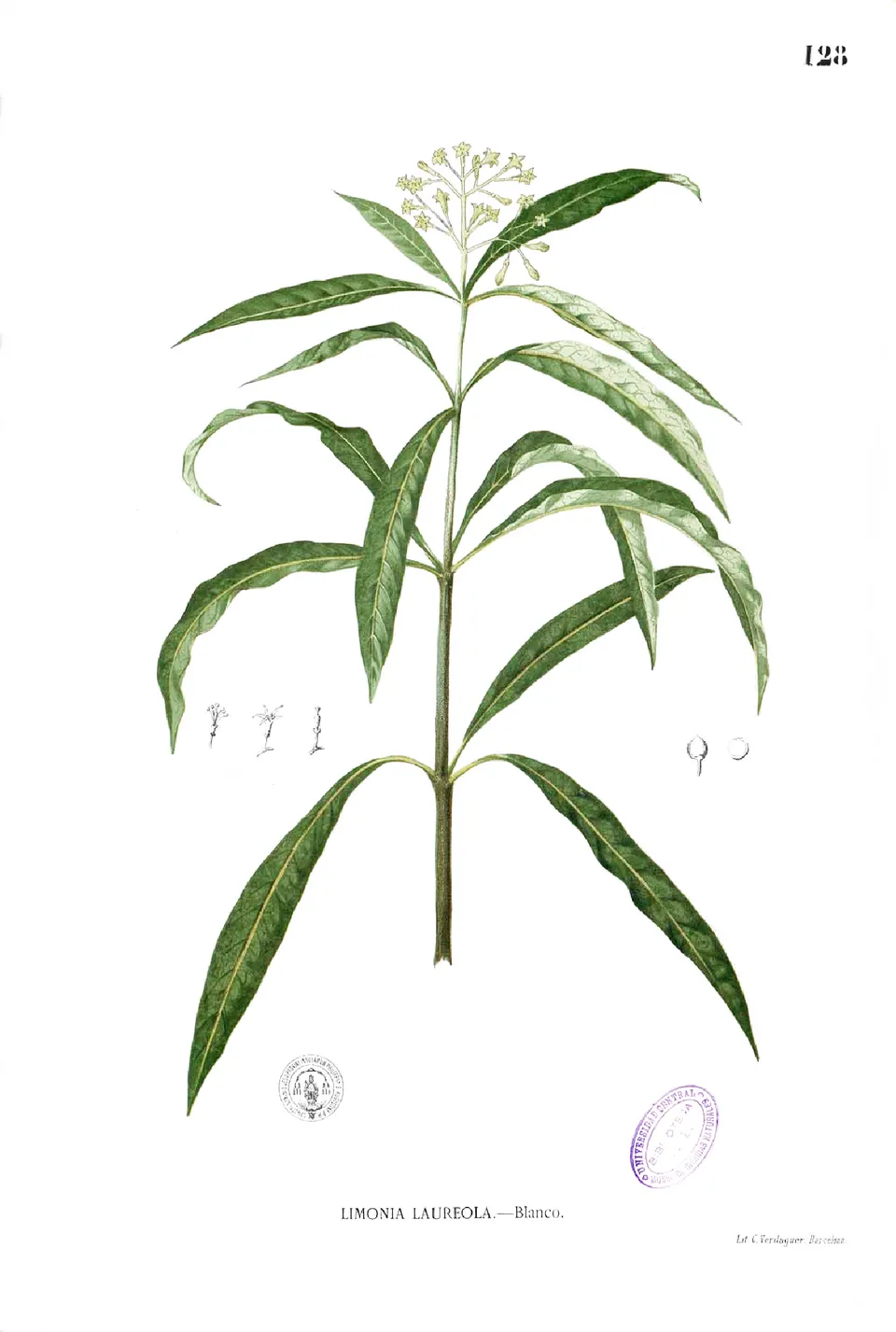
Skimmia laureola, commonly known as Skimmia Med, is an aromatic evergreen shrub native to the temperate high-altitude regions of the Himalayas, extending from northern China to the subalpine zones of Pakistan and India. Belonging to the Rutaceae family, it typically grows to a height of 1 to 2 meters, forming a dense and lush canopy. Its distinctive leaves are glossy, dark green, and elliptical, measuring between 5 to 10 cm in length with smooth, entire margins.
When crushed, the leaves emit a characteristic aromatic scent. In spring, the plant produces clusters of fragrant, creamy-white to pale yellow flowers arranged in axillary umbels, which are highly attractive to local pollinators. The bark of Skimmia laureola is smooth in its younger stages, gradually developing a more fibrous and rugged texture as the plant matures.
It thrives in the understory of forests, preferring moist, well-draining soils and dappled sunlight. Ecologically significant, Skimmia laureola holds a prominent place in regional biodiversity and traditional medicinal systems, distinguishing itself among the approximately ten species within the genus Skimmia for its noted therapeutic properties.
Trusted Scientific References
1. Authoritative external sources for Skimmia laureola
1.1 Wikipedia — Skimmia laureola
1.2 Kew POWO (Plants of the World Online)
1.3 PubMed — peer-reviewed research
1.4 NCBI Taxonomy Browser
1.5 GBIF — Global Biodiversity
1.6Skimmia Med should be interpreted through verified botanical identity, practical care, and responsible safety language. This recovery note adds the missing context needed for a complete profile: match light to the plant's habit, use well-drained soil, water according to season, and avoid unsupported medicinal or edible claims. For publishing, the plant can be presented as a source-backed medicinal plant with clear care guidance, common problem diagnosis, and conservative safety wording.
1.7Skimmia Med (Skimmia laureola) is maintained in this recovery file as a complete medicinal profile with practical care, safety, and identification context. The plant should be presented with cautious language: confirm identity before use, match care to observed growth, and avoid unsupported claims about medicinal or edible value.
1.1.Skimmia Med — Standout Qualities
- ✓Aromatic Himalayan Shrub — Native to temperate regions of the Himalayas, known for its fragrant leaves and flowers.
- ✓Rutaceae Family Member — Belongs to the citrus family, characterized by aromatic essential oils.
- ✓Rich in Monoterpenes — Essential oil dominated by linalyl acetate, linalool, and geranyl acetate.
- ✓Traditional Medicinal Plant — Utilized in Ayurveda and folk practices for various ailments.
- ✓Antispasmodic Activity — Demonstrated ability to relax smooth muscles, beneficial for cramps.
- ✓Broad — spectrum Antimicrobial — Exhibits both antibacterial and antifungal properties.
- ✓Anti — inflammatory & Analgesic — Possesses compounds that reduce inflammation and pain.
- ✓Ethnobotanical Significance — Used culturally for warding off evils and as sacred garlands.
- ✓Adaptable to Partial Shade — Thrives in understory forest conditions with dappled sunlight.
- ✓Potential for Pest Control — Traditional use as an insecticide and anthelmintic.
1.2.Skimmia Med — Snapshot Summary
- ✓Skimmia laureola, or Skimmia Med, is a Himalayan shrub known for its aromatic leaves and medicinal properties.
- ✓Rich in monoterpenes like linalyl acetate, it exhibits significant antispasmodic, antibacterial, and anti-inflammatory activities.
- ✓Traditionally used in Ayurveda and folk medicine for respiratory issues, pain, and infections.
- ✓Modern research supports its traditional uses, highlighting diverse pharmacological actions.
- ✓Caution is advised due to potent chemical constituents and potential for adverse effects, especially with internal use.
- ✓Cultivation requires partial shade, moist, well-draining soil, reflecting its natural habitat.
2.Skimmia Med — Scientific Profile
3.Skimmia Med — Botanical Stats
4.Skimmia Med — Morphological Account
5.Skimmia Med — Habitat & Distribution
6.Skimmia Med — Historical Applications
7.Skimmia Med — Active Compounds
- ✓Monoterpenes — These are the predominant compounds in Skimmia laureola essential oil, accounting for over 90% of its composition, and are largely responsible for its aromatic and biological activities.
- ✓Linalyl Acetate — As the major constituent (up to 50.5%) of the essential oil, this monoterpene ester contributes significantly to the plant's antispasmodic and aromatic properties.
- ✓Linalool — Another key oxygenated monoterpene (around 13.1%), linalool is known for its pleasant floral scent and contributes to the plant's calming and antimicrobial effects.
- ✓Geranyl Acetate — Present at approximately 8.5%, this monoterpene ester adds to the essential oil's characteristic fragrance and potential biological activities.
- ✓Cis-p-Menth-2-en-1-ol — Constituting about 6.2% of the essential oil, this oxygenated monoterpene further contributes to the complex chemical profile and therapeutic effects.
- ✓Sesquiterpenes — Present in smaller quantities (around 0.3%), compounds like caryophyllene oxide are found, contributing subtly to the oil's overall properties.
- ✓Flavonoids — These phenolic compounds are known for their antioxidant and anti-inflammatory activities, supporting the plant's traditional uses in reducing inflammation.
- ✓Alkaloids — Quinoline alkaloids have been isolated, demonstrating cholinesterase inhibiting and calcium blocking properties, indicating potent pharmacological actions.
- ✓Triterpenoids — These diverse compounds are also found in Skimmia laureola, often associated with anti-inflammatory, antimicrobial, and cytotoxic activities.
- ✓Coumarins — Another class of secondary metabolites present, coumarins are known for various biological activities including anticoagulant, anti-inflammatory, and antimicrobial effects.
8.Skimmia Med — Research Insights
- ✓Antispasmodic Activity — The essential oil of Skimmia laureola has demonstrated significant antispasmodic effects, helping to relax smooth muscles and potentially alleviate conditions like intestinal cramps or respiratory spasms.
- ✓Antibacterial Properties — Extracts and essential oils exhibit potent antibacterial activities against various pathogenic strains, offering a natural approach to combating bacterial infections.
- ✓Antifungal Efficacy — Skimmia laureola possesses antifungal properties, which have traditionally been utilized to treat skin infections and other fungal ailments.
- ✓Anti-inflammatory Effects — Compounds isolated from the plant have shown anti-inflammatory activities, making it potentially beneficial for reducing pain and swelling associated with inflammatory conditions.
- ✓Antitussive Action — Traditionally, the dried leaves are used to suppress coughs, providing relief for respiratory discomfort.
- ✓Nasal Decongestant — The smoke from dried leaves is historically employed to clear nasal passages, aiding in the treatment of colds and associated congestion.
- ✓Antipyretic Properties — Folk medicine uses Skimmia Med to help reduce fever, suggesting a natural fever-reducing capacity.
- ✓Antinociceptive (Pain-relieving) — Plant extracts have demonstrated antinociceptive effects, indicating their potential to alleviate various types of pain.
- ✓Cholinesterase Inhibiting — Specific quinoline alkaloids from Skimmia laureola have shown cholinesterase inhibiting properties, which could be relevant in neurological research.
- ✓Calcium Channel Blocking — Certain compounds from the plant exhibit calcium blocking properties, suggesting potential applications in cardiovascular or smooth muscle regulation.
- ✓Joint Health Support — In traditional Chinese medicine, Skimmia laureola is valued for its ability to enhance blood circulation, which is often linked to promoting joint health and mobility.
- ✓Insecticidal and Pesticidal — The dried and crushed leaves have been traditionally used as a natural insecticide and pesticide, repelling various pests.
8.1.Skimmia Med — Therapeutic Indications
9.Skimmia Med — Risk Profile
9.1.Skimmia Med — Warnings
- ✓Skin Irritation — Direct application of undiluted essential oil or extracts can cause skin irritation or allergic reactions in sensitive individuals.
- ✓Gastrointestinal Upset — Internal consumption of large quantities may lead to digestive disturbances due to potent alkaloids.
- ✓Mutagenic Activity — Some plant extracts have shown mutagenic activity in laboratory tests, raising concerns about long-term or high-dose internal use.
- ✓CNS Effects — Alkaloids with cholinesterase inhibiting properties could potentially interact with the central nervous system, leading to adverse effects.
- ✓Photosensitivity — While not widely reported for Skimmia laureola, some Rutaceae family members can cause photosensitivity.
- ✓Allergic Reactions — Individuals sensitive to plants in the Rutaceae family may experience allergic reactions, including skin rashes or respiratory symptoms.
- ✓Toxicity Concerns — Due to the presence of potent compounds like alkaloids, internal use should be approached with extreme caution and professional guidance.
9.2.Skimmia Med — Clinical Safety Notes
- ✓Pregnancy and Lactation — Avoid use during pregnancy and breastfeeding due to insufficient safety data and the presence of potent compounds.
- ✓Children — Not recommended for use in children due to lack of safety studies and potential for adverse effects.
- ✓Pre-existing Conditions — Individuals with heart conditions, neurological disorders, or other chronic illnesses should consult a healthcare professional before use, especially given calcium blocking and cholinesterase inhibiting properties.
- ✓Drug Interactions — Potential for interactions with medications, particularly those affecting the central nervous system, blood pressure, or blood clotting, should be considered.
- ✓Patch Testing — Always perform a patch test for topical applications of essential oils or extracts to check for skin sensitivity.
- ✓Professional Guidance — Internal use of Skimmia laureola should only be undertaken under the supervision of a qualified medical herbalist or healthcare practitioner.
- ✓Dose Dependency — Adhere strictly to recommended dosages, as higher concentrations or prolonged use may increase the risk of adverse effects.
10.Skimmia Med — Application Forms
- ✓Decoction for Internal Use — Leaves and bark can be prepared as a decoction for traditional remedies targeting respiratory issues or inflammation.
- ✓Essential Oil Diffusion — The essential oil, rich in aromatic monoterpenes, can be diffused for its purported calming effects or to clear nasal passages.
- ✓Topical Application (Diluted Essential Oil) — Essential oil, highly diluted in a carrier oil, may be applied topically for localized pain or inflammation, with prior patch testing.
- ✓Inhalation of Dried Leaf Smoke — Traditionally, dried leaves are burned and the smoke inhaled for relief from cold, fever, and headache symptoms.
- ✓Poultice for Skin Conditions — Crushed fresh leaves or bark can be applied as a poultice to skin infections, leveraging its antibacterial and antifungal properties.
- ✓Tincture Preparation — An alcohol-based tincture can be made from the leaves and bark to extract a broader spectrum of medicinal compounds for internal use under professional guidance.
- ✓Veterinary Anthelmintic — Dried and crushed leaves have been traditionally incorporated into animal feed as an anthelmintic to treat parasitic worms in livestock.
- ✓Insect Repellent — Dried leaves can be placed in areas to deter insects, functioning as a natural pesticide.
11.Skimmia Med — Propagation & Care
- ✓Site Selection — Choose a location with dappled sunlight or partial shade, mimicking its natural understory habitat.
- ✓Soil Requirements — Prefers moist, well-draining soil rich in organic matter, with a slightly acidic to neutral pH.
- ✓Watering — Maintain consistent soil moisture, especially during dry periods; avoid waterlogging.
- ✓Propagation — Can be propagated from semi-hardwood cuttings taken in late summer or by seed, though seed germination can be slow and erratic.
- ✓Pruning — Light pruning can be done after flowering to maintain shape and remove any dead or overgrown branches.
- ✓Fertilization — Apply a balanced, slow-release fertilizer in spring to support healthy growth.
- ✓Pest and Disease Management — Generally robust, but monitor for common shrub pests like scale insects or spider mites, and fungal issues in overly damp conditions.
- ✓Winter Protection — In colder temperate zones, provide some winter protection for young plants to guard against severe frosts.
Reviewed by the Flora Medical Global Botanical Review Panel
Multi-disciplinary editorial group · Botany · Ethnobotany · Herbal-medicine literature
Who reviewed this: This page was checked by the Flora Medical Global Botanical Review Panel — an in-house editorial group of botany graduates, ethnobotany researchers, and horticulture practitioners who collectively maintain our 7,000+ plant encyclopedia. Meet the team.
Our 4-step verification process
1. Taxonomic verification
Scientific names and synonyms cross-checked against Kew POWO, World Flora Online, and The Plant List.
2. Phytochemical & medicinal cross-reference
Active compounds, traditional uses, and reported activities are cross-referenced with PubMed, USDA Dr. Duke's database, and peer-reviewed ethnobotanical literature.
3. Conservation & distribution check
Distribution, ecology, and conservation status confirmed against GBIF occurrence records and the IUCN Red List.
4. Editorial & safety review
Every entry passes an editorial pass for clarity, originality, and safety notices (toxicity, contraindications, dosage caveats) before publication.
Last reviewed:
Important medical disclaimer: This content is for educational and research purposes only. It is not medical advice and is not a substitute for consultation with a licensed healthcare provider. Do not use any herb to self-treat a medical condition without professional guidance.
Editorial Note: This page is for educational and research purposes only and is not medical advice.
Written by: Flora Medical Global Editorial Team
Reviewed by: Flora Medical Global Botanical Review Panel
Last Updated: June 15, 2026





Skimmia Med — Comments & Community Reviews
Rate this plant