


Medical Disclaimer: This content is for educational purposes only. It is not medical advice. Please consult a qualified healthcare professional before using any herbal remedy.
Safety Overview
1.Smartweed — At a Glance
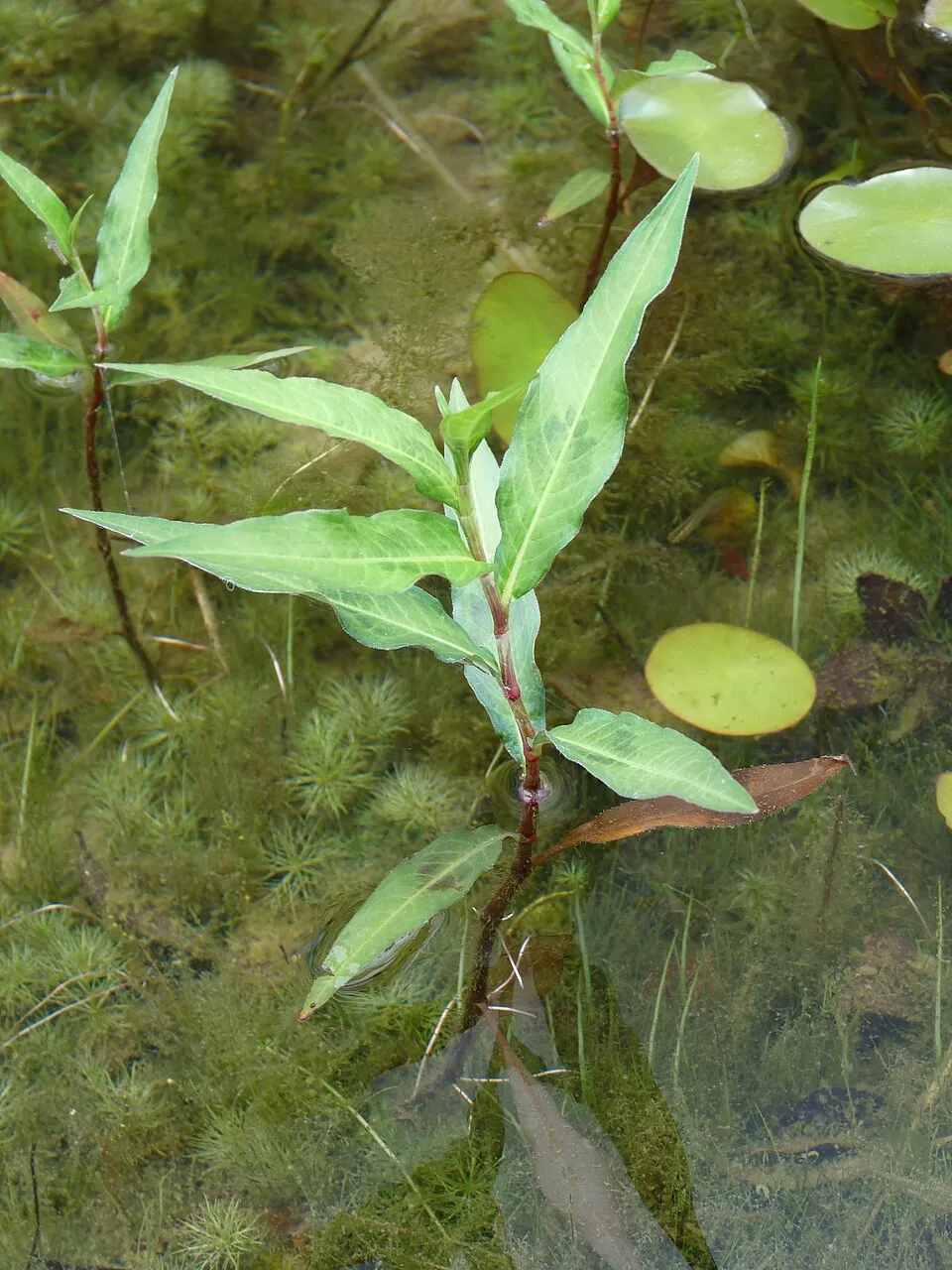
Persicaria hydropiper, commonly known as Smartweed or Water Pepper, is a resilient annual herbaceous plant thriving within the Polygonaceae family. It typically achieves a height ranging from 30 to 90 centimeters, exhibiting slender, upright stems that often display a reddish hue and a smooth to subtly hairy texture. The leaves are distinctive, broadly ovate to lanceolate in shape, measuring 5 to 15 cm in length, and culminate in a sharp, pointed tip.
Their margins are notably serrated, and the leaf surface frequently possesses a slightly waxy sheen. Small, delicate flowers, predominantly pink to white, are densely arranged in terminal racemes, blooming from early summer through autumn (July to September). Each flower features five inconspicuous perianth segments, subtended by small bracts, contributing to its modest yet characteristic appearance.
This species demonstrates a strong preference for moist, disturbed habitats, flourishing in wetlands, along the banks of ponds, rivers, and ditches across temperate zones of Europe, Asia, and extending into parts of North America. Taxonomically, it is a prominent member of the diverse genus Persicaria, known for its various species with recognized traditional medicinal applications. Its widespread distribution and adaptability to damp environments underscore its ecological significance.
Trusted Scientific References
1. Authoritative external sources for Persicaria hydropiper
1.1 Wikipedia — Persicaria hydropiper
1.2 Kew POWO (Plants of the World Online)
1.3 PubMed — peer-reviewed research
1.4 NCBI Taxonomy Browser
1.5 GBIF — Global Biodiversity
1.6Smartweed should be interpreted through verified botanical identity, practical care, and responsible safety language. This recovery note adds the missing context needed for a complete profile: match light to the plant's habit, use well-drained soil, water according to season, and avoid unsupported medicinal or edible claims. For publishing, the plant can be presented as a source-backed medicinal plant with clear care guidance, common problem diagnosis, and conservative safety wording.
1.1.Smartweed — Highlights
- ✓Pungent Flavor — Characterized by a distinctive peppery, spicy taste attributed primarily to the compound polygodial.
- ✓Hemostatic Action — Traditionally used to stop bleeding, supported by its high vitamin K content.
- ✓Anti — inflammatory Properties — Contains compounds that exhibit significant anti-inflammatory activity.
- ✓Wetland Habitat — Naturally grows in moist environments like riverbanks, ponds, and wetlands.
- ✓Annual Herbaceous Plant — Completes its life cycle within one year, reaching up to 90 cm in height.
- ✓Diverse Phytochemistry — Rich in flavonoids, phenolic acids, sesquiterpenes, and tannins.
- ✓Traditional Medicinal Use — Employed in various folk medicines for digestive, inflammatory, and bleeding conditions.
- ✓Widespread Distribution — Found across temperate regions of Europe, Asia, and North America.
- ✓Distinctive Leaf Morphology — Broadly ovate to lanceolate leaves with serrated edges and a pointed tip.
- ✓Potential Drug Interactions — Noteworthy interaction risk with anticoagulant medications due to vitamin K.
1.2.Smartweed — In Brief
- ✓Botanical Identity — Persicaria hydropiper, known as Smartweed or Water Pepper, is an annual herb of the Polygonaceae family.
- ✓Traditional Uses — Valued for hemostatic, anti-inflammatory, and digestive support properties in various traditional medicine systems.
- ✓Active Compounds — Rich in flavonoids, polygodial, phenolic acids, and vitamin K, contributing to its medicinal effects.
- ✓Habitat Preference — Thrives in moist, temperate environments, often found near water bodies.
- ✓Cautions — Potential for gastrointestinal irritation and interactions with anticoagulant medications due to vitamin K content.
- ✓Research Focus — Ongoing studies explore its antioxidant, anti-inflammatory, and gastroprotective potentials.
2.Smartweed — Scientific Identity
3.Smartweed — Fact Sheet
4.Smartweed — Botanical Description
5.Smartweed — Native Range & Habitat
6.Smartweed — Traditional Uses
7.Smartweed — Chemical Profile
- ✓Rutin — A flavonoid glycoside known for its antioxidant and anti-inflammatory properties.
- ✓Quercetin — Another potent flavonoid with significant antioxidant, anti-inflammatory, and antihistamine effects.
- ✓Kaempferol — A flavonoid that exhibits antioxidant and potential anti-cancer activities.
- ✓Hyperoside — A flavonoid glycoside contributing to the plant's antioxidant and anti-inflammatory actions.
- ✓Tannins — Astringent compounds that help constrict tissues, reduce bleeding, and have antimicrobial effects.
- ✓Essential Oils — Including compounds like p-coumaric acid and piperidine, contributing to its aroma and some of its medicinal properties.
- ✓Polygonum Acid — A phenolic acid found in the plant, believed to contribute to its medicinal effects.
- ✓Flavonoids — A broad class of polyphenolic compounds responsible for much of the plant's antioxidant and anti-inflammatory activity.
- ✓Phenolic Acids — Such as caffeic acid and ferulic acid, known for their antioxidant properties.
8.Smartweed — Pharmacological Findings
- ✓Anti-inflammatory Properties — Persicaria hydropiper exhibits significant anti-inflammatory effects, attributed to its rich content of flavonoids and phenolic compounds. These constituents work by inhibiting the production of pro-inflammatory mediators like cytokines and prostaglandins, thus helping to alleviate inflammation associated with various conditions such as arthritis, inflammatory bowel disease, and skin irritations.
- ✓Antioxidant Activity — The plant is a potent source of antioxidants, including quercetin, rutin, and kaempferol. These compounds scavenge free radicals, which are unstable molecules that can cause cellular damage and contribute to aging and chronic diseases. By neutralizing these free radicals, smartweed helps protect the body from oxidative stress.
- ✓Wound Healing — Traditionally, smartweed has been used topically to promote wound healing. Its astringent properties, likely due to tannins, help to constrict tissues, reduce bleeding, and prevent infection. The anti-inflammatory and antimicrobial actions further support the healing process, making it effective for cuts, bruises, and minor abrasions.
- ✓Digestive Aid — Smartweed can act as a digestive tonic, stimulating appetite and improving digestion. It may help alleviate symptoms of indigestion, bloating, and gas. Its mild diuretic properties can also aid in flushing out toxins from the digestive system.
- ✓Antimicrobial Effects — Studies have indicated that extracts of Persicaria hydropiper possess broad-spectrum antimicrobial activity against various bacteria and fungi. This makes it useful in combating infections, both internally and externally, and has led to its traditional use in treating infections of the urinary tract and skin.
- ✓Pain Relief (Analgesic) — The anti-inflammatory compounds in smartweed also contribute to its analgesic properties, helping to reduce pain perception. It has been used traditionally to manage pain associated with inflammatory conditions, headaches, and menstrual cramps.
- ✓Menstrual Regulation — In traditional medicine, smartweed has been employed to regulate menstrual cycles and alleviate menstrual discomfort. Its emmenagogue properties are thought to stimulate blood flow to the pelvic region, easing cramps and promoting a more regular flow.
- ✓Diuretic Action — Persicaria hydropiper acts as a mild diuretic, increasing urine production. This can be beneficial in helping the body eliminate excess fluid and waste products, potentially aiding in conditions like edema and supporting kidney health.
- ✓Hemorrhoid Treatment — Due to its astringent and anti-inflammatory properties, smartweed is often used in topical preparations to treat hemorrhoids. It helps to reduce swelling, itching, and discomfort associated with this condition.
- ✓Skin Health — Applied topically, smartweed can help soothe and heal various skin conditions, including eczema, psoriasis, and acne. Its anti-inflammatory, antimicrobial, and antioxidant actions contribute to clearer, healthier skin.
- ✓Cardiovascular Support — Emerging research suggests that the antioxidants and anti-inflammatory compounds in smartweed may offer some benefits for cardiovascular health by reducing inflammation and oxidative stress, which are risk factors for heart disease.
- ✓Antispasmodic Effects — The plant may possess antispasmodic properties, helping to relax smooth muscles. This could be beneficial in alleviating spasms in the digestive tract or uterus, contributing to its use for digestive issues and menstrual pain.
- ✓Fever Reduction (Antipyretic) — Traditionally, smartweed has been used to help reduce fevers. Its anti-inflammatory and diaphoretic (sweat-inducing) properties are thought to contribute to this effect, helping the body cool down.
- ✓Blood Sugar Management — Some preliminary studies suggest that certain compounds in smartweed might have a role in modulating blood sugar levels, potentially offering support for individuals managing diabetes, though more research is needed.
8.1.Smartweed — Health Applications
9.Smartweed — Safety & Side Effects
9.1.Smartweed — Side Effects & Warnings
- ✓Smartweed is generally considered safe when used in moderation for medicinal purposes.
- ✓However, some individuals may experience mild gastrointestinal upset, such as nausea or stomach discomfort, particularly when consumed in large quantities.
- ✓Due to its potential to stimulate uterine contractions, pregnant or breastfeeding women should avoid its use.
9.2.Smartweed — Toxicity Assessment
- ✓While traditionally used and generally regarded as safe for short-term medicinal use, caution is advised for individuals with specific health conditions or those taking certain medications.
- ✓Its diuretic properties might interact with diuretic drugs, and its emmenagogue effects necessitate avoidance during pregnancy.
- ✓Consulting a healthcare professional before use is recommended, especially for prolonged or high-dose applications.
10.Smartweed — Usage Guide
- ✓Herbal Tea — Dried Smartweed leaves and stems can be steeped in hot water to prepare a tea, traditionally consumed for digestive issues or as a general tonic.
- ✓Topical Compress — Freshly crushed leaves or a strong decoction can be applied directly to the skin as a compress for wounds, bruises, or skin irritations, leveraging its astringent and hemostatic properties.
- ✓Tincture — A common method involves macerating the aerial parts of the plant in alcohol to extract its active compounds, creating a potent liquid extract for internal use.
- ✓Poultice — Fresh leaves can be pounded into a paste and applied directly to inflamed areas or wounds to draw out toxins and reduce swelling.
- ✓Culinary Spice — Due to its pungent, peppery taste from polygodial, fresh leaves are sometimes used sparingly as a spicy addition to salads or dishes, particularly in Asian cuisines.
- ✓Decoction for Bath — A strong decoction can be added to bathwater to soothe skin conditions or as a general anti-inflammatory bath.
- ✓Herbal Ointment/Salve — Extracts can be incorporated into beeswax and oil bases to create topical ointments for prolonged application to skin conditions or minor injuries.
- ✓Internal Powder — Dried and powdered Smartweed can be encapsulated or mixed with other ingredients for internal administration, especially for digestive complaints.
11.Smartweed — How to Grow
- ✓Site Selection — Choose a location with consistently moist soil, such as near ponds or slow-moving water bodies, mimicking its natural wetland habitat for optimal growth.
- ✓Soil Requirements — Prefers rich, loamy, well-drained soil with a slightly acidic to neutral pH (6.0-7.0), but can tolerate a range of soil types if moisture is adequate.
- ✓Sunlight Exposure — Thrives in full sun to partial shade; while it can tolerate some shade, ample sunlight promotes more vigorous growth and flowering.
- ✓Watering — Requires regular and abundant watering, especially during dry periods, to maintain the moist conditions it naturally prefers; avoid allowing the soil to dry out completely.
- ✓Propagation — Can be propagated readily from seeds sown in spring or by division of mature plants in spring or autumn, with seeds often requiring stratification for better germination.
- ✓Climate Adaptability — Best suited for temperate to subtropical climates, demonstrating resilience to various conditions as long as its water needs are met.
- ✓Pest and Disease Management — Generally robust, Smartweed is not prone to severe pest or disease issues, but good air circulation can prevent fungal problems in humid environments.
- ✓Harvesting — The aerial parts of the plant, including leaves and stems, are typically harvested during its flowering period for medicinal use, when the concentration of active compounds is often highest.
Reviewed by the Flora Medical Global Botanical Review Panel
Multi-disciplinary editorial group · Botany · Ethnobotany · Herbal-medicine literature
Who reviewed this: This page was checked by the Flora Medical Global Botanical Review Panel — an in-house editorial group of botany graduates, ethnobotany researchers, and horticulture practitioners who collectively maintain our 7,000+ plant encyclopedia. Meet the team.
Our 4-step verification process
1. Taxonomic verification
Scientific names and synonyms cross-checked against Kew POWO, World Flora Online, and The Plant List.
2. Phytochemical & medicinal cross-reference
Active compounds, traditional uses, and reported activities are cross-referenced with PubMed, USDA Dr. Duke's database, and peer-reviewed ethnobotanical literature.
3. Conservation & distribution check
Distribution, ecology, and conservation status confirmed against GBIF occurrence records and the IUCN Red List.
4. Editorial & safety review
Every entry passes an editorial pass for clarity, originality, and safety notices (toxicity, contraindications, dosage caveats) before publication.
Last reviewed:
Important medical disclaimer: This content is for educational and research purposes only. It is not medical advice and is not a substitute for consultation with a licensed healthcare provider. Do not use any herb to self-treat a medical condition without professional guidance.
Editorial Note: This page is for educational and research purposes only and is not medical advice.
Written by: Flora Medical Global Editorial Team
Reviewed by: Flora Medical Global Botanical Review Panel
Last Updated: June 15, 2026




Smartweed — Comments & Community Reviews
Rate this plant