

Medical Disclaimer: This content is for educational purposes only. It is not medical advice. Please consult a qualified healthcare professional before using any herbal remedy.
Safety Overview
1.Soap Bark Tree — Essential Profile
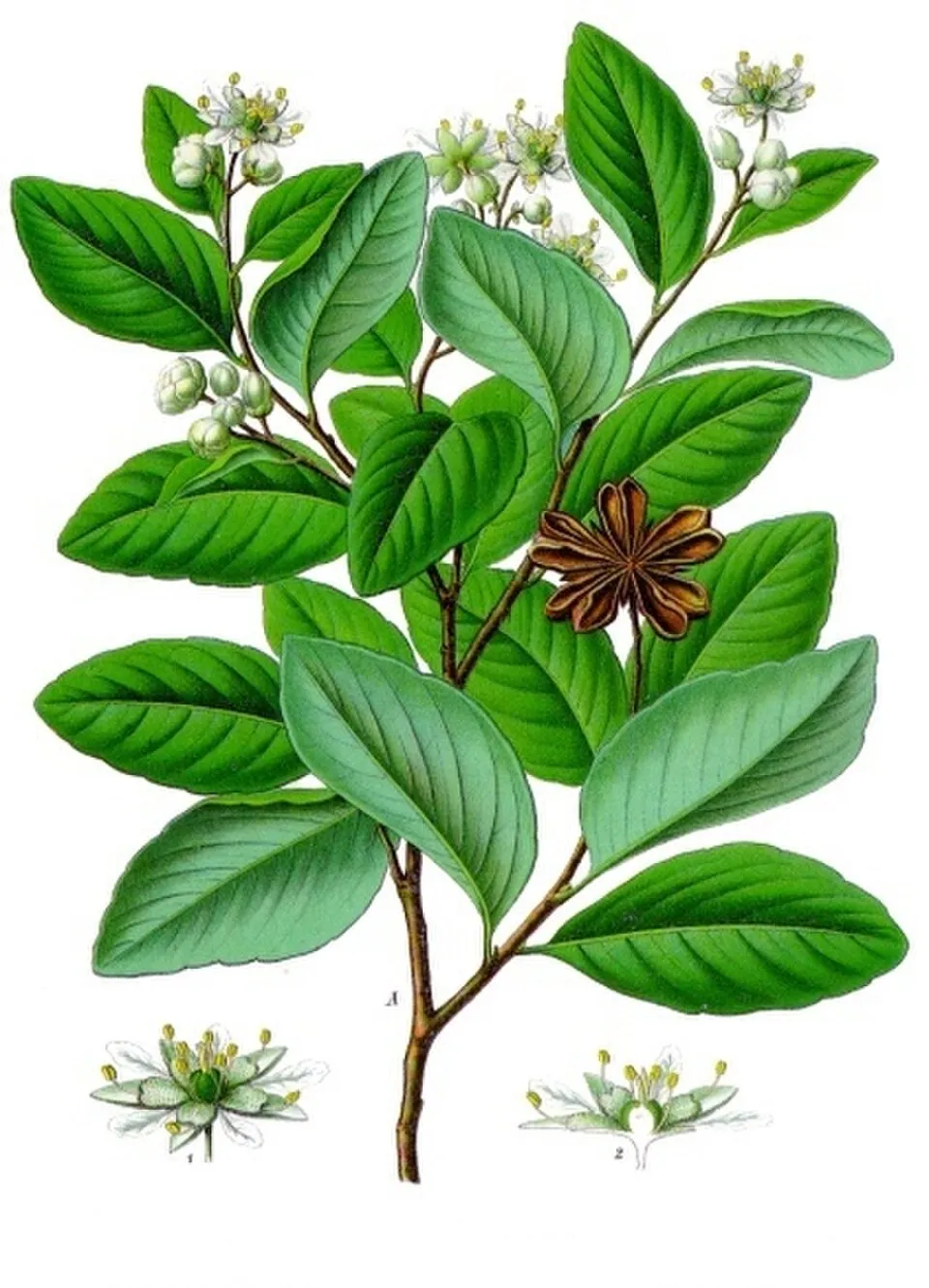
The Soap Bark Tree, scientifically known as Quillaja saponaria Molina, is a majestic evergreen tree native to the central and southern regions of Chile and Peru. It typically grows to impressive heights of up to 18 meters (59 feet) and a trunk diameter exceeding 60 centimeters (24 inches), often exhibiting a distinctive pyramidal crown. Its bark is characterized by a gray to brownish hue, featuring smooth to slightly fissured textures that contrast beautifully with its dense, vibrant foliage.
The leaves are dark green, thick, shiny, lanceolate in shape, and measure approximately 2 to 8 centimeters (0.8 to 3.1 inches) in length, arranged alternately along the stems. From late spring to early summer, Quillaja saponaria produces an abundance of small, white to pale pink or purple-tinged flowers clustered in striking inflorescences, emitting a fragrant scent that attracts various pollinators, including bees. This tree thrives in well-drained soils, commonly found in scrublands, montane forests, and is increasingly cultivated in regions like Southern California.
Beyond its ecological role in supporting local ecosystems and providing shade, the Soap Bark Tree holds significant economic importance due to its unique chemical composition and versatile applications, from traditional cleansing aids to modern pharmaceutical research.
Trusted Scientific References
1. Authoritative external sources for Quillaja saponaria
1.1 Wikipedia — Quillaja saponaria
1.2 Kew POWO (Plants of the World Online)
1.3 PubMed — peer-reviewed research
1.4 NCBI Taxonomy Browser
1.5 GBIF — Global Biodiversity
1.6Soap Bark Tree should be interpreted through verified botanical identity, practical care, and responsible safety language. This recovery note adds the missing context needed for a complete profile: match light to the plant's habit, use well-drained soil, water according to season, and avoid unsupported medicinal or edible claims. For publishing, the plant can be presented as a source-backed medicinal plant with clear care guidance, common problem diagnosis, and conservative safety wording.
1.1.Soap Bark Tree — Notable Characteristics
- ✓Evergreen Tree — A large, long-lived evergreen tree reaching up to 18 meters.
- ✓Saponin — Rich Bark — The primary source of triterpenoid saponins with diverse applications.
- ✓Natural Foaming Agent — Historically used as a soap substitute and currently in food and cosmetics.
- ✓Immune Adjuvant — QS-21 saponin is a critical component in vaccine research.
- ✓Anti — inflammatory Potential — Exhibits properties beneficial for reducing inflammation.
- ✓Antimicrobial Activity — Demonstrates effects against bacteria, viruses, and parasites in vitro.
- ✓Native to South America — Indigenous to Chile and Peru, adapted to temperate climates.
- ✓Traditional Medicinal Uses — Employed for cough, bronchitis, and scalp conditions.
- ✓Distinctive Morphology — Features a pyramidal shape, dark green lanceolate leaves, and white flowers.
- ✓Dual Nature — Valued for both its medicinal properties and its industrial applications.
1.2.Soap Bark Tree — At-a-Glance Summary
- ✓Native to Chile and Peru, the Soap Bark Tree is a large evergreen known for its saponin-rich bark.
- ✓Traditionally used as a cleansing agent and for cough/bronchitis relief.
- ✓Modern research highlights its anti-inflammatory, antimicrobial, and significant immune adjuvant properties.
- ✓Contains potent triterpenoid saponins like quillaic acid and QS-21.
- ✓Highly toxic in large oral doses, but safe for use as a food additive in minimal quantities.
- ✓Avoid use during pregnancy and lactation due to insufficient safety data.
2.Soap Bark Tree — Botanical Identity
3.Soap Bark Tree — Fact Sheet
4.Soap Bark Tree — Botanical Description
5.Soap Bark Tree — Origin & Spread
6.Soap Bark Tree — Folk Medicine Applications
7.Soap Bark Tree — Phytochemistry
- ✓Triterpenoid Saponins — These are the primary active compounds, including quillaic acid and hydroxygypsogenin, often acetylated and linked to sugar moieties, responsible for the foaming properties and many biological activities.
- ✓QS-21 Saponin — A highly purified and potent saponin fraction from Quillaja saponaria, extensively investigated for its powerful adjuvant properties in vaccine development to enhance immune responses.
- ✓Phenolic Compounds — The wood extracts contain various phenolics, with (+)-piscidic acid being a major constituent, contributing to antioxidant and potentially other biological effects.
- ✓Tannins — Present in the bark, tannins are polyphenolic compounds known for their astringent properties and potential antioxidant activity.
- ✓Flavonoids — Identified in general phytochemical screenings, these compounds are known for their antioxidant, anti-inflammatory, and other beneficial properties.
- ✓Alkaloids — While present in lesser amounts, alkaloids are a diverse group of nitrogen-containing compounds with various pharmacological activities.
- ✓Terpenoids — Beyond saponins, other terpenoid compounds contribute to the plant's overall chemical profile and potential medicinal effects.
- ✓Phenolic Acids — These contribute to the plant's antioxidant capacity and are often found alongside other phenolic compounds.
- ✓Calcium Oxalate — Found in the bark, this mineral component is a common structural inclusion in many plants.
8.Soap Bark Tree — Pharmacological Findings
- ✓Immune Support — Quillaja saponins, particularly QS-21, are extensively studied as potent adjuvants, stimulating macrophage activity and enhancing both antibody and cytotoxic T-cell responses to vaccines against various diseases.
- ✓Anti-inflammatory Effects — Quillaic acid, a key triterpenoid from Quillaja saponaria, has demonstrated significant topical anti-inflammatory activity, while saponins have shown hepatoprotective effects against oxidative mechanisms in animal studies.
- ✓Antimicrobial Properties — Saponins extracted from the Soap Bark Tree exhibit a broad spectrum of antimicrobial activity, including viricidal effects against enveloped viruses by disrupting cell membranes and in vitro activity against Trichomonas vaginalis and Staphylococcus aureus.
- ✓Antiviral Activity — Research indicates that Quillaja extracts can possess antiviral effects against specific viruses like rotavirus and reovirus in laboratory settings, suggesting potential for novel antiviral agents.
- ✓Cholesterol-Lowering Effects — In vitro digestion models have shown that dry, non-purified Quillaja extract can help lower cholesterol levels, primarily through the action of its saponins and polyphenols which form small aggregates.
- ✓Traditional Cough and Bronchitis Relief — Historically, infusions or preparations from the bark have been used orally in traditional medicine systems to alleviate symptoms associated with coughs and bronchitis.
- ✓Scalp Health and Dandruff Treatment — Topically, Quillaja saponaria has been traditionally applied to the scalp to relieve itchiness and reduce dandruff, leveraging its cleansing and potentially anti-inflammatory properties.
- ✓Potential Cytotoxic Activity — Certain fractions of Quillaja saponaria have shown cytotoxic effects against various cancer cell lines in in vitro studies, with ongoing research exploring their therapeutic potential, often in nanoparticle formulations.
- ✓Digestive Health Support — While large doses are toxic, traditional uses in very small, controlled amounts may have contributed to general digestive wellness, though this area requires cautious interpretation due to safety concerns.
- ✓Natural Cleansing Agent — The bark's high saponin content makes it a traditional and effective natural cleansing aid, used historically in South America for washing clothes and as a foaming agent.
8.1.Soap Bark Tree — Health Applications
9.Soap Bark Tree — Cautions & Contraindications
9.1.Soap Bark Tree — Side Effects & Warnings
- ✓Liver Damage — Ingestion of large amounts of Quillaja bark can lead to severe liver damage, highlighting its significant toxicity at high doses.
- ✓Gastric Pain and Diarrhea — High oral doses are associated with severe gastrointestinal distress, including intense gastric pain and persistent diarrhea.
- ✓Hemolysis — Large amounts of ingested saponins can cause hemolysis, the destruction of red blood cells, which is a serious systemic toxic effect.
- ✓Respiratory Failure, Convulsions, Coma — Acute, severe toxic effects following ingestion of excessive doses can include respiratory failure, neurological disturbances like convulsions, and ultimately coma.
- ✓Rhinitis and Asthma — Occupational exposure to Quillaja bark dust has been reported to cause respiratory symptoms such as rhinitis, wheezing, and asthma in susceptible individuals.
- ✓Anaphylaxis — A severe allergic reaction, including anaphylaxis, has been documented in a patient after a bronchial challenge test with Quillaja bark extract, indicating potential for hypersensitivity.
- ✓Increased E. coli Growth — Paradoxically, some in vitro studies showed Quillaja extracts increased the growth of multidrug-resistant E. coli strains and enhanced their growth in the presence of antibiotics.
9.2.Soap Bark Tree — Safety Overview
- ✓Avoid Large Oral Doses — Quillaja saponaria bark is toxic when ingested orally in large quantities, with severe adverse effects on multiple organ systems.
- ✓Pregnancy and Lactation — Use should be avoided during pregnancy and lactation due to a lack of sufficient safety and efficacy data for these populations.
- ✓Occupational Exposure Risk — Individuals working with Quillaja bark or its dust should take precautions to avoid inhalation, as it can trigger respiratory issues, including asthma and rhinitis.
- ✓FDA Status as Food Additive — Quillaja extract is permitted by the US FDA as a natural flavoring and foaming agent in foods when used in very small, controlled amounts (e.g., 0.01%).
- ✓No Documented Drug Interactions — Currently, no significant drug interactions for Quillaja saponaria are well-documented, though caution is always advised.
- ✓Contraindications — Specific contraindications beyond large oral doses, pregnancy, and lactation have not been widely identified, but individual sensitivities are possible.
- ✓Purity and Standardization — The composition and purity of Quillaja extracts can vary greatly, posing challenges for consistent dosing and safety in non-standardized preparations.
10.Soap Bark Tree — Preparations & Uses
- ✓Traditional Oral Preparations — Small, diluted amounts of bark infusions were historically used to alleviate coughs and bronchitis, always with extreme caution due to toxicity concerns.
- ✓Topical Applications — Decoctions or extracts from the bark are traditionally applied externally to the scalp to address dandruff and itchiness, utilizing its cleansing properties.
- ✓Foaming Agent in Food — Highly purified Quillaja extracts are approved for use as natural flavoring and foaming agents in certain beverages and cocktail mixes, typically at concentrations around 0.01%.
- ✓Washing Aid — The bark, rich in saponins, has been traditionally employed in South America as a natural soap substitute for washing clothes.
- ✓Research Extracts — Specific saponin fractions, like QS-21, are isolated and purified for scientific research, particularly in vaccine adjuvant development.
- ✓Commercial Products — Extracts are incorporated into various commercial products, including natural shampoos, detergents, and some cosmetic formulations for their surfactant properties.
- ✓Veterinary Medicine — Saponins from Quillaja saponaria have been explored for their use in animal vaccines and as feed additives.
11.Soap Bark Tree — Garden Cultivation
- ✓Climate Preference — Thrives in temperate climates, native to central and southern Chile, and successfully cultivated in similar regions like Southern California.
- ✓Soil Requirements — Prefers well-drained soils; adaptable to various soil types but good drainage is crucial to prevent root rot.
- ✓Sunlight Exposure — Requires adequate sunlight, ideally full sun exposure for optimal growth and flowering.
- ✓Watering Regimen — Benefits from regular watering, especially when young, but becomes moderately drought-tolerant once established.
- ✓Growth Habit — Can grow into a large tree, reaching up to 18 meters, with a robust root system, suitable for larger landscapes.
- ✓Propagation — Can be propagated from seeds, which may require scarification, or from cuttings.
- ✓Harvesting — The inner bark is typically harvested for commercial and medicinal use, often requiring careful debarking to ensure tree survival.
- ✓Pest and Disease Resistance — Generally robust, with good resistance to most common pests and diseases when grown in suitable conditions.
Reviewed by the Flora Medical Global Botanical Review Panel
Multi-disciplinary editorial group · Botany · Ethnobotany · Herbal-medicine literature
Who reviewed this: This page was checked by the Flora Medical Global Botanical Review Panel — an in-house editorial group of botany graduates, ethnobotany researchers, and horticulture practitioners who collectively maintain our 7,000+ plant encyclopedia. Meet the team.
Our 4-step verification process
1. Taxonomic verification
Scientific names and synonyms cross-checked against Kew POWO, World Flora Online, and The Plant List.
2. Phytochemical & medicinal cross-reference
Active compounds, traditional uses, and reported activities are cross-referenced with PubMed, USDA Dr. Duke's database, and peer-reviewed ethnobotanical literature.
3. Conservation & distribution check
Distribution, ecology, and conservation status confirmed against GBIF occurrence records and the IUCN Red List.
4. Editorial & safety review
Every entry passes an editorial pass for clarity, originality, and safety notices (toxicity, contraindications, dosage caveats) before publication.
Last reviewed:
Important medical disclaimer: This content is for educational and research purposes only. It is not medical advice and is not a substitute for consultation with a licensed healthcare provider. Do not use any herb to self-treat a medical condition without professional guidance.
Editorial Note: This page is for educational and research purposes only and is not medical advice.
Written by: Flora Medical Global Editorial Team
Reviewed by: Flora Medical Global Botanical Review Panel
Last Updated: June 15, 2026




Soap Bark Tree — Comments & Community Reviews
Rate this plant