

Medical Disclaimer: This content is for educational purposes only. It is not medical advice. Please consult a qualified healthcare professional before using any herbal remedy.
Safety Overview
1.Sophora — Essential Profile
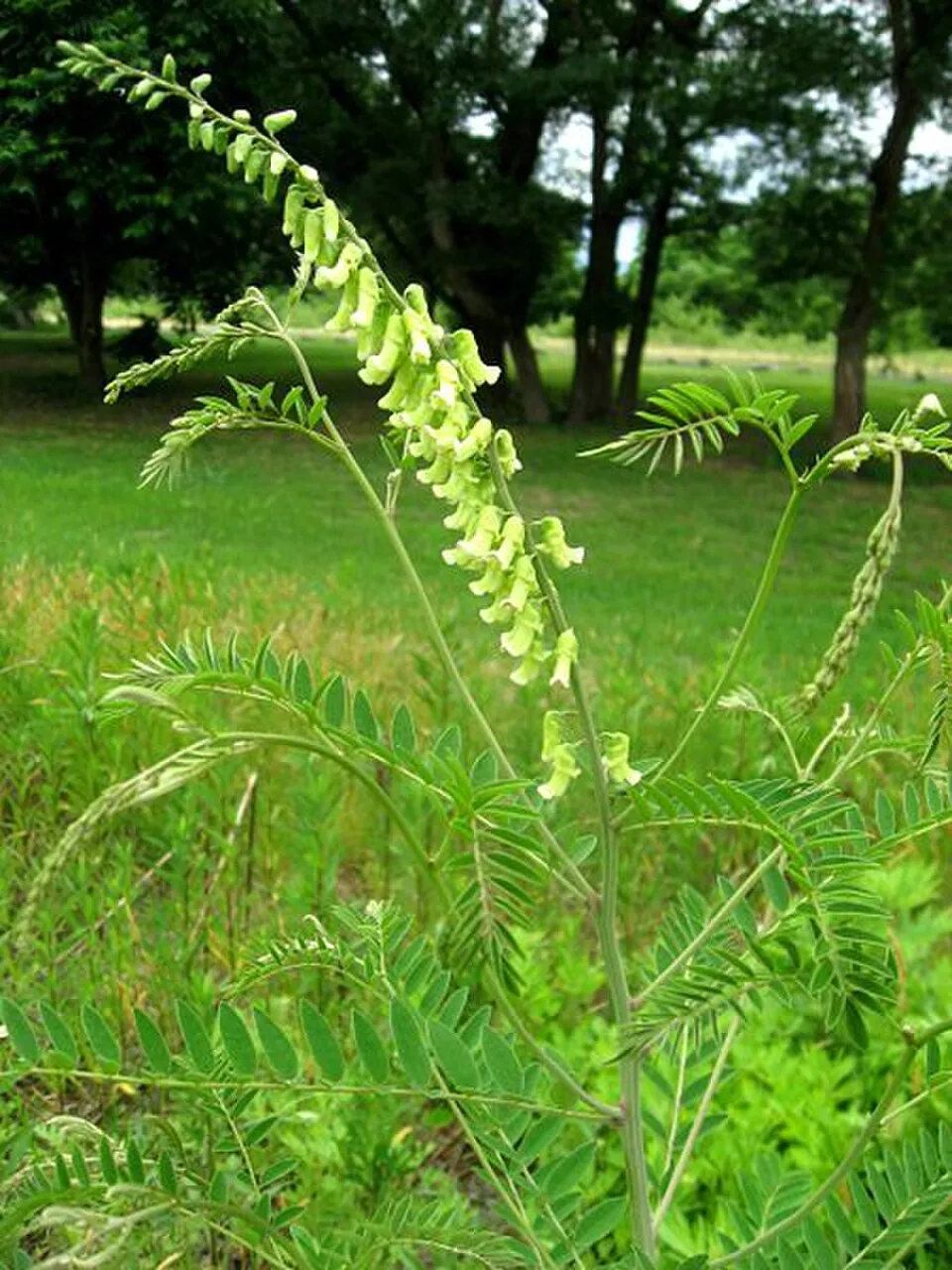
Sophora flavescens Aiton, commonly known as Kushen in Traditional Chinese Medicine (TCM), is a significant perennial herb or small shrub belonging to the Fabaceae family. This esteemed plant typically grows to a height of 1 to 2 meters, characterized by its odd-pinnately compound leaves, which consist of numerous small, ovate to oblong leaflets.
Its flowers are usually pale yellow, arranged in racemes, giving way to legume pods containing small seeds. The primary medicinal part of Sophora flavescens is its robust, often cylindrical root, which has a distinct bitter taste and a yellow-brown exterior.
Native to East Asia, Sophora flavescens is widely distributed across China, Japan, Korea, India, and parts of Siberia. It thrives in diverse environments, from plains and hillsides to sandy soils, generally preferring well-drained soil conditions and adequate sunlight.
The plant's adaptability has allowed it to become a staple in various traditional medical systems across these regions for millennia. Taxonomically, it is one of about 52 species within the genus Sophora, with China alone hosting 21 distinct species, highlighting its botanical significance and regional diversity.
Trusted Scientific References
1. Authoritative external sources for Sophora flavescens
1.1 Wikipedia — Sophora flavescens
1.2 Kew POWO (Plants of the World Online)
1.3 PubMed — peer-reviewed research
1.4 NCBI Taxonomy Browser
1.5 GBIF — Global Biodiversity
1.6Sophora should be interpreted through verified botanical identity, practical care, and responsible safety language. This recovery note adds the missing context needed for a complete profile: match light to the plant's habit, use well-drained soil, water according to season, and avoid unsupported medicinal or edible claims. For publishing, the plant can be presented as a source-backed medicinal plant with clear care guidance, common problem diagnosis, and conservative safety wording.
1.7Sophora (Sophora flavescens) is maintained in this recovery file as a complete medicinal profile with practical care, safety, and identification context. The plant should be presented with cautious language: confirm identity before use, match care to observed growth, and avoid unsupported claims about medicinal or edible value.
1.1.Sophora — Distinguishing Points
- ✓Scientific Name — Sophora flavescens Aiton.
- ✓Common Names — Kushen (苦参), Kujinn (Japan), Kosam (Korea).
- ✓Family — Fabaceae (Leguminosae), pea family.
- ✓Primary Medicinal Part — The dried root, known for its bitter taste.
- ✓Key Bioactive Compounds — Quinolizidine alkaloids (matrine, oxymatrine, sophocarpine) and various flavonoids.
- ✓Traditional Uses — Heat-clearing, dampness-dispelling, insecticidal, diuretic, and antiallergic.
- ✓Modern Research — Extensive studies validating its anti-inflammatory, anticancer, immunomodulatory, and hepatoprotective effects.
- ✓Geographical Distribution — Predominantly found across East Asia, including China, Japan, Korea, and parts of Russia.
- ✓Growth Habit — Typically grows as a shrub or small tree in temperate to subtropical regions.
- ✓Pharmacopoeial Recognition — Included in the Chinese Pharmacopoeia, with specific standards for active compound content.
1.2.Sophora — At-a-Glance Summary
- ✓Potent Traditional Chinese Medicine herb, known as Kushen (苦参).
- ✓Rich in quinolizidine alkaloids like matrine and oxymatrine, which are its primary active constituents.
- ✓Exhibits significant anti-inflammatory, immunomodulatory, anticancer, and dermatological properties.
- ✓Widely used for skin conditions, digestive issues, allergic diseases, and cardiovascular support.
- ✓Requires careful dosage and professional guidance due to potential neurotoxicity and acute toxicity, especially at higher concentrations.
2.Sophora — Botanical Identity
3.Sophora — Fact Sheet
4.Sophora — Botanical Description
5.Sophora — Origin & Spread
6.Sophora — Heritage Uses
7.Sophora — Key Phytochemicals
- ✓Quinolizidine Alkaloids — Matrine (MT), oxymatrine (OMT), sophocarpine, and sophoridine are the most prominent active compounds, primarily responsible for the plant's anti-inflammatory, anticancer, immunomodulatory, and antiviral effects.
- ✓Flavonoids — Including kurarinone, isosophoranone, and various isopentenyl branched chain flavonoids, these compounds contribute significantly to the plant's antioxidant, anti-inflammatory, and cardioprotective activities.
- ✓Terpenoids — A diverse group of compounds, such as sophoranol, that offer additional anti-inflammatory, antimicrobial, and potential anticancer properties, enhancing the plant's therapeutic spectrum.
- ✓Phenolic Compounds — Possess strong antioxidant capabilities, scavenging free radicals and protecting cells from oxidative stress, thereby supporting cellular integrity and overall health.
- ✓Saponins — Contribute to the plant's adaptogenic and immune-modulating effects, often exhibiting anti-inflammatory and expectorant attributes, supporting respiratory and immune health.
- ✓Tannins — Known for their astringent properties, tannins contribute to antimicrobial and anti-inflammatory actions, particularly beneficial for gastrointestinal health and wound healing.
- ✓Polysaccharides — Found in the root, these complex carbohydrates are recognized for their immune-enhancing effects and may exhibit antiallergic and anti-tumor activities.
- ✓Fatty Acids — Essential for various physiological functions, these compounds contribute to cellular membrane integrity, energy storage, and may have anti-inflammatory roles.
8.Sophora — Pharmacological Findings
- ✓Anti-inflammatory Support — Sophora flavescens, particularly its alkaloids like matrine and oxymatrine, modulates inflammatory pathways, significantly reducing the production of pro-inflammatory cytokines and mediators.
- ✓Immunomodulatory Effects — The plant helps to balance and regulate the immune system, enhancing immune responses against pathogens while also mitigating overactive immune reactions.
- ✓Antimicrobial Action — Exhibits broad-spectrum activity against various pathogenic microorganisms, including bacteria, fungi, and some viruses, making it useful for combating infections.
- ✓Digestive Health Promotion — Traditionally used to alleviate symptoms of indigestion, diarrhea, and constipation by supporting gut motility and reducing gastrointestinal inflammation.
- ✓Cardioprotective Properties — Contributes to heart health by exhibiting antioxidant effects, reducing myocardial injury, and potentially improving cardiac function in preclinical models.
- ✓Anticancer Potential — Demonstrates significant inhibitory effects on the proliferation, migration, and invasion of various cancer cell lines, suggesting promise in oncology research.
- ✓Antiallergic Relief — Effective in mitigating allergic responses, such as those associated with atopic dermatitis and asthma, by stabilizing mast cells and inhibiting histamine release.
- ✓Diuretic Activity — Promotes increased urine output, aiding in the elimination of excess fluids and toxins from the body, aligning with its traditional 'dampness-dispelling' function.
- ✓Neuroprotective Qualities — Offers protection against neurological damage and oxidative stress, potentially benefiting conditions like neurasthenia and supporting cognitive function.
- ✓Dermatological Applications — Widely applied topically and internally for various skin conditions, including itching, eczema, psoriasis, and inflammatory dermatoses due to its anti-inflammatory and antipruritic actions.
- ✓Anthelmintic/Insecticidal Properties — Historically utilized as a natural remedy to expel internal parasites and as an external pesticide, reflecting its ability to deter pests.
- ✓Hepatoprotective Effects — Supports liver health by protecting hepatocytes from damage induced by toxins and oxidative stress, contributing to overall detoxification processes.
8.1.Sophora — Conditions Traditionally Used For
9.Sophora — Cautions & Contraindications
9.1.Sophora — Possible Adverse Reactions
- ✓Gastrointestinal Discomfort — May cause symptoms such as nausea, vomiting, diarrhea, or stomach pain, especially when consumed in high doses.
- ✓Neurotoxicity — Excessive intake of alkaloids, particularly matrine, can lead to neurological symptoms including dizziness, tremors, headaches, or confusion.
- ✓Cardiotoxicity — Some preclinical studies suggest potential adverse effects on heart function, including arrhythmias, particularly with prolonged or very high doses.
- ✓Hepatotoxicity — Alkaloids can accumulate in the liver, potentially causing liver damage or enzyme elevation in sensitive individuals or with chronic misuse.
- ✓Allergic Reactions — Rare instances of allergic responses, such as skin rashes, hives, or respiratory distress, have been reported in susceptible individuals.
- ✓Acute Toxicity — Overdose can lead to severe acute symptoms, including respiratory depression and cardiovascular collapse, necessitating immediate medical intervention.
9.2.Sophora — Clinical Safety Notes
- ✓Pregnancy and Lactation — Contraindicated during pregnancy and breastfeeding due to potential teratogenic or adverse effects on the fetus or infant.
- ✓Children — Not recommended for use in children due to limited safety data and their increased susceptibility to potential adverse effects.
- ✓Pre-existing Conditions — Individuals with severe liver, kidney, or cardiovascular diseases should strictly avoid use or consult a specialized healthcare professional.
- ✓Drug Interactions — May interact with certain medications, including immunosuppressants, anticoagulants, antiarrhythmics, or drugs metabolized by the liver cytochrome P450 system.
- ✓Dosage Adherence — Strict adherence to recommended dosages and duration of use is crucial to minimize the risk of toxicity and adverse reactions.
- ✓Professional Consultation — Always consult a qualified medical herbalist or healthcare provider before initiating any treatment with Sophora flavescens.
- ✓Monitoring — Regular monitoring of liver and kidney function is advisable for individuals undergoing long-term treatment with Sophora flavescens.
10.Sophora — Usage Guide
- ✓Traditional Decoction — Dried Sophora flavescens roots are commonly boiled in water to create a medicinal tea, which is then consumed for internal therapeutic effects.
- ✓Topical Application — Infusions or finely powdered root material mixed with a carrier (e.g., oil, cream) can be applied externally to address various skin conditions such as itching or inflammation.
- ✓Herbal Extracts — Concentrated liquid extracts are prepared using solvents like alcohol or glycerin, allowing for precise dosing and convenient administration.
- ✓Powdered Form — The dried and ground root material can be encapsulated or mixed into beverages, smoothies, or food for dietary supplementation.
- ✓Poultices — Freshly crushed or rehydrated dried roots can be formed into a paste and applied directly to affected areas to draw out impurities or reduce inflammation.
- ✓Medicinal Baths — Decoctions of Sophora flavescens can be added to bathwater to soothe widespread skin irritations, alleviate pruritus, or promote relaxation.
- ✓Proprietary Formulations — In modern Chinese medicine, Sophora flavescens is a key ingredient in various proprietary medicines, including tablets, capsules, and injections, often used in complex herbal formulas.
11.Sophora — Garden Cultivation
- ✓Climate Preference — Thrives best in temperate to subtropical zones, demonstrating resilience across a range of environmental conditions.
- ✓Soil Requirements — Prefers well-drained, fertile soil, ideally with a neutral to slightly acidic pH for optimal growth and nutrient uptake.
- ✓Sunlight Exposure — Requires adequate sunlight, performing optimally in full sun to partial shade conditions to ensure robust growth and metabolite production.
- ✓Propagation Methods — Can be successfully propagated from seeds, which may benefit from scarification to improve germination rates, or through stem cuttings for faster establishment.
- ✓Watering Regimen — Moderate watering is essential, allowing the soil to dry slightly between waterings to prevent root rot and promote healthy root development.
- ✓Pest and Disease Management — Generally a robust plant, but regular monitoring for common garden pests and fungal diseases is advisable to maintain plant health.
- ✓Harvesting — The primary medicinal part, the root, is typically harvested after several years of growth (3-5 years), usually in late autumn or early spring when active compound concentrations are highest.
Reviewed by the Flora Medical Global Botanical Review Panel
Multi-disciplinary editorial group · Botany · Ethnobotany · Herbal-medicine literature
Who reviewed this: This page was checked by the Flora Medical Global Botanical Review Panel — an in-house editorial group of botany graduates, ethnobotany researchers, and horticulture practitioners who collectively maintain our 7,000+ plant encyclopedia. Meet the team.
Our 4-step verification process
1. Taxonomic verification
Scientific names and synonyms cross-checked against Kew POWO, World Flora Online, and The Plant List.
2. Phytochemical & medicinal cross-reference
Active compounds, traditional uses, and reported activities are cross-referenced with PubMed, USDA Dr. Duke's database, and peer-reviewed ethnobotanical literature.
3. Conservation & distribution check
Distribution, ecology, and conservation status confirmed against GBIF occurrence records and the IUCN Red List.
4. Editorial & safety review
Every entry passes an editorial pass for clarity, originality, and safety notices (toxicity, contraindications, dosage caveats) before publication.
Last reviewed:
Important medical disclaimer: This content is for educational and research purposes only. It is not medical advice and is not a substitute for consultation with a licensed healthcare provider. Do not use any herb to self-treat a medical condition without professional guidance.
Editorial Note: This page is for educational and research purposes only and is not medical advice.
Written by: Flora Medical Global Editorial Team
Reviewed by: Flora Medical Global Botanical Review Panel
Last Updated: June 15, 2026





Sophora — Comments & Community Reviews
Rate this plant