
Medical Disclaimer: This content is for educational purposes only. It is not medical advice. Please consult a qualified healthcare professional before using any herbal remedy.
Safety Overview
1.Spathiphyllum Domino — Essential Profile
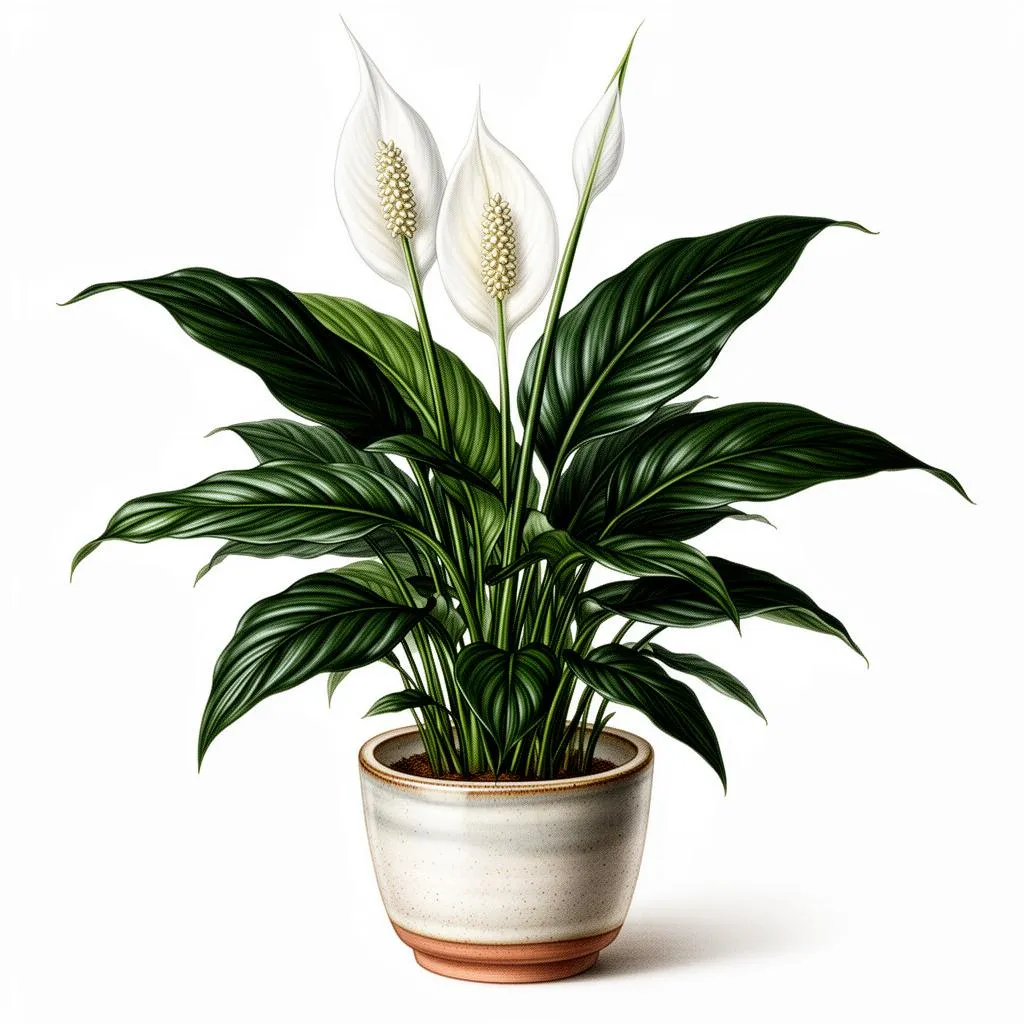
Spathiphyllum Domino, a distinguished cultivar of the genus Spathiphyllum, is a popular perennial herbaceous plant belonging to the Araceae family. This striking houseplant is highly valued for its aesthetic appeal, characterized by lush, dark green leaves dramatically variegated with creamy white or light green patterns, giving it a unique, mosaic-like appearance. The foliage is elongated, lance-shaped, and can reach lengths of up to 30 cm, exhibiting a glossy texture that enhances its ornamental charm.
Its most notable feature is the inflorescence, consisting of an elegant white spathe—a modified leaf—that gracefully envelops a central, creamy-white to yellow spadix, where the true, minute flowers reside. These distinctive "flowers" typically emerge during spring and summer, offering a beautiful contrast against the dark, variegated foliage. Native to the tropical rainforests of Central and South America, Spathiphyllum species naturally thrive in the humid, shaded understory, preferring consistently moist soil and warm temperatures.
The 'Domino' cultivar, like its wild counterparts, adapts exceptionally well to indoor environments, making it a resilient and favored choice for home decoration due to its air-purifying capabilities and relatively straightforward care requirements, though it demands consistent hydration and protection from direct sunlight. Its resilience and ability to thrive indoors have cemented its status as a premier ornamental and environmental plant.
Trusted Scientific References
1. Authoritative external sources for Spathiphyllum Domino
1.1 Wikipedia — Spathiphyllum Domino
1.2 Kew POWO (Plants of the World Online)
1.3 PubMed — peer-reviewed research
1.4 NCBI Taxonomy Browser
1.5 GBIF — Global Biodiversity
1.6Spathiphyllum Domino should be interpreted through verified botanical identity, practical care, and responsible safety language. This recovery note adds the missing context needed for a complete profile: match light to the plant's habit, use well-drained soil, water according to season, and avoid unsupported medicinal or edible claims. For publishing, the plant can be presented as a source-backed indoor plant with clear care guidance, common problem diagnosis, and conservative safety wording.
1.1.Spathiphyllum Domino — Highlights
- ✓Variegated Foliage — Unique dark green leaves with creamy white patterns.
- ✓Elegant White Spathes — Distinctive flower-like bracts surrounding a central spadix.
- ✓Potent Air Purifier — Effectively removes common VOCs from indoor air.
- ✓Natural Humidifier — Releases moisture, increasing ambient humidity.
- ✓Low Light Tolerance — Adapts well to various indoor lighting conditions, though prefers indirect bright light.
- ✓Tropical Origin — Thrives in warm, humid environments, ideal for indoor settings.
- ✓Easy to Care For — Relatively low maintenance with consistent watering and indirect light.
- ✓Symbol of Peace — Widely recognized for its calming and serene presence.
- ✓Pet and Child Warning — Toxic if ingested due to calcium oxalate crystals.
- ✓Feng Shui Ally — Believed to enhance positive energy and tranquility in spaces.
1.2.Spathiphyllum Domino — In Brief
- ✓Ornamental houseplant noted for striking variegated foliage and white spathes.
- ✓Exceptional indoor air purifier, removing formaldehyde, benzene, and xylene.
- ✓Naturally increases indoor humidity levels through transpiration.
- ✓Contains calcium oxalate crystals, making it toxic if ingested by humans or pets.
- ✓Requires bright, indirect light, consistent moisture, and high humidity for optimal growth.
- ✓Symbolizes peace, purity, and contributes to a serene indoor environment.
2.Spathiphyllum Domino — Scientific Identity
3.Spathiphyllum Domino — Vital Statistics
4.Spathiphyllum Domino — Botanical Description
5.Spathiphyllum Domino — Native Range & Habitat
6.Spathiphyllum Domino — Heritage Uses
7.Spathiphyllum Domino — Key Phytochemicals
- ✓Calcium Oxalate Crystals — Predominantly present as insoluble raphides, these needle-like crystals are the primary toxic component, causing immediate irritation and burning upon contact or ingestion.
- ✓Saponins — These natural surfactant glycosides are found in various plant parts, possessing potential antifungal and antibacterial properties, though their role in Spathiphyllum Domino is primarily for plant defense.
- ✓Flavonoids — A diverse group of polyphenolic compounds, flavonoids act as antioxidants, protect plant cells from oxidative stress, and contribute to pigmentation, supporting overall plant health.
- ✓Alkaloids — While generally in low concentrations, various nitrogen-containing alkaloids may be present, playing roles in plant defense mechanisms against herbivores.
- ✓Phenolic Acids — These organic acids, including derivatives like gallic acid and caffeic acid, exhibit antioxidant activity and contribute to the plant's structural integrity and defense against pathogens.
- ✓Terpenoids — A broad class of organic compounds, some terpenoids contribute to the plant's subtle fragrance and serve as protective agents against insects and microbial threats.
- ✓Polysaccharides — Complex carbohydrates are integral to the plant's cell walls and energy storage, contributing to its structural robustness and physiological functions.
- ✓Glycosides — Various types of glycosides, beyond saponins, may be present, potentially influencing the plant's metabolism and interactions with its environment.
- ✓Sterols — Plant sterols are structural components of cell membranes, essential for maintaining cellular integrity and regulating plant growth.
- ✓Anthocyanins — Although less prominent in 'Domino's' white spathe, these pigments might be present in trace amounts in foliage, contributing to color variation in other Spathiphyllum varieties and acting as antioxidants.
8.Spathiphyllum Domino — Pharmacological Findings
- ✓Indoor Air Purification — Spathiphyllum Domino is highly effective at absorbing common volatile organic compounds (VOCs) such as formaldehyde, benzene, and xylene from indoor air, contributing to a healthier breathing environment by trapping these pollutants in its leaves and roots.
- ✓Humidity Regulation — Through the process of transpiration, this plant releases moisture into the surrounding air, naturally increasing indoor humidity levels, which can be beneficial for alleviating dry skin, respiratory discomfort, and static electricity.
- ✓Formaldehyde Reduction — It actively targets and neutralizes formaldehyde, a common indoor air pollutant found in furniture, carpets, and cleaning products, mitigating its potential health impacts.
- ✓Benzene Elimination — The plant demonstrably reduces benzene concentrations, a harmful chemical often present in paints, plastics, and synthetic fibers, thereby enhancing overall air quality.
- ✓Xylene and Toluene Absorption — Spathiphyllum Domino aids in the removal of xylene and toluene, solvents frequently found in glues, rubber, and printing inks, making indoor air cleaner and safer.
- ✓Trichloroethylene Mitigation — It contributes to the reduction of trichloroethylene, a chemical used in various household products, further supporting a detoxified indoor atmosphere.
- ✓Ammonia Neutralization — This plant also helps to absorb ammonia, a pungent gas often found in cleaning agents, thereby improving the freshness of indoor air.
- ✓Stress Reduction and Well-being — The presence of living plants like Spathiphyllum Domino promotes biophilia, contributing to reduced stress levels, improved mood, and an overall sense of calm and tranquility in living and working spaces.
- ✓Enhanced Focus and Productivity — By purifying the air and contributing to a more pleasant environment, the plant indirectly supports improved cognitive function, concentration, and productivity.
- ✓Aesthetic and Feng Shui Benefits — Its elegant appearance and symbolic association with peace and purity are believed to enhance positive energy flow (Chi) in Feng Shui, fostering serenity and balance within a home.
- ✓Allergy and Respiratory Comfort — By increasing ambient humidity and removing airborne irritants, Spathiphyllum Domino can offer relief for individuals suffering from allergies, asthma, or other respiratory sensitivities.
- ✓Odor Neutralization — Beyond specific VOCs, the plant's air-purifying action can help in reducing general unpleasant odors, contributing to a fresher home environment.
8.1.Spathiphyllum Domino — Indications & Uses
9.Spathiphyllum Domino — Safety & Side Effects
9.1.Spathiphyllum Domino — Caution Notes
- ✓Oral Irritation — Ingestion of any part of Spathiphyllum Domino can cause immediate and intense burning, irritation, and swelling of the mouth, tongue, lips, and throat due to calcium oxalate crystals.
- ✓Gastrointestinal Upset — Swallowing plant material may lead to nausea, vomiting, abdominal pain, and diarrhea.
- ✓Skin Irritation — Direct contact with the sap can cause skin irritation, redness, and itching, particularly in sensitive individuals.
- ✓Eye Irritation — Accidental contact of sap with the eyes can result in pain, redness, swelling, and temporary blurred vision.
- ✓Difficulty Swallowing or Breathing — Severe swelling of the throat or mouth following ingestion can obstruct airways, posing a serious risk.
- ✓Excessive Drooling — Animals or children who ingest the plant often exhibit excessive salivation as a primary symptom of irritation.
- ✓Voice Hoarseness — Inflammation of the vocal cords due to irritation can lead to temporary voice changes or hoarseness.
9.2.Spathiphyllum Domino — Risk Assessment
- ✓Non-Edible Plant — Spathiphyllum Domino is strictly an ornamental plant and is not intended for human or animal consumption due to its inherent toxicity.
- ✓Keep Away from Children and Pets — Ensure the plant is placed out of reach of curious children and pets, who are most susceptible to accidental ingestion.
- ✓Handle with Care — Wear gloves when handling or repotting the plant, especially if you have sensitive skin, to prevent contact dermatitis from the sap.
- ✓Immediate Rinse for Skin/Eye Contact — In case of skin contact, wash the affected area thoroughly with soap and water; for eye contact, flush with copious amounts of water for at least 15 minutes.
- ✓Seek Medical Attention for Ingestion — If any part of the plant is ingested, immediately contact Poison Control (for humans) or a veterinarian (for pets) for guidance.
- ✓Identify Symptoms of Ingestion — Be aware of symptoms like oral pain, swelling, difficulty swallowing, or excessive drooling, particularly in pets.
- ✓Not for Medicinal Ingestion — Despite its environmental benefits, Spathiphyllum Domino has no documented safe internal medicinal uses and should not be used in herbal preparations for consumption.
10.Spathiphyllum Domino — Preparation Methods
- ✓Indoor Air Purification — Place Spathiphyllum Domino strategically in areas with high air circulation, such as living rooms, offices, or bedrooms, to maximize its effectiveness in removing airborne toxins.
- ✓Natural Humidification — Position the plant in drier rooms, like heated bedrooms or offices, to naturally increase ambient moisture levels, especially beneficial during winter months.
- ✓Aesthetic Enhancement — Utilize as a decorative element in interior design, placing it in prominent spots where its variegated foliage and elegant spathes can be admired, complementing various decor styles.
- ✓Feng Shui Application — Incorporate into spaces following Feng Shui principles to invite calm, peace, and positive energy flow, often placed in wealth or relationship corners.
- ✓Stress Reduction and Biophilic Design — Integrate into personal relaxation zones, reading nooks, or workspaces to leverage its biophilic benefits, fostering a sense of connection to nature and reducing mental fatigue.
- ✓Gift Giving — Present as a thoughtful gift for housewarmings, condolences, or celebrations, symbolizing peace, purity, and well-being.
- ✓Educational Tool — Use in educational settings to demonstrate the principles of phytoremediation and the benefits of indoor plants for environmental health.
11.Spathiphyllum Domino — Cultivation & Care
- ✓Optimal Lighting — Spathiphyllum Domino thrives in bright, indirect light; direct sunlight can scorch its variegated leaves, while excessively low light may reduce flowering and variegation vibrancy.
- ✓Consistent Watering — Maintain consistently moist soil, watering when the top 1-2 inches feel dry to the touch, but avoid overwatering or allowing the plant to sit in standing water to prevent root rot.
- ✓High Humidity — Prefers high humidity (60% or more); misting regularly, using a pebble tray, or placing near a humidifier can significantly benefit its growth and leaf health.
- ✓Well-Draining Potting Mix — Use a rich, well-draining potting mix, ideally one formulated for aroids, to ensure good aeration and moisture retention without becoming waterlogged.
- ✓Ideal Temperature Range — Maintain indoor temperatures between 65-80°F (18-27°C); avoid sudden temperature drops or cold drafts, which can stress the plant.
- ✓Regular Fertilization — Feed every 4-6 weeks during the active growing season (spring and summer) with a balanced liquid houseplant fertilizer, diluted to half strength.
- ✓Repotting — Repot every 1-2 years or when root-bound, moving to a pot only one size larger to allow for continued growth.
- ✓Propagation — Easily propagated by division during repotting, separating clumps of rhizomes with at least two leaves attached.
Reviewed by the Flora Medical Global Botanical Review Panel
Multi-disciplinary editorial group · Botany · Ethnobotany · Herbal-medicine literature
Who reviewed this: This page was checked by the Flora Medical Global Botanical Review Panel — an in-house editorial group of botany graduates, ethnobotany researchers, and horticulture practitioners who collectively maintain our 7,000+ plant encyclopedia. Meet the team.
Our 4-step verification process
1. Taxonomic verification
Scientific names and synonyms cross-checked against Kew POWO, World Flora Online, and The Plant List.
2. Phytochemical & medicinal cross-reference
Active compounds, traditional uses, and reported activities are cross-referenced with PubMed, USDA Dr. Duke's database, and peer-reviewed ethnobotanical literature.
3. Conservation & distribution check
Distribution, ecology, and conservation status confirmed against GBIF occurrence records and the IUCN Red List.
4. Editorial & safety review
Every entry passes an editorial pass for clarity, originality, and safety notices (toxicity, contraindications, dosage caveats) before publication.
Last reviewed:
Important medical disclaimer: This content is for educational and research purposes only. It is not medical advice and is not a substitute for consultation with a licensed healthcare provider. Do not use any herb to self-treat a medical condition without professional guidance.
Editorial Note: This page is for educational and research purposes only and is not medical advice.
Written by: Flora Medical Global Editorial Team
Reviewed by: Flora Medical Global Botanical Review Panel
Last Updated: June 15, 2026





Spathiphyllum Domino — Comments & Community Reviews
Rate this plant