
Medical Disclaimer: This content is for educational purposes only. It is not medical advice. Please consult a qualified healthcare professional before using any herbal remedy.
Safety Overview
1.Spathiphyllum Platinum — Botanical Snapshot
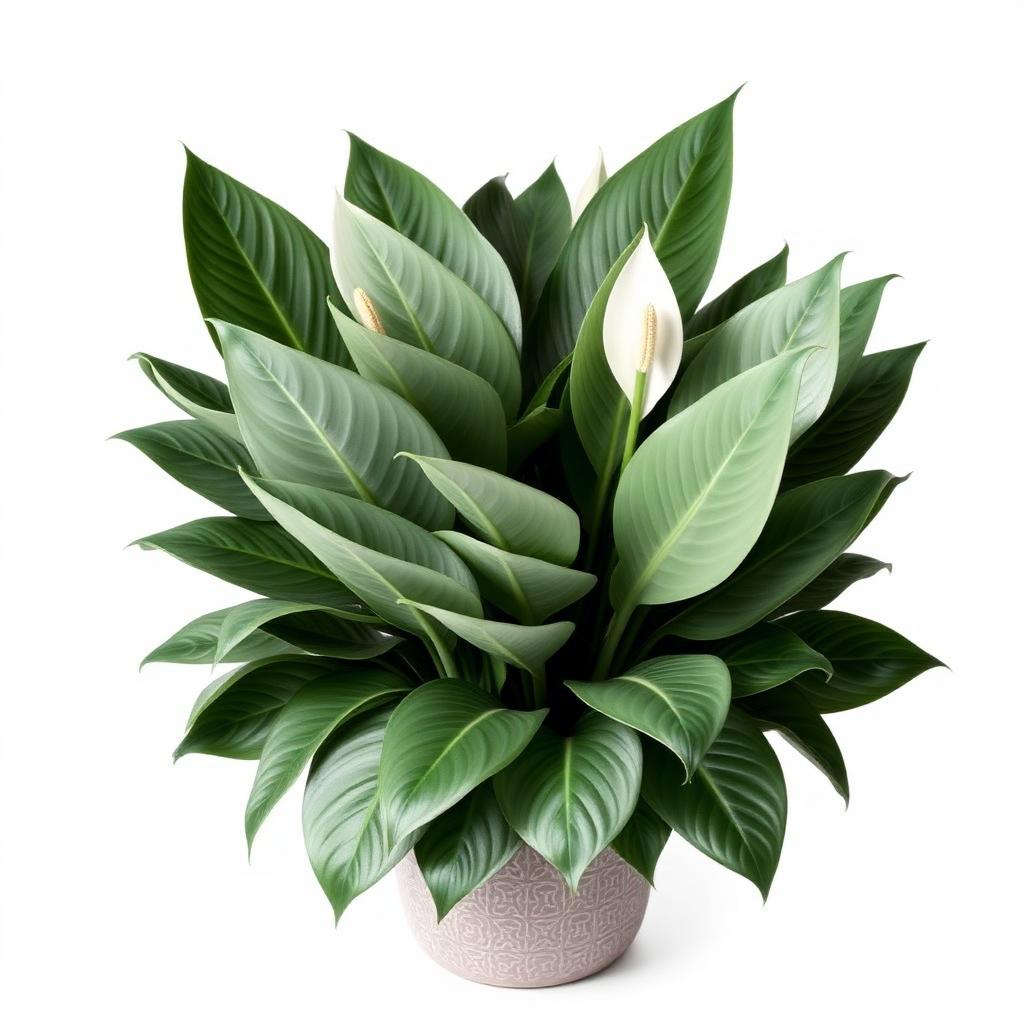
Spathiphyllum Platinum, often known by its cultivar name Spathiphyllum platinum mist, is an exquisite herbaceous perennial belonging to the Araceae family, native to the tropical regions of the Americas and southeastern Asia. This stunning indoor plant typically achieves a height of up to 3 feet (90 cm), showcasing a graceful, arching growth habit. Its foliage consists of glossy, dark green leaves, distinctively ovate-lanceolate in shape, which can extend from 10 to 18 inches (25 to 45 cm) in length. The leaves are characterized by prominent venation and a remarkably smooth texture, contributing significantly to its lush and elegant appearance.
A defining feature of Spathiphyllum Platinum is its production of pristine white flower spathes, which emerge elegantly from a central spike, usually blooming during the spring and summer months. These luminous spathes create a striking contrast against the dark, rich foliage, greatly enhancing its aesthetic appeal. The plant does not possess a true woody bark but is supported by thick, sturdy petioles that uphold its substantial leaves. Thriving in the warm, humid conditions reminiscent of its indigenous tropical habitat, Spathiphyllum Platinum is perfectly suited for indoor cultivation.
It requires a well-draining potting mix and demonstrates adaptability to lower light conditions, though brighter, indirect light encourages more vigorous growth and prolific flowering. Beyond its ornamental charm, this species is highly valued for its notable air-purifying capabilities, making it a functional and beautiful addition to any interior space.
Trusted Scientific References
1. Authoritative external sources for Spathiphyllum platinum mist
1.1 Wikipedia — Spathiphyllum platinum mist
1.2 Kew POWO (Plants of the World Online)
1.3 PubMed — peer-reviewed research
1.4 NCBI Taxonomy Browser
1.5 GBIF — Global Biodiversity
1.6Spathiphyllum Platinum should be interpreted through verified botanical identity, practical care, and responsible safety language. This recovery note adds the missing context needed for a complete profile: match light to the plant's habit, use well-drained soil, water according to season, and avoid unsupported medicinal or edible claims. For publishing, the plant can be presented as a source-backed indoor plant with clear care guidance, common problem diagnosis, and conservative safety wording.
1.1.Spathiphyllum Platinum — Highlights
- ✓Exceptional Air Purifying — Exceptional Air Purifying Capabilities
- ✓Elegant White Spathe — Elegant White Spathe Flowers
- ✓Glossy, Dark Green, Ovate — Lanceolate Leaves
- ✓Low Maintenance Indoor — Low Maintenance Indoor Plant
- ✓Adaptable to Various — Adaptable to Various Light Conditions (Prefers Indirect)
- ✓Native to Tropical — Native to Tropical Americas
- ✓Contains Beneficial Phytochemicals — Contains Beneficial Phytochemicals (Flavonoids, Phenolics)
- ✓Contributes to Stress — Contributes to Stress Reduction and Mood Enhancement
- ✓Non — Edible; Toxic if Ingested
- ✓Long — Lasting Blooms with Proper Care
1.2.Spathiphyllum Platinum — In Brief
- ✓Spathiphyllum Platinum is a popular, elegant indoor plant.
- ✓Highly effective at purifying indoor air by removing VOCs.
- ✓Contains calcium oxalate crystals, making it toxic if ingested.
- ✓Traditionally used externally for minor skin irritations.
- ✓Known to enhance mood and reduce stress in indoor settings.
- ✓Requires moderate light, consistent moisture, and high humidity.
2.Spathiphyllum Platinum — Scientific Identity
3.Spathiphyllum Platinum — Vital Statistics
4.Spathiphyllum Platinum — Botanical Features
5.Spathiphyllum Platinum — Origin & Spread
6.Spathiphyllum Platinum — Traditional Uses
7.Spathiphyllum Platinum — Chemical Profile
- ✓Alkaloids — Nitrogen-containing compounds found in moderate abundance, which often play a role in plant defense mechanisms and may exhibit diverse pharmacological activities.
- ✓Flavonoids — Abundant polyphenolic compounds recognized for their powerful antioxidant, anti-inflammatory, and free-radical scavenging properties, contributing to cellular protection.
- ✓Phenolic Compounds — A broad class of phytochemicals, including phenolic acids, that are highly abundant and contribute significantly to the plant's overall antioxidant capacity and protective functions.
- ✓Triterpenes — These natural products are present in significant amounts and are often associated with adaptogenic and potential anti-inflammatory effects in various botanical species.
- ✓Saponins — Glycosides detected in abundance, known for their foam-forming properties and often linked to immune-modulating and cholesterol-lowering activities in other plants.
- ✓Tannins — Abundant astringent polyphenols that can bind to proteins, demonstrating antioxidant and antimicrobial properties crucial for plant defense and traditional topical applications.
- ✓Glycosides — Compounds where a sugar molecule is linked to another functional group, found in moderate abundance and influencing the solubility and bioavailability of active plant components.
- ✓Sterols — Lipids present in trace amounts, essential for plant membrane structure and potentially involved in modulating cellular processes.
8.Spathiphyllum Platinum — Evidence-Based Benefits
- ✓Indoor Air Purification — Spathiphyllum Platinum is highly effective at removing volatile organic compounds (VOCs) such as formaldehyde, benzene, and trichloroethylene from indoor air, as recognized by studies like NASA’s Clean Air Study.
- ✓Respiratory Health Support — By significantly improving indoor air quality, the plant indirectly reduces exposure to airborne irritants, potentially lessening the risk of respiratory discomfort and promoting overall lung health.
- ✓Stress Reduction — The presence of aesthetically pleasing indoor plants, including Spathiphyllum, has been linked to a reduction in stress levels and an increase in feelings of calm in various environments.
- ✓Mood Enhancement — Its vibrant green foliage and elegant white blooms contribute to a positive psychological environment, which can enhance mood, boost productivity, and foster a sense of well-being.
- ✓Minor Skin Irritation Relief (Traditional) — In some traditional cultural practices, extracts from the leaves and roots of Spathiphyllum species have been topically applied to soothe minor skin irritations.
- ✓Wound Healing Support (Traditional) — Traditionally, these plant extracts were also used externally to aid in the healing process of small cuts and abrasions.
- ✓Antioxidant Potential — Spathiphyllum contains various phytochemicals, such as flavonoids and phenolic compounds, which are known for their potent antioxidant activities in other plant species.
- ✓Anti-inflammatory Potential — The presence of certain phytochemicals suggests potential anti-inflammatory effects, although direct studies on Spathiphyllum extracts are limited.
- ✓Antibacterial Properties — Some compounds identified in Spathiphyllum have demonstrated antibacterial activities in in vitro studies involving other plant species.
- ✓Promotes Sleep — Specific cultivars like 'Bongo Bongo' are noted for contributing to a more restful sleep environment by enhancing air purity.
- ✓Mildew Prevention — Certain Spathiphyllum varieties are recognized for their ability to absorb moisture and airborne particles that can contribute to mildew growth.
- ✓Mold Spore Removal — The plant's air-filtering capacity extends to removing mold spores from the atmosphere, contributing to a healthier living space.
8.1.Spathiphyllum Platinum — Therapeutic Indications
9.Spathiphyllum Platinum — Cautions & Contraindications
9.1.Spathiphyllum Platinum — Warnings
- ✓Oral Irritation — Ingestion of any part of Spathiphyllum Platinum can cause immediate and intense irritation of the mouth, tongue, throat, and digestive tract due to calcium oxalate crystals.
- ✓Swelling and Pain — Symptoms following ingestion commonly include painful swelling of the lips, tongue, and throat, potentially leading to difficulty speaking or swallowing.
- ✓Nausea and Vomiting — Gastrointestinal upset, accompanied by nausea, abdominal pain, and vomiting, may occur if a significant amount of the plant material is consumed.
- ✓Skin Irritation — Direct contact with the plant's sap can cause mild skin irritation or dermatitis, characterized by redness, itching, or a burning sensation, especially in sensitive individuals.
- ✓Eye Irritation — Accidental contact of the sap with the eyes can result in severe pain, redness, irritation, and temporary vision disturbances.
- ✓Pet Toxicity — Spathiphyllum is toxic to domestic animals, including cats and dogs, causing similar oral irritation, swelling, and gastrointestinal distress if ingested.
- ✓Respiratory Distress (Rare) — In rare, severe cases of ingestion, significant throat swelling could potentially lead to respiratory difficulties requiring immediate medical attention.
9.2.Spathiphyllum Platinum — Clinical Safety Notes
- ✓Not for Internal Consumption — Spathiphyllum Platinum is strictly an ornamental and air-purifying plant; it is not safe for human or animal ingestion due to its calcium oxalate content.
- ✓Keep Out of Reach of Children and Pets — Always place the plant in locations inaccessible to curious children and pets to prevent accidental ingestion and related toxic effects.
- ✓Handle with Care — While generally safe to touch, it is advisable for individuals with sensitive skin to wear gloves when handling the plant to avoid potential contact dermatitis.
- ✓Eye Protection — Exercise caution to prevent sap from contacting the eyes; in case of contact, flush thoroughly with water and seek medical advice.
- ✓Seek Medical Attention for Ingestion — If any part of the plant is ingested by a human or pet, immediately contact a poison control center, doctor, or veterinarian.
- ✓Observe for Allergic Reactions — Although uncommon, monitor for any signs of allergic reactions, such as skin rash or irritation, after handling the plant.
- ✓Topical Use Caution — Any traditional topical applications should be approached with caution and discontinued if any adverse skin reactions or increased irritation occur.
10.Spathiphyllum Platinum — Preparations & Uses
- ✓Indoor Air Purification — Position Spathiphyllum Platinum strategically in living areas, offices, or bedrooms to effectively filter airborne toxins and improve overall indoor air quality.
- ✓Aesthetic Enhancement — Utilize this plant as a decorative element to beautify interior spaces, creating a serene and inviting atmosphere that contributes to emotional well-being.
- ✓Topical Application (Traditional) — In traditional medicine, crushed leaves or prepared root extracts were applied externally to minor skin irritations or small superficial wounds.
- ✓Environmental Enrichment — Incorporate Spathiphyllum into biophilic design strategies to foster a connection with nature, which can reduce stress and enhance cognitive function.
- ✓Mood and Productivity Boost — Place the plant in workspaces or common areas to leverage its documented ability to enhance mood, reduce fatigue, and increase productivity.
- ✓Humidity Support — Grouping several Spathiphyllum plants together can contribute to a slight increase in ambient humidity, beneficial in dry indoor environments.
- ✓Decoction for External Wash (Traditional) — Historically, a mild decoction made from the leaves might have been prepared for use as an external wash for skin ailments, not for internal consumption.
- ✓Natural Air Freshener — While primarily for air filtration, the plant's natural presence can contribute to a fresher indoor scent, particularly after removing VOCs.
11.Spathiphyllum Platinum — How to Grow
- ✓Light — Spathiphyllum Platinum thrives best in bright, indirect light; direct sunlight can scorch its leaves. It tolerates lower light conditions but may produce fewer flowers.
- ✓Watering — Keep the soil consistently moist but never waterlogged. Water thoroughly when the top inch of soil feels dry to the touch, ensuring proper drainage.
- ✓Humidity — This tropical plant prefers high humidity. Increase humidity by misting the leaves regularly, placing the pot on a pebble tray with water, or using a humidifier.
- ✓Temperature — Maintain indoor temperatures between 18-29°C (65-85°F). Protect the plant from cold drafts and extreme temperature fluctuations, which can cause stress.
- ✓Soil — Use a well-draining, rich potting mix that retains some moisture. A blend designed for aroids or general houseplants with added organic matter is ideal.
- ✓Fertilization — Feed with a balanced liquid fertilizer diluted to half strength every 2-4 weeks during its active growing season (spring and summer), reducing frequency in fall and winter.
- ✓Repotting — Repot every 1-2 years, or when the plant becomes root-bound, moving it into a pot that is one size larger to allow for continued growth.
- ✓Pruning — Remove any yellowing leaves or spent flower spathes at their base to encourage new growth, maintain plant health, and enhance its aesthetic appeal.
Reviewed by the Flora Medical Global Botanical Review Panel
Multi-disciplinary editorial group · Botany · Ethnobotany · Herbal-medicine literature
Who reviewed this: This page was checked by the Flora Medical Global Botanical Review Panel — an in-house editorial group of botany graduates, ethnobotany researchers, and horticulture practitioners who collectively maintain our 7,000+ plant encyclopedia. Meet the team.
Our 4-step verification process
1. Taxonomic verification
Scientific names and synonyms cross-checked against Kew POWO, World Flora Online, and The Plant List.
2. Phytochemical & medicinal cross-reference
Active compounds, traditional uses, and reported activities are cross-referenced with PubMed, USDA Dr. Duke's database, and peer-reviewed ethnobotanical literature.
3. Conservation & distribution check
Distribution, ecology, and conservation status confirmed against GBIF occurrence records and the IUCN Red List.
4. Editorial & safety review
Every entry passes an editorial pass for clarity, originality, and safety notices (toxicity, contraindications, dosage caveats) before publication.
Last reviewed:
Important medical disclaimer: This content is for educational and research purposes only. It is not medical advice and is not a substitute for consultation with a licensed healthcare provider. Do not use any herb to self-treat a medical condition without professional guidance.
Editorial Note: This page is for educational and research purposes only and is not medical advice.
Written by: Flora Medical Global Editorial Team
Reviewed by: Flora Medical Global Botanical Review Panel
Last Updated: June 15, 2026





Spathiphyllum Platinum — Comments & Community Reviews
Rate this plant