

Medical Disclaimer: This content is for educational purposes only. It is not medical advice. Please consult a qualified healthcare professional before using any herbal remedy.
Safety Overview
1.Spilanthes — Introduction & Highlights
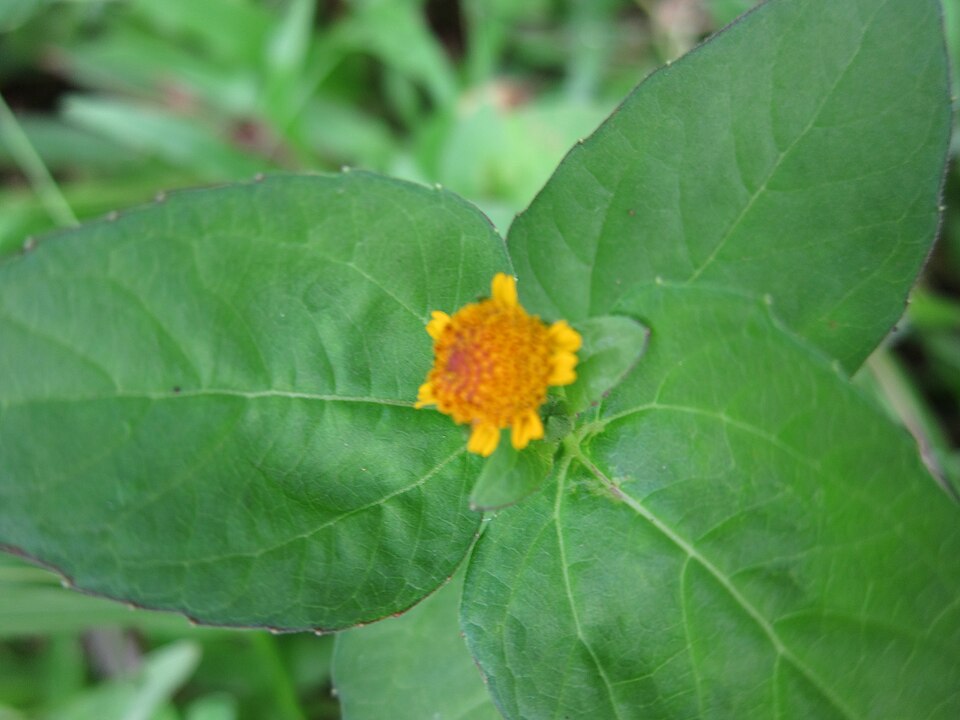
Spilanthes, scientifically known as Acmella oleracea, is a captivating annual herbaceous plant belonging to the expansive Asteraceae family, which also includes daisies and sunflowers. Originating from the tropical and subtropical regions of South America, particularly Brazil, it is widely recognized by a variety of evocative common names such as 'toothache plant,' 'paracress,' 'eyeball plant,' and 'buzz button.' This nomenclature stems from its distinct morphology and traditional applications.
Botanically, Acmella oleracea is characterized by its vibrant, yellow-to-red cylindrical discoid capitula, which are the flower heads. A notable feature is the central discoid that often takes on a reddish hue, contributing to its 'eyeball' or 'spot flower' appearance. The plant typically grows to about 30-60 cm in height, with ovate to deltoid leaves arranged oppositely along its stems.
Its preferred habitat includes moist, well-drained soils under full to partial sunlight, thriving in warm climates. While native to the Americas, its medicinal and culinary popularity has led to its cultivation in various parts of Asia, Africa, and other tropical zones. The taxonomy has seen some shifts, with Acmella oleracea historically placed within the Spilanthes genus, hence the common name 'Spilanthes' persisting in botanical and herbal circles.
This plant's unique appearance and potent bioactive compounds make it a significant subject of botanical study and traditional medicine.
Trusted Scientific References
1. Authoritative external sources for Acmella oleracea
1.1 Wikipedia — Acmella oleracea
1.2 Kew POWO (Plants of the World Online)
1.3 PubMed — peer-reviewed research
1.4 NCBI Taxonomy Browser
1.5 GBIF — Global Biodiversity
1.6Spilanthes should be interpreted through verified botanical identity, practical care, and responsible safety language. This recovery note adds the missing context needed for a complete profile: match light to the plant's habit, use well-drained soil, water according to season, and avoid unsupported medicinal or edible claims. For publishing, the plant can be presented as a source-backed medicinal plant with clear care guidance, common problem diagnosis, and conservative safety wording.
1.1.Spilanthes — Defining Traits
- ✓Potent Natural Anesthetic — Provides rapid numbing for dental and localized pain.
- ✓Rich in Spilanthol — Key bioactive N-alkylamide responsible for its unique effects.
- ✓Anti — inflammatory Powerhouse — Reduces swelling and discomfort effectively.
- ✓Broad — Spectrum Antimicrobial — Fights bacteria, fungi, and potentially parasites.
- ✓Traditional Medicine Staple — Valued across Ayurveda, TCM, and Brazilian folk medicine.
- ✓Oral Health Promoter — Stimulates saliva, fights germs, and soothes gums.
- ✓Culinary Herb (Jambu) — Adds a distinctive tingling flavor to regional dishes.
- ✓Antioxidant — Rich — Protects cells from oxidative damage.
- ✓Versatile Applications — Used in tinctures, teas, topical preparations, and fresh.
- ✓Asteraceae Family Member — Shares botanical lineage with many common herbs.
1.2.Spilanthes — Quick Summary
- ✓Spilanthes (Acmella oleracea) is a tropical herb known as the 'toothache plant.'
- ✓Its primary active compound, spilanthol, provides rapid anesthetic and analgesic effects.
- ✓Widely used in traditional medicine for pain relief, oral health, and anti-inflammatory benefits.
- ✓Exhibits strong antimicrobial, antioxidant, and immune-modulating properties.
- ✓Also used culinarily (jambu) for its unique tingling sensation.
- ✓Generally safe, but caution advised during pregnancy, lactation, and with certain medications.
2.Spilanthes — Taxonomic Classification
3.Spilanthes — Botanical Stats
4.Spilanthes — Plant Morphology
5.Spilanthes — Habitat & Distribution
6.Spilanthes — Historical Applications
7.Spilanthes — Active Compounds
- ✓N-Alkylamides — This is the most characteristic group, with spilanthol being the primary and most studied compound, responsible for the tingling, numbing, and anesthetic effects. Other alkylamides like undeca-2E,7Z,9E-trien-N-isobutylamide also contribute to its biological activities.
- ✓Flavonoids — Compounds such as quercetin, kaempferol, and their glycosides are present, offering significant antioxidant and anti-inflammatory benefits to the plant.
- ✓Phenolic Acids — Derivatives like caffeic acid, ferulic acid, and chlorogenic acid are found, contributing to the plant's robust antioxidant capacity and protective effects.
- ✓Terpenoids — Various monoterpenes and sesquiterpenes form part of its essential oil, lending to its aromatic profile and contributing to antimicrobial and insecticidal properties.
- ✓Saponins — These compounds are present and may contribute to the plant's immune-modulating and anti-inflammatory effects, though less studied than alkylamides.
- ✓Tannins — Astringent compounds that can contribute to wound healing and antimicrobial activity, often found in the leaves and stems.
- ✓Coumarins — Certain coumarin derivatives can be present, offering potential anticoagulant and anti-inflammatory properties.
- ✓Essential Oils — A complex mixture of volatile compounds, primarily terpenes, which contribute to the plant's characteristic aroma and possess antimicrobial and insecticidal properties.
8.Spilanthes — Modern Studies
- ✓Anesthetic and Analgesic Properties — Spilanthes is renowned for its potent numbing effect, primarily due to N-alkylamides like spilanthol, which interact with pain receptors to provide rapid relief from dental and muscular pain.
- ✓Anti-inflammatory Action — Its rich composition of flavonoids and alkylamides contributes to reducing inflammation throughout the body, making it beneficial for conditions like arthritis and general tissue swelling.
- ✓Antimicrobial and Antifungal Effects — Extracts of Acmella oleracea have demonstrated significant activity against a range of bacteria and fungi, supporting its traditional use for wound healing and combating infections.
- ✓Antioxidant Support — The presence of phenolic compounds and flavonoids helps neutralize free radicals, protecting cells from oxidative stress and supporting overall cellular health.
- ✓Oral Health Enhancement — Beyond pain relief, Spilanthes stimulates saliva production and acts as a natural antiseptic, promoting gum health, fighting bad breath, and preventing oral infections.
- ✓Immune System Modulation — Traditional systems utilize Spilanthes for its ability to bolster the body's natural defenses, potentially due to its anti-inflammatory and antimicrobial properties.
- ✓Digestive Aid — Historically, it has been used to alleviate stomachaches and improve digestion, possibly by stimulating digestive enzymes and reducing gut inflammation.
- ✓Anti-pyretic (Fever Reducer) — Some traditional practices employ Spilanthes to help reduce fever, likely through its anti-inflammatory pathways.
- ✓Wound Healing Acceleration — Applied topically, its antiseptic and anti-inflammatory compounds can aid in the faster regeneration of skin cells and prevent infection in minor cuts and abrasions.
- ✓Anti-plasmodial Activity — Research indicates potential against malaria parasites, suggesting a role in traditional treatments for fever and parasitic infections.
- ✓Muscle Relaxant — The numbing sensation can extend to mild muscle relaxation, making it useful for easing muscular tension and spasms.
8.1.Spilanthes — Conditions Traditionally Used For
9.Spilanthes — Adverse Effects
9.1.Spilanthes — Reported Side Effects
- ✓Oral Numbness and Tingling — This is the primary and expected effect of Spilanthes, which can be intense, though generally harmless and temporary.
- ✓Allergic Reactions — Individuals sensitive to plants in the Asteraceae family may experience allergic contact dermatitis or other hypersensitivity reactions.
- ✓Digestive Upset — Ingesting very large quantities may lead to mild gastrointestinal discomfort, such as nausea or stomach upset.
- ✓Blood Thinning Potential — Due to coumarin content, Spilanthes might theoretically interact with anticoagulant medications, increasing the risk of bleeding.
- ✓Hypotension — High doses could potentially lower blood pressure, which may be a concern for individuals already on antihypertensive drugs.
- ✓Pregnancy and Lactation Concerns — Insufficient research exists regarding its safety during pregnancy and breastfeeding, hence caution is advised.
- ✓Sedation — While not a common effect, some anecdotal reports suggest mild sedative properties in very high doses.
9.2.Spilanthes — Safety Profile
- ✓General Safety — Spilanthes is generally considered safe when used in culinary amounts or recommended therapeutic dosages, especially in its traditional forms.
- ✓Pregnancy and Breastfeeding — Avoid use during pregnancy and lactation due to a lack of sufficient safety data and potential uterine stimulant effects.
- ✓Medical Consultation — Individuals with pre-existing medical conditions, particularly those on blood thinners, blood pressure medication, or immune suppressants, should consult a healthcare professional before use.
- ✓Allergic Sensitivity — Exercise caution if you have known allergies to plants in the Asteraceae family, such as ragweed, chrysanthemums, marigolds, or daisies.
- ✓Dosage Adherence — Always adhere to recommended dosages from reputable sources or healthcare providers to minimize potential side effects.
- ✓Topical Patch Test — When using topically, perform a patch test on a small skin area first to check for any adverse reactions or sensitivities.
- ✓Children — Use in children should be approached with caution and under professional guidance due to limited specific safety data.
10.Spilanthes — How to Use
- ✓Fresh Leaf Chewing — For immediate dental pain relief, chewing a fresh leaf or flower bud of Spilanthes is a traditional and effective method, providing a rapid numbing sensation.
- ✓Tinctures and Extracts — Alcohol-based tinctures are common, concentrating the active compounds for internal use or topical application, typically for pain, inflammation, or immune support.
- ✓Herbal Teas/Infusions — Dried leaves and flowers can be steeped in hot water to make a tea, traditionally used for digestive issues, sore throats, or as a general tonic.
- ✓Topical Ointments and Gels — Extracts are incorporated into creams, balms, and gels for localized pain relief, wound healing, and treating skin conditions.
- ✓Culinary Use (Jambu) — In Brazilian cuisine, the leaves and flowers are used as a vegetable, known as 'jambu,' adding a unique tingling sensation to dishes like 'tacacá' and 'pato no tucupi.'
- ✓Mouthwashes and Oral Rinses — Aqueous or alcoholic extracts are used in homemade or commercial mouthwashes to promote oral hygiene, reduce inflammation, and alleviate toothaches.
- ✓Essential Oil — While less common, the essential oil can be distilled from the aerial parts and used in aromatherapy or diluted for topical applications, valuing its antimicrobial properties.
11.Spilanthes — Growing Guide
- ✓Soil Preference — Spilanthes thrives in well-drained, fertile soil rich in organic matter, with a slightly acidic to neutral pH (6.0-7.0) for optimal growth.
- ✓Sunlight Requirements — It requires full sun to partial shade; at least 6 hours of direct sunlight daily is ideal for robust growth and flowering.
- ✓Propagation — Easily propagated from seeds, which can be sown directly after the last frost or started indoors, or from stem cuttings, which root readily in moist soil or water.
- ✓Watering — Consistent moisture is crucial; the soil should be kept evenly moist but not waterlogged. Avoid allowing the plant to dry out completely.
- ✓Temperature and Climate — Being a tropical plant, Acmella oleracea prefers warm temperatures (20-30°C) and is sensitive to frost, growing as an annual in cooler climates.
- ✓Fertilization — A balanced liquid fertilizer can be applied every 2-4 weeks during the growing season to support vigorous foliage and flower production.
- ✓Pest and Disease Management — Generally resistant to most pests, but occasional issues with aphids or spider mites can be managed with organic insecticidal soaps.
- ✓Harvesting — Leaves and flowers can be harvested continuously throughout the growing season, typically when the plant reaches a good size, often starting 6-8 weeks after planting.
Reviewed by the Flora Medical Global Botanical Review Panel
Multi-disciplinary editorial group · Botany · Ethnobotany · Herbal-medicine literature
Who reviewed this: This page was checked by the Flora Medical Global Botanical Review Panel — an in-house editorial group of botany graduates, ethnobotany researchers, and horticulture practitioners who collectively maintain our 7,000+ plant encyclopedia. Meet the team.
Our 4-step verification process
1. Taxonomic verification
Scientific names and synonyms cross-checked against Kew POWO, World Flora Online, and The Plant List.
2. Phytochemical & medicinal cross-reference
Active compounds, traditional uses, and reported activities are cross-referenced with PubMed, USDA Dr. Duke's database, and peer-reviewed ethnobotanical literature.
3. Conservation & distribution check
Distribution, ecology, and conservation status confirmed against GBIF occurrence records and the IUCN Red List.
4. Editorial & safety review
Every entry passes an editorial pass for clarity, originality, and safety notices (toxicity, contraindications, dosage caveats) before publication.
Last reviewed:
Important medical disclaimer: This content is for educational and research purposes only. It is not medical advice and is not a substitute for consultation with a licensed healthcare provider. Do not use any herb to self-treat a medical condition without professional guidance.
Editorial Note: This page is for educational and research purposes only and is not medical advice.
Written by: Flora Medical Global Editorial Team
Reviewed by: Flora Medical Global Botanical Review Panel
Last Updated: June 15, 2026





Spilanthes — Comments & Community Reviews
Rate this plant