
Medical Disclaimer: This content is for educational purposes only. It is not medical advice. Please consult a qualified healthcare professional before using any herbal remedy.
Safety Overview
1.Spirulina — Plant Snapshot
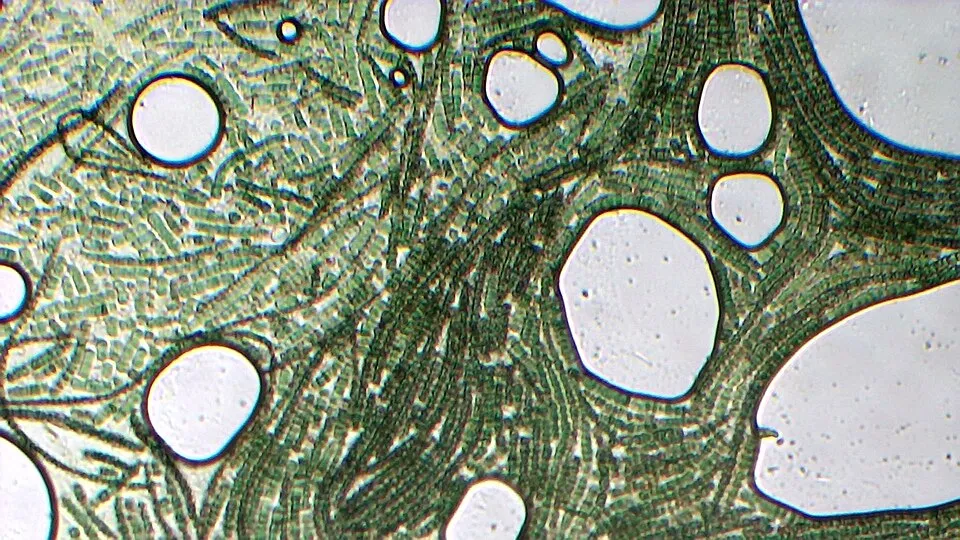
Spirulina, recognized scientifically as Arthrospira platensis, is a remarkable filamentous cyanobacterium, commonly known as blue-green algae, that flourishes in warm, highly alkaline freshwater environments. Its unique morphology consists of microscopic, spirally-coiled trichomes, typically ranging from 0.5 to 3.0 micrometers in diameter, which impart a characteristic vibrant green to blue-green hue due to a rich concentration of photosynthetic pigments, notably phycocyanin and chlorophyll.
These individual filaments aggregate to form dense, mat-like colonies that often float on the water surface, creating a distinctive visual presence. Historically, Spirulina has been consumed by indigenous populations, such as the Aztecs in Mexico and communities around Lake Chad in Africa, for centuries, recognizing its exceptional nutritional value.
Arthrospira platensis thrives optimally in specific conditions, preferring temperatures between 30-35°C and a pH level of 8.5 to 11. Its global distribution spans natural alkaline lakes in regions like Mexico, Central Africa, and parts of Asia, but it is also extensively cultivated in controlled aquaculture systems worldwide to meet increasing demand. Taxonomically, it belongs to the family Oscillatoriaceae, a group of non-heterocystous filamentous cyanobacteria.
This organism is singularly distinguished by its extraordinary nutritional density, boasting a protein content of 60-70% by dry weight, complete with all essential amino acids. Beyond proteins, Spirulina is a powerhouse of essential fatty acids, particularly gamma-linolenic acid (GLA), a broad spectrum of vitamins (including B-complex vitamins and vitamin K), and an impressive array of minerals such as iron, magnesium, and potassium. The presence of these diverse bioactive compounds, including various polysaccharides and carotenoids, underpins its widespread recognition as a potent functional food and therapeutic agent.
Trusted Scientific References
1. Authoritative external sources for Arthrospira platensis
1.1 Wikipedia — Arthrospira platensis
1.2 Kew POWO (Plants of the World Online)
1.3 PubMed — peer-reviewed research
1.4 NCBI Taxonomy Browser
1.5 GBIF — Global Biodiversity
1.1.Spirulina — Defining Traits
- ✓High Protein Content — Comprises 60-70% of its dry weight, offering a complete amino acid profile.
- ✓Rich in Phycocyanin — A unique blue pigment with powerful antioxidant, anti-inflammatory, and immune-boosting properties.
- ✓Abundant in Vitamins — Excellent source of B-complex vitamins, Vitamin K, and Vitamin E.
- ✓Loaded with Minerals — Provides significant amounts of iron, magnesium, potassium, calcium, and trace elements.
- ✓Source of Gamma — Linolenic Acid (GLA) — A beneficial omega-6 fatty acid known for its anti-inflammatory effects.
- ✓Potent Antioxidant Capacity — Contains a synergistic blend of carotenoids, chlorophyll, and phycocyanin.
- ✓Supports Immune Modulation — Enhances the activity of various immune cells, strengthening defenses.
- ✓Natural Detoxifier — Aids in binding and eliminating heavy metals and environmental toxins from the body.
- ✓Sustainable Cultivation — Can be grown with relatively low environmental impact compared to other protein sources.
- ✓Versatile Usage — Available in powder, tablet, and capsule forms, easily integrated into diets.
1.2.Spirulina — Concise Overview
- ✓Nutrient-dense blue-green algae, Arthrospira platensis.
- ✓Exceptional source of complete protein, vitamins, and minerals.
- ✓Potent antioxidant and anti-inflammatory due to phycocyanin.
- ✓Supports immune function and aids in detoxification processes.
- ✓Widely cultivated and consumed as a superfood supplement.
2.Spirulina — Scientific Profile
3.Spirulina — Quick Facts
4.Spirulina — Structural Profile
5.Spirulina — Geographic Distribution
6.Spirulina — Cultural & Traditional Roles
7.Spirulina — Active Compounds
- ✓Proteins & Amino Acids — Comprises 60-70% dry weight, providing all nine essential amino acids, making it a complete protein source vital for tissue repair and enzyme function.
- ✓Phycocyanin — A unique blue pigment and phycobiliprotein, responsible for Spirulina's color and potent antioxidant, anti-inflammatory, and immunomodulatory activities.
- ✓Chlorophyll a — The primary green photosynthetic pigment, known for its detoxifying properties, aiding in blood purification and heavy metal chelation.
- ✓Carotenoids — Includes beta-carotene, zeaxanthin, and cryptoxanthin, which are powerful antioxidants and precursors to Vitamin A, supporting vision and immune health.
- ✓Essential Fatty Acids — Contains gamma-linolenic acid (GLA), an omega-6 fatty acid known for its anti-inflammatory effects and role in maintaining healthy skin and hormonal balance.
- ✓Vitamins — Rich in B-complex vitamins (B1, B2, B3, B6, B9), Vitamin K, Vitamin E, and a controversial B12 analog, crucial for metabolism, nerve function, and blood clotting.
- ✓Minerals — An excellent source of iron, magnesium, potassium, calcium, chromium, selenium, and zinc, essential for bone health, enzyme activity, and electrolyte balance.
- ✓Polysaccharides — Complex carbohydrates like calcium spirulan, which exhibit immunomodulatory, antiviral, and antitumor properties, enhancing cellular communication.
- ✓Phenolic Compounds — A diverse group of plant metabolites, including phenolic acids and flavonoids, contributing significantly to Spirulina's overall antioxidant capacity.
- ✓Enzymes — Contains various enzymes, including superoxide dismutase (SOD), which play a role in cellular detoxification and protecting against oxidative damage.
8.Spirulina — What Research Suggests
- ✓Immune System Support — Phycocyanin and polysaccharides stimulate the production and activity of immune cells, enhancing the body's defense mechanisms against pathogens.
- ✓Potent Antioxidant Activity — Rich in phycocyanin, carotenoids, and chlorophyll, Spirulina effectively neutralizes free radicals, reducing oxidative stress and cellular damage.
- ✓Anti-inflammatory Effects — Bioactive compounds, especially phycocyanin, inhibit pro-inflammatory mediators, helping to alleviate chronic inflammation throughout the body.
- ✓Heavy Metal Detoxification — Studies suggest Spirulina can bind to and aid in the elimination of heavy metals like lead and mercury from the body.
- ✓Cholesterol and Lipid Regulation — May help lower LDL (bad) cholesterol and triglyceride levels while potentially increasing HDL (good) cholesterol, supporting cardiovascular health.
- ✓Blood Sugar Management — Research indicates Spirulina can assist in improving insulin sensitivity and reducing fasting blood glucose levels, beneficial for metabolic health.
- ✓Enhances Energy and Endurance — Its high nutrient density, including iron and B vitamins, contributes to improved oxygen transport and energy production, reducing fatigue.
- ✓Supports Gut Microbiome Health — Contains prebiotics and beneficial compounds that can promote the growth of healthy gut bacteria, aiding digestion and nutrient absorption.
- ✓Potential Anticancer Properties — Phycocyanin has demonstrated antiproliferative effects against various cancer cell lines in vitro and in vivo, inhibiting tumor growth.
- ✓Antiviral Activity — Certain compounds within Spirulina, particularly calcium spirulan, have shown potential to inhibit viral replication and boost antiviral immunity.
- ✓Alleviates Allergic Rhinitis — Clinical trials suggest that Spirulina can reduce symptoms of allergic rhinitis by modulating immune responses and inhibiting histamine release.
- ✓Combat Anemia — Its high iron content, coupled with essential nutrients, supports red blood cell production, offering a natural approach to improving iron-deficiency anemia.
8.1.Spirulina — Reported Uses
9.Spirulina — Adverse Effects
9.1.Spirulina — Warnings
- ✓Digestive Upset — May cause mild nausea, bloating, gas, or diarrhea, particularly when first introduced to the diet or taken in large doses.
- ✓Allergic Reactions — Rare but possible allergic responses include skin rashes, itching, or, in severe cases, anaphylaxis, especially in individuals sensitive to algae.
- ✓Heavy Metal Contamination — If sourced from unregulated or polluted waters, Spirulina can absorb heavy metals like lead, mercury, and cadmium, posing toxicity risks.
- ✓Microcystin Contamination — Contamination with microcystins from toxic cyanobacteria can occur if not properly cultivated, potentially leading to liver damage.
- ✓Drug Interactions — May interact with anticoagulant medications (blood thinners) due to its Vitamin K content, or with immunosuppressants by stimulating the immune system.
- ✓Autoimmune Flare-ups — Due to its immune-stimulating properties, individuals with autoimmune diseases might experience exacerbated symptoms.
- ✓Headaches and Fatigue — Some individuals report mild headaches or a feeling of fatigue, especially during the initial detoxification phase.
9.2.Spirulina — Safety Overview
- ✓Quality Sourcing — Crucial to purchase Spirulina from reputable suppliers who provide third-party testing for heavy metals, microcystins, and other contaminants.
- ✓Pregnancy and Breastfeeding — Pregnant or breastfeeding individuals should consult a healthcare provider before use, as research on its safety in these populations is limited.
- ✓Autoimmune Conditions — Individuals with autoimmune diseases like lupus or rheumatoid arthritis should exercise caution due to Spirulina's immune-modulating effects.
- ✓Phenylketonuria (PKU) — Spirulina contains phenylalanine, an amino acid, and is therefore contraindicated for individuals with Phenylketonuria.
- ✓Thyroid Conditions — Can affect thyroid function in some individuals; those with hyperthyroidism or hypothyroidism should consult a doctor before use.
- ✓Drug Interactions — Caution is advised for individuals on anticoagulant, immunosuppressant, or diabetes medications due to potential interactions.
- ✓Consult a Healthcare Professional — Always recommended before starting any new supplement, especially for individuals with pre-existing health conditions or those taking medications.
10.Spirulina — How to Use
- ✓Powder Form — Easily mixed into smoothies, juices, water, or protein shakes for a convenient nutritional boost; typically 1-3 teaspoons daily.
- ✓Tablet or Capsule Form — Offers precise dosing and is a convenient option for those who dislike the taste of the powder; usually taken with water.
- ✓Food Additive — Can be incorporated into various foods such as energy bars, pasta, bread, or savory dishes to enhance nutritional content and add a mild umami flavor.
- ✓Culinary Sprinkling — A small amount can be sprinkled over salads, roasted vegetables, or popcorn as a nutrient-dense garnish.
- ✓Topical Applications — Sometimes used in natural skincare products like face masks due to its antioxidant and anti-inflammatory properties, promoting skin health.
- ✓Recommended Dosage — Standard daily intake ranges from 1 to 3 grams, though higher therapeutic doses up to 10 grams may be used under professional guidance.
- ✓Gradual Introduction — Begin with a smaller dose and gradually increase over time to allow the body to adjust and minimize potential digestive upset.
11.Spirulina — Growth Requirements
- ✓Water Conditions — Cultivated in warm, alkaline freshwater, typically with a pH range of 8.5 to 11, mimicking its natural habitat.
- ✓Nutrient Medium — Requires a carefully balanced nutrient solution containing nitrates, phosphates, potassium, and various trace minerals for optimal growth.
- ✓Light Exposure — Needs high light intensity for photosynthesis, often utilizing natural sunlight in open ponds or artificial lighting in controlled photobioreactors.
- ✓Temperature Control — Optimal growth temperatures are maintained between 30-35°C (86-95°F) to maximize biomass production and nutrient synthesis.
- ✓Cultivation Systems — Primarily grown in open raceway ponds, which are shallow, recirculating systems, or in more controlled closed photobioreactors for higher purity.
- ✓Agitation and Mixing — Continuous or intermittent stirring is crucial to ensure even distribution of light, nutrients, and CO2 among the algal cells.
- ✓Harvesting Techniques — Once the biomass reaches optimal density, it is harvested through filtration or centrifugation, separating the algae from the culture medium.
- ✓Drying and Processing — The harvested paste is typically spray-dried or freeze-dried into a powder or pressed into tablets to preserve its nutritional integrity and extend shelf life.
Reviewed by the Flora Medical Global Botanical Review Panel
Multi-disciplinary editorial group · Botany · Ethnobotany · Herbal-medicine literature
Who reviewed this: This page was checked by the Flora Medical Global Botanical Review Panel — an in-house editorial group of botany graduates, ethnobotany researchers, and horticulture practitioners who collectively maintain our 7,000+ plant encyclopedia. Meet the team.
Our 4-step verification process
1. Taxonomic verification
Scientific names and synonyms cross-checked against Kew POWO, World Flora Online, and The Plant List.
2. Phytochemical & medicinal cross-reference
Active compounds, traditional uses, and reported activities are cross-referenced with PubMed, USDA Dr. Duke's database, and peer-reviewed ethnobotanical literature.
3. Conservation & distribution check
Distribution, ecology, and conservation status confirmed against GBIF occurrence records and the IUCN Red List.
4. Editorial & safety review
Every entry passes an editorial pass for clarity, originality, and safety notices (toxicity, contraindications, dosage caveats) before publication.
Last reviewed:
Important medical disclaimer: This content is for educational and research purposes only. It is not medical advice and is not a substitute for consultation with a licensed healthcare provider. Do not use any herb to self-treat a medical condition without professional guidance.
Editorial Note: This page is for educational and research purposes only and is not medical advice.
Written by: Flora Medical Global Editorial Team
Reviewed by: Flora Medical Global Botanical Review Panel
Last Updated: June 15, 2026





Spirulina — Comments & Community Reviews
Rate this plant