

Medical Disclaimer: This content is for educational purposes only. It is not medical advice. Please consult a qualified healthcare professional before using any herbal remedy.
Safety Overview
1.Stewartia Pseudocamellia — Introduction & Highlights
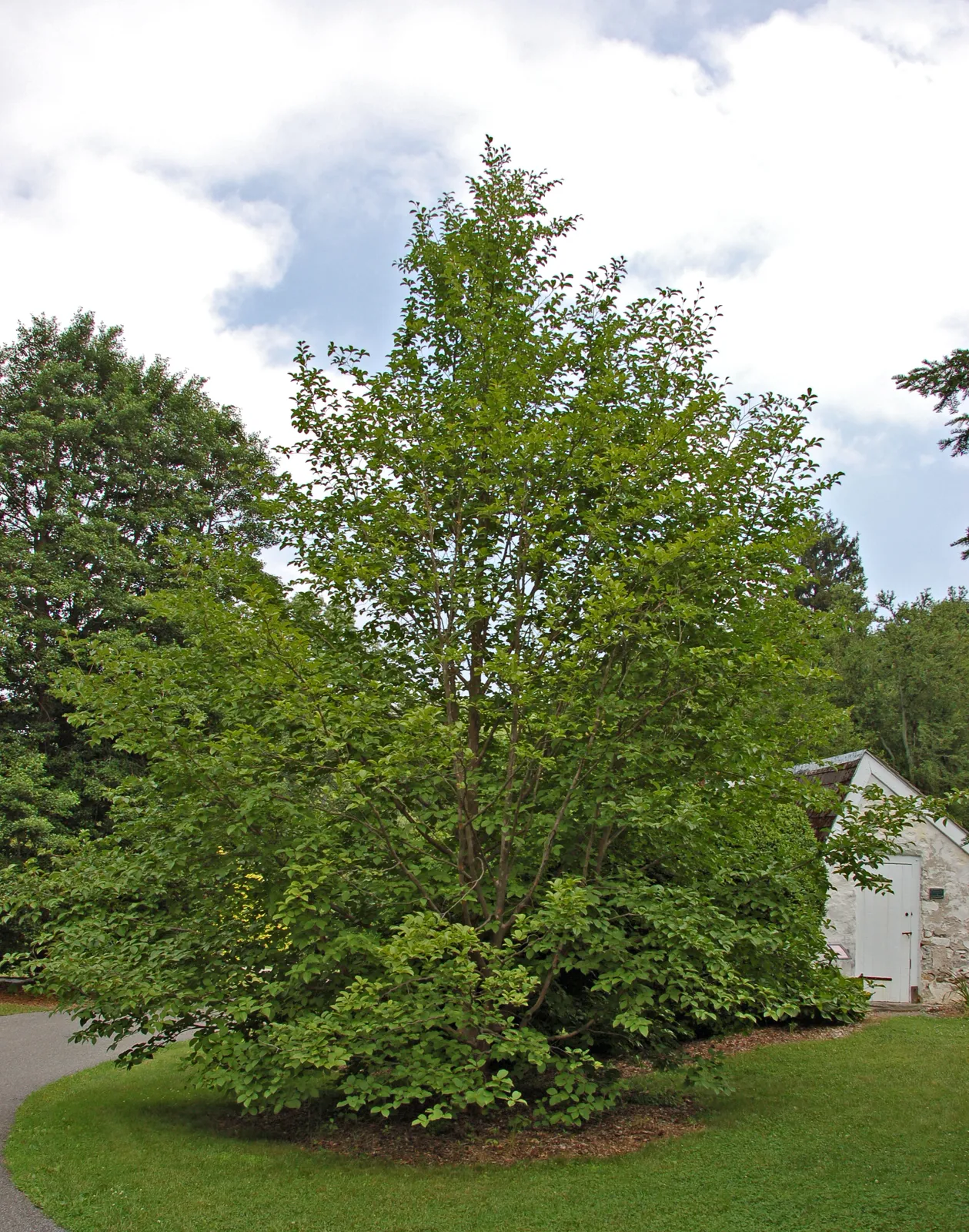
Stewartia pseudocamellia, commonly known as Japanese stewartia or common stewartia, is an exquisite deciduous tree belonging to the Theaceae family, native to the temperate forests of Japan and Korea. This elegant species is highly valued for its year-round ornamental appeal, which includes distinctive multi-seasonal characteristics. Morphologically, it typically grows as a small to medium-sized tree, reaching heights of 12 to 40 feet with a spread of 8 to 25 feet.
Its leaves are dark green, oval, and turn into vibrant hues of red, orange, and burgundy in autumn, offering a spectacular display. The most striking features are its camellia-like white flowers, often with prominent orange-yellow anthers, which bloom in early to late summer, and its unique exfoliating bark. The bark peels away in strips of gray, reddish-brown, and orange, creating an attractive mosaic pattern that provides considerable winter interest.
Taxonomically, Stewartia pseudocamellia falls within the genus Stewartia, which comprises about 10 species primarily found in East Asia and a few in North America. Its classification within Theaceae places it alongside other well-known genera like Camellia and Thea (tea plant), suggesting a shared biochemical heritage. It thrives in moist, well-drained, acidic to neutral soils and prefers full sun to partial shade, where it can be sheltered from intense afternoon heat.
Trusted Scientific References
1. Authoritative external sources for Stewartia pseudocamellia
1.1 Wikipedia — Stewartia pseudocamellia
1.2 Kew POWO (Plants of the World Online)
1.3 PubMed — peer-reviewed research
1.4 NCBI Taxonomy Browser
1.5 GBIF — Global Biodiversity
1.6Stewartia Pseudocamellia should be interpreted through verified botanical identity, practical care, and responsible safety language. This recovery note adds the missing context needed for a complete profile: match light to the plant's habit, use well-drained soil, water according to season, and avoid unsupported medicinal or edible claims. For publishing, the plant can be presented as a source-backed garden plant with clear care guidance, common problem diagnosis, and conservative safety wording.
1.1.Stewartia Pseudocamellia — Standout Qualities
- ✓Striking Exfoliating Bark — Provides year-round visual interest with a mosaic of gray, reddish-brown, and orange.
- ✓Elegant White Flowers — Camellia-like blooms with prominent yellow anthers in summer.
- ✓Vibrant Autumn Foliage — Leaves turn brilliant red, orange, and burgundy.
- ✓Member of Theaceae Family — Related to tea and camellias, sharing some phytochemical profiles.
- ✓Native to Japan and Korea — Thrives in temperate climates.
- ✓Source of Tannins and Flavonoids — Imparting theoretical medicinal properties.
- ✓Moderate Size — Suitable for smaller landscapes as a specimen tree.
- ✓Low Maintenance — Once established, requires minimal pruning.
- ✓Slow Growing — Develops character over many years.
- ✓Adaptable to Acidic Soils — Prefers well-drained, moist conditions.
1.2.Stewartia Pseudocamellia — At-a-Glance Summary
- ✓Ornamental deciduous tree from Theaceae family.
- ✓Rich in antioxidants, tannins, and anti-inflammatory compounds.
- ✓Primarily used for theoretical topical benefits like astringent and skin support.
- ✓Internal use is not recommended due to lack of established safety and research.
- ✓Requires moist, acidic soil and partial shade for optimal growth.
- ✓Known for beautiful exfoliating bark and camellia-like white flowers.
2.Stewartia Pseudocamellia — Scientific Profile
3.Stewartia Pseudocamellia — Botanical Stats
4.Stewartia Pseudocamellia — Morphological Account
5.Stewartia Pseudocamellia — Habitat & Distribution
6.Stewartia Pseudocamellia — Cultural & Traditional Roles
7.Stewartia Pseudocamellia — Active Compounds
- ✓Flavonoids — Key compounds include quercetin, kaempferol, and their glycosides, known for potent antioxidant, anti-inflammatory, and potentially cardioprotective activities.
- ✓Phenolic Acids — Such as gallic acid, ellagic acid, and caffeic acid derivatives, contributing significantly to the plant's antioxidant and astringent properties, and acting as free radical scavengers.
- ✓Tannins — Predominantly hydrolyzable and condensed tannins, found in high concentrations in the bark and leaves, responsible for the strong astringent and potential antimicrobial effects.
- ✓Triterpenes — Including various triterpenoid saponins and acids, which may contribute to the plant's anti-inflammatory and adaptogenic properties.
- ✓Catechins — Similar to those found in tea (Camellia sinensis), these compounds offer significant antioxidant benefits and support vascular health.
- ✓Lignans — A class of phytoestrogens with potential antioxidant and anticarcinogenic activities, though specific types and concentrations in Stewartia pseudocamellia require further investigation.
- ✓Volatile Organic Compounds — Present in trace amounts, contributing to the plant's characteristic aroma, though their medicinal significance is less established.
- ✓Fatty Acids — Found in seeds, providing nutritional value, but generally not the primary focus for medicinal applications of bark or leaves.
8.Stewartia Pseudocamellia — What Research Suggests
- ✓Antioxidant Support — The presence of various flavonoids and phenolic acids in Stewartia pseudocamellia suggests a robust capacity for neutralizing harmful free radicals, thereby protecting cellular structures from oxidative damage and contributing to overall cellular health and longevity.
- ✓Anti-inflammatory Potential — Research on similar plants in the Theaceae family, and the identification of flavonoids and triterpenes in Japanese stewartia, indicates a theoretical ability to modulate inflammatory pathways, potentially offering benefits in reducing mild inflammation and associated discomfort within the body.
- ✓Astringent Properties — High concentrations of tannins, particularly in the bark and leaves, provide potent astringent effects. This can be hypothetically useful for tightening tissues, reducing minor bleeding, and drying exudates in topical applications, promoting wound healing and skin integrity.
- ✓Skin Health Support — The combined antioxidant and astringent actions could theoretically benefit skin health, aiding in the management of minor irritations, reducing redness, and promoting a healthy, more resilient complexion.
- ✓Potential Antimicrobial Activity — Tannins and certain phenolic compounds often exhibit mild antimicrobial properties against a range of bacteria and fungi in experimental contexts, which could offer a protective effect against some pathogens when applied topically.
- ✓Digestive Comfort (Topical/External) — The astringent nature, if applied judiciously as a very dilute external preparation, might offer a theoretical soothing effect for minor external digestive discomforts, though internal safety and efficacy are not established.
- ✓Cellular Protection — Through its rich array of phenolic compounds, Stewartia pseudocamellia may contribute to enhanced cellular defense mechanisms, supporting the body's natural resilience against various environmental stressors and promoting tissue repair.
- ✓Cardiovascular Well-being (Theoretical) — Some flavonoids, common in plants like Japanese stewartia, are associated with supporting cardiovascular health by improving blood vessel function, reducing oxidative stress in the circulatory system, and potentially modulating lipid profiles, though direct evidence for this specific plant is limited.
8.1.Stewartia Pseudocamellia — Reported Uses
9.Stewartia Pseudocamellia — Risk Profile
9.1.Stewartia Pseudocamellia — Warnings
- ✓Skin Irritation — High tannin content may cause dryness or irritation in sensitive individuals, especially with prolonged topical use.
- ✓Allergic Reactions — As with any plant, individuals may experience allergic contact dermatitis or other hypersensitivity reactions.
- ✓Gastrointestinal Upset (Theoretical) — Internal consumption, though not recommended, could theoretically lead to nausea, vomiting, or constipation due to high tannin levels.
- ✓Interactions with Medications (Theoretical) — Lack of research means potential interactions with orally administered drugs are unknown and should be considered a risk.
- ✓Photosensitivity (Unconfirmed) — Some plant compounds can induce photosensitivity; users should monitor for increased sun sensitivity when using topical preparations.
- ✓Wound Healing Delay (High Concentration) — While beneficial for minor bleeding, excessively strong astringent preparations might theoretically impede later stages of wound healing by over-tightening tissues.
- ✓Discoloration — Strong decoctions or poultices might temporarily stain skin or fabrics due to phenolic compounds.
9.2.Stewartia Pseudocamellia — Toxicity Assessment
- ✓Pregnancy and Lactation — Avoid use during pregnancy and breastfeeding due to insufficient safety data and potential unknown effects on fetal development or infant health.
- ✓Children — Not recommended for use in children due due to lack of specific safety studies and the absence of established pediatric dosages.
- ✓Internal Use Not Recommended — Stewartia pseudocamellia is primarily an ornamental plant, and its internal medicinal use is not traditionally established or scientifically validated; therefore, internal consumption should be avoided.
- ✓Pre-existing Conditions — Individuals with sensitive skin, allergies, or chronic health conditions should consult a healthcare professional before topical application.
- ✓Drug Interactions — Due to lack of research, potential interactions with prescription medications are unknown; caution is advised, especially for individuals on blood thinners or diabetes medication.
- ✓Patch Test Recommended — Always perform a patch test on a small area of skin before extensive topical application to check for allergic reactions or irritation.
- ✓Consult a Professional — For any serious health concerns or before incorporating into a therapeutic regimen, consult a qualified medical herbalist or healthcare provider.
10.Stewartia Pseudocamellia — Application Forms
- ✓Topical Infusion (Astringent) — Prepare a weak infusion from dried bark or leaves (1 tsp per cup of hot water, steep 10 min), cool, and use as a compress or wash for minor skin irritations or as a facial toner.
- ✓Poultice (Skin Support) — Crush fresh leaves or bark with a small amount of water to form a paste, apply directly to minor cuts, scrapes, or insect bites to leverage astringent and potential antimicrobial properties.
- ✓Gargle/Mouthwash (Oral Health) — A very dilute, cool infusion can be used as a gargle for theoretical soothing of minor oral discomforts, but should not be swallowed due to unestablished internal safety.
- ✓Bath Additive (Skin Soothe) — Add a strong, strained infusion of leaves and bark to bathwater to theoretically soothe irritated skin or provide a general toning effect.
- ✓Herbal Compress (Inflammation) — Soak a cloth in a warm, mild infusion and apply to areas of minor muscle discomfort or swelling for theoretical anti-inflammatory support.
- ✓Decoction (External Use Only) — For stronger astringent effects on bark, simmer bark pieces in water for 15-20 minutes, then strain and cool for external applications, ensuring no internal consumption.
- ✓Cosmetic Ingredient (Experimental) — Extracts of Stewartia pseudocamellia could be explored as an ingredient in natural skincare formulations for antioxidant and anti-aging benefits, strictly for external application.
11.Stewartia Pseudocamellia — Growing Guide
- ✓Site Selection — Choose a location sheltered from harsh winds, ideally with morning sun and afternoon shade in warmer climates.
- ✓Soil Requirements — Prefers moist, well-drained, fertile soil with a neutral to acidic pH (5.5-6.5).
- ✓Watering — Requires consistent moisture, especially during the first year; water deeply weekly, and more during dry periods.
- ✓Fertilization — Apply an acidifying organic granular fertilizer in spring during the plant's early growth years to support robust development.
- ✓Pruning — Minimal pruning needed; remove dead, damaged, or crossing branches in winter or after flowering; prune lower limbs to expose ornamental bark.
- ✓Propagation — Can be propagated by softwood cuttings in early summer or semi-hardwood cuttings in mid-to-late summer, though success rates can be challenging.
- ✓Seed Propagation — Growing from seed is complex and slow, requiring specific temperature stratification (warm then cold then warm) over several months for germination.
- ✓Winter Care — Once established, Japanese stewartia is hardy in USDA zones 5-8 and generally requires no special overwintering steps beyond initial protection.
Reviewed by the Flora Medical Global Botanical Review Panel
Multi-disciplinary editorial group · Botany · Ethnobotany · Herbal-medicine literature
Who reviewed this: This page was checked by the Flora Medical Global Botanical Review Panel — an in-house editorial group of botany graduates, ethnobotany researchers, and horticulture practitioners who collectively maintain our 7,000+ plant encyclopedia. Meet the team.
Our 4-step verification process
1. Taxonomic verification
Scientific names and synonyms cross-checked against Kew POWO, World Flora Online, and The Plant List.
2. Phytochemical & medicinal cross-reference
Active compounds, traditional uses, and reported activities are cross-referenced with PubMed, USDA Dr. Duke's database, and peer-reviewed ethnobotanical literature.
3. Conservation & distribution check
Distribution, ecology, and conservation status confirmed against GBIF occurrence records and the IUCN Red List.
4. Editorial & safety review
Every entry passes an editorial pass for clarity, originality, and safety notices (toxicity, contraindications, dosage caveats) before publication.
Last reviewed:
Important medical disclaimer: This content is for educational and research purposes only. It is not medical advice and is not a substitute for consultation with a licensed healthcare provider. Do not use any herb to self-treat a medical condition without professional guidance.
Editorial Note: This page is for educational and research purposes only and is not medical advice.
Written by: Flora Medical Global Editorial Team
Reviewed by: Flora Medical Global Botanical Review Panel
Last Updated: June 15, 2026





Stewartia Pseudocamellia — Comments & Community Reviews
Rate this plant