
Medical Disclaimer: This content is for educational purposes only. It is not medical advice. Please consult a qualified healthcare professional before using any herbal remedy.
Safety Overview
1.Stonebreaker Fern — Essential Profile
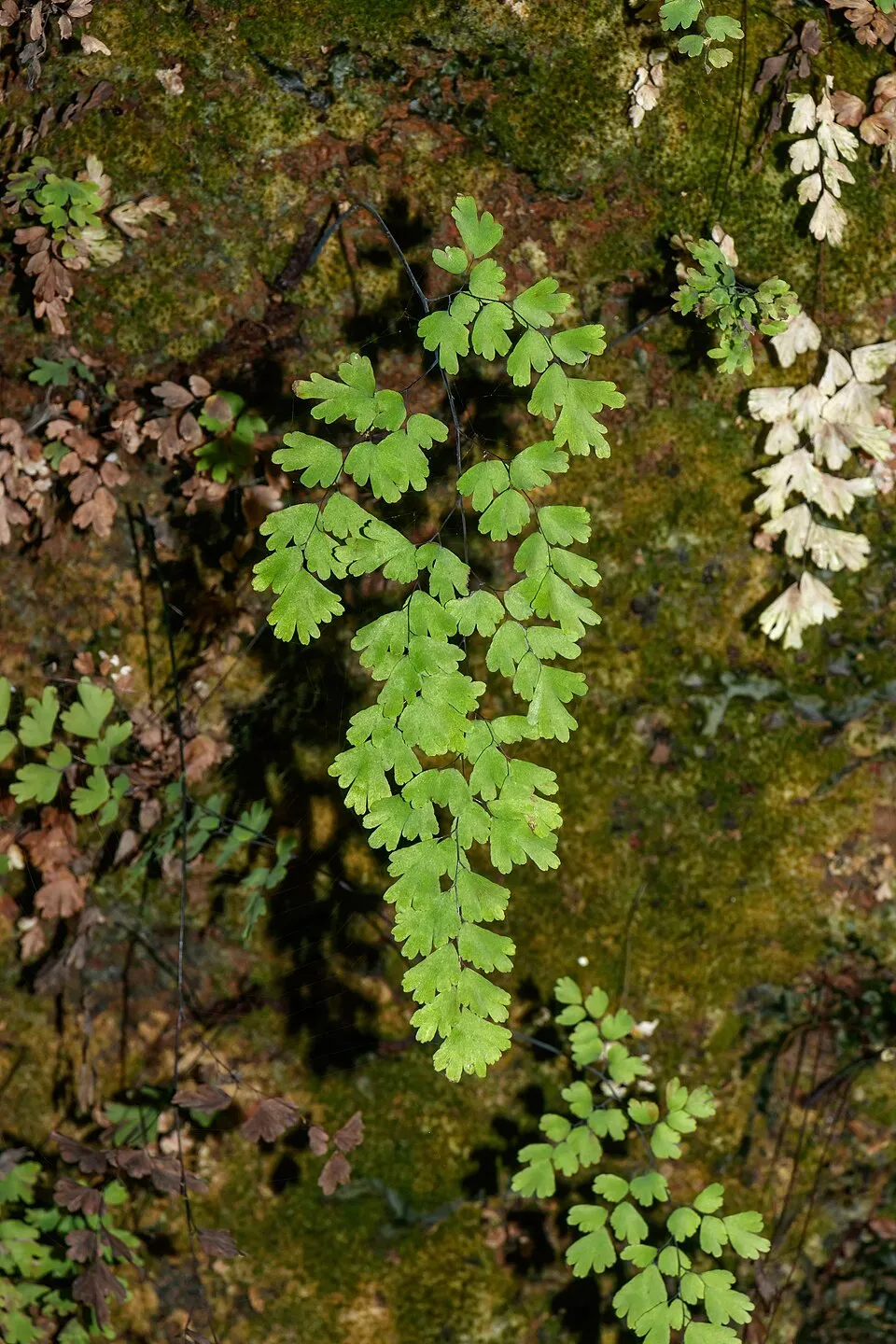
Stonebreaker Fern, scientifically known as Adiantum capillus-veneris, is a captivating member of the Pteridaceae family, renowned for its delicate and ethereal appearance. This perennial fern typically reaches heights of 15 to 35 cm, characterized by its distinctive, fan-shaped fronds that are often a vibrant dark green. The fronds feature a lacy, intricate arrangement of numerous small, almost transparent leaflets (pinnae), which can grow up to a few centimeters long.
The glossy black petioles, or leaf stalks, are a hallmark of this species, often coated with fine hairs at their base, rising from a creeping rhizome that gives the plant an aromatic fragrance. Adiantum capillus-veneris thrives in moist, shaded environments, commonly found in woodland areas, along riverbanks, and nestled in rocky crevices. Its natural distribution is extensive, spanning tropical and subtropical regions across North America, parts of Africa, Asia, Southern Europe, the Atlantic coast, Central and South America, and Australia.
The plant prefers well-drained soils that are rich in organic material and range from slightly acidic to neutral in pH. Unlike flowering plants, Stonebreaker Fern reproduces through small spores produced within specialized structures called sori, located on the underside of its leaflets, a testament to its ancient lineage in the plant kingdom, dating back millions of years. Taxonomically, it belongs to the kingdom Plantae, phylum Pteridophyta, and class Polypodiopsida, highlighting its evolutionary distinction from seed-bearing plants.
Trusted Scientific References
1. Authoritative external sources for Adiantum capillus-veneris
1.1 Wikipedia — Adiantum capillus-veneris
1.2 Kew POWO (Plants of the World Online)
1.3 PubMed — peer-reviewed research
1.4 NCBI Taxonomy Browser
1.5 GBIF — Global Biodiversity
1.6Stonebreaker Fern should be interpreted through verified botanical identity, practical care, and responsible safety language. This recovery note adds the missing context needed for a complete profile: match light to the plant's habit, use well-drained soil, water according to season, and avoid unsupported medicinal or edible claims. For publishing, the plant can be presented as a source-backed medicinal plant with clear care guidance, common problem diagnosis, and conservative safety wording.
1.1.Stonebreaker Fern — Distinguishing Points
- ✓Delicate, fan — shaped fronds with glossy black petioles, characteristic of the elegant Maidenhair fern.
- ✓Widely distributed in — Widely distributed in moist, shaded tropical and subtropical regions across the globe.
- ✓Possesses a deep — Possesses a deep historical legacy in Iranian Traditional Medicine for its medicinal properties.
- ✓Highly valued for its potent diuretic and anti — urolithiatic effects, traditionally for kidney stone management.
- ✓Modern phytotherapy supports its significant anti — inflammatory, antioxidant, and antimicrobial activities.
- ✓Contains a rich — Contains a rich profile of bioactive compounds, including various flavonoids, terpenoids, and phenolic acids.
- ✓Traditionally applied topically — Traditionally applied topically for wound healing, skin conditions, and as an effective natural hair tonic.
- ✓Reproduces primarily via — Reproduces primarily via spores, underscoring its ancient evolutionary lineage within the plant kingdom.
- ✓Known for its — Known for its supportive role in respiratory health, addressing conditions such as asthma and coughs.
- ✓Requires careful consideration — Requires careful consideration regarding thyroid function and is contraindicated during pregnancy and lactation.
1.2.Stonebreaker Fern — In Brief
- ✓Adiantum capillus-veneris, or Stonebreaker Fern, is a delicate fern with a rich history in traditional medicine for diverse health benefits.
- ✓Renowned for its diuretic and anti-urolithiatic properties, it is traditionally used to support kidney health and dissolve stones.
- ✓Modern research validates its significant anti-inflammatory, antioxidant, and antimicrobial activities, attributed to its rich phytochemical profile.
- ✓Historically, it also supports respiratory health, aids digestion, and serves as a natural hair tonic.
- ✓Critical safety considerations include avoiding use during pregnancy and for individuals with thyroid conditions due to potential adverse effects.
2.Stonebreaker Fern — Botanical Identity
3.Stonebreaker Fern — Key Data
4.Stonebreaker Fern — Physical Description
5.Stonebreaker Fern — Origin & Spread
6.Stonebreaker Fern — Folk Medicine Applications
7.Stonebreaker Fern — Key Phytochemicals
- ✓Flavonoids — Key compounds like quercetin, rutin, and kaempferol derivatives are abundant, contributing significantly to the fern's antioxidant, anti-inflammatory, and vasoprotective effects.
- ✓Terpenoids — A diverse group including triterpenes such as adiantone, which are responsible for notable anti-inflammatory, analgesic, and potential cytotoxic activities.
- ✓Phenolic Acids — Caffeic acid, ferulic acid, and gallic acid are present, providing potent antioxidant and free-radical scavenging properties, crucial for cellular protection.
- ✓Alkaloids — Nitrogen-containing organic compounds found in varying concentrations, contributing to diverse pharmacological actions, including potential neurological effects.
- ✓Tannins — Astringent compounds, primarily gallotannins, that offer antiseptic, anti-diarrheal, and wound-healing benefits, also acting as antioxidants.
- ✓Steroids — Plant sterols like beta-sitosterol and stigmasterol are identified, potentially contributing to hypocholesterolemic and anti-inflammatory effects.
- ✓Saponins — Glycosidic compounds known for their detergent-like properties, which may contribute to expectorant, diuretic, and hypolipidemic actions.
- ✓Polysaccharides — Complex carbohydrates that support immune system modulation and possess demulcent properties, soothing irritated mucous membranes.
- ✓Essential Oils — Volatile aromatic compounds present in trace amounts, contributing to the plant's characteristic fragrance and potentially offering mild antimicrobial effects.
- ✓Carotenoids — Pigments such as beta-carotene, providing additional antioxidant support and playing a role in plant photoprotection.
8.Stonebreaker Fern — Scientific Evidence
- ✓Diuretic & Anti-urolithiatic — Promotes increased urine production and aids in the dissolution and expulsion of kidney and bladder stones, a primary traditional use.
- ✓Anti-inflammatory Action — Reduces systemic and localized inflammation, validated by modern research on its phytochemical constituents.
- ✓Antioxidant Protection — Rich in phenolic compounds and flavonoids, it effectively scavenges free radicals, protecting cells from oxidative damage.
- ✓Respiratory Support — Traditionally employed for conditions like asthma, dyspnea, coughs, and to cleanse the respiratory system, acting as an expectorant.
- ✓Digestive Aid — Addresses various gastrointestinal complaints, including diarrhea, jaundice, and abdominal cramps, promoting digestive comfort.
- ✓Hair Growth & Scalp Health — Used topically as a traditional hair tonic to prevent alopecia, stimulate hair follicles, and improve overall scalp vitality.
- ✓Antimicrobial Properties — Exhibits antibacterial and antifungal activities, offering a natural defense against various pathogenic microorganisms.
- ✓Analgesic Effects — Provides pain relief, historically used for headaches and general discomfort, likely through its anti-inflammatory pathways.
- ✓Metabolic Support — Modern studies suggest potential anti-diabetic and hypocholesterolemic effects, helping to regulate blood sugar and cholesterol levels.
- ✓Female Reproductive Health — Traditionally used to manage amenorrhea and assist during childbirth by facilitating placenta extraction, requiring careful application.
- ✓Wound Healing — Applied externally in the form of ointments or poultices to accelerate the healing of wounds and skin lesions.
- ✓Detoxification — Supports the body's natural detoxification pathways, aiding in the elimination of toxins and promoting overall wellness.
8.1.Stonebreaker Fern — Health Applications
9.Stonebreaker Fern — Cautions & Contraindications
9.1.Stonebreaker Fern — Warnings
- ✓Thyroid Dysfunction — May exhibit goitrogenic and anti-thyroidal effects, potentially interfering with thyroid hormone production and function, especially with prolonged or high-dose use.
- ✓Allergic Reactions — Sensitive individuals may experience hypersensitivity reactions, including skin rashes, itching, or respiratory symptoms upon contact or ingestion.
- ✓Gastrointestinal Upset — High doses can lead to mild digestive disturbances such as nausea, vomiting, stomach cramps, or diarrhea.
- ✓Hypotension — Due to its diuretic properties, excessive consumption might cause a temporary drop in blood pressure.
- ✓Drug Interactions — Potential to interact with medications, particularly diuretics, thyroid hormones, and drugs affecting blood pressure or kidney function.
- ✓Pregnancy Complications — Traditional warnings suggest avoiding use during pregnancy due to potential effects on uterine contractions or fetal development.
9.2.Stonebreaker Fern — Safety Profile
- ✓Pregnancy and Lactation — Strictly contraindicated during pregnancy and breastfeeding due to insufficient safety data and traditional warnings regarding uterine effects.
- ✓Thyroid Conditions — Individuals with pre-existing thyroid disorders should avoid use or consult a specialist due to potential goitrogenic and anti-thyroidal effects.
- ✓Medical Consultation — Always seek advice from a qualified healthcare professional before using Stonebreaker Fern, especially if on medications or with chronic health conditions.
- ✓Pediatric Use — Not recommended for infants, young children, or adolescents without expert medical guidance due to lack of established safety and dosage information.
- ✓Dosage Adherence — Adhere strictly to recommended dosages and duration of use; avoid prolonged, unsupervised consumption to prevent adverse effects.
- ✓Allergic Sensitivity — Discontinue use immediately if any signs of allergic reaction, such as skin irritation, swelling, or breathing difficulties, occur.
- ✓Kidney/Liver Impairment — Exercise caution in individuals with severe kidney or liver disease, as metabolic processing and elimination may be compromised.
10.Stonebreaker Fern — Usage Guide
- ✓Decoction — Prepare by simmering dried fronds in water for 10-15 minutes; commonly consumed orally for respiratory ailments, kidney stones, and as a diuretic.
- ✓Infusion (Tea) — Steep fresh or dried fronds in hot water for 5-10 minutes for a milder preparation, often used for general wellness and digestive support.
- ✓Tincture — An alcohol-based extract of the fronds, providing a concentrated form for internal systemic effects, administered in drops.
- ✓Poultice/Compress — Crush fresh fronds or soak a cloth in a strong decoction, then apply topically to wounds, inflamed areas, or skin conditions.
- ✓Syrup — Combine a decoction with honey or sugar to create a soothing syrup, particularly effective for coughs and throat irritation.
- ✓Hair Rinse — Use a cooled decoction as a final rinse after shampooing to promote hair growth, strengthen strands, and alleviate scalp issues like alopecia.
- ✓Powdered Form — Dried and finely ground fronds can be encapsulated or mixed into beverages for internal consumption, especially for gastrointestinal disorders.
- ✓Eye Drop (Traditional, with caution) — Historically, a highly diluted preparation was used for specific eye conditions; modern use requires extreme caution and professional medical supervision.
11.Stonebreaker Fern — Cultivation & Care
- ✓Ideal Environment — Thrives in warm-temperate to tropical climates with consistently high humidity, mimicking its natural understory habitat.
- ✓Light Requirements — Prefers partial to full shade; direct, intense sunlight can quickly scorch and damage its delicate fronds.
- ✓Soil Composition — Requires well-drained, loose, and fertile soil that is rich in organic matter, with an optimal pH range of 6.0 to 7.0 (slightly acidic to neutral).
- ✓Watering Schedule — Maintain consistent soil moisture, ensuring the soil remains evenly damp but never waterlogged; avoid letting it dry out completely.
- ✓Humidity — High ambient humidity is crucial for healthy growth; regular misting, a pebble tray, or placement near a humidifier is highly beneficial.
- ✓Propagation — Can be effectively propagated by dividing its creeping rhizomes in early spring or by germinating spores in a sterile, humid environment.
- ✓Temperature — Optimal growth occurs in temperatures between 18-24°C (65-75°F); protect the plant from cold drafts and temperatures below 10°C (50°F).
- ✓Fertilization — Feed sparingly with a highly diluted, balanced liquid fertilizer once a month during the active growing season (spring and summer).
Reviewed by the Flora Medical Global Botanical Review Panel
Multi-disciplinary editorial group · Botany · Ethnobotany · Herbal-medicine literature
Who reviewed this: This page was checked by the Flora Medical Global Botanical Review Panel — an in-house editorial group of botany graduates, ethnobotany researchers, and horticulture practitioners who collectively maintain our 7,000+ plant encyclopedia. Meet the team.
Our 4-step verification process
1. Taxonomic verification
Scientific names and synonyms cross-checked against Kew POWO, World Flora Online, and The Plant List.
2. Phytochemical & medicinal cross-reference
Active compounds, traditional uses, and reported activities are cross-referenced with PubMed, USDA Dr. Duke's database, and peer-reviewed ethnobotanical literature.
3. Conservation & distribution check
Distribution, ecology, and conservation status confirmed against GBIF occurrence records and the IUCN Red List.
4. Editorial & safety review
Every entry passes an editorial pass for clarity, originality, and safety notices (toxicity, contraindications, dosage caveats) before publication.
Last reviewed:
Important medical disclaimer: This content is for educational and research purposes only. It is not medical advice and is not a substitute for consultation with a licensed healthcare provider. Do not use any herb to self-treat a medical condition without professional guidance.
Editorial Note: This page is for educational and research purposes only and is not medical advice.
Written by: Flora Medical Global Editorial Team
Reviewed by: Flora Medical Global Botanical Review Panel
Last Updated: June 15, 2026




Stonebreaker Fern — Comments & Community Reviews
Rate this plant