


Medical Disclaimer: This content is for educational purposes only. It is not medical advice. Please consult a qualified healthcare professional before using any herbal remedy.
Safety Overview
1.Digitalis Strawberry Foxglove — Plant Snapshot
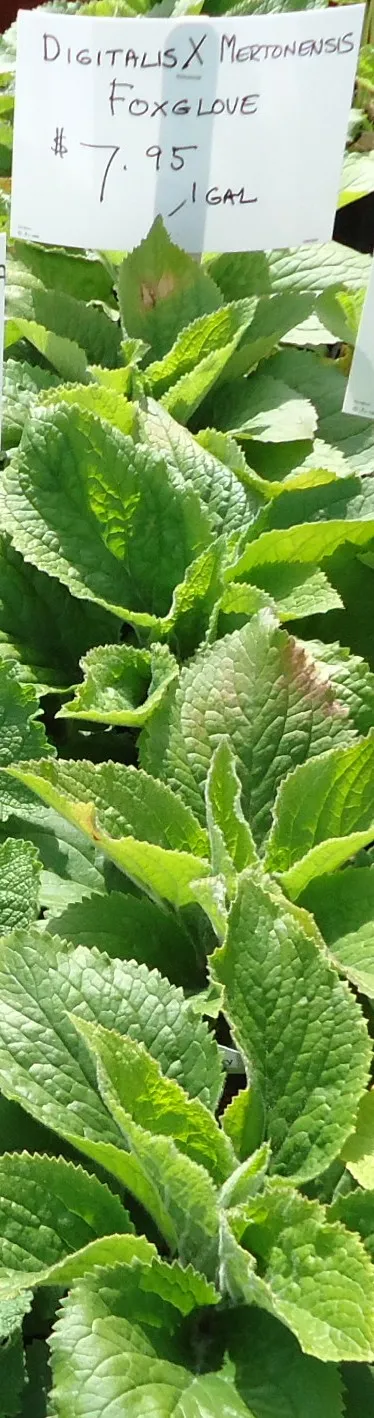
Digitalis x mertonensis, commonly known as Strawberry Foxglove, is a striking perennial hybrid resulting from a cross between the well-known Common Foxglove (Digitalis purpurea) and the Large Yellow Foxglove (Digitalis grandiflora). This captivating plant is celebrated for its unique thimble-shaped flowers, which display a charming strawberry-rose hue, often with delicate speckles inside, making it a favorite in ornamental gardens. Typically growing to an impressive height of 2 to 3 feet (60-90 cm), Strawberry Foxglove forms a robust basal rosette of soft green, ovate to lanceolate leaves.
Its sturdy flower stalks emerge from this rosette, adorned with numerous pendant blooms that attract pollinators like bees and hummingbirds. While its parent species are native to Europe, western Asia, and northwestern Africa, Digitalis x mertonensis is a cultivated hybrid developed for its distinctive aesthetic appeal and inherits the general growth characteristics of the genus. It thrives in temperate climates, preferring partial shade and well-drained soil, blooming profusely from late spring through early summer.
Despite its beauty, it is crucial to remember that, like all members of the Digitalis genus, every part of the Strawberry Foxglove plant is highly toxic if ingested, containing potent cardiac glycosides that can severely impact heart function.
Trusted Scientific References
1. Authoritative external sources for Digitalis x mertonensis
1.1 Wikipedia — Digitalis x mertonensis
1.2 Kew POWO (Plants of the World Online)
1.3 PubMed — peer-reviewed research
1.4 NCBI Taxonomy Browser
1.5 GBIF — Global Biodiversity
1.6Digitalis Strawberry Foxglove should be interpreted through verified botanical identity, practical care, and responsible safety language. This recovery note adds the missing context needed for a complete profile: match light to the plant's habit, use well-drained soil, water according to season, and avoid unsupported medicinal or edible claims. For publishing, the plant can be presented as a source-backed garden plant with clear care guidance, common problem diagnosis, and conservative safety wording.
1.1.Digitalis Strawberry Foxglove — Key Features
- ✓Hybrid Perennial — A cross between Digitalis purpurea and Digitalis grandiflora, offering perennial growth.
- ✓Strawberry — Rose Flowers — Distinctive, thimble-shaped blooms in unique strawberry-rose shades.
- ✓Potent Cardiac Glycosides — Contains powerful compounds that affect heart muscle and rhythm.
- ✓Highly Toxic — All parts of the plant are poisonous if ingested, posing significant health risks.
- ✓Ornamental Appeal — Valued for its striking appearance in garden borders and woodland settings.
- ✓Attracts Pollinators — Flowers are a magnet for bees, hummingbirds, and other beneficial insects.
- ✓Deer and Rabbit Resistant — Its toxicity naturally deters common garden pests.
- ✓Low Maintenance — Relatively easy to grow once established, requiring minimal care.
- ✓Blooms Late Spring to Early Summer — Provides vibrant color during a key transitional period in the garden.
- ✓Rosette Foliage — Forms attractive basal rosettes of soft green leaves.
1.2.Digitalis Strawberry Foxglove — Snapshot Summary
- ✓Hybrid perennial with unique strawberry-rose flowers.
- ✓Contains potent cardiac glycosides.
- ✓Historically and currently used in conventional medicine for heart conditions.
- ✓Extremely toxic; NOT for self-medication.
- ✓Requires strict medical supervision for therapeutic use.
- ✓Ornamental plant with significant ecological benefits.
2.Digitalis Strawberry Foxglove — Scientific Profile
3.Digitalis Strawberry Foxglove — Quick Facts
4.Digitalis Strawberry Foxglove — Morphological Account
5.Digitalis Strawberry Foxglove — Habitat & Distribution
6.Digitalis Strawberry Foxglove — Cultural & Traditional Roles
7.Digitalis Strawberry Foxglove — Active Compounds
- ✓Cardiac Glycosides — The most significant compounds, primarily cardenolides like digitoxin, gitoxin, and gitaloxin, which are responsible for its profound effects on cardiac muscle contractility and rhythm. These compounds are highly potent and have a narrow therapeutic window.
- ✓Saponins — Present in smaller quantities, these compounds contribute to the plant's general bitterness and may have some minor expectorant or anti-inflammatory properties, though not medically significant in the context of Digitalis.
- ✓Flavonoids — Various flavonoid glycosides can be found, acting as natural antioxidants, but their contribution to the primary medicinal action of Digitalis x mertonensis is minimal compared to the cardiac glycosides.
- ✓Anthraquinones — Trace amounts may be present, typically associated with laxative effects in other plants, but not a primary active constituent or therapeutic focus in Digitalis.
- ✓Steroidal Saponins — Alongside triterpenoid saponins, these compounds are found in the plant, potentially contributing to membrane permeability but are not the main active principles.
- ✓Organic Acids — Various organic acids, common in plant metabolism, contribute to the plant's overall chemical profile but do not possess specific therapeutic cardiac actions.
- ✓Mineral Salts — Essential mineral elements are present, supporting general plant physiology, but are not direct medicinal constituents.
- ✓Sugars — Simple and complex sugars are part of the plant's metabolic structure, forming the glycone part of cardiac glycosides.
8.Digitalis Strawberry Foxglove — Modern Studies
- ✓Positive Inotropic Effect — Derived from its parent species, Digitalis x mertonensis contains cardiac glycosides that strengthen heart muscle contractions by inhibiting the Na+/K+-ATPase pump, leading to increased intracellular calcium for more forceful beats, crucial in conditions like congestive heart failure.
- ✓Negative Chronotropic Effect — These potent compounds slow the heart rate by increasing vagal tone and prolonging the refractory period of the atrioventricular (AV) node, proving useful in managing rapid heart rhythms and improving diastolic filling time.
- ✓Antiarrhythmic Properties — Primarily effective in controlling the ventricular rate in supraventricular arrhythmias, such as atrial fibrillation and atrial flutter, by carefully slowing conduction through the AV node and extending the effective refractory period.
- ✓Improved Cardiac Output — By enhancing myocardial contractility and optimizing heart rate, the overall blood flow and oxygen delivery to vital tissues and organs are significantly improved, reducing symptoms of fatigue and breathlessness.
- ✓Diuretic Action (Indirect) — The improved cardiac output and enhanced renal perfusion lead to better kidney function, which can indirectly promote diuresis and help reduce fluid retention in patients suffering from congestive heart failure.
- ✓Edema Reduction (Indirect) — Alleviates peripheral and pulmonary edema associated with congestive heart failure by improving the heart's pumping efficiency and subsequent fluid excretion, thereby decreasing systemic and pulmonary congestion.
- ✓Reduced Sympathetic Activity — In chronic heart failure, Digitalis can help mitigate the overactive sympathetic nervous system response, lessening the strain on the heart and improving overall cardiac efficiency.
- ✓Enhanced Baroreflex Sensitivity — Cardiac glycosides can improve the sensitivity of baroreceptors, aiding in better regulation of blood pressure and heart rate, contributing to more stable cardiovascular hemodynamics.
- ✓Potential for Vasodilation — While initial effects might involve some vasoconstriction, the overall long-term effect of improved cardiac function and reduced sympathetic drive can lead to beneficial peripheral vasodilation, reducing afterload on the heart.
8.1.Digitalis Strawberry Foxglove — Reported Uses
9.Digitalis Strawberry Foxglove — Precautions & Warnings
9.1.Digitalis Strawberry Foxglove — Caution Notes
- ✓Cardiac Arrhythmias — The most dangerous side effect, including bradycardia, tachycardia, and potentially fatal ventricular fibrillation, due to its potent effect on heart rhythm.
- ✓Gastrointestinal Distress — Common initial symptoms include nausea, vomiting, diarrhea, and abdominal pain, often indicating early toxicity.
- ✓Visual Disturbances — Blurred vision, 'yellow-green' halos around lights (xanthopsia), and other visual abnormalities can occur.
- ✓Neurological Symptoms — Headache, fatigue, dizziness, confusion, delirium, and even hallucinations are possible, especially in elderly patients.
- ✓Electrolyte Imbalance — Can exacerbate or be exacerbated by hypokalemia, leading to increased toxicity risk.
- ✓Anorexia and Weight Loss — Chronic toxicity can lead to a significant loss of appetite and subsequent weight loss.
- ✓Gynaecomastia — Rare but reported side effect in males, linked to the estrogen-like activity of some cardiac glycosides.
9.2.Digitalis Strawberry Foxglove — Clinical Safety Notes
- ✓Extreme Toxicity — All parts of Digitalis x mertonensis are highly poisonous if ingested due to potent cardiac glycosides; even small amounts can be lethal.
- ✓Never Self-Medicate — This plant is strictly for pharmaceutical extraction under controlled conditions and should never be used for self-treatment or traditional herbal remedies.
- ✓Medical Supervision Required — Therapeutic use of Digitalis-derived drugs demands continuous medical monitoring, including blood levels and ECG, due to its narrow therapeutic window.
- ✓Contraindications — Avoid in patients with certain heart conditions (e.g., ventricular tachycardia, AV block without pacemaker), severe renal impairment, or electrolyte imbalances like hypokalemia.
- ✓Drug Interactions — Significant interactions with numerous medications, including diuretics, calcium channel blockers, beta-blockers, and certain antibiotics, can alter its effects or toxicity.
- ✓Keep Away from Children and Pets — Ensure the plant is inaccessible to children and pets in gardens to prevent accidental poisoning.
- ✓Pregnant and Breastfeeding Women — Absolutely contraindicated due to severe risks to the fetus or infant.
10.Digitalis Strawberry Foxglove — How to Use
- ✓Strictly Medical — Digitalis x mertonensis, like all foxgloves, is extremely toxic and is NOT suitable for self-medication; its compounds are isolated and used in highly controlled pharmaceutical preparations.
- ✓Pharmaceutical Extraction — Cardiac glycosides are extracted from Digitalis species leaves for the synthesis of drugs like digitoxin, which are prescribed and monitored by medical professionals.
- ✓Controlled Dosage — Any therapeutic use of Digitalis-derived compounds requires precise dosing and continuous monitoring of blood levels and cardiac function due to its narrow therapeutic index.
- ✓Oral Administration — Pharmaceutical forms are typically administered orally as tablets or capsules for chronic management of heart conditions.
- ✓Intravenous Administration — In acute situations, some Digitalis derivatives can be administered intravenously under strict medical supervision for rapid effect.
- ✓Ornamental Use Only — The plant itself should be viewed purely as an ornamental garden specimen, admired for its beauty but never ingested or applied topically.
- ✓Historical Context — Historically, crude preparations were used by herbalists, but this practice is now considered dangerously obsolete due to the variability and potency of the plant's compounds.
- ✓Avoid Direct Contact — Handle the plant with gloves, especially if you have sensitive skin, to avoid potential irritation, and always wash hands thoroughly after contact.
11.Digitalis Strawberry Foxglove — Growth Requirements
- ✓Hardiness Zones — Thrives in USDA Hardiness Zones 4 to 9, tolerating a range of temperate conditions.
- ✓Sun Exposure — Prefers partial shade, especially in hotter climates, but can tolerate full sun in cooler, moist regions.
- ✓Soil Requirements — Grows best in moist, well-drained soil rich in organic matter, adaptable to various soil types including chalk, clay, loam, and sand.
- ✓Soil pH — Tolerates a wide range of soil pH from acidic to alkaline, performing well in neutral conditions.
- ✓Water Needs — Requires average moisture; ensure consistent watering, especially during dry spells, but avoid waterlogging.
- ✓Maintenance — Low maintenance; deadhead spent flowers to encourage further blooming or prevent self-seeding, though as a hybrid, seeds may not be true to type.
- ✓Pest and Disease Resistance — Generally resistant to deer and rabbits due to its toxicity, and not typically plagued by severe pests or diseases.
- ✓Propagation — Can be propagated by division of established clumps in early spring or by seed (though hybrid seeds may not produce identical plants) for its parent species.
Reviewed by the Flora Medical Global Botanical Review Panel
Multi-disciplinary editorial group · Botany · Ethnobotany · Herbal-medicine literature
Who reviewed this: This page was checked by the Flora Medical Global Botanical Review Panel — an in-house editorial group of botany graduates, ethnobotany researchers, and horticulture practitioners who collectively maintain our 7,000+ plant encyclopedia. Meet the team.
Our 4-step verification process
1. Taxonomic verification
Scientific names and synonyms cross-checked against Kew POWO, World Flora Online, and The Plant List.
2. Phytochemical & medicinal cross-reference
Active compounds, traditional uses, and reported activities are cross-referenced with PubMed, USDA Dr. Duke's database, and peer-reviewed ethnobotanical literature.
3. Conservation & distribution check
Distribution, ecology, and conservation status confirmed against GBIF occurrence records and the IUCN Red List.
4. Editorial & safety review
Every entry passes an editorial pass for clarity, originality, and safety notices (toxicity, contraindications, dosage caveats) before publication.
Last reviewed:
Important medical disclaimer: This content is for educational and research purposes only. It is not medical advice and is not a substitute for consultation with a licensed healthcare provider. Do not use any herb to self-treat a medical condition without professional guidance.
Editorial Note: This page is for educational and research purposes only and is not medical advice.
Written by: Flora Medical Global Editorial Team
Reviewed by: Flora Medical Global Botanical Review Panel
Last Updated: June 15, 2026





Digitalis Strawberry Foxglove — Comments & Community Reviews
Rate this plant