

Medical Disclaimer: This content is for educational purposes only. It is not medical advice. Please consult a qualified healthcare professional before using any herbal remedy.
Safety Overview
1.Streptocarpus Hybrid — Botanical Snapshot
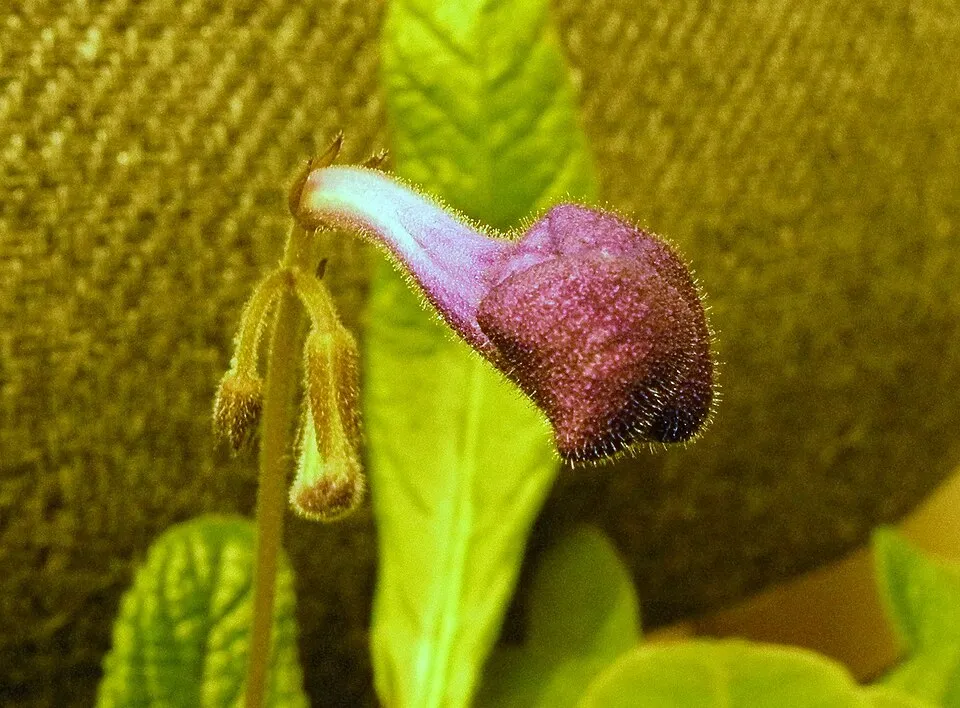
Streptocarpus hybrids, commonly recognized as Cape Primrose, represent a captivating assemblage of herbaceous perennial flowering plants nestled within the diverse Gesneriaceae family. Originating primarily from the humid, subtropical and tropical expanses of Southern Africa, including Madagascar and South Africa, these plants naturally inhabit the shaded undergrowth of forest floors, often growing lithophytically on moss-covered rocks or occasionally as epiphytes on tree trunks. Their distinctive morphology typically features leaves arranged in a basal rosette, emerging from an exceptionally short, often hidden stem, giving the plant an almost stemless appearance. These leaves are generally oblong to oval, reaching lengths of 12-25 cm (5-10 inches), characterized by a lustrous, dark green upper surface and a softer, often paler underside, both adorned with a fine, velvety pubescence that imparts a fuzzy texture.
The root system is shallow and fibrous, perfectly adapted to moist, well-draining substrates. The most striking characteristic is undoubtedly the flowers, which arise from long, slender pedicels in the leaf axils. They are trumpet-shaped or tubular, typically five-lobed, and display an astonishing spectrum of colors, ranging from vivid blues and purples to various shades of pink, red, and pristine white, frequently accented with contrasting throats or intricate markings. These vibrant blooms are effective in attracting diverse insect pollinators and boast a prolonged flowering period, usually extending from spring through late summer.
Post-pollination, the plant forms a unique, slender, spirally twisted seed capsule that gradually uncoils upon drying to release its minute seeds. Taxonomically, Streptocarpus shares a close kinship with other popular ornamental genera like Saintpaulia (African Violet) within the Didymocarpoideae subfamily, underscoring its botanical significance.
Trusted Scientific References
1. Authoritative external sources for Streptocarpus hybrid
1.1 Wikipedia — Streptocarpus hybrid
1.2 Kew POWO (Plants of the World Online)
1.3 PubMed — peer-reviewed research
1.4 NCBI Taxonomy Browser
1.5 GBIF — Global Biodiversity
1.1.Streptocarpus Hybrid — Highlights
- ✓Velvety Leaves — Characterized by soft, fuzzy, oblong to oval leaves, typically dark green and glossy on the upper surface, contributing to its tactile appeal.
- ✓Tubular Flowers — Displays striking trumpet-shaped or tubular flowers with five lobes, appearing in an astonishing array of vibrant colors including blue, purple, pink, red, and white.
- ✓Basal Rosette Growth — Leaves typically grow in a rosette pattern directly from a very short, often inconspicuous stem, giving the plant an almost stemless or acaulescent appearance.
- ✓Fibrous Root System — Possesses a relatively shallow, fibrous root system, indicative of its natural habitat on humid forest floors or rocky crevices, requiring well-draining soil.
- ✓Perennial Herb — A long-lived herbaceous plant, capable of thriving for multiple seasons and producing continuous blooms under suitable environmental conditions.
- ✓Shade — Loving Plant — Naturally prefers indirect light or partial shade, making it exceptionally well-suited for indoor cultivation away from harsh, direct sunlight.
- ✓High Humidity Requirement — Thrives optimally in environments with elevated atmospheric moisture, directly reflecting its native tropical and subtropical origins.
- ✓Epiphytic/Lithophytic Tendencies — In its natural habitat, it demonstrates adaptability by growing on tree trunks (epiphytic) or mossy rocks (lithophytic), showcasing its versatile growth habit.
- ✓Long Blooming Season — Flowers typically emerge profusely in spring and can continue to bloom throughout the summer, offering extended ornamental value and visual delight.
- ✓Twisted Seed Pods — Produces characteristic slender, spirally twisted seed capsules after successful pollination, which slowly uncoil to release fine seeds.
1.2.Streptocarpus Hybrid — Snapshot Summary
- ✓Primary Ornamental Value — Streptocarpus hybrid is widely cultivated and cherished globally for its exquisite, diverse flowers and velvety foliage, making it a highly popular and aesthetically pleasing houseplant.
- ✓Traditional Soothing Agent — Anecdotally, indigenous communities in Southern Africa have utilized its soft, mucilaginous leaves as a traditional remedy for soothing respiratory discomforts and minor skin irritations.
- ✓Rich in Phytochemicals — The plant contains a notable profile of flavonoids, phenolic acids, and mucilage, which contribute to its potential antioxidant, anti-inflammatory, and demulcent properties.
- ✓Specific Cultivation Needs — Thrives best in environments offering high humidity, bright indirect light, and consistently moist, well-draining soil, mimicking its tropical forest undergrowth origins.
- ✓Limited Scientific Validation — While traditional uses are noted, extensive modern clinical research validating the medicinal efficacy and safety of Streptocarpus hybrid in humans is currently limited.
- ✓Easy to Propagate — Known for its ease of propagation from leaf cuttings, making it accessible for enthusiasts to grow and multiply.
2.Streptocarpus Hybrid — Scientific Identity
3.Streptocarpus Hybrid — Key Data
4.Streptocarpus Hybrid — Physical Description
5.Streptocarpus Hybrid — Native Range & Habitat
6.Streptocarpus Hybrid — Folk Medicine Applications
7.Streptocarpus Hybrid — Chemical Profile
- ✓Flavonoids — Key compounds like Quercetin, Kaempferol, and Apigenin are present, contributing significantly to the plant's antioxidant, anti-inflammatory, and potentially cardioprotective effects by modulating cellular pathways.
- ✓Phenolic Acids — Caffeic acid, Rosmarinic acid, and Gallic acid are identified, providing robust antioxidant activity, scavenging free radicals, and exhibiting anti-inflammatory and antimicrobial properties.
- ✓Mucilage — The leaves contain significant amounts of mucilage, a complex polysaccharide, responsible for the plant's demulcent and emollient properties, providing soothing relief to irritated mucous membranes and skin.
- ✓Anthocyanins — These water-soluble pigments, particularly evident in the vibrant floral colors, are a type of flavonoid with strong antioxidant capabilities and potential anti-inflammatory benefits.
- ✓Triterpenes — Compounds such as ursolic acid or oleanolic acid derivatives may be present, often associated with anti-inflammatory, hepatoprotective, and cytotoxic activities in plants.
- ✓Saponins — While specific types are undetermined, saponins could contribute to expectorant properties, aiding in respiratory discomfort, and may also possess antifungal or antimicrobial actions.
- ✓Tannins — Astringent compounds that can help tighten tissues, reduce inflammation, and possess antiseptic qualities, potentially aiding in wound healing and reducing skin irritation.
- ✓Glycosides — Various glycosides, including phenolic glycosides, may be present, influencing diverse biological activities such as antioxidant or mild cardiotonic effects, depending on their aglycone structure.
8.Streptocarpus Hybrid — Evidence-Based Benefits
- ✓Soothing Respiratory Discomfort — Traditionally, the mucilaginous leaves of Streptocarpus hybrid have been anecdotally used in some indigenous communities as mild infusions to help alleviate symptoms of coughs, sore throats, and general respiratory irritation by providing a demulcent effect on mucous membranes.
- ✓Anti-inflammatory Support — Preliminary phytochemical analyses suggest the presence of flavonoids and phenolic acids, compounds known for their anti-inflammatory properties, which may contribute to reducing localized swelling and discomfort.
- ✓Antioxidant Activity — The rich profile of phenolic compounds, including flavonoids and phenolic acids, endows Streptocarpus hybrid with potential antioxidant capacities, helping to neutralize free radicals and protect cells from oxidative stress.
- ✓Skin Irritation Relief — Applied topically as a poultice, the soft, mucilaginous leaves have been traditionally employed to soothe minor skin irritations, rashes, insect bites, and mild sunburn due to their demulcent and potentially anti-inflammatory actions.
- ✓Minor Wound Care — Anecdotal evidence suggests traditional use of leaf preparations on minor cuts and scrapes, where the plant's demulcent properties might offer a protective layer and aid in soothing the affected area.
- ✓Demulcent Properties — The velvety texture of the leaves indicates a significant mucilage content, which provides a soothing, protective coating to irritated tissues, both internally (e.g., throat) and externally (e.g., skin).
- ✓Mild Analgesic Potential — Though not extensively studied, the anti-inflammatory compounds present may offer mild relief from muscle aches and joint discomfort, aligning with its traditional application for localized pain.
- ✓Oral Health Support — Traditional gargles or mouth rinses made from the leaves might help soothe mild oral irritations or gingivitis, leveraging the demulcent and potential antiseptic qualities of its constituents.
- ✓Digestive Comfort (mild) — In some traditional practices, very mild infusions were thought to offer soothing relief for minor digestive tract irritations, likely due to the mucilage content providing a protective lining.
8.1.Streptocarpus Hybrid — Reported Uses
9.Streptocarpus Hybrid — Cautions & Contraindications
9.1.Streptocarpus Hybrid — Side Effects & Warnings
- ✓Allergic Reactions — Individuals sensitive to plants in the Gesneriaceae family or other botanicals may experience skin irritation, itching, or allergic dermatitis upon topical contact.
- ✓Mild Digestive Upset — Ingesting large quantities of the plant, especially if not properly prepared, might lead to mild stomach discomfort, nausea, or diarrhea in sensitive individuals.
- ✓Photosensitivity (rare) — While uncommon, some plant compounds can potentially increase skin sensitivity to sunlight, though this has not been specifically reported for Streptocarpus hybrid.
- ✓Interaction with Medications — Due to potential phytochemical activity, there is a theoretical risk of interaction with certain medications, particularly those affecting inflammation or blood clotting.
- ✓Oral Irritation — Direct contact with fresh sap or concentrated extracts might cause temporary irritation to sensitive oral tissues or mucous membranes if not used cautiously.
- ✓Over-consumption Concerns — As with many herbal remedies, excessive internal use without professional guidance could lead to unforeseen adverse effects, emphasizing moderation.
9.2.Streptocarpus Hybrid — Risk Assessment
- ✓Consult Healthcare Professional — Always seek advice from a qualified medical herbalist or healthcare provider before using Streptocarpus hybrid for medicinal purposes, especially if you have pre-existing conditions.
- ✓Pregnancy and Lactation — Avoid use during pregnancy and breastfeeding due to insufficient safety data; the potential effects on fetal development or infants are unknown.
- ✓Children — Not recommended for internal use in young children; topical use should be limited and supervised due to lack of specific pediatric safety studies.
- ✓Allergic History — Individuals with known allergies to plants, especially those in the Gesneriaceae family, should exercise caution and perform a patch test before topical application.
- ✓Drug Interactions — Use with caution if taking anticoagulant medications, immunosuppressants, or other prescription drugs, as potential interactions have not been thoroughly investigated.
- ✓Topical Patch Test — Before applying to a large skin area, perform a patch test on a small, inconspicuous area to check for any adverse skin reactions.
- ✓Internal Use Caution — Given the limited scientific validation, internal consumption should be approached with extreme caution and only under expert guidance.
10.Streptocarpus Hybrid — Preparation Methods
- ✓Herbal Infusion for Respiratory Comfort — Prepare a mild tea by steeping 1-2 fresh, finely chopped leaves in hot water for 10-15 minutes. Strain and sip to soothe throat irritation or mild coughs (use sparingly and consult a professional).
- ✓Topical Poultice for Skin Irritations — Crush several fresh, clean leaves to create a paste. Apply directly to minor skin rashes, insect bites, or small cuts, covering with a clean cloth for soothing relief.
- ✓Gargle for Oral Irritation — Infuse a small amount of fresh leaf material in lukewarm water, then strain. Use the cooled liquid as a gargle to help alleviate mild sore throats or gum irritation.
- ✓Infused Oil for Topical Application — Gently warm fresh Streptocarpus leaves in a carrier oil (e.g., olive or almond oil) over low heat for several hours. Strain and use the infused oil for massage on minor muscle aches or dry skin.
- ✓Compresses for Localized Inflammation — Soak a clean cloth in a strong, cooled herbal infusion of the leaves. Apply as a compress to areas of mild localized inflammation or joint discomfort.
- ✓Fresh Leaf Application — For immediate, temporary relief of minor scrapes or insect bites, a freshly picked and gently bruised leaf can be directly applied to the affected area.
- ✓Botanical Bath Additive — Add a strong infusion of Streptocarpus leaves to bathwater to help soothe widespread minor skin irritations or to simply enjoy its delicate aroma.
11.Streptocarpus Hybrid — How to Grow
- ✓Light — Provide bright, indirect light; avoid direct midday sun which can scorch leaves. An east-facing window or filtered south/west light is ideal for optimal flowering and growth.
- ✓Water — Keep the soil consistently moist but never waterlogged. Allow the top inch of soil to dry slightly between waterings. Use lukewarm water to avoid shocking the plant.
- ✓Humidity — Streptocarpus hybrids thrive in high humidity (50-70%). Place pots on pebble trays with water or use a room humidifier, especially in dry indoor environments.
- ✓Soil & Potting — Use a well-draining, airy potting mix rich in organic matter, such as an African violet mix or a blend of peat moss, perlite, and vermiculite. Repot annually in spring.
- ✓Temperature — Maintain consistent room temperatures between 18-24°C (65-75°F). Protect from sudden temperature fluctuations and cold drafts, as they are sensitive to chill.
- ✓Fertilizer — Feed every 2-4 weeks during the growing season (spring to late summer) with a balanced liquid fertilizer diluted to half strength. Reduce feeding in winter.
- ✓Propagation — Easily propagated from leaf cuttings. Cut a healthy leaf into sections, insert the cut end into moist potting mix, and cover to maintain humidity until new plantlets emerge.
- ✓Pest Management — Regularly inspect for common houseplant pests like mealybugs, spider mites, or thrips. Treat promptly with insecticidal soap or neem oil as needed.
Reviewed by the Flora Medical Global Botanical Review Panel
Multi-disciplinary editorial group · Botany · Ethnobotany · Herbal-medicine literature
Who reviewed this: This page was checked by the Flora Medical Global Botanical Review Panel — an in-house editorial group of botany graduates, ethnobotany researchers, and horticulture practitioners who collectively maintain our 7,000+ plant encyclopedia. Meet the team.
Our 4-step verification process
1. Taxonomic verification
Scientific names and synonyms cross-checked against Kew POWO, World Flora Online, and The Plant List.
2. Phytochemical & medicinal cross-reference
Active compounds, traditional uses, and reported activities are cross-referenced with PubMed, USDA Dr. Duke's database, and peer-reviewed ethnobotanical literature.
3. Conservation & distribution check
Distribution, ecology, and conservation status confirmed against GBIF occurrence records and the IUCN Red List.
4. Editorial & safety review
Every entry passes an editorial pass for clarity, originality, and safety notices (toxicity, contraindications, dosage caveats) before publication.
Last reviewed:
Important medical disclaimer: This content is for educational and research purposes only. It is not medical advice and is not a substitute for consultation with a licensed healthcare provider. Do not use any herb to self-treat a medical condition without professional guidance.
Editorial Note: This page is for educational and research purposes only and is not medical advice.
Written by: Flora Medical Global Editorial Team
Reviewed by: Flora Medical Global Botanical Review Panel
Last Updated: June 15, 2026





Streptocarpus Hybrid — Comments & Community Reviews
Rate this plant