
Medical Disclaimer: This content is for educational purposes only. It is not medical advice. Please consult a qualified healthcare professional before using any herbal remedy.
Safety Overview
1.String of Dolphins — Essential Profile
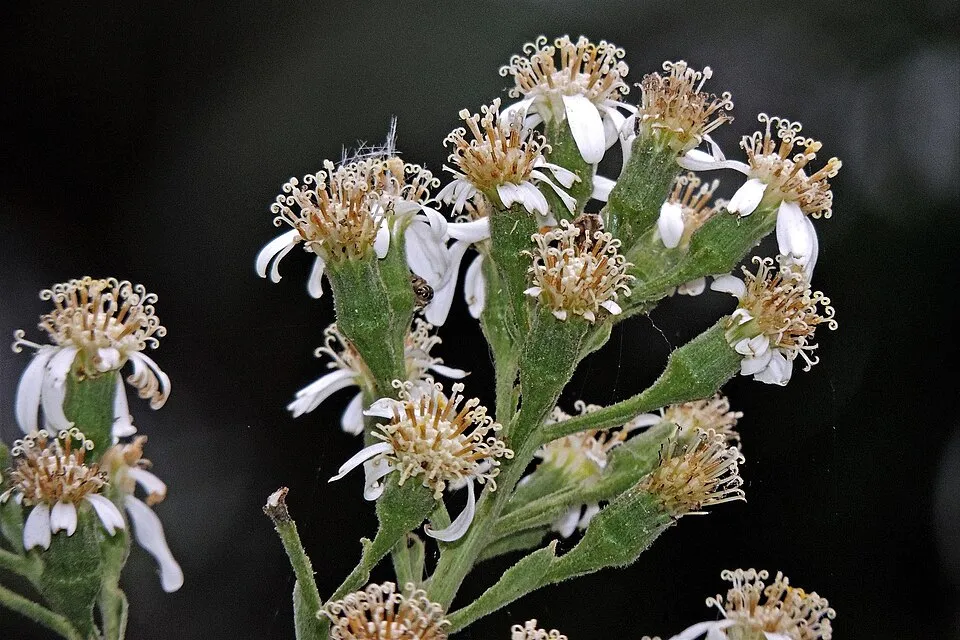
Senecio peregrinus, often affectionately known as 'String of Dolphins', 'Dolphin Necklace', or 'Flying Dolphins', is a captivating perennial succulent renowned for its uniquely shaped foliage. This botanical marvel is not a naturally occurring species but a horticultural hybrid, believed to be a cross between Senecio articulatus (also known as Candle Plant) and Senecio rowleyanus (String of Pearls).
Belonging to the vast Asteraceae family, which also includes daisies and sunflowers, this plant exhibits a trailing or vining growth habit, making it an exquisite choice for hanging baskets and elevated planters where its distinctive leaves can cascade gracefully. Each fleshy leaf remarkably mimics the form of a leaping dolphin, typically presenting a vibrant green hue, sometimes with a subtle bluish tint, and a slightly waxy cuticle that aids in water retention, a characteristic adaptation for arid conditions.
While its precise natural habitat is nonexistent due to its hybrid origin, Senecio peregrinus thrives in cultivation under conditions mimicking those preferred by its succulent ancestors. This includes well-drained, gritty soils and bright, indirect sunlight. When cultivated outdoors in appropriate climates (USDA zones 9-11), it can form an attractive ground cover in succulent gardens.
Indoors, it flourishes near windows receiving ample filtered light. Under optimal care, the plant may produce small, inconspicuous white or pale pinkish flowers that occasionally carry a faint cinnamon-like fragrance, typically emerging in spring or early summer. Its robust growth and relatively low-maintenance needs have cemented its popularity among plant enthusiasts globally, primarily as an ornamental houseplant.
Trusted Scientific References
1. Authoritative external sources for Senecio peregrinus
1.1 Wikipedia — Senecio peregrinus
1.2 Kew POWO (Plants of the World Online)
1.3 PubMed — peer-reviewed research
1.4 NCBI Taxonomy Browser
1.5 GBIF — Global Biodiversity
1.6String of Dolphins should be interpreted through verified botanical identity, practical care, and responsible safety language. This recovery note adds the missing context needed for a complete profile: match light to the plant's habit, use well-drained soil, water according to season, and avoid unsupported medicinal or edible claims. For publishing, the plant can be presented as a source-backed indoor plant with clear care guidance, common problem diagnosis, and conservative safety wording.
1.1.String of Dolphins — Highlights
- ✓Unique Leaf Morphology — Distinctive, fleshy leaves shaped like leaping dolphins.
- ✓Trailing Growth Habit — Ideal for hanging baskets, shelves, and elevated planters.
- ✓Hybrid Cultivar — Developed horticulturally, not a wild species.
- ✓Low Maintenance — Requires minimal care, suitable for beginners.
- ✓Drought Tolerant — Succulent nature allows for infrequent watering.
- ✓Ornamental Value — Highly aesthetic and popular as an indoor houseplant.
- ✓Toxicity — Contains pyrrolizidine alkaloids, making it poisonous if ingested.
- ✓Small Flowers — Produces inconspicuous white or pinkish cinnamon-scented flowers in optimal conditions.
- ✓Bright Indirect Light — Thrives with ample filtered sunlight.
- ✓Well — Draining Soil — Requires specialized succulent or cactus potting mix.
1.2.String of Dolphins — Concise Overview
- ✓Ornamental Succulent — Prized for its unique dolphin-shaped leaves and trailing habit.
- ✓Hybrid Origin — A cultivated cross between Senecio articulatus and Senecio rowleyanus.
- ✓Easy Care — Low maintenance, thriving in bright indirect light and well-draining soil with infrequent watering.
- ✓Toxic if Ingested — Contains pyrrolizidine alkaloids, harmful to humans and pets.
- ✓No Medicinal Use — Primarily valued for aesthetics, lacking traditional or modern therapeutic applications.
- ✓Ideal for Hanging Baskets — Perfect for displaying its cascading, whimsical foliage.
2.String of Dolphins — Botanical Identity
3.String of Dolphins — Fact Sheet
4.String of Dolphins — Botanical Description
5.String of Dolphins — Ecological Habitat
6.String of Dolphins — Heritage Uses
7.String of Dolphins — Phytochemistry
- ✓Specific phytochemical analyses for Senecio peregrinus are limited, but as a member of the Senecio genus, it is generally expected to contain compounds typical of its lineage, with pyrrolizidine alkaloids being of particular toxicological significance.
- ✓Pyrrolizidine Alkaloids (PAs) — These are a major class of toxic secondary metabolites commonly found in the Senecio genus, known for their hepatotoxic (liver-damaging) effects upon ingestion.
- ✓Flavonoids — Expected to be present in the leaves, these polyphenolic compounds often contribute to plant pigmentation and may possess antioxidant properties in other plant species.
- ✓Terpenoids — A diverse group of organic compounds that include monoterpenes, sesquiterpenes, and diterpenes, often involved in plant defense mechanisms and aroma, though not specifically identified for S. peregrinus.
- ✓Organic Acids — Various organic acids are fundamental to plant metabolism and may be present, contributing to cellular processes and overall plant health.
- ✓Fatty Acids — Lipids, including various fatty acids, form essential components of cell membranes and energy storage in succulent tissues.
- ✓Waxes and Cuticular Hydrocarbons — These compounds form the waxy coating on the leaves, crucial for reducing water loss and providing protection against environmental stressors.
- ✓Polysaccharides — Complex carbohydrates stored within the succulent leaves contribute to water retention and structural integrity.
- ✓Minerals and Trace Elements — Essential inorganic nutrients absorbed from the soil are present, vital for physiological functions.
8.String of Dolphins — Evidence-Based Benefits
- ✓It is crucial to state that Senecio peregrinus, the 'String of Dolphins' plant, is primarily cultivated for its ornamental appeal and is not recognized in traditional or modern herbal medicine systems for specific therapeutic uses.
- ✓No Documented Medicinal Benefits — Unlike many plants with established ethnomedicinal histories, Senecio peregrinus lacks any scientifically validated or traditionally recognized medicinal applications for human health.
- ✓Ornamental Value for Well-being — The presence of houseplants, including the visually appealing String of Dolphins, is often associated with psychological benefits such as stress reduction, improved mood, and enhanced feelings of tranquility through biophilic design principles.
- ✓Air Quality Enhancement (General) — Like many green plants, Senecio peregrinus contributes to indoor air quality by absorbing carbon dioxide and releasing oxygen during photosynthesis, though its specific impact on air purification is not extensively studied.
- ✓Aesthetic Pleasure — The unique 'dolphin' shaped leaves provide significant aesthetic pleasure, which can indirectly contribute to mental well-being and a positive living environment.
- ✓Educational Value — Cultivating Senecio peregrinus offers an opportunity for learning about plant care, succulent biology, and the fascinating world of botanical hybrids.
- ✓Horticultural Therapy Potential — Engaging with plant care, even for ornamental species like this succulent, can be a therapeutic activity, promoting mindfulness and a sense of accomplishment.
- ✓Humidity Regulation (Minor) — Plants release moisture through transpiration, which can contribute minimally to indoor humidity levels, potentially beneficial in very dry environments.
- ✓Conservation Awareness (Indirect) — While a hybrid, its popularity can spark interest in plant diversity and the importance of botanical research and conservation efforts.
8.1.String of Dolphins — Reported Uses
9.String of Dolphins — Cautions & Contraindications
9.1.String of Dolphins — Caution Notes
- ✓Ingestion Toxicity — Senecio peregrinus contains pyrrolizidine alkaloids, which are toxic if ingested by humans or pets, posing a significant health risk.
- ✓Liver Damage — Consumption can lead to severe hepatotoxicity, causing irreversible liver damage over time or acute poisoning depending on the dose.
- ✓Gastrointestinal Distress — Symptoms of ingestion may include nausea, vomiting, diarrhea, and abdominal pain.
- ✓Skin Irritation — Direct contact with the sap may cause mild skin irritation or dermatitis in sensitive individuals.
- ✓Allergic Reactions — Although rare, individuals may experience allergic reactions to plant components upon contact or exposure.
- ✓Pet Poisoning — Highly toxic to cats, dogs, and other animals, leading to serious illness or fatality if consumed.
- ✓Chronic Toxicity — Repeated exposure or ingestion of small amounts can lead to chronic liver disease due to the cumulative effects of pyrrolizidine alkaloids.
9.2.String of Dolphins — Risk Assessment
- ✓Keep Out of Reach — Always position Senecio peregrinus in locations inaccessible to children, curious pets, and livestock to prevent accidental ingestion.
- ✓Avoid Ingestion — Emphasize that no part of this plant should be consumed, as it contains toxic pyrrolizidine alkaloids.
- ✓Handle with Care — Wear gloves when handling the plant, especially if you have sensitive skin, to avoid potential sap-induced irritation.
- ✓Immediate Medical Attention — In case of suspected ingestion by a human, seek emergency medical care immediately and contact a poison control center.
- ✓Veterinary Consultation — If a pet ingests any part of the plant, contact a veterinarian or animal poison control center without delay.
- ✓Not for Internal Use — This plant is strictly for ornamental purposes and has no place in internal herbal remedies or culinary applications.
- ✓Wash Hands — Always wash hands thoroughly with soap and water after handling the plant to remove any residual sap.
10.String of Dolphins — Usage Guide
- ✓Indoor Ornamental Display — Primarily used as a decorative houseplant, ideal for brightening living spaces with its unique foliage.
- ✓Hanging Baskets — Its trailing growth habit makes it perfectly suited for hanging baskets, allowing its 'dolphin' leaves to cascade gracefully.
- ✓Succulent Arrangements — Integrate into mixed succulent planters for textural contrast and visual interest, pairing well with other drought-tolerant species.
- ✓Terrarium Inclusion — Can be grown in open terrariums, provided adequate air circulation and well-draining substrate are maintained.
- ✓Propagation for Gifting — Stem cuttings can be easily rooted to create new plants, making them thoughtful gifts for fellow plant enthusiasts.
- ✓Aesthetic Landscaping (Warm Climates) — In USDA zones 9-11, it can be used as a unique groundcover or trailing element in frost-free outdoor succulent gardens.
- ✓Educational Specimen — Utilized in educational settings to demonstrate succulent adaptations, hybrid plant creation, and plant morphology.
- ✓Office and Workspace Decor — Its low-maintenance nature and appealing form make it an excellent choice for adding greenery to office desks or communal areas.
11.String of Dolphins — Cultivation & Care
- ✓Light — Provide bright, indirect sunlight for at least six hours daily; direct sun can scorch leaves, while insufficient light leads to leggy growth.
- ✓Soil — Utilize a well-draining succulent or cactus potting mix, optionally amended with perlite or pumice to enhance drainage and prevent root rot.
- ✓Watering — Water thoroughly but infrequently, allowing the soil to dry out completely between waterings, typically every 1-2 weeks depending on environmental conditions.
- ✓Temperature — Maintain indoor temperatures between 60-80°F (15-27°C); protect from frost, as it is not cold-hardy below 50°F (10°C).
- ✓Humidity — Prefers average to low humidity levels, typical of indoor environments; avoid excessively humid conditions.
- ✓Fertilization — Feed sparingly during the growing season (spring and summer) with a diluted liquid succulent fertilizer, typically once a month or less.
- ✓Propagation — Easily propagated from stem cuttings; allow cuttings to callus for a few days before planting in well-draining soil.
- ✓Pruning — Trim leggy stems or unwanted growth to maintain shape and encourage bushier development, which can also be used for propagation.
Reviewed by the Flora Medical Global Botanical Review Panel
Multi-disciplinary editorial group · Botany · Ethnobotany · Herbal-medicine literature
Who reviewed this: This page was checked by the Flora Medical Global Botanical Review Panel — an in-house editorial group of botany graduates, ethnobotany researchers, and horticulture practitioners who collectively maintain our 7,000+ plant encyclopedia. Meet the team.
Our 4-step verification process
1. Taxonomic verification
Scientific names and synonyms cross-checked against Kew POWO, World Flora Online, and The Plant List.
2. Phytochemical & medicinal cross-reference
Active compounds, traditional uses, and reported activities are cross-referenced with PubMed, USDA Dr. Duke's database, and peer-reviewed ethnobotanical literature.
3. Conservation & distribution check
Distribution, ecology, and conservation status confirmed against GBIF occurrence records and the IUCN Red List.
4. Editorial & safety review
Every entry passes an editorial pass for clarity, originality, and safety notices (toxicity, contraindications, dosage caveats) before publication.
Last reviewed:
Important medical disclaimer: This content is for educational and research purposes only. It is not medical advice and is not a substitute for consultation with a licensed healthcare provider. Do not use any herb to self-treat a medical condition without professional guidance.
Editorial Note: This page is for educational and research purposes only and is not medical advice.
Written by: Flora Medical Global Editorial Team
Reviewed by: Flora Medical Global Botanical Review Panel
Last Updated: June 15, 2026





String of Dolphins — Comments & Community Reviews
Rate this plant