
Medical Disclaimer: This content is for educational purposes only. It is not medical advice. Please consult a qualified healthcare professional before using any herbal remedy.
Safety Overview
1.Strobilanthes Dyeriana — Overview
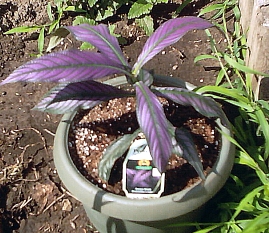
Strobilanthes dyeriana, commonly known as the Persian shield, is a captivating herbaceous perennial celebrated for its iridescent foliage. Native to the tropical and subtropical regions of Southeast Asia, particularly Myanmar, it thrives in shaded, moist undergrowth environments. Mature plants typically reach heights of 60-90 cm (2-3 feet) with a similar spread. The leaves are the plant's most striking feature, being large, lanceolate to ovate, and growing up to 30 cm (12 inches) in length.
Their upper surface showcases a mesmerizing metallic purple-silver sheen, intricately patterned with dark green to nearly black veins, creating a dramatic contrast. The undersides are a lighter, often purplish-green. While primarily grown for its ornamental leaves, Strobilanthes dyeriana produces small, tubular, lilac to violet flowers, typically blooming in late autumn to winter. These flowers are often obscured by the vibrant foliage but add a subtle charm.
The plant belongs to the Acanthaceae family, a diverse group known for its ornamental species and medicinal properties. Its stems are initially green and smooth, gradually becoming more woody and textured with age. In cultivation, it demands high humidity, consistent moisture, and protection from direct sunlight to maintain its vibrant leaf coloration.
Trusted Scientific References
1. Authoritative external sources for Strobilanthes dyeriana
1.1 Wikipedia — Strobilanthes dyeriana
1.2 Kew POWO (Plants of the World Online)
1.3 PubMed — peer-reviewed research
1.4 NCBI Taxonomy Browser
1.5 GBIF — Global Biodiversity
1.6Strobilanthes Dyeriana should be interpreted through verified botanical identity, practical care, and responsible safety language. This recovery note adds the missing context needed for a complete profile: match light to the plant's habit, use well-drained soil, water according to season, and avoid unsupported medicinal or edible claims. For publishing, the plant can be presented as a source-backed indoor plant with clear care guidance, common problem diagnosis, and conservative safety wording.
1.1.Strobilanthes Dyeriana — Key Features
- ✓Iridescent Purple — Green Foliage
- ✓Native to Southeast — Native to Southeast Asia (Myanmar)
- ✓Member of the — Member of the Acanthaceae Family
- ✓Traditional Anti — inflammatory
- ✓Antioxidant — Rich Extracts
- ✓Antibacterial Properties — Antibacterial Properties
- ✓Used for Rheumatism — Used for Rheumatism and Skin Irritations
- ✓Requires High Humidity — Requires High Humidity and Indirect Light
- ✓Ornamental and Medicinal — Ornamental and Medicinal Value
- ✓Easily Propagated from — Easily Propagated from Cuttings
1.2.Strobilanthes Dyeriana — Snapshot Summary
- ✓Striking ornamental foliage with metallic purple and green.
- ✓Traditional uses include anti-inflammatory and diuretic actions.
- ✓Rich in phenolic compounds, contributing to antioxidant activity.
- ✓Scientifically shown to have antibacterial effects against S. typhimurium.
- ✓Requires high humidity and indirect light for optimal growth.
- ✓Primarily used topically as poultices or washes for skin ailments.
2.Strobilanthes Dyeriana — Taxonomic Classification
3.Strobilanthes Dyeriana — Botanical Stats
4.Strobilanthes Dyeriana — Morphological Account
5.Strobilanthes Dyeriana — Geographic Distribution
6.Strobilanthes Dyeriana — Cultural & Traditional Roles
7.Strobilanthes Dyeriana — Active Compounds
- ✓Phenolic Compounds — High concentrations of phenolics contribute significantly to the plant's antioxidant and anti-inflammatory activities.
- ✓Flavonoids — A class of polyphenols known for their potent antioxidant, anti-inflammatory, and neuroprotective effects.
- ✓Tannins — Possess astringent properties, contributing to wound healing and antiseptic actions.
- ✓Alkaloids — Various nitrogen-containing compounds that can exhibit diverse pharmacological activities, though specific types in S. dyeriana need further study.
- ✓Saponins — Natural detergents with potential anti-inflammatory and immune-modulating properties.
- ✓Glycosides — Compounds where a sugar is bound to a non-sugar moiety, often contributing to medicinal effects.
- ✓Phytosterols — Plant sterols that can have cholesterol-lowering and anti-inflammatory benefits.
- ✓Terpenoids — A large class of organic chemicals, some of which are known for their aromatic qualities and therapeutic properties.
- ✓Crude Lipids — Essential fatty acids and other lipid components contribute to cellular structure and function.
- ✓Amino Acids — Building blocks of proteins, crucial for various metabolic processes and overall plant health.
- ✓Minerals — Rich in essential minerals like Calcium, Magnesium, Iron, and Zinc, supporting various physiological functions.
8.Strobilanthes Dyeriana — Modern Studies
- ✓Anti-inflammatory — Traditional poultices of Persian shield leaves are used topically to reduce swelling and pain associated with wounds, burns, and skin irritations.
- ✓Antioxidant Activity — Extracts demonstrate significant antioxidant potential, helping to neutralize free radicals and mitigate oxidative stress.
- ✓Antibacterial Properties — Studies indicate inhibitory effects against certain bacterial strains like Salmonella typhimurium, suggesting potential as a natural antimicrobial agent.
- ✓Diuretic Support — In traditional medicine, it has been employed to promote urine production, potentially aiding in fluid balance and kidney health.
- ✓Rheumatism Relief — Historically used in Indonesia to alleviate symptoms of rheumatism, likely due to its anti-inflammatory compounds.
- ✓Wound Healing — Topical application of leaf preparations may support the healing process of minor cuts and abrasions.
- ✓Insect Bite Remedy — The plant's sap or crushed leaves are sometimes applied to soothe insect bites and stings, possibly due to antiseptic qualities.
- ✓Pain Management — Its traditional use for rheumatic conditions suggests a role in alleviating localized pain.
- ✓Skin Irritation Soother — Preparations can be applied to calm various skin irritations and rashes.
- ✓Detoxification Aid — As a diuretic, it may indirectly support the body's natural detoxification processes.
8.1.Strobilanthes Dyeriana — Indications & Uses
9.Strobilanthes Dyeriana — Adverse Effects
9.1.Strobilanthes Dyeriana — Caution Notes
- ✓Skin Irritation — Direct contact with sap may cause mild dermatitis in sensitive individuals.
- ✓Allergic Reactions — Potential for allergic responses like rash or itching, especially with topical application.
- ✓Gastrointestinal Upset — If ingested without proper preparation, could potentially cause mild digestive discomfort.
- ✓Photosensitivity — While not widely reported, some plant compounds can increase skin sensitivity to sunlight.
- ✓Drug Interactions — Theoretical possibility of interaction with medications, particularly those affecting blood clotting or inflammation.
- ✓Contamination Risk — Improperly prepared or wild-harvested plants may carry contaminants or pathogens.
9.2.Strobilanthes Dyeriana — Clinical Safety Notes
- ✓External Use Primarily — Most documented traditional and research-backed uses are topical; internal use requires caution and expert supervision.
- ✓Patch Test Recommended — Always perform a patch test on a small skin area before widespread topical application.
- ✓Pregnant/Nursing Women — Avoid use due to insufficient safety data during pregnancy and lactation.
- ✓Children — Use with caution; consult a healthcare professional before applying to children.
- ✓Allergic Individuals — Individuals with known plant allergies, especially to members of the Acanthaceae family, should avoid use.
- ✓Open Wounds — While used for wounds, ensure proper cleaning to prevent infection, and consult a doctor for deep or infected wounds.
- ✓Storage — Store dried plant material in a cool, dark, and dry place to preserve potency and prevent mold.
10.Strobilanthes Dyeriana — Application Forms
- ✓Topical Poultice — Crush fresh leaves and apply directly to affected skin areas for inflammation, wounds, or insect bites.
- ✓Decoction for External Wash — Boil leaves in water, strain, and use the cooled liquid as a wash for skin irritations or as a compress.
- ✓Infusion (Topical) — Steep fresh or dried leaves in hot water; once cooled, use as a skin toner or rinse.
- ✓Herbal Bath — Add a strong decoction of leaves to bathwater for full-body skin soothing or rheumatic pain relief.
- ✓Herbal Compress — Soak a cloth in a warm decoction and apply to joints for rheumatic discomfort.
- ✓Sap Application — Gently squeeze sap from a fresh leaf and apply sparingly to insect stings or minor cuts.
- ✓Internal Use (Traditional) — In some traditional systems, specific preparations might be consumed, but this should only be done under expert guidance due to limited modern research on internal safety.
11.Strobilanthes Dyeriana — Propagation & Care
- ✓Light — Thrives in bright, indirect light; direct sun can scorch leaves and diminish color.
- ✓Soil — Prefers well-draining, rich, organic potting mix with a slightly acidic to neutral pH.
- ✓Water — Keep soil consistently moist but not waterlogged; reduce watering slightly in winter.
- ✓Humidity — Requires high humidity; mist regularly, use a pebble tray, or place near a humidifier.
- ✓Temperature — Ideal temperatures are 18-27°C (65-80°F); sensitive to cold drafts and temperatures below 15°C (60°F).
- ✓Fertilization — Feed monthly during growing season (spring-summer) with a balanced liquid fertilizer.
- ✓Pruning — Pinch back stems to encourage bushier growth and maintain desired shape.
- ✓Propagation — Easily propagated from stem cuttings in water or moist soil.
Reviewed by the Flora Medical Global Botanical Review Panel
Multi-disciplinary editorial group · Botany · Ethnobotany · Herbal-medicine literature
Who reviewed this: This page was checked by the Flora Medical Global Botanical Review Panel — an in-house editorial group of botany graduates, ethnobotany researchers, and horticulture practitioners who collectively maintain our 7,000+ plant encyclopedia. Meet the team.
Our 4-step verification process
1. Taxonomic verification
Scientific names and synonyms cross-checked against Kew POWO, World Flora Online, and The Plant List.
2. Phytochemical & medicinal cross-reference
Active compounds, traditional uses, and reported activities are cross-referenced with PubMed, USDA Dr. Duke's database, and peer-reviewed ethnobotanical literature.
3. Conservation & distribution check
Distribution, ecology, and conservation status confirmed against GBIF occurrence records and the IUCN Red List.
4. Editorial & safety review
Every entry passes an editorial pass for clarity, originality, and safety notices (toxicity, contraindications, dosage caveats) before publication.
Last reviewed:
Important medical disclaimer: This content is for educational and research purposes only. It is not medical advice and is not a substitute for consultation with a licensed healthcare provider. Do not use any herb to self-treat a medical condition without professional guidance.
Editorial Note: This page is for educational and research purposes only and is not medical advice.
Written by: Flora Medical Global Editorial Team
Reviewed by: Flora Medical Global Botanical Review Panel
Last Updated: June 15, 2026





Strobilanthes Dyeriana — Comments & Community Reviews
Rate this plant