


Medical Disclaimer: This content is for educational purposes only. It is not medical advice. Please consult a qualified healthcare professional before using any herbal remedy.
Safety Overview
1.Suan Zao Ren — Overview
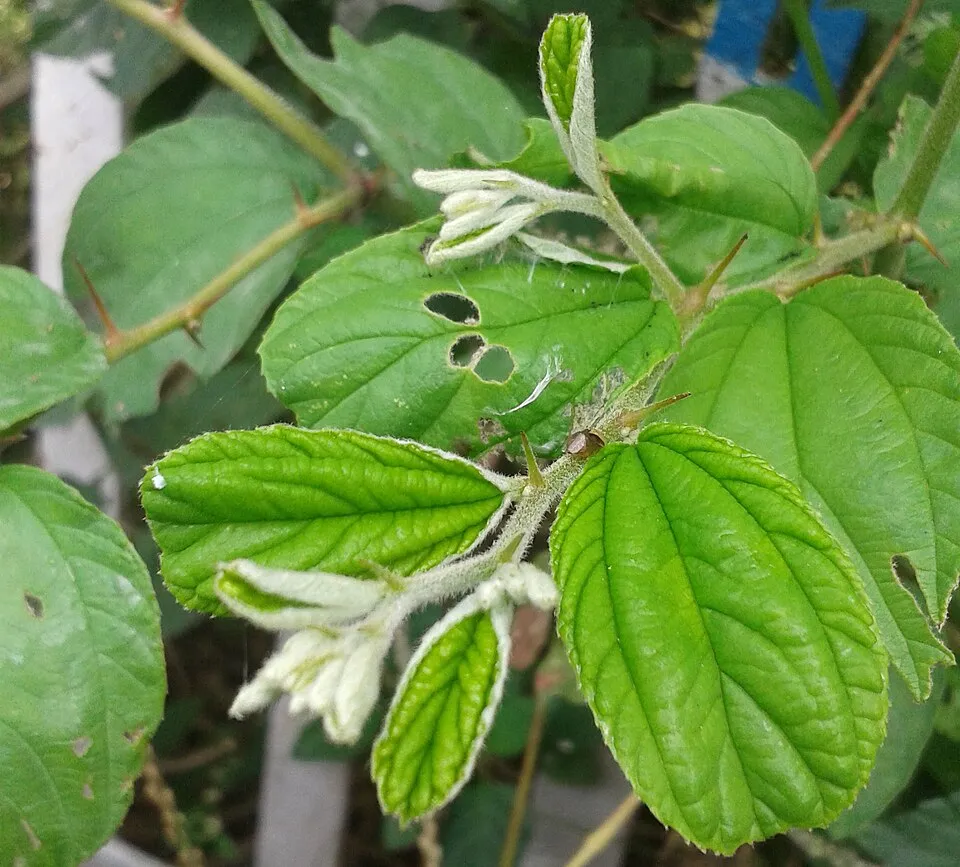
Suan Zao Ren, scientifically known as Ziziphus jujuba var. spinosa, is a resilient deciduous shrub or small tree belonging to the Rhamnaceae family. This botanical variant typically achieves a modest height of up to 4 meters, characterized by a growth habit that can range from a multi-stemmed shrub to a small, upright tree.
Its foliage consists of alternate, simple, ovate leaves, measuring approximately 3 to 10 cm in length. These leaves present a distinctive glossy dark green surface with finely serrated edges, offering a vibrant contrast against the plant's rugged, gray to brown bark, which often develops a textured, fissured appearance with age.
During the warmer summer months, Suan Zao Ren adorns itself with clusters of petite, fragrant yellow-green flowers, each about 1 cm in diameter. These inconspicuous blooms are vital for attracting a diverse array of pollinators, contributing to the plant's reproductive success.
Following successful pollination, the plant yields oblong fruits, which mature to a characteristic reddish-brown hue and typically measure between 2 to 3 cm in length. While the fruit pulp is edible and occasionally incorporated into traditional Chinese cuisine, it is the seed (Suan Zao Ren) that holds primary medicinal significance.
Indigenous to extensive regions of China, Ziziphus jujuba var. spinosa also naturally occurs in parts of Korea and Japan. It demonstrates remarkable adaptability, thriving in warm, dry climates and preferring well-drained soil conditions.
Its resilience to disturbed soils and capacity to flourish under full sun exposure underscore its robust nature within its native ecosystems. Taxonomically, its placement within the Rhamnaceae family highlights its close evolutionary relationship with other notable jujube species found across Asia, distinguishing it as a valuable member of this diverse plant group.
Trusted Scientific References
1. Authoritative external sources for Ziziphus jujuba var. spinosa
1.1 Wikipedia — Ziziphus jujuba var. spinosa
1.2 Kew POWO (Plants of the World Online)
1.3 PubMed — peer-reviewed research
1.4 NCBI Taxonomy Browser
1.5 GBIF — Global Biodiversity
1.1.Suan Zao Ren — Defining Traits
- ✓Botanical Name — Ziziphus jujuba var. spinosa.
- ✓Common Name — Suan Zao Ren (Sour Jujube Seed).
- ✓Medicinal Part — Primarily the dried seeds.
- ✓Traditional Use — Core herb in Traditional Chinese Medicine for sleep and anxiety.
- ✓Bioactive Compounds — High in jujubosides (saponins) and spinosin (flavonoid).
- ✓Habitat — Native to China, Korea, and Japan, thriving in dry, sunny conditions.
- ✓Growth Habit — Deciduous shrub or small tree up to 4 meters tall.
- ✓Fruit — Small, edible, reddish-brown oblong drupes.
- ✓Key Actions — Sedative, anxiolytic, hypnotic, antioxidant, anti-inflammatory.
- ✓SEO Focus — Suan Zao Ren benefits, Ziziphus jujuba var. spinosa uses.
1.2.Suan Zao Ren — At-a-Glance Summary
- ✓Revered for calming and sleep-inducing properties.
- ✓Rich in flavonoids, saponins, and antioxidants.
- ✓Traditionally used for insomnia, anxiety, and stress.
- ✓Offers neuroprotective and anti-inflammatory benefits.
- ✓Primarily the seeds are used medicinally (Suan Zao Ren).
- ✓Requires caution with sedatives and during pregnancy.
2.Suan Zao Ren — Taxonomic Classification
3.Suan Zao Ren — Quick Facts
4.Suan Zao Ren — Structural Profile
5.Suan Zao Ren — Habitat & Distribution
6.Suan Zao Ren — Cultural & Traditional Roles
7.Suan Zao Ren — Active Compounds
- ✓Flavonoids — Key compounds include spinosin, swertish, and jujuboside A aglycone, known for their sedative, anxiolytic, and antioxidant activities, particularly concentrated in the seeds.
- ✓Saponins — Primarily jujubosides (e.g., jujuboside A, B), which are triterpenoid saponins responsible for significant sedative, hypnotic, and neuroprotective effects, acting on GABAergic systems.
- ✓Alkaloids — Cyclopeptide alkaloids like frangufoline and nuciferine are present, contributing to its sedative and anxiolytic properties, though in smaller concentrations compared to saponins.
- ✓Terpenoids — Various triterpenoids are found, contributing to the plant's anti-inflammatory and potentially adaptogenic properties, supporting overall physiological balance.
- ✓Polysaccharides — Found in the fruit pulp, these complex carbohydrates are recognized for their immunomodulatory effects, enhancing immune cell activity and promoting gut health.
- ✓Phenolic Acids — Including gallic acid, caffeic acid, and p-coumaric acid, these compounds contribute significantly to the plant's antioxidant capacity and protective cellular effects.
- ✓Fatty Acids — The seeds contain various unsaturated fatty acids, which play a role in membrane integrity and cellular signaling, although their direct medicinal action is less studied.
- ✓Vitamins and Minerals — The fruit provides essential vitamins like Vitamin C and various B vitamins, alongside minerals such as potassium and iron, contributing to its nutritional value and overall health benefits.
8.Suan Zao Ren — Modern Studies
- ✓Supports Sleep Quality — Suan Zao Ren is traditionally revered for its anxiolytic and sedative properties, primarily attributed to compounds like jujubosides and flavonoids, which interact with neurotransmitter systems to promote restful sleep and alleviate insomnia.
- ✓Alleviates Anxiety and Stress — The bioactive components in Suan Zao Ren, particularly saponins and flavonoids, exert calming effects on the central nervous system, helping to reduce symptoms of anxiety and general psychological stress.
- ✓Potent Antioxidant Protection — Rich in various polyphenols, flavonoids, and vitamin C, Suan Zao Ren effectively scavenges free radicals, mitigating oxidative stress and protecting cellular integrity from damage.
- ✓Reduces Inflammation — Its anti-inflammatory effects are linked to the presence of triterpenoids and phenolic compounds, which modulate inflammatory pathways, potentially aiding in the management of chronic inflammatory conditions.
- ✓Enhances Digestive Function — Traditional uses suggest it can support gastrointestinal health, potentially by soothing the digestive tract and promoting a balanced gut microbiome, although specific mechanisms require further study.
- ✓Supports Hepatic Health — Research indicates that Suan Zao Ren may offer hepatoprotective benefits, helping to protect liver cells from damage and supporting overall liver function, possibly through its antioxidant actions.
- ✓Boosts Immune System — Polysaccharides found in the fruit and seeds are believed to enhance immune responses, strengthening the body's natural defenses against pathogens and promoting general wellness.
- ✓Neuroprotective Effects — Certain compounds, including cyclopeptide alkaloids and saponins, show promise in protecting neuronal cells from damage and supporting cognitive function, pointing towards potential applications in neurological health.
- ✓Regulates Mood — Beyond its anxiolytic effects, Suan Zao Ren is also explored for its potential to help regulate mood, possibly by influencing serotonin and other neurotransmitter levels, contributing to overall emotional balance.
- ✓Cardiovascular Support — Emerging research suggests that its antioxidant and anti-inflammatory properties may contribute to cardiovascular health by protecting blood vessels and supporting healthy circulation.
8.1.Suan Zao Ren — Conditions Traditionally Used For
9.Suan Zao Ren — Precautions & Warnings
9.1.Suan Zao Ren — Warnings
- ✓Drowsiness — Due to its sedative properties, excessive intake may cause significant drowsiness, especially if combined with other sedatives.
- ✓Digestive Upset — Some individuals may experience mild gastrointestinal discomfort, such as bloating or diarrhea, particularly with high doses.
- ✓Allergic Reactions — Although rare, allergic reactions like skin rash, itching, or swelling may occur in sensitive individuals.
- ✓Hypotension — May potentially lower blood pressure, requiring caution for individuals already on antihypertensive medication or with low blood pressure.
- ✓Drug Interactions — Could interact with central nervous system depressants, anticoagulants, or blood pressure medications, potentiating their effects.
- ✓Pregnancy and Lactation — Lack of sufficient safety data advises against use during pregnancy and breastfeeding without professional medical guidance.
- ✓Dry Mouth — A less common side effect reported by some users, potentially linked to its calming effects.
9.2.Suan Zao Ren — Clinical Safety Notes
- ✓Pregnancy and Lactation — Not recommended for pregnant or breastfeeding women due to insufficient safety data and potential effects on uterine contractions.
- ✓Children — Use in children should be avoided unless under strict supervision of a qualified healthcare practitioner, given the lack of specific pediatric safety studies.
- ✓Sedative Interactions — Exercise caution when combining with other sedatives, alcohol, or anxiolytics, as it may enhance drowsiness and central nervous system depression.
- ✓Blood Pressure — Individuals with hypotension or those on blood pressure-lowering medications should consult a doctor due to its potential to lower blood pressure.
- ✓Surgery — Discontinue use at least two weeks prior to scheduled surgery to avoid potential interactions with anesthesia or effects on blood clotting.
- ✓Dosage Adherence — Adhere strictly to recommended dosages; excessive intake can lead to adverse effects, particularly increased drowsiness.
- ✓Medical Consultation — Always consult a healthcare professional before starting Suan Zao Ren, especially if you have pre-existing medical conditions or are taking other medications.
10.Suan Zao Ren — Preparation & Dosage
- ✓Seed Decoction — The dried seeds (Suan Zao Ren) are commonly prepared as a decoction by boiling in water, a traditional method to extract sedative and anxiolytic compounds for sleep and anxiety.
- ✓Powdered Seeds — Dried and ground seeds can be consumed as a fine powder, often mixed with water or honey, providing a concentrated form for internal use.
- ✓Tinctures and Extracts — Alcoholic extracts or tinctures of the seeds are prepared to concentrate bioactive compounds, offering a convenient and potent method of administration.
- ✓Medicinal Teas — Leaves of Ziziphus jujuba var. spinosa can be steeped to make a tea, traditionally used for their mild calming and antioxidant properties.
- ✓Culinary Applications of Fruit — The ripe fruit pulp can be eaten fresh, dried, or used in preserves, juices, and traditional Chinese desserts for its nutritional value and mild sweetness.
- ✓Functional Foods and Supplements — Seeds are incorporated into various health supplements and functional food products aimed at improving sleep, mood, and overall well-being.
- ✓Topical Preparations — In some traditional practices, extracts from the bark or leaves might be used in topical applications for skin healing or anti-inflammatory purposes.
- ✓Herbal Formulas — Suan Zao Ren is a key ingredient in many traditional Chinese medicine (TCM) formulas, often combined with other herbs to synergistically address complex health patterns like insomnia or anxiety.
11.Suan Zao Ren — Growing Guide
- ✓Climate — Thrives in warm, temperate to subtropical climates, tolerating both heat and moderate cold.
- ✓Sunlight — Requires full sun exposure for optimal growth and fruit production, needing at least 6-8 hours of direct sunlight daily.
- ✓Soil — Prefers well-drained loamy or sandy soil, with a slightly alkaline to neutral pH (6.0-8.0); avoid heavy clay or waterlogged conditions.
- ✓Watering — Drought-tolerant once established, but regular watering is crucial during dry spells and fruit development to ensure good yield.
- ✓Propagation — Commonly propagated by seeds (requiring stratification), grafting, or root suckers for faster establishment and consistent fruit quality.
- ✓Fertilization — Benefits from balanced fertilization in spring, with organic matter or compost to enrich soil fertility and support vigorous growth.
- ✓Pruning — Prune annually in late winter to remove dead or diseased branches, shape the plant, and encourage air circulation and fruit production.
- ✓Pests and Diseases — Generally resistant, but monitor for common fruit tree pests like aphids or fruit flies and treat organically if necessary.
Reviewed by the Flora Medical Global Botanical Review Panel
Multi-disciplinary editorial group · Botany · Ethnobotany · Herbal-medicine literature
Who reviewed this: This page was checked by the Flora Medical Global Botanical Review Panel — an in-house editorial group of botany graduates, ethnobotany researchers, and horticulture practitioners who collectively maintain our 7,000+ plant encyclopedia. Meet the team.
Our 4-step verification process
1. Taxonomic verification
Scientific names and synonyms cross-checked against Kew POWO, World Flora Online, and The Plant List.
2. Phytochemical & medicinal cross-reference
Active compounds, traditional uses, and reported activities are cross-referenced with PubMed, USDA Dr. Duke's database, and peer-reviewed ethnobotanical literature.
3. Conservation & distribution check
Distribution, ecology, and conservation status confirmed against GBIF occurrence records and the IUCN Red List.
4. Editorial & safety review
Every entry passes an editorial pass for clarity, originality, and safety notices (toxicity, contraindications, dosage caveats) before publication.
Last reviewed:
Important medical disclaimer: This content is for educational and research purposes only. It is not medical advice and is not a substitute for consultation with a licensed healthcare provider. Do not use any herb to self-treat a medical condition without professional guidance.
Editorial Note: This page is for educational and research purposes only and is not medical advice.
Written by: Flora Medical Global Editorial Team
Reviewed by: Flora Medical Global Botanical Review Panel
Last Updated: June 15, 2026




Suan Zao Ren — Comments & Community Reviews
Rate this plant