
Medical Disclaimer: This content is for educational purposes only. It is not medical advice. Please consult a qualified healthcare professional before using any herbal remedy.
Safety Overview
1.Sugar Cane — Botanical Snapshot
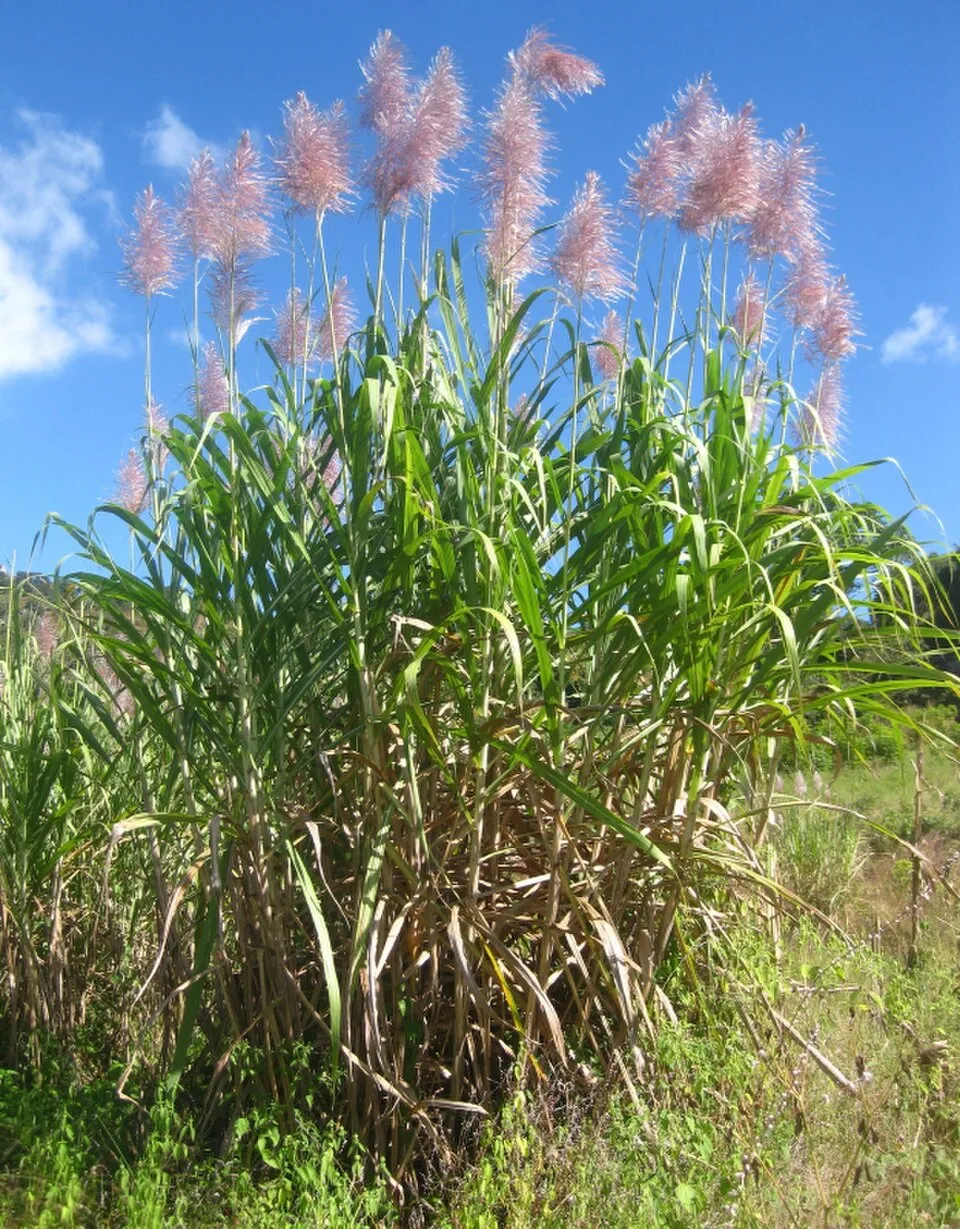
Sugar Cane, scientifically known as Saccharum officinarum, is a robust, perennial grass belonging to the Poaceae family, a group that includes many other economically significant cereal crops. This noble cane typically grows to impressive heights of 2 to 6 meters, featuring thick, erect, and smooth stems that can measure up to 5 cm in diameter. These stems are characteristically striped with shades of green to yellow, indicative of their high sucrose content.
The foliage consists of long, narrow, linear leaves, typically 25 to 60 cm in length and 2 to 4 cm in width, distinguished by their sharply margined blades. During late summer to fall, Saccharum officinarum produces striking, large, feathery flower panicles, also known as inflorescences, which can extend from 30 to 65 cm. These create a soft, cloud-like aesthetic with their purple to silvery-white hues.
Native to tropical South and Southeast Asia, Sugar Cane thrives in warm, humid tropical and subtropical climates, preferring well-drained, loamy soils that are rich in organic matter. Its extensive cultivation across regions like India, Brazil, and China underscores its global importance, primarily as the main source for commercial sugar production.
Trusted Scientific References
1. Authoritative external sources for Saccharum officinarum
1.1 Wikipedia — Saccharum officinarum
1.2 Kew POWO (Plants of the World Online)
1.3 PubMed — peer-reviewed research
1.4 NCBI Taxonomy Browser
1.5 GBIF — Global Biodiversity
1.6Sugar Cane should be interpreted through verified botanical identity, practical care, and responsible safety language. This recovery note adds the missing context needed for a complete profile: match light to the plant's habit, use well-drained soil, water according to season, and avoid unsupported medicinal or edible claims. For publishing, the plant can be presented as a source-backed medicinal plant with clear care guidance, common problem diagnosis, and conservative safety wording.
1.1.Sugar Cane — Distinguishing Points
- ✓Botanical Identity — Saccharum officinarum, a noble cane of the Poaceae family.
- ✓Primary Sweetener — Main global source of sucrose, found in its thick, juicy stalks.
- ✓Traditional Medicine — Valued in Ayurveda and Unani for diverse therapeutic applications.
- ✓Phytochemical Richness — Contains a complex profile of flavonoids, phenolics, and policosanols.
- ✓Natural Diuretic — Supports urinary tract health and kidney function.
- ✓Hepatoprotective Potential — Traditionally used to support liver health, notably in jaundice.
- ✓Antioxidant Power — Offers protection against oxidative stress with its rich antioxidant compounds.
- ✓Energy Source — Provides readily available energy from its high sugar content.
- ✓Global Cultivation — Extensively grown in tropical and subtropical regions worldwide.
- ✓Versatile Products — Yields juice, jaggery, molasses, brown sugar, and refined sugar.
1.2.Sugar Cane — In Brief
- ✓Saccharum officinarum is a tall, perennial grass, globally cultivated for its sweet stalks.
- ✓Known for its natural sweetness, it offers a range of traditional medicinal benefits.
- ✓Rich in flavonoids, phenolic acids, and policosanols, contributing to its health properties.
- ✓Traditionally used for digestive, liver, and urinary health, and as an immune tonic.
- ✓High in natural sugars, requiring moderation, especially for individuals with diabetes.
- ✓A versatile plant, yielding juice, jaggery, molasses, and refined sugar.
2.Sugar Cane — Botanical Identity
3.Sugar Cane — Fact Sheet
4.Sugar Cane — Physical Description
5.Sugar Cane — Native Range & Habitat
6.Sugar Cane — Traditional Uses
7.Sugar Cane — Key Phytochemicals
- ✓Sugars — Primarily sucrose (C12H22O11), the main carbohydrate providing energy, along with smaller amounts of glucose and fructose.
- ✓Flavonoids — Includes apigenin, tricin, orientin, vitexin, schaftoside, and swertisin, known for their antioxidant and anti-inflammatory activities.
- ✓Phenolic Acids — Such as chlorogenic acid and caffeic acid, contributing to the plant's antioxidant and antimicrobial properties.
- ✓Policosanols — A group of long-chain fatty alcohols found in the wax of sugarcane, investigated for potential cholesterol-lowering effects.
- ✓Phytosterols — Including beta-sitosterol, which can help in reducing cholesterol absorption and possess anti-inflammatory actions.
- ✓Terpenoids — Higher terpenoids are present, contributing to various biological activities and plant defense mechanisms.
- ✓Alkaloids — While in trace amounts, these nitrogen-containing compounds can exert diverse pharmacological effects.
- ✓Fatty Acids — Various saturated and unsaturated fatty acids are found, particularly in the wax and lipid fractions of the plant.
- ✓Vitamins & Minerals — Contains trace amounts of B vitamins, vitamin C, calcium, magnesium, and potassium, supporting overall health.
8.Sugar Cane — Scientific Evidence
- ✓Immune Support — Traditional systems recognize Sugar Cane for its ability to bolster the body's natural defenses, potentially due to its vitamin and mineral content.
- ✓Anti-inflammatory Effects — Rich in flavonoids and phenolic acids, Saccharum officinarum may help reduce inflammation throughout the body, alleviating discomfort.
- ✓Antioxidant Protection — The presence of various phytochemicals, including flavonoids, provides potent antioxidant activity, combating oxidative stress and cellular damage.
- ✓Digestive Health — As a mild laxative and demulcent, Sugar Cane can soothe the digestive tract, aiding in regularity and alleviating mild constipation.
- ✓Diuretic Properties — Historically used to promote urination, Sugar Cane juice helps flush out toxins and maintain healthy kidney function, particularly beneficial for dysuria and anuria.
- ✓Liver Support (Hepatoprotective) — In traditional Unani medicine, Sugar Cane is highly regarded for its liver-protective qualities, often recommended for jaundice patients to aid recovery.
- ✓Energy Boost — Its natural sugar content provides a quick and easily digestible source of energy, making it a natural tonic for combating fatigue.
- ✓Electrolyte Balance — Sugar Cane juice contains essential electrolytes like potassium, which are crucial for maintaining hydration and nerve and muscle function.
- ✓Skin Health — Applied topically or consumed, its alpha-hydroxy acids (AHAs) and antioxidant properties may contribute to clearer, more radiant skin.
- ✓Aphrodisiac Qualities — Some traditional practices attribute aphrodisiac properties to Sugar Cane, linking it to vitality and reproductive health.
- ✓Antiseptic Action — Certain compounds within Sugar Cane are believed to possess mild antiseptic properties, useful for internal and external applications.
8.1.Sugar Cane — Reported Uses
9.Sugar Cane — Safety Considerations
9.1.Sugar Cane — Warnings
- ✓High Sugar Content — Excessive consumption, especially of juice, can lead to high caloric intake and potential weight gain.
- ✓Glycemic Impact — Due to its high sucrose content, it can cause rapid spikes in blood sugar, posing a risk for individuals with diabetes.
- ✓Dental Health — Frequent consumption of sugary products like cane juice can contribute to tooth decay and cavities.
- ✓Digestive Upset — In some sensitive individuals, large quantities may cause mild gastrointestinal discomfort or loose stools.
- ✓Pesticide Residues — Non-organic Sugar Cane may contain residues from pesticides used during cultivation.
- ✓Allergic Reactions — While rare, some individuals might experience allergic reactions to components of Sugar Cane.
- ✓Contamination Risk — Freshly pressed juice, if not prepared hygienically, can harbor bacterial contaminants.
9.2.Sugar Cane — Toxicity Assessment
- ✓Moderation is Key — Consume Sugar Cane and its products in moderation, especially if monitoring sugar intake or body weight.
- ✓Diabetes Caution — Individuals with diabetes should avoid or consume with extreme caution, and under medical supervision, due to high sugar content.
- ✓Pregnancy and Lactation — Pregnant or breastfeeding individuals should consult a healthcare professional before regular medicinal use.
- ✓Medication Interactions — Consult a doctor if taking medications, particularly those affecting blood sugar, as Sugar Cane may influence their efficacy.
- ✓Source Quality — Opt for organically grown Sugar Cane and ensure hygienic preparation of juice to minimize contaminant exposure.
- ✓Dental Hygiene — Practice good dental hygiene after consuming Sugar Cane products to mitigate risks of tooth decay.
- ✓General Health — For individuals with specific health conditions, always seek professional medical advice before incorporating Sugar Cane into a therapeutic regimen.
10.Sugar Cane — Preparations & Uses
- ✓Fresh Juice — Stems are pressed to extract the sweet, nutrient-rich juice, often consumed fresh or with lime and ginger.
- ✓Chewing Cane — Sections of the raw stalk can be chewed directly to extract the sweet juice and fiber.
- ✓Jaggery (Gud) — Unrefined sugar product made by boiling down cane juice, retaining molasses and other nutrients.
- ✓Molasses — A viscous byproduct of sugar refining, used as a sweetener, feed supplement, or in fermentation.
- ✓Brown Sugar — Partially refined sugar that retains some molasses content, offering a distinct flavor.
- ✓Syrup — Concentrated cane juice, used as a natural sweetener in various culinary applications.
- ✓Traditional Medicinal Preparations — Used in Ayurvedic and Unani remedies, often in combination with other herbs for specific ailments.
- ✓Culinary Sweetener — Refined sugar derived from Saccharum officinarum is a primary global sweetener for food and beverages.
11.Sugar Cane — How to Grow
- ✓Climate — Thrives in hot, humid tropical and subtropical regions with ample sunlight.
- ✓Soil Requirements — Prefers well-drained, fertile loamy soils rich in organic matter.
- ✓PH Level — Optimal growth occurs in soils with a pH range of 7.5 to 8.5.
- ✓Watering — Requires consistent and abundant watering, especially during its active growth phase.
- ✓Propagation — Primarily propagated from stem cuttings (setts) planted horizontally in furrows.
- ✓Fertilization — Benefits from regular application of nitrogen, phosphorus, and potassium fertilizers.
- ✓Harvesting — Stems are typically harvested when sucrose content is highest, usually 10-18 months after planting.
- ✓Pest and Disease Management — Requires vigilant monitoring for common pests like borers and diseases such as rust and smut.
Reviewed by the Flora Medical Global Botanical Review Panel
Multi-disciplinary editorial group · Botany · Ethnobotany · Herbal-medicine literature
Who reviewed this: This page was checked by the Flora Medical Global Botanical Review Panel — an in-house editorial group of botany graduates, ethnobotany researchers, and horticulture practitioners who collectively maintain our 7,000+ plant encyclopedia. Meet the team.
Our 4-step verification process
1. Taxonomic verification
Scientific names and synonyms cross-checked against Kew POWO, World Flora Online, and The Plant List.
2. Phytochemical & medicinal cross-reference
Active compounds, traditional uses, and reported activities are cross-referenced with PubMed, USDA Dr. Duke's database, and peer-reviewed ethnobotanical literature.
3. Conservation & distribution check
Distribution, ecology, and conservation status confirmed against GBIF occurrence records and the IUCN Red List.
4. Editorial & safety review
Every entry passes an editorial pass for clarity, originality, and safety notices (toxicity, contraindications, dosage caveats) before publication.
Last reviewed:
Important medical disclaimer: This content is for educational and research purposes only. It is not medical advice and is not a substitute for consultation with a licensed healthcare provider. Do not use any herb to self-treat a medical condition without professional guidance.
Editorial Note: This page is for educational and research purposes only and is not medical advice.
Written by: Flora Medical Global Editorial Team
Reviewed by: Flora Medical Global Botanical Review Panel
Last Updated: June 15, 2026





Sugar Cane — Comments & Community Reviews
Rate this plant