
Medical Disclaimer: This content is for educational purposes only. It is not medical advice. Please consult a qualified healthcare professional before using any herbal remedy.
Safety Overview
1.Suma — Overview
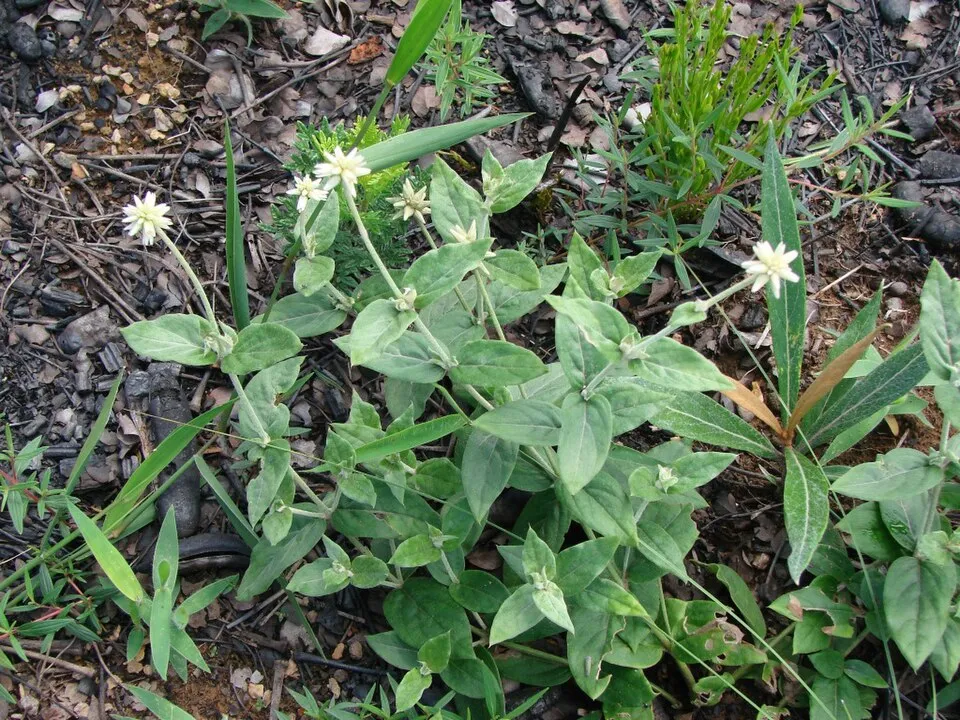
Suma, scientifically known as Pfaffia paniculata, is a remarkable perennial vine native to the Amazon rainforest and other tropical regions of South America, particularly Brazil. This robust plant belongs to the Amaranthaceae family, which also includes various well-known grains and vegetables. Often referred to as 'Brazilian Ginseng' due to its adaptogenic qualities, Suma typically grows as a sprawling groundcover or a climbing vine, reaching several meters in length.
Its root system is particularly notable, featuring a deep, tuberous taproot that can extend far into the soil, accumulating a rich array of nutrients and bioactive compounds. The leaves are ovate to elliptic, arranged alternately along the stems, and possess a vibrant green hue. Small, inconspicuous white or cream-colored flowers are borne in dense, terminal spikes or panicles, giving rise to its species name 'paniculata'.
Suma thrives in nutrient-rich, well-drained soils found in rainforest understories and disturbed areas, preferring partial shade but tolerating full sun. Its natural distribution spans from the Amazon basin through parts of Central and South America. Historically, indigenous communities have revered Suma for centuries, integrating its root into their traditional medical practices for general well-being, energy, and resilience.
Its deep root system allows it to withstand environmental stresses and access a wide spectrum of soil minerals, contributing to its diverse phytochemical profile. The plant's ability to adapt to varying conditions reflects its own adaptogenic properties, making it a fascinating subject for botanical and pharmacological research.
Trusted Scientific References
1. Authoritative external sources for Pfaffia paniculata
1.1 Wikipedia — Pfaffia paniculata
1.2 Kew POWO (Plants of the World Online)
1.3 PubMed — peer-reviewed research
1.4 NCBI Taxonomy Browser
1.5 GBIF — Global Biodiversity
1.6Suma should be interpreted through verified botanical identity, practical care, and responsible safety language. This recovery note adds the missing context needed for a complete profile: match light to the plant's habit, use well-drained soil, water according to season, and avoid unsupported medicinal or edible claims. For publishing, the plant can be presented as a source-backed medicinal plant with clear care guidance, common problem diagnosis, and conservative safety wording.
1.1.Suma — Standout Qualities
- ✓Adaptogenic Properties — Helps the body manage stress and maintain balance.
- ✓Rich in Pfaffosides — Unique triterpenoid saponins contributing to its primary benefits.
- ✓'Brazilian Ginseng' — Popular moniker highlighting its energy and adaptogenic qualities.
- ✓Immune Modulator — Supports and balances the body's immune responses.
- ✓Antioxidant Powerhouse — Protects cells from oxidative damage.
- ✓Energy Booster — Known to enhance stamina and combat fatigue.
- ✓Anti — inflammatory Support — Aids in reducing inflammation throughout the body.
- ✓Mineral — Rich — Contains a spectrum of essential vitamins and trace minerals.
- ✓Deep Root System — The primary medicinal part, accumulating diverse phytochemicals.
- ✓Traditional Ethnobotanical Use — Valued in indigenous Amazonian and Brazilian folk medicine for centuries.
1.2.Suma — Snapshot Summary
- ✓Suma (Pfaffia paniculata) is an adaptogenic herb from the Amazon, often called 'Brazilian Ginseng'.
- ✓Renowned for boosting energy, stamina, and immune function.
- ✓Contains unique pfaffosides, beta-ecdysterone, flavonoids, and minerals.
- ✓Traditionally used for general wellness, stress reduction, and anti-inflammatory support.
- ✓Available as powder, capsules, or tinctures.
- ✓Generally safe but avoid during pregnancy, lactation, and with certain medical conditions.
2.Suma — Scientific Profile
3.Suma — Botanical Stats
4.Suma — Morphological Account
5.Suma — Geographic Distribution
6.Suma — Historical Applications
7.Suma — Secondary Metabolites
- ✓High Cholesterol.
- ✓Suma root contains pfaffic acid and saponin pfaffosides.
- ✓These two compounds are praised for their anti-cancer properties and largely responsible for the great research and commercial interest in suma root (1Trusted Source, 3Trusted Source).
8.Suma — Modern Studies
- ✓Adaptogenic Support — Suma root helps the body adapt to physical, environmental, and psychological stressors by modulating the HPA axis and adrenal function, promoting homeostasis and resilience.
- ✓Immune System Modulation — Bioactive compounds in Pfaffia paniculata can enhance both innate and adaptive immune responses, supporting the body's defense mechanisms against pathogens and promoting overall immune health.
- ✓Anti-inflammatory Action — The presence of saponins and other phytochemicals confers significant anti-inflammatory properties, which can help alleviate chronic inflammation and associated pain.
- ✓Antioxidant Protection — Suma is rich in antioxidants that neutralize free radicals, thereby reducing oxidative stress and cellular damage, contributing to anti-aging and disease prevention.
- ✓Energy and Stamina Enhancement — Traditionally used to combat fatigue, Suma can boost energy levels and improve physical endurance, making it popular among athletes and individuals seeking vitality.
- ✓Stress Reduction and Mood Support — Its adaptogenic effects extend to mental well-being, helping to calm the nervous system, reduce anxiety, and promote a sense of balance and improved mood.
- ✓Digestive Health — Some traditional uses suggest Suma can aid in digestive processes and support gut health, potentially by reducing inflammation in the gastrointestinal tract.
- ✓Hormonal Balance — Pfaffia paniculata may support hormonal equilibrium, particularly in relation to adrenal function and stress hormones, which can indirectly benefit reproductive health and metabolism.
- ✓Cardioprotective Effects — Research indicates potential benefits for cardiovascular health, including supporting healthy blood pressure and cholesterol levels, though more studies are needed.
- ✓Anti-tumor Potential — Pfaffosides, a unique group of saponins found in Suma, have demonstrated cytotoxic activity against certain cancer cell lines in preclinical studies, suggesting potential as an adjunct therapy.
8.1.Suma — Reported Uses
9.Suma — Risk Profile
9.1.Suma — Caution Notes
- ✓Digestive Upset — Some individuals may experience mild nausea, stomach discomfort, or diarrhea, especially with high doses or initial use.
- ✓Allergic Reactions — Rare, but allergic responses like skin rashes or itching can occur in sensitive individuals.
- ✓Headaches — Infrequent reports of headaches have been associated with Suma consumption.
- ✓Insomnia — Due to its energy-boosting properties, taking Suma late in the day might interfere with sleep for some people.
- ✓Hormonal Sensitivity — While generally considered safe, individuals with hormone-sensitive conditions should exercise caution due to potential, albeit mild, phytoestrogenic effects.
- ✓Blood Pressure Fluctuations — Some anecdotal reports suggest minor blood pressure changes, though clinical evidence is limited.
- ✓Interactions with Medications — Potential interactions with blood-thinning medications, immunosuppressants, or hormone therapies due to its varied phytochemical profile.
9.2.Suma — Toxicity Assessment
- ✓Pregnancy and Lactation — Not recommended for use during pregnancy or breastfeeding due to insufficient safety data.
- ✓Autoimmune Conditions — Individuals with autoimmune diseases should consult a healthcare provider, as Suma may modulate immune function.
- ✓Hormone-Sensitive Conditions — Caution advised for conditions like endometriosis, uterine fibroids, or breast cancer due to potential mild phytoestrogenic activity.
- ✓Children — Use in children is not well-studied; therefore, it is generally not recommended.
- ✓Pre-existing Medical Conditions — Always consult a healthcare professional before use, especially if you have chronic health conditions or are on medication.
- ✓Surgery — Discontinue use at least two weeks prior to any scheduled surgery due to potential effects on blood clotting.
- ✓Quality and Purity — Ensure products are sourced from reputable suppliers to avoid contamination and ensure proper identification of the plant material.
10.Suma — How to Use
- ✓Decoction (Tea) — The dried and powdered Suma root can be simmered in water for 15-20 minutes to create a potent tea, typically consumed 1-3 times daily.
- ✓Powdered Form — Dried Suma root is finely ground into a powder, which can be encapsulated, mixed into smoothies, juices, or food, or taken directly with water.
- ✓Tincture/Extract — Alcohol-based extracts or glycerin-based tinctures provide a concentrated form, allowing for convenient dosing via drops.
- ✓Capsules/Tablets — Standardized extracts or powdered root are commonly available in capsule or tablet form for precise and easy consumption.
- ✓Topical Application — Less common, but sometimes used in traditional remedies as poultices or pastes for external inflammatory conditions.
- ✓Culinary Integration — While not a common food, powdered Suma can be sparingly added to energy bars or functional food recipes for its adaptogenic benefits.
- ✓Dosage — Dosage varies significantly based on concentration and individual needs, generally ranging from 500mg to 3g of dried root powder per day, often divided into multiple doses. Always follow product-specific instructions or consult a healthcare professional.
11.Suma — Growth Requirements
- ✓Soil Preference — Suma thrives in well-drained, fertile soil rich in organic matter, ideally with a slightly acidic to neutral pH (6.0-7.0).
- ✓Light Requirements — Prefers partial shade, especially in hotter climates, but can tolerate full sun if soil moisture is consistently maintained.
- ✓Propagation — Primarily propagated through seeds, which require scarification or stratification for optimal germination, or via stem cuttings for faster establishment.
- ✓Watering — Requires consistent moisture, particularly during dry spells, but avoid waterlogging which can lead to root rot.
- ✓Temperature and Humidity — Best grown in warm, tropical to subtropical climates with high humidity, typical of its native Amazonian habitat.
- ✓Fertilization — Benefits from regular feeding with balanced organic fertilizers, especially during the growing season, to support vigorous root development.
- ✓Pest and Disease Management — Generally robust, but monitor for common garden pests like aphids and fungal diseases in overly humid or poorly ventilated conditions.
- ✓Harvesting — The root, which is the primary medicinal part, is typically harvested after 2-3 years of growth to ensure maximum accumulation of bioactive compounds.
Reviewed by the Flora Medical Global Botanical Review Panel
Multi-disciplinary editorial group · Botany · Ethnobotany · Herbal-medicine literature
Who reviewed this: This page was checked by the Flora Medical Global Botanical Review Panel — an in-house editorial group of botany graduates, ethnobotany researchers, and horticulture practitioners who collectively maintain our 7,000+ plant encyclopedia. Meet the team.
Our 4-step verification process
1. Taxonomic verification
Scientific names and synonyms cross-checked against Kew POWO, World Flora Online, and The Plant List.
2. Phytochemical & medicinal cross-reference
Active compounds, traditional uses, and reported activities are cross-referenced with PubMed, USDA Dr. Duke's database, and peer-reviewed ethnobotanical literature.
3. Conservation & distribution check
Distribution, ecology, and conservation status confirmed against GBIF occurrence records and the IUCN Red List.
4. Editorial & safety review
Every entry passes an editorial pass for clarity, originality, and safety notices (toxicity, contraindications, dosage caveats) before publication.
Last reviewed:
Important medical disclaimer: This content is for educational and research purposes only. It is not medical advice and is not a substitute for consultation with a licensed healthcare provider. Do not use any herb to self-treat a medical condition without professional guidance.
Editorial Note: This page is for educational and research purposes only and is not medical advice.
Written by: Flora Medical Global Editorial Team
Reviewed by: Flora Medical Global Botanical Review Panel
Last Updated: June 15, 2026





Suma — Comments & Community Reviews
Rate this plant