

Medical Disclaimer: This content is for educational purposes only. It is not medical advice. Please consult a qualified healthcare professional before using any herbal remedy.
Safety Overview
1.Sweet Woodruff — Botanical Snapshot
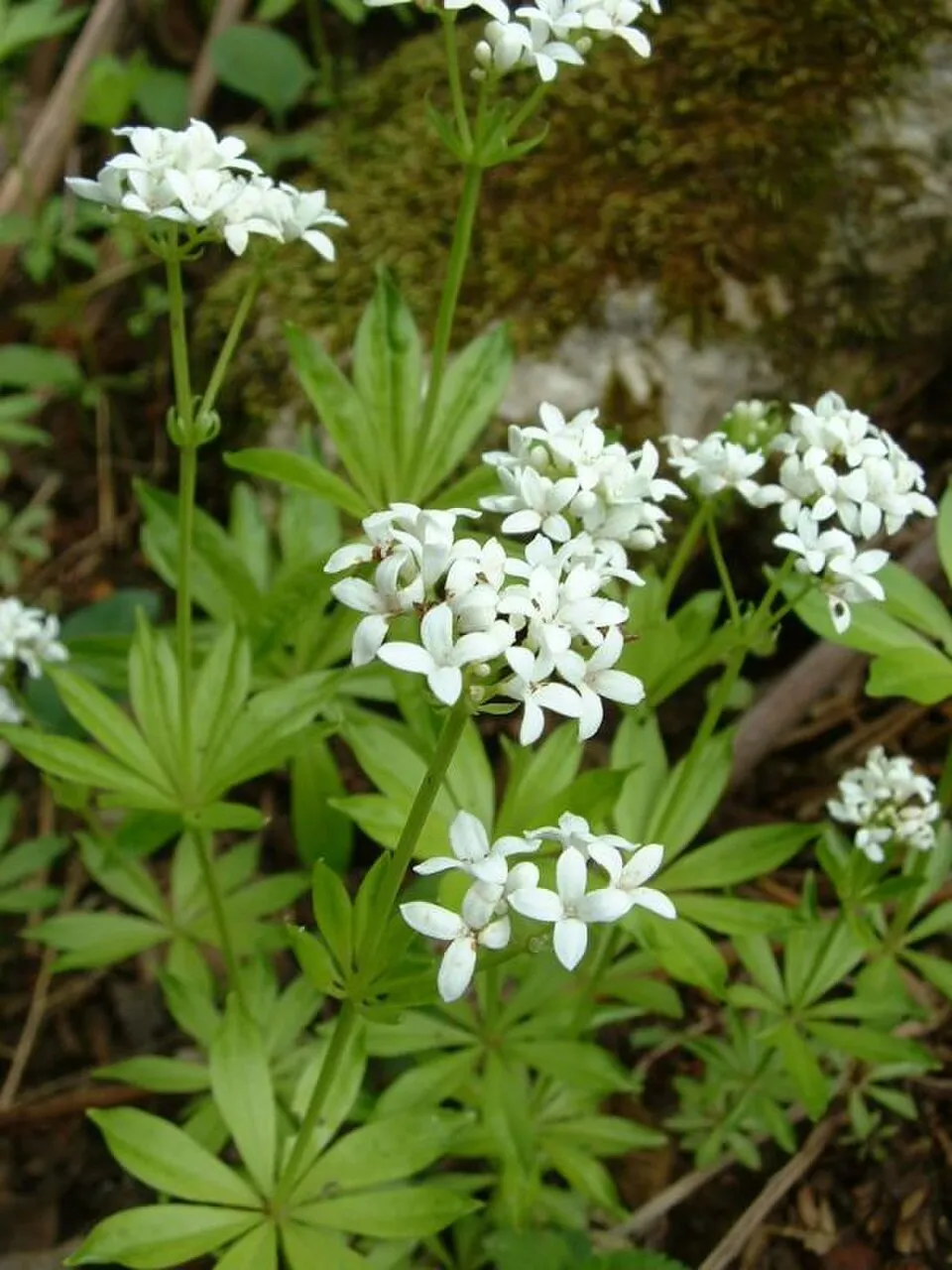
Sweet Woodruff (Galium odoratum), a cherished perennial herb belonging to the Rubiaceae family, is a botanical marvel recognized for its delicate appearance and aromatic properties. This diminutive plant typically reaches heights of 15 to 30 centimeters, characterized by its creeping rhizomes that allow it to form dense, verdant carpets on the forest floor.
Its lance-shaped, glossy green leaves are arranged in distinctive whorls of six to eight around its square stems, contributing to its ornamental appeal. From late spring to early summer, typically April to June, Galium odoratum adorns itself with clusters of small, star-shaped white flowers, exuding a subtle, sweet fragrance.
Native to the temperate woodlands of Eurasia and North Africa, Sweet Woodruff thrives in the dappled shade of deciduous trees, preferring moist, well-drained, humus-rich soil. Its natural distribution has expanded, and it is now naturalized across various parts of North America, where it continues to flourish in similar woodland environments. Historically, this plant was also known by its synonym, Asperula odorata.
A unique characteristic of Sweet Woodruff is its transformation upon drying; the leaves release a potent, sweet aroma reminiscent of freshly mown hay, attributed to the liberation of coumarin from its glycosidic precursor. This distinct scent has made it a popular choice for potpourri, sachets, and as a natural flavoring agent, alongside its extensive history in traditional medicinal practices.
Trusted Scientific References
1. Authoritative external sources for Galium odoratum
1.1 Wikipedia — Galium odoratum
1.2 Kew POWO (Plants of the World Online)
1.3 PubMed — peer-reviewed research
1.4 NCBI Taxonomy Browser
1.5 GBIF — Global Biodiversity
1.6Sweet Woodruff should be interpreted through verified botanical identity, practical care, and responsible safety language. This recovery note adds the missing context needed for a complete profile: match light to the plant's habit, use well-drained soil, water according to season, and avoid unsupported medicinal or edible claims. For publishing, the plant can be presented as a source-backed medicinal plant with clear care guidance, common problem diagnosis, and conservative safety wording.
1.1.Sweet Woodruff — Highlights
- ✓Aromatic Herb — Emits a distinctive fresh hay or vanilla-like scent when dried, attributed to coumarin.
- ✓Groundcover Plant — Forms dense, low-growing mats, ideal for shaded garden areas.
- ✓Medicinal History — Valued for centuries in European folk medicine and traditional systems for various ailments.
- ✓Rich Phytochemistry — Contains bioactive compounds like coumarins, iridoids, and flavonoids.
- ✓Traditional Flavoring — Popular for infusing beverages like May wine and culinary creations.
- ✓Easy Cultivation — Adaptable and relatively low-maintenance in suitable growing conditions.
- ✓Evergreen to Semi — evergreen — Often retains its foliage through mild winters, providing year-round interest.
- ✓Star — shaped White Flowers — Produces delicate white blooms in spring, adding to its aesthetic appeal.
- ✓Multi — purpose Use — Utilized in herbal remedies, culinary arts, perfumery, and ornamental gardening.
- ✓Rubiaceae Family Member — Part of a large and diverse family known for coffee and quinine.
1.2.Sweet Woodruff — Concise Overview
- ✓Sweet Woodruff (Galium odoratum) is an aromatic perennial from the Rubiaceae family.
- ✓Traditionally used for anti-inflammatory, sedative, diuretic, and digestive support.
- ✓Rich in coumarins, iridoids (asperuloside), and flavonoids, offering diverse therapeutic actions.
- ✓Its characteristic scent develops upon drying, making it popular for flavoring and aromatics.
- ✓Caution advised due to coumarin content, especially during pregnancy and with anticoagulant use.
- ✓Thrives in shaded, moist woodland environments and is easily cultivated.
2.Sweet Woodruff — Nomenclature & Classification
3.Sweet Woodruff — Fact Sheet
4.Sweet Woodruff — Botanical Features
5.Sweet Woodruff — Ecological Habitat
6.Sweet Woodruff — Folk Medicine Applications
7.Sweet Woodruff — Key Phytochemicals
- ✓Coumarins — The most characteristic compounds, particularly coumarin itself, responsible for the plant's distinctive hay-like aroma upon drying and contributing to its anticoagulant and anti-inflammatory properties. Present in glycosidic form.
- ✓Iridoid Glycosides — Including asperuloside (approx. 0.05%) and monotropein, these compounds are known for their significant anti-inflammatory and antiseptic activities.
- ✓Flavonoids — A diverse group of polyphenols, such as quercetin and rutin derivatives, which provide potent antioxidant, anti-inflammatory, and capillary-strengthening effects.
- ✓Phenolic Compounds — Beyond flavonoids, various other phenolic acids and compounds contribute to the plant's overall antioxidant capacity and protective effects against oxidative stress.
- ✓Tannins — Astringent compounds that contribute to the plant's traditional use in wound healing and as an anti-diarrheal agent, by binding to proteins and forming protective layers.
- ✓Anthraquinones — Found in trace amounts, particularly alizarin-type compounds in the root, which historically contributed to its use as a red dye and may have mild laxative properties.
- ✓Saponins — These compounds contribute to the plant's expectorant and diuretic actions, by irritating mucous membranes and increasing fluid excretion.
- ✓Alkaloids — Present in minor quantities, these nitrogen-containing compounds can exhibit a range of pharmacological activities, though specific active alkaloids in Sweet Woodruff are less defined.
- ✓Fixed Oils and Bitter Principles — Minor components that contribute to the plant's overall therapeutic profile, potentially influencing digestive and tonic effects.
8.Sweet Woodruff — Pharmacological Findings
- ✓Anti-inflammatory Support — Sweet Woodruff exhibits notable anti-inflammatory properties, particularly due to compounds like asperuloside, which have been observed to reduce inflammation in preclinical models.
- ✓Antioxidant Activity — Rich in flavonoids and phenolic compounds, Galium odoratum helps combat oxidative stress by neutralizing free radicals, thereby protecting cellular integrity.
- ✓Mild Sedative Effects — Traditionally employed to alleviate restlessness and promote relaxation, its compounds may contribute to calming the nervous system without significant drowsiness.
- ✓Diuretic Action — Historically used as a mild diuretic, Sweet Woodruff can assist in promoting urine flow, potentially aiding in conditions like bladder stones and general fluid balance.
- ✓Antispasmodic Relief — Its traditional application for stomachaches, migraines, and neuralgia suggests antispasmodic qualities, helping to relax smooth muscles and alleviate cramps.
- ✓Digestive Aid — Used in some folk traditions to support digestive health, it may help soothe gastrointestinal discomfort and promote healthy bowel function.
- ✓Topical Wound Healing — Animal studies have indicated that extracts of Galium odoratum can support wound healing and reduce inflammation when applied topically.
- ✓Venous System Support — The presence of coumarin and flavonoids has led to its traditional use in managing venous conditions such as varicose veins and hemorrhoids, potentially improving circulatory health.
- ✓Expectorant Properties — Infusions and teas have been traditionally administered to act as an expectorant, helping to clear respiratory passages.
- ✓Liver Support — In homeopathic traditions, Sweet Woodruff has been used to address liver impairment, suggesting a potential role in hepatic health.
8.1.Sweet Woodruff — Therapeutic Indications
9.Sweet Woodruff — Cautions & Contraindications
9.1.Sweet Woodruff — Reported Side Effects
- ✓Hepatotoxicity — Excessive and prolonged intake, particularly of coumarin-rich preparations, may lead to liver damage.
- ✓Internal Bleeding Risk — High doses of coumarin can interfere with blood clotting, potentially increasing the risk of bleeding, especially for individuals on anticoagulant medications.
- ✓Allergic Reactions — Sensitive individuals may experience allergic reactions, such as skin rashes or gastrointestinal upset.
- ✓Gastrointestinal Discomfort — Overconsumption can sometimes lead to nausea, vomiting, or stomach irritation.
- ✓Growth Inhibition — Animal studies have indicated potential growth inhibition in offspring with high maternal exposure during pregnancy.
- ✓Testicular Atrophy — In animal models, very high doses have been associated with testicular atrophy, highlighting reproductive toxicity concerns.
9.2.Sweet Woodruff — Safety Overview
- ✓Pregnancy and Lactation — Avoid use during pregnancy and lactation due due to the potential toxic effects of coumarin on the fetus or infant.
- ✓Anticoagulant Medications — Individuals on blood-thinning medications (e.g., warfarin) should avoid Sweet Woodruff due to its coumarin content, which may potentiate anticoagulant effects.
- ✓Liver Conditions — Patients with pre-existing liver disease or those taking hepatotoxic medications should exercise caution or avoid use.
- ✓Dosage Limitations — Adhere strictly to recommended dosages, as high doses of coumarin can be harmful; a safety limit of less than 5 ppm coumarin in beverages is suggested.
- ✓Children and Infants — Due to insufficient safety data, Sweet Woodruff is generally not recommended for use in children or infants.
- ✓General Food Use — When used as a flavoring in foods and beverages within regulated limits, Sweet Woodruff is generally recognized as safe (GRAS).
- ✓Consult Healthcare Professional — Always consult a healthcare provider before using Sweet Woodruff, especially if you have underlying health conditions or are on other medications.
10.Sweet Woodruff — Usage Guide
- ✓Herbal Tea Infusion — Dry leaves and flowers can be steeped in hot water to prepare a tea, traditionally consumed for its diuretic, sedative, and digestive benefits.
- ✓Tincture Preparation — A concentrated alcoholic extract can be made from fresh or dried aerial parts, offering a more potent form for internal use, administered in drops.
- ✓Topical Poultice — Fresh, bruised leaves can be applied directly to the skin as a poultice to soothe minor inflammations, reduce swelling, and aid in wound healing.
- ✓Flavoring Agent — Historically, the dried herb is used to infuse wines (e.g., May wine), vermouth, and other beverages, imparting its characteristic vanilla-like aroma.
- ✓Culinary Use — Used sparingly in desserts, jellies, and puddings for its unique flavor profile, often as a substitute for vanilla.
- ✓Aromatic Sachets — Dried Sweet Woodruff is popular in potpourri and sachets for its pleasant, long-lasting fragrance, often placed in linen closets or rooms.
- ✓Essential Oil Extraction — While less common commercially, essential oil can be extracted for use in perfumes or aromatherapy, though coumarin content needs careful consideration.
- ✓Herbal Bath — Adding a strong infusion to bathwater can provide a relaxing and aromatic experience, potentially benefiting skin health.
11.Sweet Woodruff — How to Grow
- ✓Site Selection — Choose a location with partial to full shade, mimicking its natural woodland habitat, protecting it from intense afternoon sun.
- ✓Soil Preparation — Sweet Woodruff thrives in consistently moist, well-drained soil rich in organic matter; amend heavy soils with compost or leaf mold to improve drainage and fertility.
- ✓PH Preference — Prefers slightly acidic to neutral soil, with a pH range between 6.0 and 7.0.
- ✓Watering — Requires regular watering, especially during dry periods, to keep the soil consistently moist but not waterlogged, as it dislikes drying out.
- ✓Propagation — Easily propagated by dividing its creeping rhizomes in spring or fall, or by taking stem cuttings; seed propagation is also possible but slower.
- ✓Spacing — Plant individual specimens about 12-18 inches apart to allow for its spreading habit, as it forms a dense groundcover.
- ✓Pest and Disease Resistance — Generally robust and resistant to most common pests and diseases, making it a low-maintenance addition to shade gardens.
- ✓Winter Care — Sweet Woodruff is cold-hardy and typically requires no special winter protection in its established zones.
Reviewed by the Flora Medical Global Botanical Review Panel
Multi-disciplinary editorial group · Botany · Ethnobotany · Herbal-medicine literature
Who reviewed this: This page was checked by the Flora Medical Global Botanical Review Panel — an in-house editorial group of botany graduates, ethnobotany researchers, and horticulture practitioners who collectively maintain our 7,000+ plant encyclopedia. Meet the team.
Our 4-step verification process
1. Taxonomic verification
Scientific names and synonyms cross-checked against Kew POWO, World Flora Online, and The Plant List.
2. Phytochemical & medicinal cross-reference
Active compounds, traditional uses, and reported activities are cross-referenced with PubMed, USDA Dr. Duke's database, and peer-reviewed ethnobotanical literature.
3. Conservation & distribution check
Distribution, ecology, and conservation status confirmed against GBIF occurrence records and the IUCN Red List.
4. Editorial & safety review
Every entry passes an editorial pass for clarity, originality, and safety notices (toxicity, contraindications, dosage caveats) before publication.
Last reviewed:
Important medical disclaimer: This content is for educational and research purposes only. It is not medical advice and is not a substitute for consultation with a licensed healthcare provider. Do not use any herb to self-treat a medical condition without professional guidance.
Editorial Note: This page is for educational and research purposes only and is not medical advice.
Written by: Flora Medical Global Editorial Team
Reviewed by: Flora Medical Global Botanical Review Panel
Last Updated: June 15, 2026





Sweet Woodruff — Comments & Community Reviews
Rate this plant