
Medical Disclaimer: This content is for educational purposes only. It is not medical advice. Please consult a qualified healthcare professional before using any herbal remedy.
Safety Overview
1.Syngonium Chiapense — Plant Snapshot
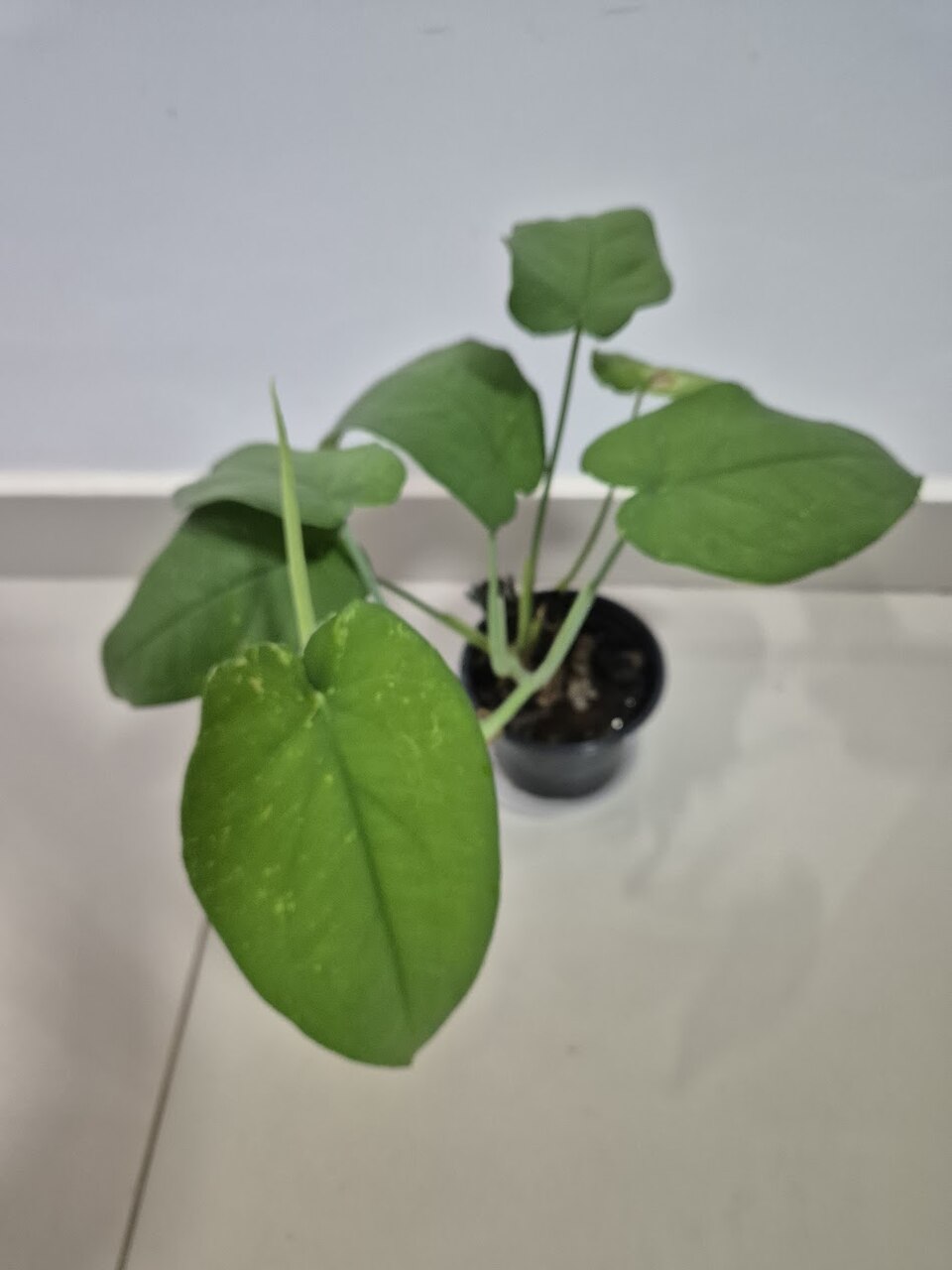
Syngonium chiapense, a captivating member of the Araceae family, is endemic to the humid forest ecosystems of southern Mexico, where it thrives under the dappled light of the canopy. This tropical perennial typically exhibits a climbing or sprawling growth habit, reaching heights of 1 to 1.5 meters (3 to 5 feet) when cultivated indoors. Its most striking feature is its foliage: large, sagittate (arrowhead-shaped) leaves that can span 10 to 25 centimeters (4 to 10 inches) in width.
The leaf coloration varies from deep emerald green to lighter hues, often displaying intricate variegation patterns with creamy white, silver, or pale green streaks that enhance its aesthetic appeal. The leaf surface is characteristically smooth and glossy, contributing to its vibrant appearance. While primarily grown for its ornamental leaves, mature plants can produce inflorescences typical of the Araceae family, consisting of a greenish-white spathe enclosing a spadix, though flowering is rare in indoor settings.
The plant's robust, slightly ribbed stems provide structural support, allowing it to climb or trail gracefully. Its classification within the Araceae family places it among other popular aroids known for their ornamental value and, in some cases, air-purifying capabilities, making Syngonium chiapense a prized specimen for indoor cultivation.
Trusted Scientific References
1. Authoritative external sources for Syngonium chiapense
1.1 Wikipedia — Syngonium chiapense
1.2 Kew POWO (Plants of the World Online)
1.3 PubMed — peer-reviewed research
1.4 NCBI Taxonomy Browser
1.5 GBIF — Global Biodiversity
1.6Syngonium Chiapense should be interpreted through verified botanical identity, practical care, and responsible safety language. This recovery note adds the missing context needed for a complete profile: match light to the plant's habit, use well-drained soil, water according to season, and avoid unsupported medicinal or edible claims. For publishing, the plant can be presented as a source-backed indoor plant with clear care guidance, common problem diagnosis, and conservative safety wording.
1.1.Syngonium Chiapense — Standout Qualities
- ✓Striking Arrowhead — shaped Leaves — Distinctive foliage shape.
- ✓Variegated Leaf Patterns — Often displays beautiful creamy white or silver streaks.
- ✓Natural Air Purifier — Proven to reduce indoor air toxins.
- ✓Tropical Origin — Native to humid forests of southern Mexico.
- ✓Vining/Climbing Growth Habit — Can be trained or allowed to trail.
- ✓High Humidity Loving — Thrives in moist environments.
- ✓Low Maintenance Indoor Plant — Relatively easy to care for.
- ✓Toxic to Pets and Humans (if ingested) — Contains calcium oxalate.
- ✓Aesthetic Appeal — Enhances interior decor with its lush foliage.
- ✓Feng Shui Significance — Associated with positive energy and harmony.
1.2.Syngonium Chiapense — Concise Overview
- ✓Ornamental tropical plant from Mexico, known for arrowhead leaves.
- ✓Primarily an indoor air purifier, especially effective against formaldehyde.
- ✓Contains calcium oxalate, making it toxic if ingested by humans or pets.
- ✓Requires bright, indirect light and high humidity to thrive.
- ✓Believed to bring good luck and reduces stress according to Feng Shui.
- ✓Low maintenance, versatile for various interior design themes.
2.Syngonium Chiapense — Taxonomic Classification
3.Syngonium Chiapense — Quick Facts
4.Syngonium Chiapense — Morphological Account
5.Syngonium Chiapense — Habitat & Distribution
6.Syngonium Chiapense — Historical Applications
7.Syngonium Chiapense — Active Compounds
- ✓Calcium Oxalate Raphides — Needle-like crystals that provide defense against herbivores, causing irritation upon ingestion.
- ✓Saponins — Glycosides with detergent-like properties, contributing to foam formation and potential anti-inflammatory or antimicrobial effects.
- ✓Alkaloids — Nitrogen-containing organic compounds, often with potent pharmacological activities, though specific ones in Syngonium chiapense are less studied.
- ✓Anthocyanins — Water-soluble pigments responsible for red, purple, and blue colors in some plant parts, acting as antioxidants.
- ✓Flavone C-glycosides — A type of flavonoid with antioxidant and anti-inflammatory properties, bound directly to sugar molecules.
- ✓Diterpenes — A diverse group of compounds derived from four isoprene units, some possessing anti-inflammatory or cytotoxic activities.
- ✓Sterols (e.g., Beta-sitosterol, Stigmasterol) — Plant sterols known for their cholesterol-lowering properties and anti-inflammatory effects.
- ✓Lectins — Proteins that bind specifically to carbohydrate structures, potentially involved in plant defense and with some immunomodulatory properties.
- ✓Protease Inhibitors — Compounds that block the activity of proteases, important in plant defense against pests and pathogens.
- ✓Phenolic Acids (e.g., Ferulic Acid) — A class of phenolic compounds with significant antioxidant, anti-inflammatory, and antimicrobial properties.
8.Syngonium Chiapense — Research Insights
- ✓Air Purification — Effectively reduces indoor air pollutants, particularly formaldehyde, contributing to a healthier living environment.
- ✓Stress Reduction — Tending to the plant and its presence can lower stress levels and promote a sense of calm and well-being.
- ✓Aesthetic Enhancement — Its attractive foliage and versatile growth habit improve interior aesthetics, positively impacting mood.
- ✓Humidity Regulation — Transpires moisture into the air, potentially increasing ambient humidity, which can be beneficial for respiratory comfort.
- ✓Biophilic Connection — Fosters a connection to nature indoors, which has documented psychological benefits, including improved focus.
- ✓Feng Shui Harmony — Believed to attract positive energy and good fortune according to Feng Shui principles due to its five-lobed leaves.
- ✓Cognitive Boost — The presence of indoor plants has been linked to improved concentration and memory recall in certain studies.
- ✓Mental Well-being — Provides a sense of accomplishment and purpose through plant care, acting as a therapeutic ritual.
- ✓Visual Comfort — The lush green color is known to be soothing to the eyes and can reduce visual fatigue.
- ✓Noise Reduction — Large leaves can slightly absorb sound waves, contributing to a quieter indoor environment.
8.1.Syngonium Chiapense — Conditions Traditionally Used For
9.Syngonium Chiapense — Precautions & Warnings
9.1.Syngonium Chiapense — Reported Side Effects
- ✓Oral Irritation — Ingestion of any part of the plant can cause severe mouth, throat, and digestive irritation due to calcium oxalate crystals.
- ✓Swelling — Contact with sap or ingestion can lead to swelling of the lips, tongue, and throat, potentially impairing breathing.
- ✓Skin Irritation — Direct contact with sap may cause dermatitis or skin irritation in sensitive individuals.
- ✓Nausea and Vomiting — Ingestion can induce gastrointestinal upset, including nausea, vomiting, and diarrhea.
- ✓Pet Toxicity — Highly toxic to cats and dogs, causing oral irritation, drooling, vomiting, and difficulty swallowing.
- ✓Eye Irritation — Contact with plant sap can cause eye pain, redness, and swelling.
- ✓Allergic Reactions — Rare, but individuals may experience allergic responses to plant components.
9.2.Syngonium Chiapense — Risk Assessment
- ✓Keep Out of Reach of Children — Due to its toxic nature, ensure the plant is inaccessible to curious children.
- ✓Pet Safety — Essential to keep away from pets (cats, dogs, birds) as ingestion is toxic and can cause significant distress.
- ✓Wear Gloves — Handle with gloves when pruning or repotting to avoid skin contact with irritating sap.
- ✓Handwashing — Wash hands thoroughly after any direct contact with the plant to prevent accidental ingestion or irritation.
- ✓Emergency Protocol — In case of ingestion, seek immediate medical attention or contact a poison control center.
- ✓Avoid Ingestion — Emphasize that no part of the plant should be consumed by humans or animals.
- ✓Eye Protection — Exercise caution to prevent sap from contacting eyes during handling or maintenance.
10.Syngonium Chiapense — How to Use
- ✓Indoor Ornamentation — Primarily used as an indoor decorative plant to enhance home and office aesthetics.
- ✓Air Purification Placement — Strategically place in living areas or bedrooms to maximize its air-filtering capabilities.
- ✓Aesthetic Groupings — Combine with other foliage plants to create visually appealing and diverse indoor plant displays.
- ✓Terrarium Inclusion — Suitable for large, enclosed terrariums due to its humidity requirements and vining habit.
- ✓Vertical Gardening — Train to climb moss poles or trellises to create green wall accents.
- ✓Hanging Baskets — Allow its vining stems to cascade from hanging planters for a graceful effect.
- ✓Stress Relief Focus — Place in meditation or relaxation spaces to leverage its calming presence and therapeutic benefits.
- ✓Humidifier Companion — Position near a humidifier to benefit from increased ambient moisture, enhancing its growth.
11.Syngonium Chiapense — Growth Requirements
- ✓Light — Thrives in bright, indirect light; direct sunlight can scorch its leaves.
- ✓Watering — Water thoroughly when the top inch of soil feels dry; avoid overwatering to prevent root rot.
- ✓Soil — Prefers a well-draining, peat-based potting mix rich in organic matter.
- ✓Humidity — Requires high humidity (60%+) to mimic its native tropical environment; mist regularly or use a humidifier.
- ✓Temperature — Ideal temperatures range from 18-29°C (65-85°F); sensitive to cold drafts and temperatures below 15°C (60°F).
- ✓Fertilization — Feed monthly during the growing season (spring and summer) with a balanced liquid fertilizer diluted to half strength.
- ✓Pruning — Prune to maintain shape and encourage bushier growth; can also be trained to climb or trail.
- ✓Repotting — Repot every 1-2 years or when root-bound, moving to a pot one size larger.
Reviewed by the Flora Medical Global Botanical Review Panel
Multi-disciplinary editorial group · Botany · Ethnobotany · Herbal-medicine literature
Who reviewed this: This page was checked by the Flora Medical Global Botanical Review Panel — an in-house editorial group of botany graduates, ethnobotany researchers, and horticulture practitioners who collectively maintain our 7,000+ plant encyclopedia. Meet the team.
Our 4-step verification process
1. Taxonomic verification
Scientific names and synonyms cross-checked against Kew POWO, World Flora Online, and The Plant List.
2. Phytochemical & medicinal cross-reference
Active compounds, traditional uses, and reported activities are cross-referenced with PubMed, USDA Dr. Duke's database, and peer-reviewed ethnobotanical literature.
3. Conservation & distribution check
Distribution, ecology, and conservation status confirmed against GBIF occurrence records and the IUCN Red List.
4. Editorial & safety review
Every entry passes an editorial pass for clarity, originality, and safety notices (toxicity, contraindications, dosage caveats) before publication.
Last reviewed:
Important medical disclaimer: This content is for educational and research purposes only. It is not medical advice and is not a substitute for consultation with a licensed healthcare provider. Do not use any herb to self-treat a medical condition without professional guidance.
Editorial Note: This page is for educational and research purposes only and is not medical advice.
Written by: Flora Medical Global Editorial Team
Reviewed by: Flora Medical Global Botanical Review Panel
Last Updated: June 15, 2026





Syngonium Chiapense — Comments & Community Reviews
Rate this plant