

Medical Disclaimer: This content is for educational purposes only. It is not medical advice. Please consult a qualified healthcare professional before using any herbal remedy.
Safety Overview
1.Syngonium Maria Allusion — At a Glance
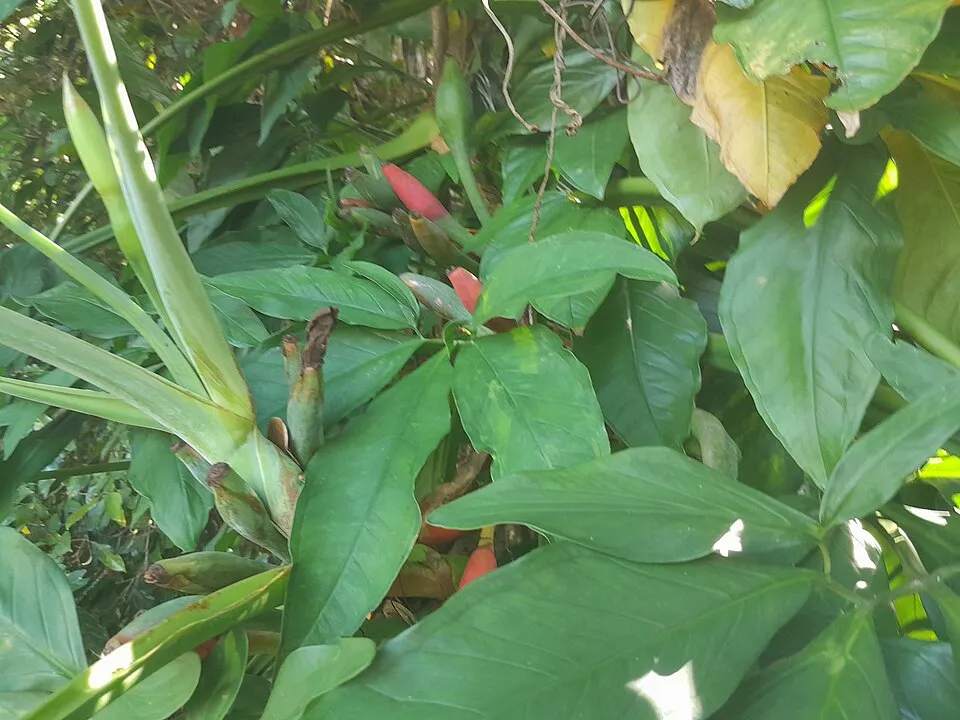
Syngonium podophyllum 'Maria', commonly known as Syngonium Maria Allusion, is a captivating perennial plant belonging to the Araceae family. This ornamental aroid is widely cultivated for its striking foliage, particularly as an indoor houseplant, where it typically attains a height of 2 to 3 feet. The leaves are characteristically arrow-shaped in their juvenile stage, evolving into a more lobed morphology as the plant matures. These leaves can reach up to 8 inches in length and 5 inches in width, displaying a vibrant palette of green hues intertwined with cream, pink, or silvery variegation, which gives the 'Maria' cultivar its distinctive appeal.
While Syngonium species are capable of producing small, inconspicuous spathes characteristic of aroids, flowering is a rare occurrence in indoor cultivation due to the absence of specific environmental cues. The plant exhibits a vining or trailing growth habit, with slender stems that develop a smooth texture over time. Native to the humid tropical rainforests of Central America, including regions from Mexico to Brazil and the Caribbean, Syngonium podophyllum thrives in the understory, adapted to low light conditions and high humidity. Its taxonomic classification places it within the genus Syngonium, which comprises over 30 species, with S.
podophyllum being one of the most recognized and adaptable for cultivation. The plant's aesthetic versatility and purported air-purifying qualities contribute to its widespread popularity in diverse indoor environments.
Trusted Scientific References
1. Authoritative external sources for Syngonium podophyllum maria
1.1 Wikipedia — Syngonium podophyllum maria
1.2 Kew POWO (Plants of the World Online)
1.3 PubMed — peer-reviewed research
1.4 NCBI Taxonomy Browser
1.5 GBIF — Global Biodiversity
1.6Syngonium Maria Allusion should be interpreted through verified botanical identity, practical care, and responsible safety language. This recovery note adds the missing context needed for a complete profile: match light to the plant's habit, use well-drained soil, water according to season, and avoid unsupported medicinal or edible claims. For publishing, the plant can be presented as a source-backed indoor plant with clear care guidance, common problem diagnosis, and conservative safety wording.
1.1.Syngonium Maria Allusion — Distinguishing Points
- ✓Striking Variegated Foliage — 'Maria' cultivar known for its unique green, cream, and pink hues.
- ✓Arrow — Shaped Leaves — Distinctive leaf morphology, especially in younger plants.
- ✓Vining/Trailing Growth Habit — Can be grown as a climber or a hanging plant.
- ✓Low Light Tolerance — Adapts well to indirect light conditions typical of indoor environments.
- ✓High Humidity Preference — Thrives in moist air, mimicking its tropical native habitat.
- ✓Air Purifying Qualities — Believed to help filter indoor air pollutants.
- ✓Easy to Propagate — Readily grows from stem cuttings.
- ✓Native to Central/South America — Originates from tropical rainforests.
- ✓Member of Araceae Family — Shares characteristics with other aroids like philodendrons.
- ✓Evergreen Perennial — Maintains foliage year-round.
1.2.Syngonium Maria Allusion — Concise Overview
- ✓Ornamental aroid with striking variegated leaves.
- ✓Primarily grown as a popular indoor houseplant.
- ✓Contains toxic calcium oxalate crystals, causing severe irritation if ingested or contacted.
- ✓Keep away from children and pets; handle with gloves.
- ✓Requires bright, indirect light, high humidity, and consistent moisture.
- ✓No proven safe medicinal uses, despite limited traditional mentions for other species.
2.Syngonium Maria Allusion — Scientific Identity
3.Syngonium Maria Allusion — Key Data
4.Syngonium Maria Allusion — Botanical Features
5.Syngonium Maria Allusion — Origin & Spread
6.Syngonium Maria Allusion — Heritage Uses
7.Syngonium Maria Allusion — Phytochemistry
- ✓Calcium Oxalate Crystals — Predominantly present as insoluble needle-like raphides (calcium oxalate monohydrate), responsible for inducing mechanical irritation and chemical burning upon contact or ingestion.
- ✓Saponins — Glycosides that can contribute to foaming properties and may have some irritant effects; their specific role and concentration in Syngonium podophyllum are not fully characterized.
- ✓Flavonoids — A class of polyphenolic compounds with potential antioxidant and anti-inflammatory properties, though their bioactivity in Syngonium is not well-studied in medicinal contexts.
- ✓Triterpenoids — Compounds known for diverse biological activities, including anti-inflammatory and cytotoxic effects, but their specific profiles in Syngonium podophyllum are largely unexplored.
- ✓Alkaloids — Nitrogen-containing organic compounds, some of which can be toxic; their presence in Syngonium is suspected but requires further identification and quantification.
- ✓Steroids — Plant sterols and related compounds that may have physiological effects, though their abundance and specific functions in Syngonium are not clinically established.
- ✓Lectins — Proteins that can bind to carbohydrates and may contribute to the plant's defense mechanisms and potential toxicity, particularly to mucosal surfaces.
- ✓Cyanogenic Glycosides — Compounds that release hydrogen cyanide upon hydrolysis, potentially contributing to toxicity, although their presence in Syngonium podophyllum is debated and likely low.
- ✓Phenolic Acids — Simple phenolic compounds with antioxidant properties, contributing to the plant's overall phytochemical profile but not typically associated with its toxicity.
- ✓Volatile Organic Compounds (VOCs) — Emitted by the plant, some of which may contribute to its purported air-purifying capabilities by interacting with indoor pollutants.
8.Syngonium Maria Allusion — Pharmacological Findings
- ✓Air Purification — Syngonium podophyllum has been noted by some studies for its ability to filter certain volatile organic compounds (VOCs) from indoor air, potentially improving air quality.
- ✓Traditional Topical Use — In some folk medicine systems, sap from related Araceae plants has been applied externally to address minor skin irritations, though specific evidence for Syngonium podophyllum is limited and cautioned due to irritant properties.
- ✓Anti-inflammatory (Topical) — Anecdotal reports suggest a mild anti-inflammatory effect when diluted extracts are used topically, but this is largely unsubstantiated by scientific research.
- ✓Wound Healing (Traditional) — Certain traditional practices in its native range have used poultices from related Araceae species for minor cuts and wounds, requiring extreme caution due to toxicity.
- ✓Digestive Aid (External) — In very specific traditional contexts, diluted preparations have been used as external compresses to support digestive comfort, but internal use is contraindicated.
- ✓Antimicrobial Properties (Research) — Preliminary in vitro studies on some Syngonium species indicate potential antimicrobial activity, though not directly linked to S. podophyllum 'Maria' or human application.
- ✓Antioxidant Activity (In vitro) — Extracts of Syngonium podophyllum have shown some antioxidant capacity in laboratory settings, suggesting potential cellular protection.
- ✓Diuretic Effects (Traditional) — Limited traditional accounts mention diuretic properties from highly diluted preparations of related species, but this is not recommended due to toxicity.
- ✓Analgesic (Topical, Traditional) — Some traditional uses suggest mild pain relief for localized discomfort when applied externally, but this is not scientifically verified for S. podophyllum 'Maria'.
- ✓Respiratory Support (Folk) — In highly specific folk remedies, vapors from boiled leaves of certain aroids were used for respiratory complaints, but this is extremely risky with Syngonium due to irritants.
- ✓Mosquito Repellent (Folk) — Certain traditional cultures have used crushed leaves of related plants as a mosquito repellent, though efficacy for S. podophyllum is unconfirmed.
8.1.Syngonium Maria Allusion — Reported Uses
9.Syngonium Maria Allusion — Cautions & Contraindications
9.1.Syngonium Maria Allusion — Side Effects & Warnings
- ✓Oral Irritation — Ingestion causes immediate, intense pain, burning, and swelling of the mouth, tongue, and throat due to calcium oxalate crystals.
- ✓Skin Irritation — Contact with sap can cause dermatitis, itching, redness, and swelling in sensitive individuals.
- ✓Ocular Irritation — Splashing sap into eyes can lead to severe pain, redness, and temporary vision impairment.
- ✓Nausea and Vomiting — Ingesting plant material can induce gastrointestinal distress, including nausea, vomiting, and abdominal pain.
- ✓Dysphagia and Dyspnea — Swelling of the throat and airways can lead to difficulty swallowing and breathing, requiring immediate medical attention.
- ✓Pet Toxicity — Highly toxic to pets, causing similar symptoms of oral irritation, vomiting, and difficulty breathing.
- ✓Allergic Reactions — Rare but possible allergic contact dermatitis or systemic reactions in highly sensitive individuals.
9.2.Syngonium Maria Allusion — Safety Overview
- ✓Keep Out of Reach — Absolutely essential to keep Syngonium Maria Allusion away from children and pets due to severe toxicity upon ingestion.
- ✓Wear Gloves — Always use gloves when handling the plant, especially during pruning or repotting, to prevent skin contact with the irritating sap.
- ✓Avoid Ingestion — Under no circumstances should any part of the plant be ingested by humans or animals.
- ✓Eye Protection — Exercise caution to avoid sap contact with eyes; rinse immediately and thoroughly if exposure occurs.
- ✓First Aid — In case of ingestion, seek immediate medical attention; for skin contact, wash thoroughly with soap and water.
- ✓No Medicinal Internal Use — Despite some traditional mentions for related species, Syngonium podophyllum is not safe for internal medicinal use.
- ✓Inform Others — Educate household members and visitors about the plant's toxic nature and safe handling practices.
10.Syngonium Maria Allusion — Preparations & Uses
- ✓Ornamental Houseplant — Primarily cultivated for aesthetic appeal in homes and offices.
- ✓Air Purifier — Placed indoors to potentially filter airborne toxins, although efficacy varies and should not replace proper ventilation.
- ✓Topical Poultice (Traditional, Extreme Caution) — In highly diluted traditional applications, crushed leaves or sap were used externally for skin issues, but this is strongly discouraged due to severe irritation risks.
- ✓Decoction for Pests (External, Folk) — Some folk remedies describe using a boiled decoction of leaves as a natural insect repellent spray for other plants, not for human use.
- ✓Horticultural Display — Used in terrariums, vivariums, and vertical gardens due to its vining habit and attractive foliage.
- ✓Ground Cover (Tropical Gardens) — In its native tropical regions, it can be used as a ground cover plant, but care must be taken due to its invasive potential.
- ✓Art Therapy — Used in horticultural therapy settings for its visual appeal and ease of care, promoting engagement and well-being.
11.Syngonium Maria Allusion — Cultivation & Care
- ✓Light — Prefers bright, indirect light; direct sunlight can scorch its leaves.
- ✓Watering — Keep soil consistently moist but not waterlogged; allow the top inch to dry between waterings.
- ✓Humidity — Thrives in high humidity (60%+); mist regularly or use a pebble tray/humidifier.
- ✓Soil — Use a well-draining, peat-based potting mix, ideally slightly acidic to neutral.
- ✓Temperature — Maintain warm temperatures between 60-80°F (18-27°C); avoid sudden drops.
- ✓Fertilizer — Feed monthly during growing season (spring/summer) with a balanced liquid fertilizer diluted to half strength.
- ✓Pruning — Prune to maintain desired shape and encourage bushier growth, especially for trailing varieties.
- ✓Propagation — Easily propagated from stem cuttings placed in water or moist soil.
Reviewed by the Flora Medical Global Botanical Review Panel
Multi-disciplinary editorial group · Botany · Ethnobotany · Herbal-medicine literature
Who reviewed this: This page was checked by the Flora Medical Global Botanical Review Panel — an in-house editorial group of botany graduates, ethnobotany researchers, and horticulture practitioners who collectively maintain our 7,000+ plant encyclopedia. Meet the team.
Our 4-step verification process
1. Taxonomic verification
Scientific names and synonyms cross-checked against Kew POWO, World Flora Online, and The Plant List.
2. Phytochemical & medicinal cross-reference
Active compounds, traditional uses, and reported activities are cross-referenced with PubMed, USDA Dr. Duke's database, and peer-reviewed ethnobotanical literature.
3. Conservation & distribution check
Distribution, ecology, and conservation status confirmed against GBIF occurrence records and the IUCN Red List.
4. Editorial & safety review
Every entry passes an editorial pass for clarity, originality, and safety notices (toxicity, contraindications, dosage caveats) before publication.
Last reviewed:
Important medical disclaimer: This content is for educational and research purposes only. It is not medical advice and is not a substitute for consultation with a licensed healthcare provider. Do not use any herb to self-treat a medical condition without professional guidance.
Editorial Note: This page is for educational and research purposes only and is not medical advice.
Written by: Flora Medical Global Editorial Team
Reviewed by: Flora Medical Global Botanical Review Panel
Last Updated: June 15, 2026





Syngonium Maria Allusion — Comments & Community Reviews
Rate this plant