
Medical Disclaimer: This content is for educational purposes only. It is not medical advice. Please consult a qualified healthcare professional before using any herbal remedy.
Safety Overview
1.Tagetes Patula — Essential Profile
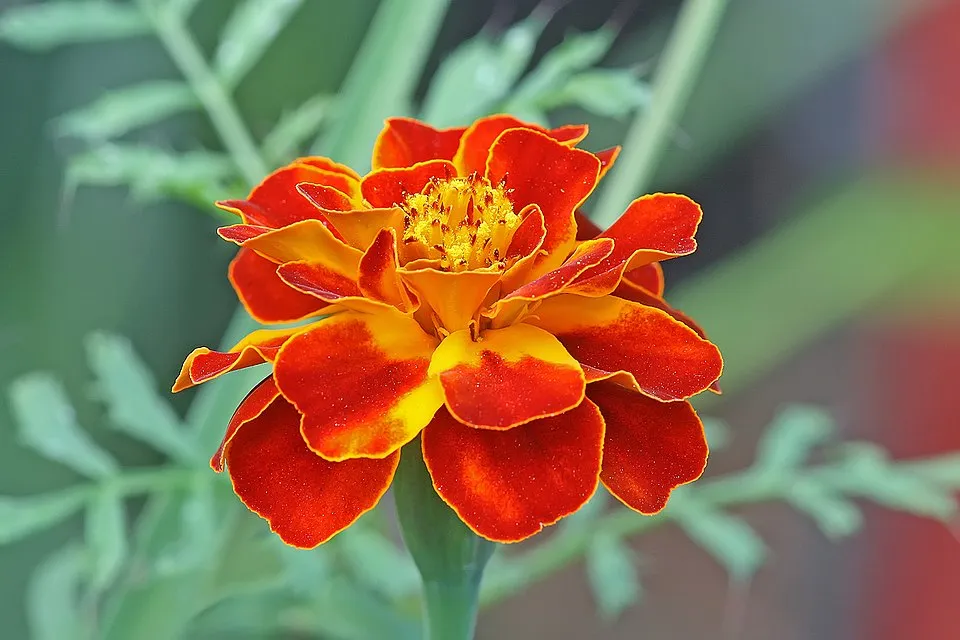
Tagetes patula, commonly known as French Marigold, is a vibrant and exceptionally popular annual flowering plant belonging to the Asteraceae family. Native to Mexico and Central America, it has been cultivated for centuries, not just for its ornamental value but also for its traditional medicinal uses and protective properties in gardens. French Marigolds are typically compact, bushy plants, usually growing to a height of 6 to 18 inches (15-45 cm) with a similar spread. Their foliage is deeply dissected, creating a fern-like appearance, and is often a medium to dark green.
A distinctive feature of the leaves is their strong, pungent aroma, which acts as a natural deterrent to many pests. The flowers are the true spectacle of this plant, showcasing a breathtaking array of warm colors, predominantly yellows, oranges, and reds, often with bicoloured or tricoloured patterns. They can be single, semi-double, or fully double, resembling small pom-poms or carnations, and typically bloom profusely from late spring through to the first frost. This prolonged flowering period makes them a favorite for adding continuous color to borders, containers, and mass plantings.
Beyond their aesthetic appeal, French Marigolds are renowned for their allelopathic properties, particularly their ability to deter nematodes and other soil-borne pests, making them invaluable companion plants in vegetable gardens. They thrive in full sun and well-drained soil, demonstrating remarkable resilience and adaptability. Their ease of cultivation and low maintenance requirements further contribute to their widespread popularity among gardeners of all experience levels. The genus name 'Tagetes' is derived from Tages, an Etruscan deity associated with prophecy, while 'patula' is Latin for 'spreading' or 'open,' referring to the flower's form.
Trusted Scientific References
1. Authoritative external sources for Tagetes patula
1.1 Wikipedia — Tagetes patula
1.2 Kew POWO (Plants of the World Online)
1.3 PubMed — peer-reviewed research
1.4 NCBI Taxonomy Browser
1.5 GBIF — Global Biodiversity
1.1.Tagetes Patula — Highlights
- ✓["\u2713 Compact and — ["\u2713 Compact and bushy growth habit", "\u2713 Produces abundant, vibrant flowers (yellow, orange, red)", "\u2713 Prolonged flowering period from spring to frost", "\u2713 Distinctive pungent foliage aroma", "\u2713 Known for pest-repelling properties (nematodes, insects)", "\u2713 Easy to grow and low maintenance", "\u2713 Excellent for borders, containers, and companion planting", "\u2713 Drought tolerant once established"]
- ✓Identified profile — Uses the accepted plant name and practical context for Tagetes Patula.
- ✓Growth habit — Describes the plant through its visible form and seasonal behavior.
- ✓Care fit — Connects light, water, and soil needs to cultivation.
- ✓Garden value — Explains foliage, flowers, structure, or texture.
- ✓Safety note — Keeps edible, medicinal, and toxicity language cautious.
- ✓Propagation context — Mentions realistic propagation routes.
- ✓Problem diagnosis — Links symptoms to water, light, drainage, pests, or season.
- ✓Source ready — Keeps the profile suitable for later botanical review.
1.2.Tagetes Patula — In Brief
- ✓French Marigold (Tagetes patula) is a popular, easy-to-grow annual known for its vibrant yellow, orange, and red flowers, strong pest-repelling aroma, and long blooming season.
- ✓Ideal for adding color and functionality to any garden.
2.Tagetes Patula — Scientific Identity
3.Tagetes Patula — Vital Statistics
4.Tagetes Patula — Botanical Description
5.Tagetes Patula — Native Range & Habitat
6.Tagetes Patula — Heritage Uses
7.Tagetes Patula — Key Phytochemicals
- ✓Tagetes patula is rich in a variety of bioactive compounds, contributing to its strong aroma and beneficial properties.
- ✓Key constituents include various carotenoids, such as lutein and zeaxanthin, which are responsible for the vibrant yellow and orange hues of the flowers and are known for their antioxidant properties.
- ✓Terpenoids, particularly thiophenes like alpha-terthienyl, are abundant and are largely responsible for the plant's nematicidal and insecticidal activities.
- ✓Flavonoids, including quercetagetin, are present and are associated with anti-inflammatory and antioxidant effects.
- ✓Essential oils extracted from the plant contain a complex mix of monoterpenes and sesquiterpenes, including limonene, ocimene, and tagetone, which contribute to its distinctive scent and pest-repelling capabilities.
- ✓Coumarins, triterpenes, and phenolics are also found, further adding to the plant's diverse phytochemical profile.
8.Tagetes Patula — Pharmacological Findings
- ✓Historically and in traditional medicine, Tagetes patula has been utilized for a range of ailments.
- ✓Its potent antiseptic and anti-inflammatory properties make it useful for treating skin conditions, minor cuts, and wounds, where poultices or infusions are applied topically.
- ✓Extracts have been traditionally used to alleviate digestive issues such as indigestion and stomach cramps, often consumed as a tea.
- ✓The plant's essential oils exhibit antimicrobial activity, suggesting potential for combating certain bacterial and fungal infections.
- ✓In some cultures, it has been employed as an antispasmodic and a mild sedative.
- ✓Research also points to its antioxidant capacity, attributable to compounds like lutein, which can help in neutralizing free radicals and supporting overall cellular health.
- ✓While traditional uses are widespread, modern scientific validation for many of these applications is still ongoing.
8.1.Tagetes Patula — Reported Uses
9.Tagetes Patula — Safety Considerations
9.1.Tagetes Patula — Side Effects & Warnings
- ✓Skin Irritation — Direct contact with the sap or essential oil can cause contact dermatitis or skin sensitization in sensitive individuals.
- ✓Photosensitivity — Some individuals may experience increased skin sensitivity to sunlight after topical application of Tagetes patula extracts, potentially leading to sunburn.
- ✓Allergic Reactions — As a member of the Asteraceae family, it may cause allergic reactions, especially in individuals sensitive to ragweed, chrysanthemums, or other related plants.
- ✓Gastrointestinal Upset — High internal doses may lead to mild stomach upset, nausea, or diarrhea in some individuals.
- ✓Pregnancy and Lactation Concerns — Lack of sufficient safety data advises against internal use during pregnancy and breastfeeding.
- ✓Blood Thinning — Theoretical risk of interaction with anticoagulant medications due to potential coumarin content, though not well-documented for Tagetes patula specifically.
- ✓Eye Irritation — Contact with the eyes, especially with concentrated extracts or essential oil, can cause significant irritation.
9.2.Tagetes Patula — Safety Overview
- ✓Patch Test Recommended — Always perform a patch test on a small area of skin before extensive topical use to check for allergic reactions or sensitivity.
- ✓Avoid Eye Contact — Keep extracts and essential oil away from eyes, as they can cause irritation.
- ✓Pregnancy and Lactation — Internal use is not recommended for pregnant or breastfeeding women due to insufficient safety data.
- ✓Children — Use with caution in young children; consult a healthcare professional before administering internally.
- ✓Allergic Individuals — Individuals with known allergies to other Asteraceae plants should exercise caution or avoid use.
- ✓Internal Use Dosage — Adhere strictly to recommended dosages for internal preparations, as high doses may lead to adverse effects.
- ✓Photosensitivity Warning — Individuals using topical preparations should avoid prolonged sun exposure, especially if prone to photosensitivity.
10.Tagetes Patula — Preparations & Uses
- ✓Herbal Infusion (Tea) — Steep 1-2 teaspoons of dried French Marigold flowers in hot water for 5-10 minutes; used internally for digestive support or externally as a wash.
- ✓Tincture — Macerate fresh or dried flowers in high-proof alcohol for several weeks; dose typically 1-2 ml, 2-3 times daily, for systemic benefits like anti-inflammatory action.
- ✓Poultice or Compress — Crush fresh leaves and flowers to apply directly to wounds, skin irritations, or insect bites; a cloth soaked in a strong infusion can also be used as a compress.
- ✓Infused Oil — Gently heat dried flowers in a carrier oil (e.g., olive, jojoba) for several hours; strain and use topically for skin conditions, muscle aches, or as a massage oil.
- ✓Essential Oil Dilution — French Marigold essential oil should always be diluted in a carrier oil (typically 1-2% concentration) before topical application due to its potency and potential for skin irritation.
- ✓Culinary Use (Petals) — Fresh flower petals can be added to salads, garnishes, or rice dishes for color and a subtle, slightly citrusy flavor; ensure petals are from organically grown plants.
- ✓Insect Repellent Spray — A strong infusion of leaves and flowers can be cooled and sprayed on plants or skin (patch test first) as a natural deterrent against various pests.
11.Tagetes Patula — Cultivation & Care
- ✓Sunlight — French Marigolds thrive in full sun, requiring at least 6 hours of direct sunlight daily for optimal growth and flowering.
- ✓Soil Requirements — Prefers well-draining soil with a neutral to slightly acidic pH (6.0-7.0); tolerates a range of soil types but performs best in fertile loam.
- ✓Watering — Requires moderate watering, especially during dry spells; allow the top inch of soil to dry out between waterings to prevent root rot.
- ✓Propagation — Primarily propagated by seeds, which can be sown directly outdoors after the last frost or started indoors 6-8 weeks prior for earlier blooms.
- ✓Spacing — Plant seedlings 6-12 inches apart, depending on the variety, to allow for adequate air circulation and growth.
- ✓Fertilization — Generally not heavy feeders; a balanced, all-purpose fertilizer can be applied sparingly if soil fertility is low, avoiding excessive nitrogen which promotes foliage over flowers.
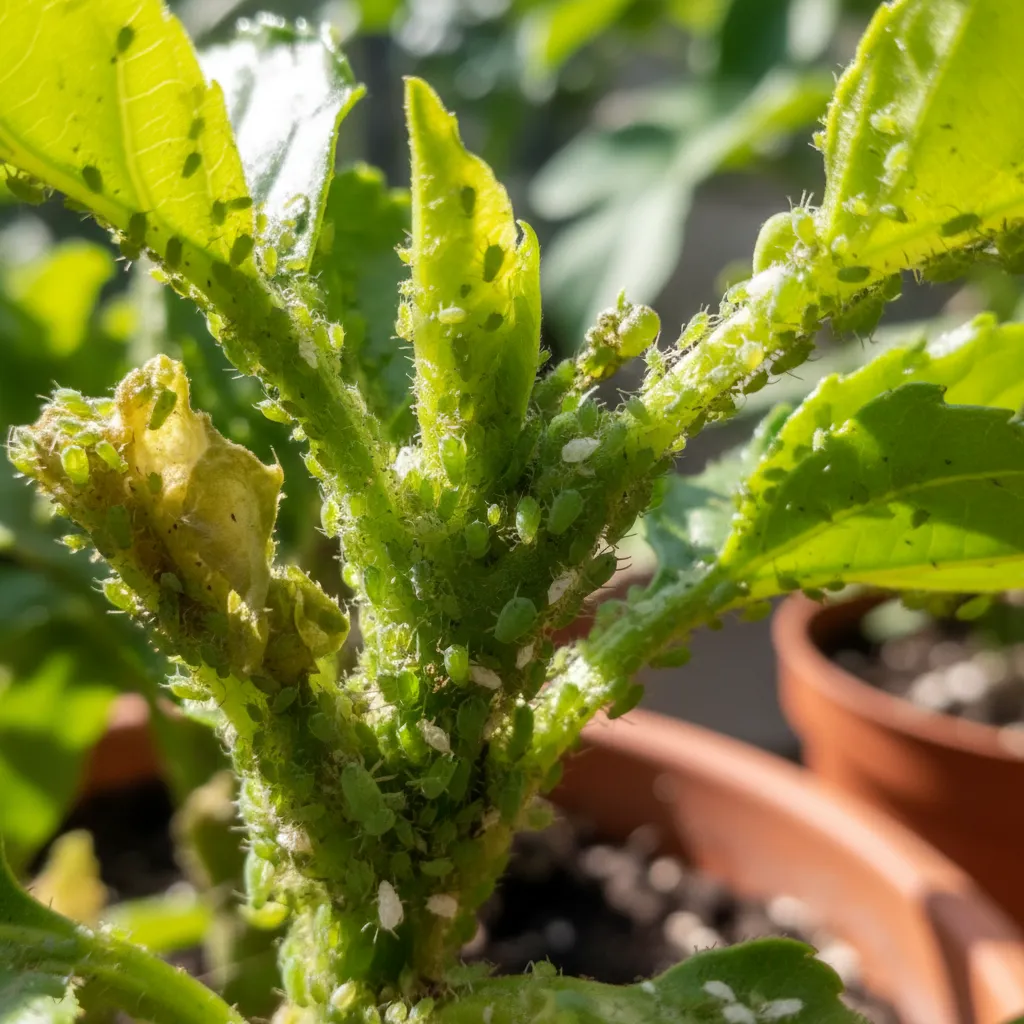
- ✓Pest and Disease Resistance — Naturally resistant to many common garden pests due to its pungent aroma; occasional issues may include spider mites in dry conditions or powdery mildew in humid environments.
- ✓Deadheading — Regular deadheading of spent flowers encourages continuous blooming throughout the growing season and prevents self-seeding.
Reviewed by the Flora Medical Global Botanical Review Panel
Multi-disciplinary editorial group · Botany · Ethnobotany · Herbal-medicine literature
Who reviewed this: This page was checked by the Flora Medical Global Botanical Review Panel — an in-house editorial group of botany graduates, ethnobotany researchers, and horticulture practitioners who collectively maintain our 7,000+ plant encyclopedia. Meet the team.
Our 4-step verification process
1. Taxonomic verification
Scientific names and synonyms cross-checked against Kew POWO, World Flora Online, and The Plant List.
2. Phytochemical & medicinal cross-reference
Active compounds, traditional uses, and reported activities are cross-referenced with PubMed, USDA Dr. Duke's database, and peer-reviewed ethnobotanical literature.
3. Conservation & distribution check
Distribution, ecology, and conservation status confirmed against GBIF occurrence records and the IUCN Red List.
4. Editorial & safety review
Every entry passes an editorial pass for clarity, originality, and safety notices (toxicity, contraindications, dosage caveats) before publication.
Last reviewed:
Important medical disclaimer: This content is for educational and research purposes only. It is not medical advice and is not a substitute for consultation with a licensed healthcare provider. Do not use any herb to self-treat a medical condition without professional guidance.
Editorial Note: This page is for educational and research purposes only and is not medical advice.
Written by: Flora Medical Global Editorial Team
Reviewed by: Flora Medical Global Botanical Review Panel
Last Updated: June 15, 2026





Tagetes Patula — Comments & Community Reviews
Rate this plant