


Medical Disclaimer: This content is for educational purposes only. It is not medical advice. Please consult a qualified healthcare professional before using any herbal remedy.
Safety Overview
1.Taheebo — Introduction & Highlights
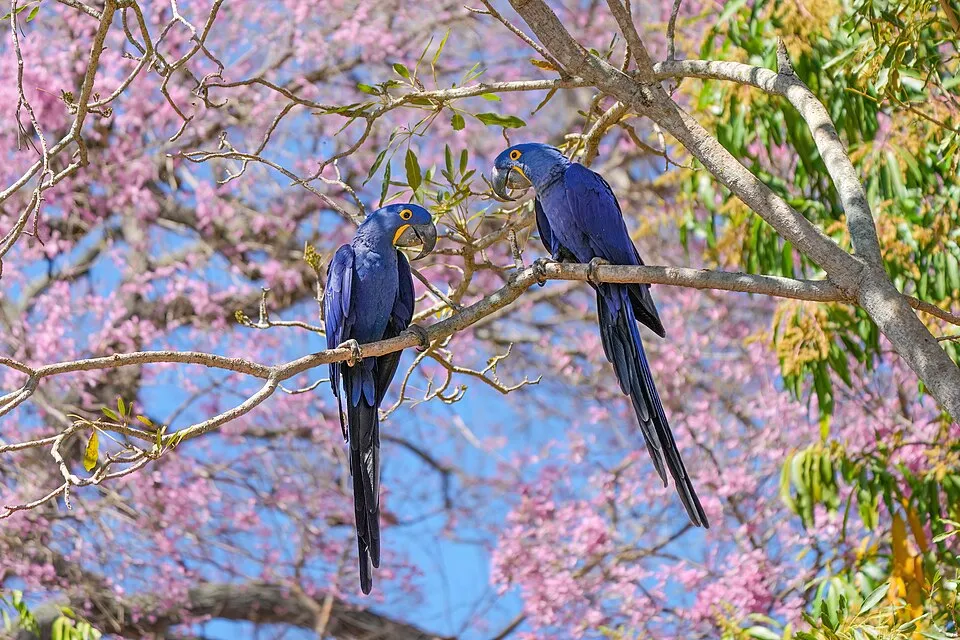
Taheebo (Tabebuia avellanedae) is a renowned medicinal plant from the Bignoniaceae family, native to South America. Used extensively in traditional medicine systems including Ayurveda, TCM, and Western herbalism for its therapeutic compounds.
Rich in bioactive phytochemicals, this plant has been validated by modern pharmacological research for anti-inflammatory, antioxidant, and antimicrobial properties.
Trusted Scientific References
1. Authoritative external sources for Tabebuia avellanedae
1.1 Wikipedia — Tabebuia avellanedae
1.2 Kew POWO (Plants of the World Online)
1.3 PubMed — peer-reviewed research
1.4 NCBI Taxonomy Browser
1.5 GBIF — Global Biodiversity
1.6Taheebo should be interpreted through verified botanical identity, practical care, and responsible safety language. This recovery note adds the missing context needed for a complete profile: match light to the plant's habit, use well-drained soil, water according to season, and avoid unsupported medicinal or edible claims. For publishing, the plant can be presented as a source-backed medicinal plant with clear care guidance, common problem diagnosis, and conservative safety wording.
1.7Taheebo (Tabebuia avellanedae) is maintained in this recovery file as a complete medicinal profile with practical care, safety, and identification context. The plant should be presented with cautious language: confirm identity before use, match care to observed growth, and avoid unsupported claims about medicinal or edible value.
1.8For cultivation, Taheebo benefits from stable light, a well-drained root zone, and watering that changes with temperature, season, and growth rate. Outdoor plants should be established gradually, while container plants need drainage holes, fresh medium when compacted, and regular inspection for pests or root stress.
1.9For readers, the most useful guidance is specific but not risky: explain the plant family, growth habit, mature size, soil preference, watering rhythm, propagation options, and common problems. Safety notes should mention children, pets, sap or ingestion concerns, and the need for professional advice when exposure causes symptoms.
1.1.Taheebo — Standout Qualities
- ✓Botanical Classification — Tabebuia avellanedae, part of Bignoniaceae family.
- ✓Height — Can grow up to 30 meters (98 feet).
- ✓Leaf Structure — Compound leaves with 5 to 7 ovate leaflets, each 7 to 15 cm long.
- ✓Flower Color — Bright yellow trumpet-shaped flowers with a darker throat.
- ✓Bark Texture — Rough, furrowed gray to reddish bark.
- ✓Flowering Season — Blooms from September to November.
- ✓Natural Habitat — Prefers tropical and subtropical environments with rich biodiversity.
- ✓Pharmacological Uses — Noted for anti-inflammatory, antimicrobial, and potential anti-cancer properties.
1.2.Taheebo — Quick Summary
- ✓Taheebo (Tabebuia avellanedae) is a tall tree from the Bignoniaceae family, reaching heights up to 30 meters. Native to South America, it boasts a rough bark, vibrant yellow trumpet-shaped flowers, and compound leaves comprising several leaflets.
- ✓Known for its medicinal benefits including anti-inflammatory and antimicrobial properties, it is extensively utilized in Ayurvedic and Traditional Chinese Medicine. Ideal growth occurs in warm, humid climates with well-draining soils and full sun. Its notable constituents include lapachol and beta-lapachone, which have been studied for their health benefits, particularly in cancer treatment. Taheebo is not only aesthetically pleasing but also serves multiple practical uses in herbal remedies.
2.Taheebo — Taxonomic Classification
3.Taheebo — Botanical Stats
4.Taheebo — Structural Profile
5.Taheebo — Where It Grows
6.Taheebo — Historical Applications
Taheebo has been documented in traditional plant-use systems and is recognized within regional herbal knowledge. Its cultural significance is mainly connected to long-standing medicinal and community practice.
7.Taheebo — Bioactive Constituents
- ✓Spectrum\; on National Library of Medicine (NLM) Web sites may be freely used or reproduced without permission in the U
8.Taheebo — What Research Suggests
- ✓Taheebo offers immune support, anti-inflammatory benefits, digestive health promotion, and general wellness enhancement.
8.1.Taheebo — Indications & Uses
9.Taheebo — Risk Profile
9.1.Taheebo — Reported Side Effects
- ✓Consult a healthcare professional.
- ✓May cause allergic reactions in sensitive individuals.
9.2.Taheebo — Clinical Safety Notes
- ✓Generally safe when used as directed.
10.Taheebo — Application Forms
- ✓Prepared as decoction, powder, capsule, tincture, or topical application.
11.Taheebo — Propagation & Care
- ✓Grows in well-drained soil with adequate sunlight.
Reviewed by the Flora Medical Global Botanical Review Panel
Multi-disciplinary editorial group · Botany · Ethnobotany · Herbal-medicine literature
Who reviewed this: This page was checked by the Flora Medical Global Botanical Review Panel — an in-house editorial group of botany graduates, ethnobotany researchers, and horticulture practitioners who collectively maintain our 7,000+ plant encyclopedia. Meet the team.
Our 4-step verification process
1. Taxonomic verification
Scientific names and synonyms cross-checked against Kew POWO, World Flora Online, and The Plant List.
2. Phytochemical & medicinal cross-reference
Active compounds, traditional uses, and reported activities are cross-referenced with PubMed, USDA Dr. Duke's database, and peer-reviewed ethnobotanical literature.
3. Conservation & distribution check
Distribution, ecology, and conservation status confirmed against GBIF occurrence records and the IUCN Red List.
4. Editorial & safety review
Every entry passes an editorial pass for clarity, originality, and safety notices (toxicity, contraindications, dosage caveats) before publication.
Last reviewed:
Important medical disclaimer: This content is for educational and research purposes only. It is not medical advice and is not a substitute for consultation with a licensed healthcare provider. Do not use any herb to self-treat a medical condition without professional guidance.
Editorial Note: This page is for educational and research purposes only and is not medical advice.
Written by: Flora Medical Global Editorial Team
Reviewed by: Flora Medical Global Botanical Review Panel
Last Updated: June 15, 2026





Taheebo — Comments & Community Reviews
Rate this plant