
Medical Disclaimer: This content is for educational purposes only. It is not medical advice. Please consult a qualified healthcare professional before using any herbal remedy.
Safety Overview
1.Talisa Patra — Essential Profile
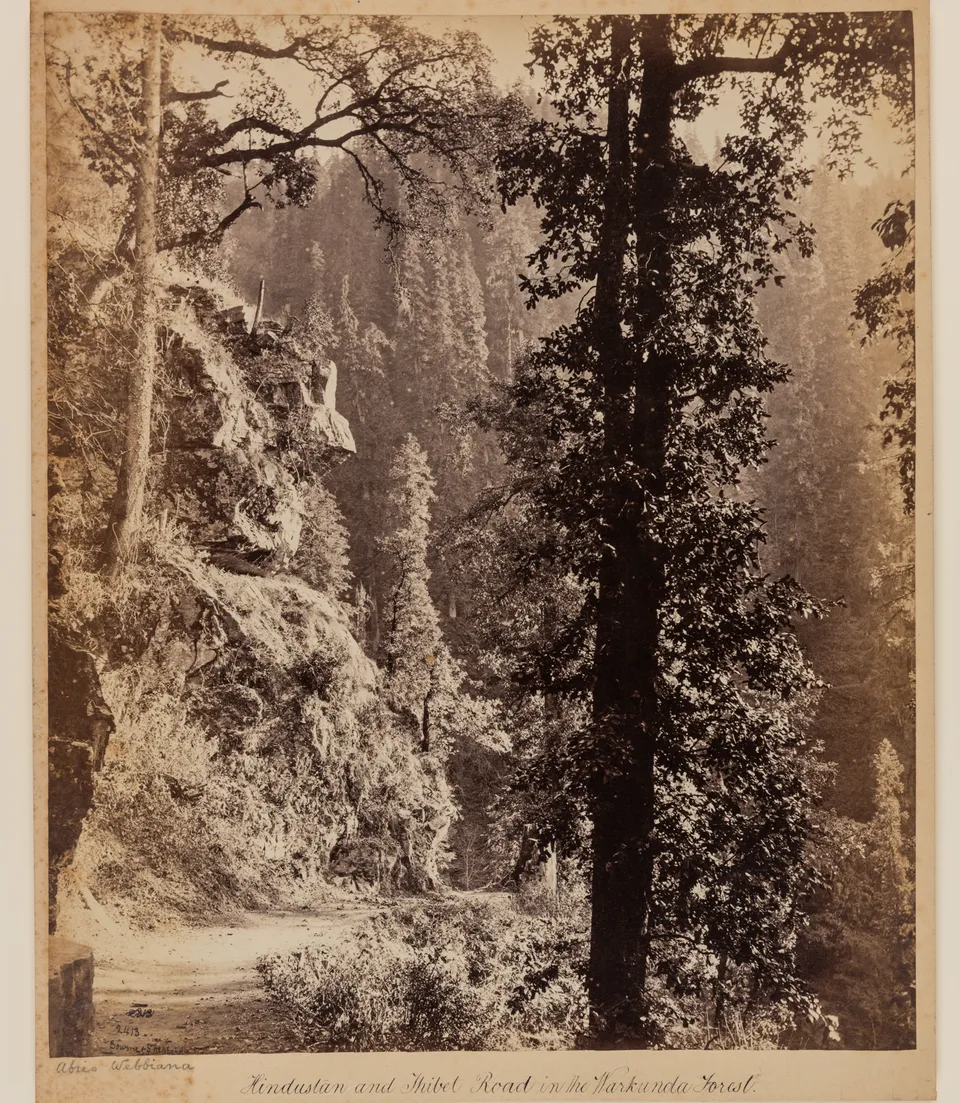
Talisa Patra, scientifically known as Abies webbiana, is a majestic medium to large evergreen conifer tree belonging to the Pinaceae family, a lineage renowned for its ecological contributions. It typically reaches impressive heights of 20 to 30 meters, occasionally exceeding 40 meters in optimal conditions. The tree's morphology is characterized by a fluted stem and horizontally spreading, non-whorled branches, forming a broadly conical crown. Its distinctive leaves are needle-like, flattened, and arranged in a distichous pattern, measuring approximately 3 to 5 centimeters in length.
They exhibit a glossy, dark green hue on the upper surface, contrasting with a paler, white-green or sometimes rusty-red underside. The leaves narrow into a short petiole that is decurrent along the twig. Cones are cylindrical, ranging from 8 to 12 centimeters long, initially displaying a striking purple color before maturing into a rich brown. The bark is smooth and grayish-brown in its youth, gradually developing a scaly and rough texture as the tree ages.
Abies webbiana thrives in the cool, humid temperate forests of the Himalayas, predominantly found at elevations ranging from 1,600 to 4,500 meters. Its natural distribution spans across regions of India (including Kashmir to Assam), Nepal, and Bhutan, where it plays a vital role in local biodiversity and forest ecosystems. The species is also notable for its aromatic and resinous sap, which has been historically utilized for its therapeutic properties, cementing its integral role in traditional medicinal practices.
Trusted Scientific References
1. Authoritative external sources for Abies webbiana
1.1 Wikipedia — Abies webbiana
1.2 Kew POWO (Plants of the World Online)
1.3 PubMed — peer-reviewed research
1.4 NCBI Taxonomy Browser
1.5 GBIF — Global Biodiversity
1.6Talisa Patra should be interpreted through verified botanical identity, practical care, and responsible safety language. This recovery note adds the missing context needed for a complete profile: match light to the plant's habit, use well-drained soil, water according to season, and avoid unsupported medicinal or edible claims. For publishing, the plant can be presented as a source-backed medicinal plant with clear care guidance, common problem diagnosis, and conservative safety wording.
1.1.Talisa Patra — Highlights
- ✓Himalayan Origin — Native to the high-altitude, cool temperate forests of the Himalayas.
- ✓Evergreen Conifer — A large, evergreen tree belonging to the Pinaceae family.
- ✓Aromatic Foliage — Characterized by fragrant, needle-like leaves rich in essential oils.
- ✓Respiratory Tonic — Widely recognized for its efficacy in treating various respiratory ailments.
- ✓Anti — inflammatory Power — Contains compounds like flavonoids and abiesin that reduce inflammation.
- ✓Digestive Enhancer — Acts as a 'Deepana' (appetizer) and 'Pachana' (digestive) in Ayurvedic medicine.
- ✓Antimicrobial Properties — Exhibits broad-spectrum activity against pathogens due to its volatile compounds.
- ✓Traditional Medicine Staple — Integral to Ayurvedic and Traditional Chinese Medicine formulations.
- ✓Rich Phytochemistry — Abundant in terpenes, phenolic acids, flavonoids, and lignans.
- ✓Versatile Usage — Utilized as powder, decoction, essential oil, and topical paste.
1.2.Talisa Patra — Quick Summary
- ✓Abies webbiana, or Talisa Patra, is a revered Himalayan conifer.
- ✓It is a cornerstone in Ayurveda and TCM for respiratory health.
- ✓Key benefits include anti-inflammatory, expectorant, and antimicrobial actions.
- ✓Rich in terpenes, flavonoids, and phenolic acids, contributing to its efficacy.
- ✓Used as powder, decoction, or essential oil, primarily for coughs and colds.
- ✓Caution advised for high doses; consult a practitioner, especially during pregnancy.
2.Talisa Patra — Botanical Identity
3.Talisa Patra — Vital Statistics
4.Talisa Patra — Physical Description
5.Talisa Patra — Native Range & Habitat
6.Talisa Patra — Heritage Uses
7.Talisa Patra — Key Phytochemicals
- ✓Terpenoids — Contains monoterpenes like camphor, which contribute to its expectorant and decongestant properties, alongside abietane-type diterpenoids, known for their anti-inflammatory and antimicrobial actions.
- ✓Flavonoids — A diverse group of polyphenolic compounds, including abioflavonoids, that confer significant antioxidant, anti-inflammatory, and protective cellular effects.
- ✓Phenolic Acids — These compounds, such as gallic acid and caffeic acid derivatives, are potent antioxidants that help neutralize free radicals and support cellular health.
- ✓Lignans — Abiesin is a notable lignan found in Abies webbiana, recognized for its potential anti-inflammatory and hepatoprotective activities.
- ✓Phytosterols — Beta-sitosterol is present, a plant sterol known for its cholesterol-lowering, anti-inflammatory, and immune-modulating properties.
- ✓Fatty Alcohols — N-triacontanol, a long-chain fatty alcohol, is identified, which may have plant growth regulatory and potential anti-inflammatory effects.
- ✓Glycosides — Betuloside, a glycoside, contributes to the plant's overall therapeutic profile, potentially offering anti-inflammatory and analgesic benefits.
- ✓Essential Oils — The volatile oils are rich in various terpenes and other aromatic compounds responsible for the plant's characteristic fragrance and many of its medicinal actions, including antimicrobial and expectorant effects.
8.Talisa Patra — Evidence-Based Benefits
- ✓Respiratory Support — Talisa Patra is highly regarded in traditional medicine for its profound ability to alleviate a wide range of respiratory ailments, including chronic coughs, colds, asthma, and bronchitis, primarily due to its expectorant and antitussive properties.
- ✓Expectorant Action — The plant's compounds help to thin and expel mucus from the respiratory passages, making it effective in clearing congestion and facilitating easier breathing.
- ✓Anti-inflammatory Properties — Rich in flavonoids and phenolic acids, Abies webbiana exhibits significant anti-inflammatory effects, which can help reduce inflammation in the respiratory tract and other body systems.
- ✓Antimicrobial Activity — Essential oils extracted from Talisa Patra leaves demonstrate potent antibacterial and antiseptic actions, aiding the body in fighting off various pathogenic microorganisms.
- ✓Digestive Aid — Traditionally used as a 'Deepana', it enhances digestive strength, improves appetite, and alleviates symptoms of indigestion, bloating, and flatulence by stimulating digestive fire.
- ✓Cardiac Tonic — In Ayurvedic practices, it is considered 'Hrudya', meaning it acts as a congenial tonic for the heart, supporting overall cardiovascular well-being.
- ✓Anti-emetic Effects — It is effectively utilized to relieve nausea and vomiting, categorized as 'Chardihara', by calming the digestive system.
- ✓Analgesic and Anti-pyretic — When applied topically or consumed, it helps to reduce pain, particularly headaches, and can assist in lowering fever, especially those of Vata-Kapha origin.
- ✓Wound Healing — The resinous sap and extracts possess antiseptic and vulnerary properties, promoting faster healing of wounds and minor skin abrasions.
- ✓Relief from Oral Disorders — Its aromatic and antimicrobial qualities make it beneficial for addressing various oral health issues and improving bad breath.
8.1.Talisa Patra — Indications & Uses
9.Talisa Patra — Safety Considerations
9.1.Talisa Patra — Reported Side Effects
- ✓Gastric Irritation — Higher than recommended doses may lead to stomach irritation, acidity, or heartburn due to its 'Teekshna' (strong, penetrating) and 'Ushna' (hot) potency.
- ✓Allergic Reactions — Individuals sensitive to conifers or other plant resins may experience allergic skin reactions or respiratory discomfort.
- ✓Dryness — Excessive or prolonged use, especially in individuals with a Vata constitution, might lead to increased dryness.
- ✓Drug Interactions — Potential interactions with certain Western medications, particularly blood thinners or gastric acid regulators, are possible.
- ✓Pregnancy Concerns — While generally considered safe in children and lactation, pregnant women should exercise caution and consult a healthcare professional.
- ✓Overstimulation — Its stimulating properties might cause restlessness or insomnia in sensitive individuals if taken in very large quantities.
9.2.Talisa Patra — Safety Profile
- ✓Professional Consultation — Always consult a qualified healthcare practitioner or Ayurvedic doctor before using Talisa Patra, especially for chronic conditions.
- ✓Dosage Adherence — Strict adherence to recommended dosages is crucial to prevent potential side effects like gastric irritation.
- ✓Pregnancy & Lactation — Generally considered safe during lactation and for children in prescribed doses, but pregnant women should seek medical advice due to limited specific studies.
- ✓Drug Interactions — Advise your doctor if taking other medications, especially allopathic drugs, as interactions are possible, though generally well-tolerated with supplements.
- ✓Sensitivity Testing — Perform a patch test for topical applications to check for allergic reactions, particularly for the resin or essential oil.
- ✓Quality Sourcing — Ensure the plant material is sourced from reputable suppliers to guarantee purity and prevent contamination or adulteration.
- ✓Storage — Store dried plant material in a cool, dry place away from direct sunlight to maintain potency and prevent degradation.
10.Talisa Patra — Preparation Methods
- ✓Leaf Powder — Dried leaves are ground into a fine powder, typically administered in doses of 2-5 grams per day, often mixed with honey or warm water.
- ✓Decoction/Infusion — Leaves can be boiled to create a decoction or steeped in hot water for an infusion, used for respiratory ailments.
- ✓Essential Oil — Extracted essential oil can be diffused for aromatic therapy or diluted for topical application, particularly for chest rubs.
- ✓Topical Paste — A paste made from crushed leaves and water is traditionally applied to the forehead to relieve headaches or on wounds for antiseptic action.
- ✓Ayurvedic Formulations — Talisa Patra is a key ingredient in numerous Ayurvedic preparations, such as Talisadi Churna, Vyoshadi Vatakam, and Lavan Bhaskar Churna, targeting digestive and respiratory health.
- ✓Resin Application — The natural resin collected from the tree can be applied externally for its antiseptic and wound-healing properties.
- ✓Culinary Spice — In some traditional contexts, dried leaves are used sparingly as an aromatic spice, especially in warming winter preparations.
- ✓Dosage Adherence — Always adhere to prescribed dosages by a qualified herbalist or Ayurvedic practitioner to avoid adverse effects.
11.Talisa Patra — Garden Cultivation
- ✓Site Selection — Prefers cool, high-altitude locations with ample moisture, mimicking its natural Himalayan habitat.
- ✓Soil Requirements — Thrives in well-drained, acidic to neutral soil, typically rich in organic matter.
- ✓Propagation — Primarily propagated by seeds, which require a period of cold stratification to break dormancy.
- ✓Planting — Young saplings are best planted in spring or early autumn, ensuring adequate spacing for mature growth.
- ✓Light Exposure — Benefits from partial shade when young, transitioning to full sun as it matures, especially in cooler climates.
- ✓Watering — Requires consistent moisture, particularly during dry spells, but avoid waterlogging to prevent root rot.
- ✓Climate Adaptation — Highly adapted to cold temperate zones, tolerating frost and snow typical of mountainous regions.
- ✓Maintenance — Minimal pruning is generally needed, focusing on removing dead or diseased branches to maintain tree health.
Reviewed by the Flora Medical Global Botanical Review Panel
Multi-disciplinary editorial group · Botany · Ethnobotany · Herbal-medicine literature
Who reviewed this: This page was checked by the Flora Medical Global Botanical Review Panel — an in-house editorial group of botany graduates, ethnobotany researchers, and horticulture practitioners who collectively maintain our 7,000+ plant encyclopedia. Meet the team.
Our 4-step verification process
1. Taxonomic verification
Scientific names and synonyms cross-checked against Kew POWO, World Flora Online, and The Plant List.
2. Phytochemical & medicinal cross-reference
Active compounds, traditional uses, and reported activities are cross-referenced with PubMed, USDA Dr. Duke's database, and peer-reviewed ethnobotanical literature.
3. Conservation & distribution check
Distribution, ecology, and conservation status confirmed against GBIF occurrence records and the IUCN Red List.
4. Editorial & safety review
Every entry passes an editorial pass for clarity, originality, and safety notices (toxicity, contraindications, dosage caveats) before publication.
Last reviewed:
Important medical disclaimer: This content is for educational and research purposes only. It is not medical advice and is not a substitute for consultation with a licensed healthcare provider. Do not use any herb to self-treat a medical condition without professional guidance.
Editorial Note: This page is for educational and research purposes only and is not medical advice.
Written by: Flora Medical Global Editorial Team
Reviewed by: Flora Medical Global Botanical Review Panel
Last Updated: June 15, 2026





Talisa Patra — Comments & Community Reviews
Rate this plant