


Medical Disclaimer: This content is for educational purposes only. It is not medical advice. Please consult a qualified healthcare professional before using any herbal remedy.
Safety Overview
1.Talisadi (Silver Fir) — Plant Snapshot
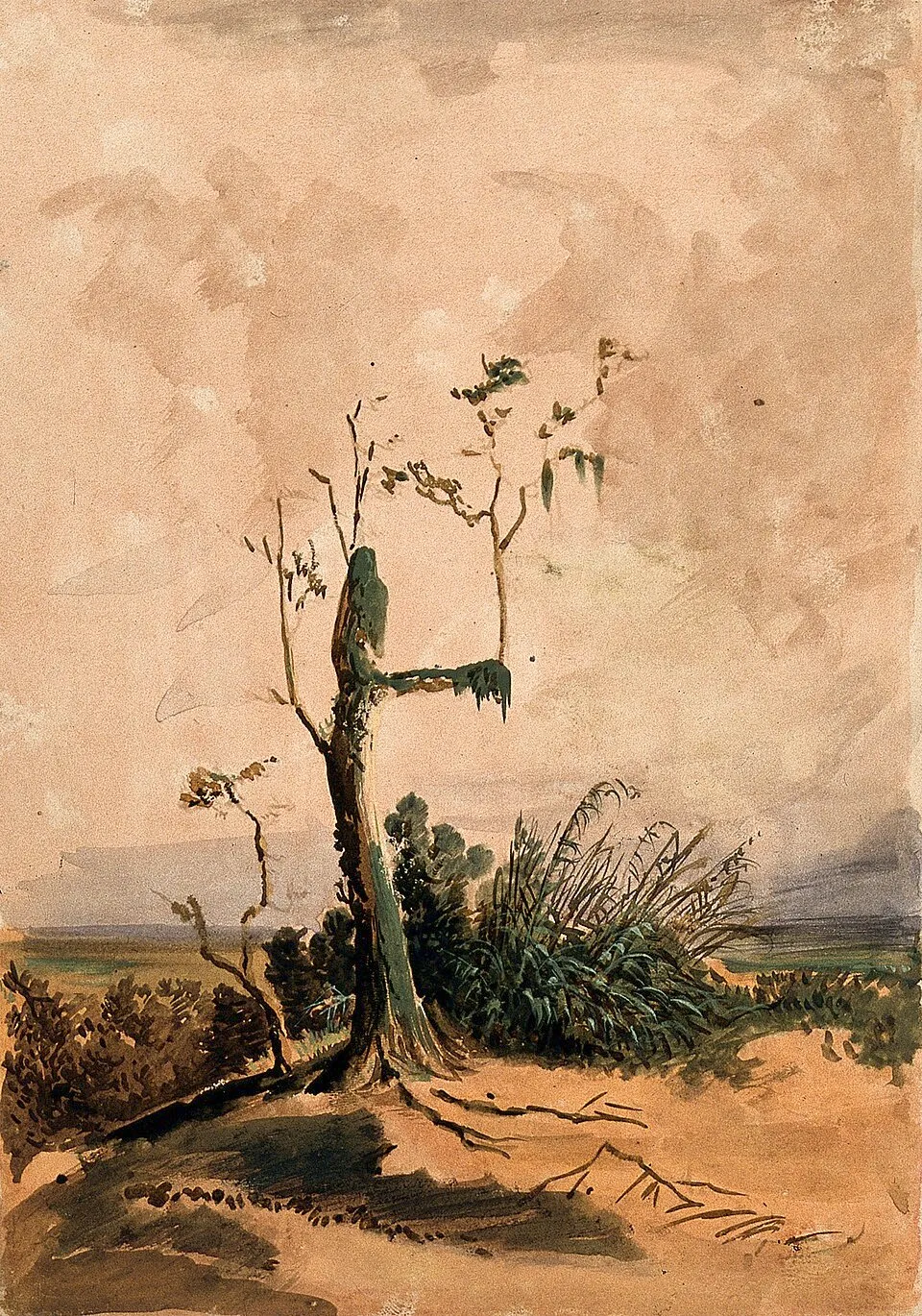
Abies webbiana, commonly known as Talisadi or Himalayan Silver Fir, is a majestic coniferous tree belonging to the Pinaceae family. Native to the high-altitude regions of the Himalayas, its natural distribution spans across Afghanistan, Pakistan, India, Nepal, Bhutan, and China (Tibet). This evergreen species thrives in cool, temperate biomes, often forming dense forests at elevations ranging from 2,500 to 4,000 meters. The tree can reach impressive heights of 30 to 60 meters, characterized by a conical crown in its youth that broadens with age.
Its bark is smooth and greyish-white on younger specimens, progressively becoming rough, deeply furrowed, and scaly as it matures. The distinctive needle-like leaves are flattened, typically 2–4 cm long, spirally arranged on the shoots, presenting a dark green hue on the upper surface and two prominent silvery-white stomatal bands underneath. Talisadi is monoecious, bearing separate male and female cones on the same tree. The male cones are small, ovoid, and yellowish, while the female cones are larger, purplish-green when immature, maturing into erect, cylindrical, resinous brown cones that are 10–20 cm long.
These cones disintegrate at maturity to release winged seeds, dispersed efficiently by wind. Revered in traditional medicinal systems like Ayurveda, Talisadi is highly valued for its aromatic resin, needles, and bark, which are rich in therapeutic phytochemicals. Its ecological significance is matched by its historical use in balancing Kapha and Vata doshas, underscoring its dual role in both natural ecosystems and traditional healing practices.
Trusted Scientific References
Authoritative external sources for Abies webbiana (Wall. ex D.Don) Lindl.:
Wikipedia — Abies webbiana (Wall. ex D.Don) Lindl.
Kew POWO (Plants of the World Online)
PubMed — peer-reviewed research
NCBI Taxonomy Browser
GBIF — Global Biodiversity
Talisadi (Silver Fir) should be interpreted through verified botanical identity, practical care, and responsible safety language. This recovery note adds the missing context needed for a complete profile: match light to the plant's habit, use well-drained soil, water according to season, and avoid unsupported medicinal or edible claims.
For publishing, the plant can be presented as a source-backed medicinal plant with clear care guidance, common problem diagnosis, and conservative safety wording.
1.1.Talisadi (Silver Fir) — Key Features
- ✓Traditional Ayurvedic Herb — Revered in traditional Indian medicine for centuries, particularly for balancing Kapha and Vata doshas.
- ✓Himalayan Native — Indigenous to the high-altitude regions of the Himalayas, thriving in cool, temperate environments.
- ✓Aromatic Conifer — Known for its distinctively aromatic leaves and cones, which are rich in therapeutic essential oils.
- ✓Respiratory Powerhouse — Highly effective for treating a wide range of respiratory ailments, including cough, cold, asthma, and sinusitis.
- ✓Digestive Aid — Possesses carminative properties that help alleviate bloating, indigestion, and stimulate appetite.
- ✓Anti — inflammatory and Analgesic — Offers natural relief from inflammation, pain, and fever.
- ✓Rich Phytochemistry — Contains a beneficial blend of alpha-pinene, limonene, bornyl acetate, flavonoids, and tannins.
- ✓Distinctive Morphology — Features needle-like leaves with silvery-white undersides and upright, cylindrical, resinous cones.
- ✓Evergreen Resilience — A resilient evergreen tree adapted to harsh mountain climates, reaching significant heights.
- ✓Versatile Preparations — Used in various forms including dried powder, decoctions, and essential oils for internal and external applications.
1.2.Talisadi (Silver Fir) — At-a-Glance Summary
- ✓Abies webbiana, or Talisadi, is a prominent Himalayan Silver Fir revered in Ayurveda for its medicinal properties.
- ✓It is primarily utilized for its expectorant, bronchodilatory, and anti-inflammatory actions, especially beneficial for respiratory conditions.
- ✓Rich in essential oils, flavonoids, and phenolic compounds, it also supports digestive health and offers analgesic and antipyretic relief.
- ✓Thrives in cool, high-altitude climates and is traditionally prepared as powders, decoctions, or essential oils.
- ✓Generally safe, but caution is advised for pregnant individuals and those with sensitivities, always adhering to recommended dosages.
2.Talisadi (Silver Fir) — Scientific Profile
3.Talisadi (Silver Fir) — Botanical Stats
4.Talisadi (Silver Fir) — Structural Profile
5.Talisadi (Silver Fir) — Habitat & Distribution
6.Talisadi (Silver Fir) — Ethnobotanical Uses
7.Talisadi (Silver Fir) — Active Compounds
- ✓Essential Oils — Abies webbiana is particularly rich in volatile essential oils, with major constituents including alpha-pinene, limonene, bornyl acetate, camphene, and delta-3-carene, which are primarily responsible for its aromatic, expectorant, bronchodilatory, and antimicrobial activities.
- ✓Flavonoids — A diverse group of polyphenolic compounds such as quercetin, kaempferol, and their glycosides are present, contributing significantly to the plant's anti-inflammatory, antioxidant, and immunomodulatory properties.
- ✓Phenolic Compounds — Beyond flavonoids, other phenolic acids and derivatives, including gallic acid and ellagic acid, are found, offering strong antioxidant and free-radical scavenging capabilities.
- ✓Tannins — Condensed and hydrolyzable tannins are present, imparting astringent properties that can be beneficial in reducing inflammation, promoting wound healing, and exhibiting mild antimicrobial effects.
- ✓Lignans — These compounds, though often in smaller quantities, can exhibit various biological activities, including antioxidant and anti-inflammatory effects.
- ✓Resins — The resinous exudates from the bark and cones contain oleoresins, which contribute to the plant's aromatic profile and may possess antiseptic and expectorant qualities.
- ✓Terpenoids — In addition to monoterpenes in essential oils, diterpenoids and triterpenoids are also found, potentially contributing to anti-inflammatory and cytotoxic activities.
- ✓Alkaloids — While generally not a primary class for conifers, trace amounts of alkaloid-like compounds might be present, warranting further investigation into their specific roles.
- ✓Saponins — These glycosides may contribute to expectorant action by irritating mucous membranes and stimulating secretions, though their presence in Talisadi is typically minor.
- ✓Carbohydrates — Polysaccharides and other complex carbohydrates are structural components and may have immunomodulatory effects.
- ✓Fatty Acids — Present in seeds and some plant tissues, contributing to nutritional value and membrane integrity.
- ✓Steroids — Plant sterols are naturally occurring compounds that can influence various physiological processes.
8.Talisadi (Silver Fir) — Modern Studies
- ✓Expectorant Action — Talisadi helps to loosen and expel phlegm from the respiratory tract, making it highly effective in treating productive coughs and clearing bronchial congestion by stimulating mucus secretion and ciliary movement.
- ✓Bronchodilatory Properties — The compounds present in Abies webbiana contribute to the relaxation of bronchial muscles, thereby widening the airways and easing breathing, which is particularly beneficial for conditions like asthma and bronchitis.
- ✓Anti-inflammatory Effects — Rich in flavonoids and phenolic compounds, Talisadi reduces inflammation in the respiratory passages and other tissues, alleviating symptoms associated with sinusitis, sore throat, and general inflammatory responses.
- ✓Antimicrobial Activity — Its essential oils, particularly alpha-pinene, exhibit significant antimicrobial properties against various bacteria and fungi, aiding in the combat of minor infections and preventing secondary respiratory complications.
- ✓Carminative Support — Talisadi assists in relieving digestive discomforts such as bloating, flatulence, and indigestion by promoting the expulsion of gas from the gastrointestinal tract and improving digestive motility.
- ✓Analgesic Relief — The plant possesses pain-relieving qualities, traditionally used to mitigate mild to moderate pain, including headaches and body aches, through its anti-inflammatory and modulating effects on pain pathways.
- ✓Antipyretic Action — Abies webbiana helps to reduce fever by promoting perspiration and moderating the body’s thermoregulatory responses, making it useful during colds and flu.
- ✓Appetite Stimulant — By enhancing digestive fire (Agni in Ayurveda) and improving gastrointestinal function, Talisadi can help restore a healthy appetite in individuals suffering from anorexia or general weakness.
- ✓Antioxidant Defense — The presence of various phenolic compounds and flavonoids provides potent antioxidant activity, protecting cells from oxidative stress and supporting overall cellular health.
- ✓Diuretic Properties — Traditionally, Talisadi has been noted to aid in increasing urine output, supporting the body's natural detoxification processes and helping to manage fluid balance.
- ✓Antitussive Effect — Beyond expectoration, some constituents may also help to soothe irritated cough receptors, offering relief from persistent, dry coughs.
- ✓Immunomodulatory Support — Certain compounds may help modulate the immune system, enhancing the body’s natural defense mechanisms against pathogens.
8.1.Talisadi (Silver Fir) — Reported Uses
9.Talisadi (Silver Fir) — Adverse Effects
9.1.Talisadi (Silver Fir) — Side Effects & Warnings
- ✓Gastrointestinal Upset — Rarely, some individuals may experience mild gastrointestinal discomfort, such as nausea or stomach upset, particularly with high doses or sensitive digestive systems.
- ✓Allergic Reactions — Sensitive individuals might develop allergic reactions, manifesting as skin rashes, itching, or respiratory symptoms, especially from topical application of the essential oil.
- ✓Nausea and Vomiting — Overdosing or consuming excessively concentrated preparations of Talisadi may lead to more pronounced symptoms of nausea and vomiting.
- ✓Skin Irritation — Direct application of undiluted essential oil can cause skin irritation or sensitization in certain individuals; always perform a patch test.
- ✓Respiratory Sensitivity — Inhalation of highly concentrated essential oil vapors might trigger respiratory sensitivity in individuals with pre-existing conditions like severe asthma.
- ✓Drowsiness or Dizziness — Though uncommon, some reports suggest mild drowsiness or dizziness in very sensitive individuals, particularly with internal use.
- ✓Interaction with Medications — While not extensively documented, it is prudent to consider potential interactions with sedative or anticoagulant medications due to its possible effects.
9.2.Talisadi (Silver Fir) — Safety Profile
- ✓General Safety — Talisadi is generally considered safe for most healthy adults when used in recommended dosages and under professional guidance.
- ✓Pregnancy and Lactation — Pregnant and lactating women should consult a qualified healthcare professional before using Talisadi due to insufficient safety data in these populations.
- ✓Children — Use in children should be approached with caution and only under the supervision of a healthcare provider, with dosages appropriately adjusted.
- ✓Underlying Health Conditions — Individuals with severe underlying health conditions, particularly liver or kidney disorders, should seek medical advice before use.
- ✓Allergic History — Those with a known history of allergies to conifers or essential oils should exercise caution and perform a patch test before use.
- ✓Dosage Adherence — Strict adherence to recommended dosages is crucial to avoid potential adverse effects and ensure therapeutic benefits.
- ✓External Use Precautions — When using essential oil topically, always dilute it with a carrier oil and avoid contact with eyes and mucous membranes.
10.Talisadi (Silver Fir) — Application Forms
- ✓Dried Powder (Churna) — The dried leaves and bark are pulverized into a fine powder, commonly known as Talisadi Churna, which is ingested with honey, ghee, or warm water for respiratory and digestive ailments.
- ✓Decoction — A decoction is prepared by simmering crushed leaves or bark in water, straining the liquid, and consuming it warm, often used for coughs, colds, and sore throats.
- ✓Essential Oil — The essential oil extracted from the needles and cones is used externally for topical application on the chest or temples for congestion relief, or diffused for aromatic therapy.
- ✓Herbal Infusion — Fresh or dried needles can be steeped in hot water to create an aromatic infusion, which can be drunk to soothe respiratory irritation or as a general tonic.
- ✓Traditional Formulations — Talisadi is a key ingredient in various complex Ayurvedic formulations, where it is combined with other herbs to enhance its therapeutic efficacy for specific conditions.
- ✓External Applications — In some traditional practices, poultices or pastes made from the plant parts may be applied externally to reduce localized pain or inflammation.
- ✓Dosage Guidance — Dosage varies significantly based on the preparation, individual constitution, and the condition being treated; it is crucial to follow guidance from a qualified herbalist or Ayurvedic practitioner.
- ✓Inhalation — Steam inhalation with a few drops of Talisadi essential oil can be beneficial for clearing nasal passages and bronchial congestion.
11.Talisadi (Silver Fir) — Growth Requirements
- ✓Propagation — Talisadi can be propagated effectively through seeds or vegetative cuttings, with seed germination often requiring cold stratification to break dormancy.
- ✓Climate Preference — This species thrives in cool, humid climates typical of its native Himalayan high-altitude environment, preferring temperate zones with consistent moisture.
- ✓Soil Requirements — It necessitates well-drained, acidic to neutral soil (pH 5.5-7.0) that is rich in organic matter to support its extensive root system and nutrient uptake.
- ✓Light Exposure — Young plants require protection from direct, intense sunlight, thriving best in partial shade, while mature trees can tolerate full sun conditions.
- ✓Water Needs — Abies webbiana has medium water requirements, preferring consistently moist soil but not waterlogged conditions; regular watering is crucial during dry periods, especially for young saplings.
- ✓Altitude Adaptability — It is highly resistant to cold temperatures and adapted to high altitudes, making it suitable for temperate mountain regions.
- ✓Spacing and Growth — Due to its potential for significant height and spread, adequate spacing is essential for mature trees to ensure proper air circulation and light penetration.
- ✓Pest and Disease Management — While generally robust, monitoring for common conifer pests like aphids or fungal diseases in overly wet conditions is advisable for healthy growth.
Reviewed by the Flora Medical Global Botanical Review Panel
Multi-disciplinary editorial group · Botany · Ethnobotany · Herbal-medicine literature
Who reviewed this: This page was checked by the Flora Medical Global Botanical Review Panel — an in-house editorial group of botany graduates, ethnobotany researchers, and horticulture practitioners who collectively maintain our 7,000+ plant encyclopedia. Meet the team.
Our 4-step verification process
1. Taxonomic verification
Scientific names and synonyms cross-checked against Kew POWO, World Flora Online, and The Plant List.
2. Phytochemical & medicinal cross-reference
Active compounds, traditional uses, and reported activities are cross-referenced with PubMed, USDA Dr. Duke's database, and peer-reviewed ethnobotanical literature.
3. Conservation & distribution check
Distribution, ecology, and conservation status confirmed against GBIF occurrence records and the IUCN Red List.
4. Editorial & safety review
Every entry passes an editorial pass for clarity, originality, and safety notices (toxicity, contraindications, dosage caveats) before publication.
Last reviewed:
Important medical disclaimer: This content is for educational and research purposes only. It is not medical advice and is not a substitute for consultation with a licensed healthcare provider. Do not use any herb to self-treat a medical condition without professional guidance.
Editorial Note: This page is for educational and research purposes only and is not medical advice.
Written by: Flora Medical Global Editorial Team
Reviewed by: Flora Medical Global Botanical Review Panel
Last Updated: June 15, 2026





Talisadi (Silver Fir) — Comments & Community Reviews
Rate this plant