


Medical Disclaimer: This content is for educational purposes only. It is not medical advice. Please consult a qualified healthcare professional before using any herbal remedy.
Safety Overview
1.Tecoma Stans — Overview
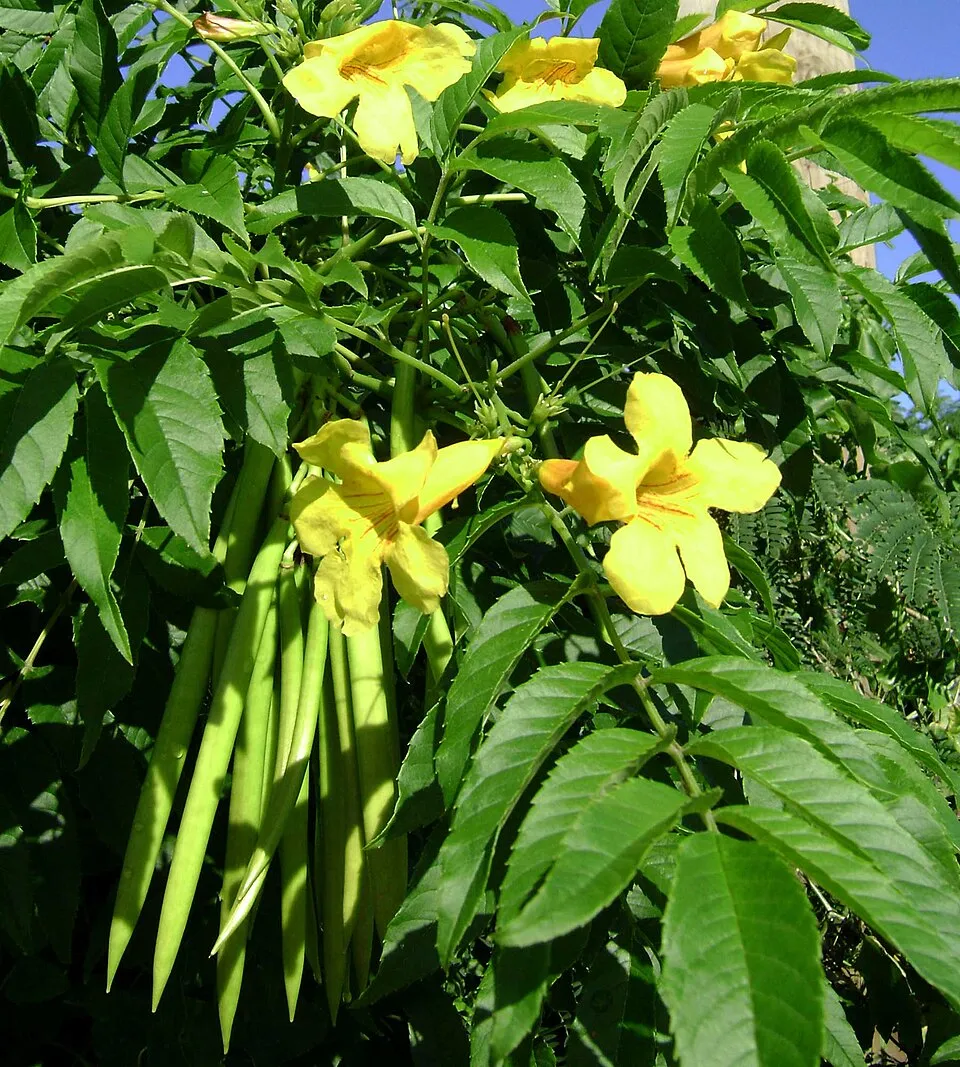
Tecoma stans, widely recognized as Yellow Bells, Yellow Trumpetbush, or Esperanza, is a highly ornamental and resilient shrub or small tree belonging to the Bignoniaceae family. Native to a vast range spanning the Americas, from the southwestern United States (specifically Tecoma stans var. angustata being more cold and drought-tolerant) through Mexico and Central America, extending into South America and the Caribbean, this plant is celebrated for its spectacular floral displays.
It typically attains a height of 3 to 9 feet in its native shrub form, though more tropical varieties can grow taller. Its striking clusters of bright yellow, trumpet-shaped flowers bloom profusely from spring through autumn, often persisting into winter in warmer, frost-free regions, creating a vibrant spectacle. The foliage consists of pinnately compound leaves with distinctively serrated leaflets, providing an attractive backdrop to the abundant blooms.
Following flowering, it produces elongated, slender seed pods that resemble thin beans. Tecoma stans is highly valued in horticulture for its adaptability, drought tolerance once established, and its ability to thrive in full sun, making it an excellent choice for xeriscaping, garden borders, and as a specimen plant. Beyond its aesthetic appeal, it plays an ecological role by attracting various pollinators, including bees and hummingbirds, enriching biodiversity in its growing environments.
Trusted Scientific References
1. Authoritative external sources for Tecoma stans
1.1 Wikipedia — Tecoma stans
1.2 Kew POWO (Plants of the World Online)
1.3 PubMed — peer-reviewed research
1.4 NCBI Taxonomy Browser
1.5 GBIF — Global Biodiversity
1.6Tecoma Stans should be interpreted through verified botanical identity, practical care, and responsible safety language. This recovery note adds the missing context needed for a complete profile: match light to the plant's habit, use well-drained soil, water according to season, and avoid unsupported medicinal or edible claims. For publishing, the plant can be presented as a source-backed garden plant with clear care guidance, common problem diagnosis, and conservative safety wording.
1.1.Tecoma Stans — Defining Traits
- ✓Common Names — Yellow Bells, Esperanza, Yellow Trumpetbush, Yellow Trumpetflower.
- ✓Botanical Family — Bignoniaceae, known for showy, trumpet-shaped flowers.
- ✓Native Range — Extensive distribution across the Americas, from SW US to Argentina.
- ✓Floral Display — Produces abundant clusters of bright yellow, trumpet-shaped flowers.
- ✓Medicinal Uses — Traditional applications for diabetes, fevers, and gastrointestinal ailments.
- ✓Key Phytochemicals — Contains iridoid glycosides (tecomin), alkaloids (tecomanine), and flavonoids.
- ✓Ecological Role — Attracts important pollinators like bees and hummingbirds.
- ✓Cultivation — Highly adaptable, drought-tolerant, and prefers full sun.
- ✓Growth Habit — Can be grown as a shrub or small tree, reaching varying heights.
- ✓Traditional Significance — Holds a long history in Central and South American folk medicine.
1.2.Tecoma Stans — Snapshot Summary
- ✓Vibrant ornamental shrub known as Yellow Bells or Esperanza, native to the Americas.
- ✓Traditionally utilized for managing diabetes, digestive issues, and skin conditions.
- ✓Rich in active phytochemicals including iridoid glycosides, alkaloids, and flavonoids.
- ✓Exhibits notable hypoglycemic, anti-inflammatory, and antimicrobial properties.
- ✓A resilient, drought-tolerant plant thriving in full sun, attracting pollinators.
- ✓Requires careful consideration due to potential drug interactions and blood sugar lowering effects.
2.Tecoma Stans — Taxonomic Classification
3.Tecoma Stans — Quick Facts
4.Tecoma Stans — Structural Profile
5.Tecoma Stans — Where It Grows
6.Tecoma Stans — Historical Applications
7.Tecoma Stans — Bioactive Constituents
- ✓Iridoid Glycosides — Key compounds like tecomin, tecomanine, and tecostanin are responsible for significant hypoglycemic and anti-inflammatory activities within Tecoma stans.
- ✓Alkaloids — Tecomanine is a prominent alkaloid identified, contributing to the plant's pharmacological profile, including its potential effects on glucose metabolism.
- ✓Flavonoids — Compounds such as quercetin, luteolin, and kaempferol derivatives are present, acting as powerful antioxidants and contributing to the plant's anti-inflammatory and cardioprotective properties.
- ✓Phenolic Acids — Caffeic acid and ferulic acid are examples of phenolic acids found, known for their robust antioxidant and anti-inflammatory capabilities.
- ✓Saponins — Various steroidal and triterpenoid saponins contribute to the plant's diuretic effects and may also possess hypocholesterolemic potential.
- ✓Tannins — Both hydrolyzable and condensed tannins are present, imparting astringent properties, contributing to antimicrobial action, and aiding in wound healing.
- ✓Terpenoids — A diverse group of diterpenes and triterpenes are found, exhibiting a range of biological activities including anti-inflammatory and potential anticarcinogenic effects.
- ✓Volatile Oils — Minor constituents that contribute to the plant's characteristic aroma and may possess some mild antimicrobial or insecticidal properties.
- ✓Carbohydrates — Including mucilage, which offers soothing properties, particularly for the gastrointestinal tract and irritated mucous membranes.
- ✓Glycosides — Beyond iridoids, other glycosides are present that may contribute to the plant's overall therapeutic actions.
8.Tecoma Stans — Research Insights
- ✓Hypoglycemic Effects — Research indicates that Tecoma stans may help lower blood glucose levels, potentially by enhancing insulin sensitivity and reducing glucose absorption, making it a subject of interest for diabetes management.
- ✓Diuretic Properties — Traditionally, extracts have been used to promote urine production, assisting in fluid balance and potentially supporting kidney function in cases of edema.
- ✓Anti-inflammatory Action — The plant contains compounds that exhibit anti-inflammatory effects, offering potential relief for various inflammatory conditions, both internally and when applied topically.
- ✓Antimicrobial Activity — Extracts have demonstrated inhibitory effects against certain bacteria and fungi, suggesting utility in traditional wound healing and combating minor infections.
- ✓Digestive Aid — Historically employed to alleviate gastrointestinal discomfort, including indigestion, stomach pain, and general digestive upset.
- ✓Antioxidant Support — Rich in flavonoids and phenolic compounds, Tecoma stans provides antioxidant benefits, helping to neutralize free radicals and protect cells from oxidative stress.
- ✓Antipyretic Use — In traditional practices, infusions from the leaves or bark were used to reduce fevers, providing symptomatic relief.
- ✓Wound Healing — Topical application of poultices or washes from Tecoma stans has been traditionally used to promote the healing of skin conditions and minor wounds, attributed to its antimicrobial and anti-inflammatory properties.
- ✓Hepatoprotective Potential — Emerging studies suggest possible protective effects on the liver, although more research is needed to fully understand this mechanism.
- ✓Analgesic Effects — Due to its anti-inflammatory properties, the plant may contribute to pain relief, particularly in conditions involving inflammation.
8.1.Tecoma Stans — Conditions Traditionally Used For
9.Tecoma Stans — Risk Profile
9.1.Tecoma Stans — Possible Adverse Reactions
- ✓Hypoglycemia — May cause blood sugar levels to drop too low, especially when combined with antidiabetic medications, requiring careful monitoring.
- ✓Gastrointestinal Upset — Some individuals may experience nausea, vomiting, diarrhea, or stomach cramps, particularly with high doses.
- ✓Allergic Reactions — Potential for skin rashes, itching, or other hypersensitivity reactions in susceptible individuals.
- ✓Drug Interactions — Can potentiate the effects of antidiabetic drugs, diuretics, and hypotensive medications, leading to adverse outcomes.
- ✓Liver/Kidney Concerns — Although not definitively established, prolonged use of high doses might theoretically impact liver or kidney function; caution is advised.
- ✓Hypotension — May contribute to a reduction in blood pressure, which could be problematic for individuals already on blood pressure-lowering medications.
- ✓Pregnancy & Lactation — Insufficient safety data exists, hence its use is generally contraindicated during pregnancy and breastfeeding.
9.2.Tecoma Stans — Safety Overview
- ✓Consult Healthcare Professional — Always seek advice from a qualified healthcare provider before using Tecoma stans, especially if managing chronic conditions or taking other medications.
- ✓Monitor Blood Glucose — Individuals with diabetes must closely monitor blood glucose levels if using this plant, due to its significant hypoglycemic potential.
- ✓Avoid in Pregnancy & Lactation — Due to the lack of comprehensive safety studies, Tecoma stans is not recommended for use by pregnant or breastfeeding women.
- ✓Pediatric Use — Safety and efficacy in children have not been established; therefore, its use in pediatric populations should be avoided.
- ✓Discontinue if Adverse Reactions — Cease use immediately if any signs of allergic reactions, severe gastrointestinal upset, or other adverse effects occur.
- ✓Not for Self-Medication — Especially for serious health conditions like diabetes, medical supervision is crucial to ensure appropriate dosage and mitigate risks.
- ✓Adhere to Dosages — Strictly follow recommended dosages from a qualified practitioner or reliable source to minimize the risk of potential side effects and toxicity.
10.Tecoma Stans — Application Forms
- ✓Decoction — Prepare a decoction by simmering dried bark or roots in water for 15-20 minutes; traditionally used for its hypoglycemic and diuretic properties.
- ✓Infusion — Steep dried leaves or flowers in hot water for 5-10 minutes to make a tea, commonly consumed for digestive issues or as a febrifuge.
- ✓Tincture — Create an alcohol-based extract using fresh or dried plant parts; this concentrated form is suitable for internal use, with dosage adjusted by a herbalist.
- ✓Topical Poultice — Crush fresh leaves to form a paste and apply directly to skin conditions, wounds, or areas of inflammation for localized relief and healing.
- ✓Standardized Extracts — Utilize commercially available capsules or liquid extracts, ensuring adherence to manufacturer's or healthcare professional's dosage recommendations.
- ✓Gargle/Mouthwash — An infusion or diluted decoction can be used as a gargle for sore throats or as a mouthwash for oral hygiene, leveraging its antimicrobial properties.
- ✓Compresses — Soak a clean cloth in a warm decoction and apply as a compress to reduce localized swelling, pain, or discomfort.
- ✓Culinary Use — While primarily medicinal, some traditional cultures have integrated young leaves into minor culinary preparations, though this is less common and requires careful identification.
11.Tecoma Stans — Propagation & Care
- ✓Sunlight — Thrives best in full sun exposure, requiring at least 6-8 hours of direct sunlight daily for optimal flowering and growth.
- ✓Soil — Prefers well-draining soil, adaptable to a variety of soil types including sandy, loamy, or clay, with a slightly acidic to neutral pH (6.0-7.5).
- ✓Watering — Drought-tolerant once established, but young plants require regular watering. Mature plants benefit from occasional deep watering, especially during prolonged dry periods.
- ✓Temperature & Hardiness — Best suited for USDA Zones 8-11, tolerating warm, tropical, and subtropical climates. Some varieties, like T. stans var. angustata, show increased cold tolerance.
- ✓Propagation — Can be propagated easily from seeds, which require light for germination, or from semi-hardwood cuttings taken during the warmer months.
- ✓Fertilization — Generally low-maintenance. A balanced slow-release fertilizer can be applied in spring to encourage vigorous growth and abundant blooms, though often not strictly necessary.
- ✓Pruning — Prune to maintain desired shape, remove dead or damaged branches, and encourage bushier growth and more prolific flowering, typically after the main bloom cycle.
- ✓Pests & Diseases — Relatively pest-free; occasional issues might include aphids or spider mites, which can be managed with organic pest control methods.
Reviewed by the Flora Medical Global Botanical Review Panel
Multi-disciplinary editorial group · Botany · Ethnobotany · Herbal-medicine literature
Who reviewed this: This page was checked by the Flora Medical Global Botanical Review Panel — an in-house editorial group of botany graduates, ethnobotany researchers, and horticulture practitioners who collectively maintain our 7,000+ plant encyclopedia. Meet the team.
Our 4-step verification process
1. Taxonomic verification
Scientific names and synonyms cross-checked against Kew POWO, World Flora Online, and The Plant List.
2. Phytochemical & medicinal cross-reference
Active compounds, traditional uses, and reported activities are cross-referenced with PubMed, USDA Dr. Duke's database, and peer-reviewed ethnobotanical literature.
3. Conservation & distribution check
Distribution, ecology, and conservation status confirmed against GBIF occurrence records and the IUCN Red List.
4. Editorial & safety review
Every entry passes an editorial pass for clarity, originality, and safety notices (toxicity, contraindications, dosage caveats) before publication.
Last reviewed:
Important medical disclaimer: This content is for educational and research purposes only. It is not medical advice and is not a substitute for consultation with a licensed healthcare provider. Do not use any herb to self-treat a medical condition without professional guidance.
Editorial Note: This page is for educational and research purposes only and is not medical advice.
Written by: Flora Medical Global Editorial Team
Reviewed by: Flora Medical Global Botanical Review Panel
Last Updated: June 15, 2026





Tecoma Stans — Comments & Community Reviews
Rate this plant