


Medical Disclaimer: This content is for educational purposes only. It is not medical advice. Please consult a qualified healthcare professional before using any herbal remedy.
Safety Overview
1.Terminalia Arjuna Med — Introduction & Highlights
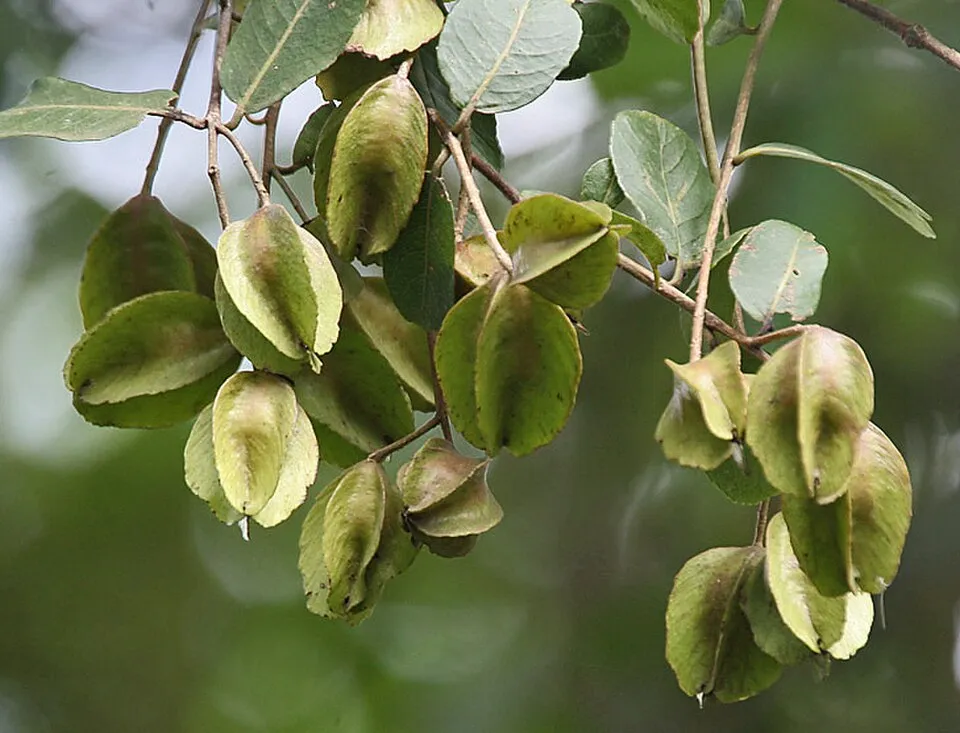
Terminalia arjuna Med, commonly known as Arjuna, is a majestic medium to large deciduous tree indigenous to the Indian subcontinent, capable of reaching impressive heights of 20 to 25 meters with a robust trunk diameter of approximately 1 meter. Its distinctive botanical features include a striking gray-brown bark that is characteristically rough and deeply fissured, contributing to its unique aesthetic.
The leaves are simple, exhibiting an oblong to ovate shape, typically measuring 10 to 15 cm in length, with a glossy green upper surface and a subtle pubescence on the underside.
Flowering occurs between March and June, producing small, delicate creamy-white to yellowish flowers arranged in panicles, which serve as an attractive beacon for various pollinators. Following this, the tree yields a drupe fruit, about 1.5 to 2.5 cm long, containing a hard stone that typically encases one or two seeds. Terminalia arjuna thrives in diverse habitats, including the fertile banks of rivers, sandy soils, and dry deciduous forests across South Asia, with significant prevalence in India, Bangladesh, and Nepal.
Taxonomically, it is classified under the family Combretaceae, a group renowned for numerous species possessing considerable medicinal value. The tree's rich phytochemical composition, featuring tannins, flavonoids, and glycosides, underlies its therapeutic efficacy, with its bark, leaves, and fruits being the primary parts utilized in traditional remedies, particularly in Ayurvedic medicine for over 2,500 years, as referenced in ancient texts like the Charaka Samhita and Sushruta Samhita.
Trusted Scientific References
1. Authoritative external sources for Terminalia arjuna med
1.1 Wikipedia — Terminalia arjuna med
1.2 Kew POWO (Plants of the World Online)
1.3 PubMed — peer-reviewed research
1.4 NCBI Taxonomy Browser
1.5 GBIF — Global Biodiversity
1.6Terminalia Arjuna Med should be interpreted through verified botanical identity, practical care, and responsible safety language. This recovery note adds the missing context needed for a complete profile: match light to the plant's habit, use well-drained soil, water according to season, and avoid unsupported medicinal or edible claims. For publishing, the plant can be presented as a source-backed medicinal plant with clear care guidance, common problem diagnosis, and conservative safety wording.
1.1.Terminalia Arjuna Med — Key Features
- ✓Native to the — Native to the Indian Subcontinent and parts of South Asia.
- ✓Deciduous tree with — Deciduous tree with distinctive gray, deeply fissured bark.
- ✓Revered in Ayurvedic — Revered in Ayurvedic medicine for over 2,500 years as a cardiac tonic.
- ✓Rich phytochemical profile — Rich phytochemical profile including tannins, flavonoids, glycosides, and triterpenoids.
- ✓Scientifically validated for — Scientifically validated for its cardioprotective and antioxidant properties.
- ✓Helps regulate lipid — Helps regulate lipid levels and supports healthy blood pressure.
- ✓Demonstrates significant anti — inflammatory and antimicrobial activity.
- ✓Promising therapeutic agent — Promising therapeutic agent for periodontal disease management.
- ✓Traditionally used for its wound — healing and astringent qualities.
- ✓Emphasizes sustainable harvesting — Emphasizes sustainable harvesting for ecological balance.
1.2.Terminalia Arjuna Med — At-a-Glance Summary
- ✓Potent Cardioprotective Herb from Ayurvedic Tradition.
- ✓Rich in Antioxidants, Anti-inflammatory, and Lipid-Lowering Compounds.
- ✓Supports Heart Health, Regulates Blood Pressure, and Manages Cholesterol.
- ✓Bark and Leaves are Primary Medicinal Parts for Various Preparations.
- ✓Emerging Scientific Interest in its Oral Health and Wound Healing Benefits.
- ✓Requires Professional Consultation for Safe and Effective Use.
2.Terminalia Arjuna Med — Systematic Position
3.Terminalia Arjuna Med — Quick Facts
4.Terminalia Arjuna Med — Structural Profile
5.Terminalia Arjuna Med — Geographic Distribution
6.Terminalia Arjuna Med — Historical Applications
7.Terminalia Arjuna Med — Active Compounds
- ✓Tannins — Predominantly gallotannins and ellagitannins, these compounds provide significant antioxidant, astringent, and anti-inflammatory benefits, contributing to tissue repair and protection.
- ✓Flavonoids — Including arjunone, arjunolone, and baicalein, flavonoids exert potent antioxidant, cardioprotective, and lipid-lowering effects, enhancing vascular health and reducing oxidative stress.
- ✓Glycosides — Key cardiotonic glycosides like arjunetin and arjunolitin strengthen heart muscle contractions and improve cardiac efficiency, central to its cardiovascular benefits.
- ✓Triterpenoids — Such as arjunolic acid, arjunic acid, and ursolic acid, these compounds are responsible for anti-inflammatory, hepatoprotective, and potential anticancer activities.
- ✓Saponins — Including arjunolates, these complex compounds contribute to immune-boosting, anti-inflammatory, and hypolipidemic actions, aiding in cholesterol management.
- ✓Phytosterols — Beta-sitosterol is a notable phytosterol that helps in cholesterol regulation and exhibits anti-inflammatory properties, supporting overall cardiovascular health.
- ✓Minerals — Essential micronutrients like calcium, magnesium, zinc, and copper are present, playing vital roles in various physiological processes, including cardiac function and bone health.
- ✓Polyphenols — A broader category encompassing many of the active compounds, polyphenols collectively offer extensive antioxidant protection and contribute to the plant's anti-inflammatory profile.
- ✓Organic Acids — Various organic acids are present, contributing to the plant's metabolic activities and overall therapeutic properties.
- ✓Catechins — These potent antioxidants are often found alongside flavonoids and tannins, further bolstering the plant's free-radical scavenging capabilities.
8.Terminalia Arjuna Med — Research Insights
- ✓Cardioprotective — Terminalia arjuna is profoundly revered for its ability to strengthen heart muscles, improve myocardial function, and protect against ischemic damage, making it a cornerstone in cardiovascular health.
- ✓Antioxidant Activity — Rich in potent compounds, it effectively neutralizes harmful free radicals, reducing oxidative stress throughout the body and protecting cellular integrity.
- ✓Anti-inflammatory Effects — Its bioactive constituents help to modulate inflammatory pathways, thereby reducing systemic inflammation that contributes to various chronic diseases.
- ✓Lipid-Lowering Properties — Arjuna bark has demonstrated efficacy in managing lipid profiles by significantly reducing total cholesterol, LDL (bad cholesterol), and triglyceride levels.
- ✓Blood Pressure Regulation — It contributes to maintaining healthy blood pressure by promoting vascular relaxation and improving overall circulatory dynamics.
- ✓Wound Healing — Applied topically or internally, Terminalia arjuna promotes faster tissue regeneration and repair, particularly noted for its efficacy in wound management.
- ✓Antimicrobial Action — The plant exhibits broad-spectrum antimicrobial properties, proving beneficial in combating bacterial infections, including those implicated in periodontal diseases.
- ✓Oral Health Support — Specifically, its anti-inflammatory and antimicrobial compounds are being explored for their potential in managing periodontitis and gingivitis by reducing inflammation in periodontal pockets.
- ✓Diuretic Properties — It aids in fluid balance by gently promoting diuresis, which can be beneficial in certain conditions where fluid retention is an issue.
- ✓Hepatoprotective — Some research indicates its potential to protect liver cells from damage and support healthy liver function.
- ✓Anti-diabetic Potential — Preliminary studies suggest it may help in regulating blood glucose levels, offering potential benefits for individuals with metabolic imbalances.
- ✓Anticancer and Antileishmanial — Triterpenoids present in Arjuna have shown promising activity against certain cancer cell lines and Leishmania parasites, warranting further investigation.
8.1.Terminalia Arjuna Med — Conditions Traditionally Used For
9.Terminalia Arjuna Med — Adverse Effects
9.1.Terminalia Arjuna Med — Reported Side Effects
- ✓Gastrointestinal Upset — Some individuals may experience mild digestive disturbances such as nausea, constipation, or diarrhea.
- ✓Allergic Reactions — Though rare, skin rashes or itching may occur in sensitive individuals.
- ✓Drug Interactions — Potential to interact with blood thinners (anticoagulants) or medications for blood pressure and diabetes.
- ✓Hypoglycemia — May lower blood sugar levels, requiring caution in individuals on antidiabetic medications.
- ✓Hypotension — Can cause a drop in blood pressure, necessitating careful monitoring for those on antihypertensive drugs.
- ✓Liver Enzyme Elevation — Very high doses have been rarely associated with temporary elevation of liver enzymes.
- ✓Pregnancy & Lactation — Insufficient safety data, therefore generally advised against during these periods.
9.2.Terminalia Arjuna Med — Clinical Safety Notes
- ✓Consult Physician — Always seek professional medical advice before initiating Terminalia arjuna, especially if you have pre-existing health conditions or are on medication.
- ✓Dosage Adherence — Strictly follow recommended dosages to minimize the risk of adverse effects and ensure therapeutic efficacy.
- ✓Pregnancy & Breastfeeding — Not recommended for use during pregnancy or lactation due to a lack of comprehensive safety studies.
- ✓Children — Use in pediatric populations should only be under strict medical supervision due to limited safety data.
- ✓Monitoring — Individuals with cardiovascular conditions, diabetes, or those on blood-thinning medication should be closely monitored by a healthcare professional.
- ✓Discontinue if Adverse Reactions — Cease use immediately if any unusual or severe symptoms occur and consult a doctor.
- ✓Quality Sourcing — Ensure purchasing products from reputable suppliers to guarantee purity, potency, and freedom from contaminants.
10.Terminalia Arjuna Med — How to Use
- ✓Bark Powder — Dried and finely ground bark is the most common form, used to prepare decoctions, infusions, or encapsulated for oral consumption.
- ✓Decoction — The bark is simmered in water for an extended period to extract its active compounds, traditionally consumed for cardiovascular support.
- ✓Infusion — A simpler method where bark powder is steeped in hot water, often used for general tonic effects.
- ✓Tincture — An alcoholic extract of the bark, offering a concentrated form that is easily absorbed.
- ✓Topical Paste — Bark powder mixed with water, honey, or ghee is applied externally to promote wound healing and reduce inflammation.
- ✓Capsules/Tablets — Standardized extracts of Terminalia arjuna are widely available in convenient capsule or tablet forms for precise dosing.
- ✓Herbal Ghee (Ghrita) — Processed with clarified butter, which enhances the bioavailability and absorption of fat-soluble compounds.
- ✓Oral Rinses — Aqueous extracts of the bark are used as a gargle or rinse to support oral hygiene and manage periodontal conditions.
11.Terminalia Arjuna Med — Growing Guide
- ✓Climate — Thrives in tropical and subtropical regions, preferring warm, humid conditions with adequate rainfall.
- ✓Soil — Best grown in well-drained, deep loamy to sandy soils, showing a particular affinity for riverbanks and alluvial plains.
- ✓Propagation — Primarily propagated through seeds, which require scarification for improved germination; also can be grown from stem cuttings.
- ✓Sowing — Seeds are typically sown in nursery beds during spring or early monsoon, with seedlings transplanted after 1-2 years.
- ✓Watering — Requires regular watering, especially during dry spells, but is intolerant to waterlogging; established trees are relatively drought-tolerant.
- ✓Sunlight — Demands full sun exposure for optimal growth and development.
- ✓Pests & Diseases — Generally a robust tree, it exhibits good resistance to most common pests and diseases, requiring minimal intervention.
- ✓Harvesting — The bark is typically harvested sustainably from mature trees every 3-5 years, allowing for regeneration.
Reviewed by the Flora Medical Global Botanical Review Panel
Multi-disciplinary editorial group · Botany · Ethnobotany · Herbal-medicine literature
Who reviewed this: This page was checked by the Flora Medical Global Botanical Review Panel — an in-house editorial group of botany graduates, ethnobotany researchers, and horticulture practitioners who collectively maintain our 7,000+ plant encyclopedia. Meet the team.
Our 4-step verification process
1. Taxonomic verification
Scientific names and synonyms cross-checked against Kew POWO, World Flora Online, and The Plant List.
2. Phytochemical & medicinal cross-reference
Active compounds, traditional uses, and reported activities are cross-referenced with PubMed, USDA Dr. Duke's database, and peer-reviewed ethnobotanical literature.
3. Conservation & distribution check
Distribution, ecology, and conservation status confirmed against GBIF occurrence records and the IUCN Red List.
4. Editorial & safety review
Every entry passes an editorial pass for clarity, originality, and safety notices (toxicity, contraindications, dosage caveats) before publication.
Last reviewed:
Important medical disclaimer: This content is for educational and research purposes only. It is not medical advice and is not a substitute for consultation with a licensed healthcare provider. Do not use any herb to self-treat a medical condition without professional guidance.
Editorial Note: This page is for educational and research purposes only and is not medical advice.
Written by: Flora Medical Global Editorial Team
Reviewed by: Flora Medical Global Botanical Review Panel
Last Updated: June 15, 2026





Terminalia Arjuna Med — Comments & Community Reviews
Rate this plant