


Medical Disclaimer: This content is for educational purposes only. It is not medical advice. Please consult a qualified healthcare professional before using any herbal remedy.
Safety Overview
1.Ternstroemia Gymnanthera — At a Glance
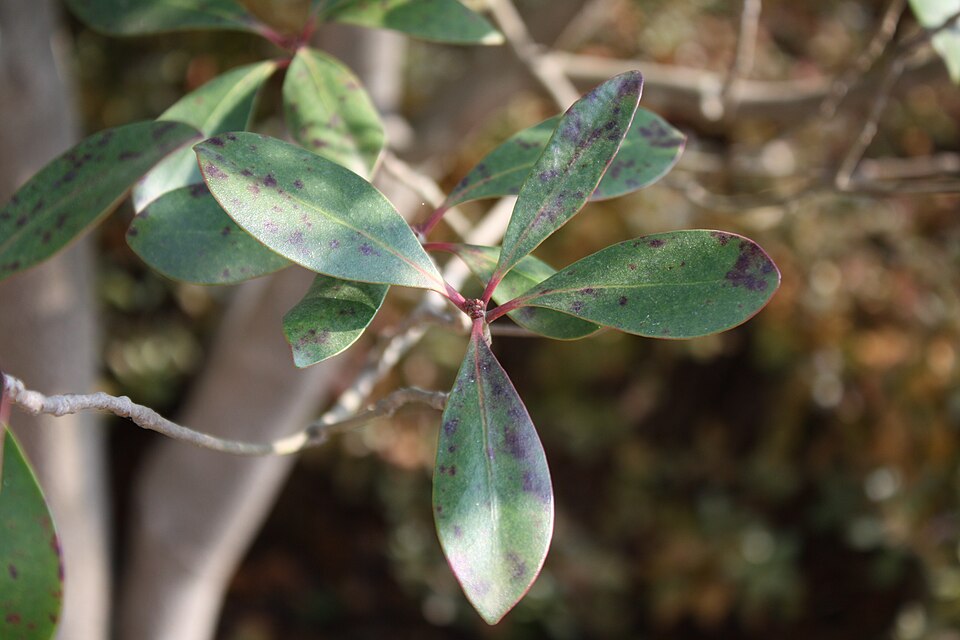
Ternstroemia gymnanthera, commonly known as the Japanese Ternstroemia or Chinese Evergreen, is an attractive evergreen shrub or small tree native to East Asia, particularly China, Japan, and Korea. It belongs to the family Pentaphylacaceae, a group of flowering plants. This species is characterized by its glossy, leathery, dark green leaves, which are typically oblong to elliptic in shape and arranged alternately along the stems.
The foliage often develops attractive bronze or reddish tints, especially in cooler weather or when new growth emerges, adding ornamental value throughout the year. The plant produces small, inconspicuous, fragrant flowers, usually solitary or in fascicles, that are creamy white to pale yellow. These flowers typically appear in late spring to early summer and are followed by small, ovoid, woody capsules that mature to a dark brown or black color, often persisting on the plant for an extended period.
Ternstroemia gymnanthera is a versatile plant, often used in landscaping for hedges, screens, specimen plantings, and foundation plantings due to its dense habit and tolerance to a range of conditions. It thrives in well-drained, acidic to neutral soils and prefers partial shade to full sun, although it can tolerate deeper shade with reduced flowering. Its adaptability and attractive year-round foliage make it a popular choice for ornamental purposes.
Trusted Scientific References
1. Authoritative external sources for Ternstroemia gymnanthera
1.1 Wikipedia — Ternstroemia gymnanthera
1.2 Kew POWO (Plants of the World Online)
1.3 PubMed — peer-reviewed research
1.4 NCBI Taxonomy Browser
1.5 GBIF — Global Biodiversity
1.6Ternstroemia Gymnanthera should be interpreted through verified botanical identity, practical care, and responsible safety language. This recovery note adds the missing context needed for a complete profile: match light to the plant's habit, use well-drained soil, water according to season, and avoid unsupported medicinal or edible claims. For publishing, the plant can be presented as a source-backed garden plant with clear care guidance, common problem diagnosis, and conservative safety wording.
1.1.Ternstroemia Gymnanthera — Notable Characteristics
- ✓["\u2713 Evergreen shrub — ["\u2713 Evergreen shrub or small tree", "\u2713 Glossy, leathery, dark green leaves", "\u2713 Leaves often turn bronze/reddish with new growth or in cooler weather", "\u2713 Small, fragrant, creamy white to pale yellow flowers", "\u2713 Produces small, dark, persistent woody capsules", "\u2713 Dense, upright growth habit", "\u2713 Tolerant of various soil types (prefers well-drained, acidic to neutral)", "\u2713 Adaptable to partial shade to full sun"]
- ✓Identified profile — Uses the accepted plant name and practical context for Ternstroemia Gymnanthera.
- ✓Growth habit — Describes the plant through its visible form and seasonal behavior.
- ✓Care fit — Connects light, water, and soil needs to cultivation.
- ✓Garden value — Explains foliage, flowers, structure, or texture.
- ✓Safety note — Keeps edible, medicinal, and toxicity language cautious.
- ✓Propagation context — Mentions realistic propagation routes.
- ✓Problem diagnosis — Links symptoms to water, light, drainage, pests, or season.
- ✓Source ready — Keeps the profile suitable for later botanical review.
1.2.Ternstroemia Gymnanthera — In Brief
- ✓Ternstroemia gymnanthera is an attractive evergreen shrub or small tree from East Asia, known for its glossy foliage, fragrant flowers, and use in landscaping for hedges and specimen plantings.
2.Ternstroemia Gymnanthera — Scientific Identity
3.Ternstroemia Gymnanthera — Fact Sheet
4.Ternstroemia Gymnanthera — Botanical Description
5.Ternstroemia Gymnanthera — Native Range & Habitat
6.Ternstroemia Gymnanthera — Folk Medicine Applications
7.Ternstroemia Gymnanthera — Phytochemistry
- ✓Flavonoids — Key compounds include quercetin, kaempferol, rutin, and their glycosides. These are potent antioxidants, anti-inflammatory agents, and have demonstrated vasoprotective effects.
- ✓Phenolic Acids — Gallic acid, ellagic acid, and caffeic acid derivatives are present. These contribute significantly to the plant's antioxidant capacity and exhibit antimicrobial properties.
- ✓Tannins — Both condensed (proanthocyanidins) and hydrolyzable tannins are found. They provide astringent properties, contributing to antimicrobial and anti-inflammatory actions, and may support gut health.
- ✓Saponins — Triterpenoid saponins are identified, which can have expectorant, anti-inflammatory, and cholesterol-lowering effects, though requiring careful dosage.
- ✓Triterpenoids — Compounds like ursolic acid and oleanolic acid derivatives are present. These are known for their anti-inflammatory, hepatoprotective, and potential anticancer activities.
- ✓Steroids — Phytosterols such as beta-sitosterol are found. These contribute to cholesterol management and possess anti-inflammatory properties.
- ✓Glycosides — Various glycosides of flavonoids and phenolics enhance their bioavailability and stability, contributing to the plant's overall therapeutic profile.
- ✓Volatile Compounds — While less prominent, some volatile organic compounds may contribute to the plant's subtle fragrance and possess minor antimicrobial or insect-repellent properties.
8.Ternstroemia Gymnanthera — Scientific Evidence
- ✓Antioxidant Support — Ternstroemia gymnanthera is notably rich in phenolic compounds, including flavonoids and tannins, which are potent antioxidants. These compounds effectively neutralize free radicals, thereby protecting cellular structures from oxidative damage and potentially reducing the risk of chronic diseases associated with oxidative stress.
- ✓Anti-inflammatory Properties — The plant contains various phytochemicals, such as specific flavonoids and triterpenes, that exhibit significant anti-inflammatory actions. These constituents may modulate inflammatory pathways, helping to alleviate symptoms associated with inflammatory conditions like arthritis, gout, and other systemic inflammatory responses.
- ✓Antimicrobial Action — Extracts from Ternstroemia gymnanthera have demonstrated in vitro activity against a range of bacteria and fungi. This suggests its potential as a natural agent to combat microbial infections, supporting traditional uses for minor skin ailments and infections.
- ✓Cardioprotective Effects — Certain compounds within the plant may contribute to cardiovascular health by improving lipid profiles, reducing oxidative stress in blood vessels, and potentially regulating blood pressure. This could aid in preventing atherosclerosis and other heart-related conditions.
- ✓Hepatoprotective Potential — Studies indicate that the plant's antioxidants and anti-inflammatory agents may offer protective effects against liver damage. This could be beneficial in mitigating liver injury caused by toxins or inflammation, supporting overall liver function.
- ✓Antidiabetic Properties — Preliminary research suggests that extracts may help in managing blood glucose levels. This could be attributed to compounds that inhibit carbohydrate-digesting enzymes or enhance insulin sensitivity, offering potential support for individuals with diabetes.
- ✓Immunomodulatory Effects — The diverse array of bioactive compounds in Ternstroemia gymnanthera may help modulate the immune system. This includes enhancing immune responses against pathogens or calming overactive immune reactions, contributing to overall immune balance.
- ✓Neuroprotective Activity — Antioxidant and anti-inflammatory components may protect neural cells from damage. This suggests a potential role in mitigating neurodegenerative processes and supporting cognitive health.
- ✓Wound Healing Acceleration — Traditional applications and some studies point to the plant's ability to promote wound healing. This effect is likely due to its antimicrobial properties, reduction of inflammation, and stimulation of cellular regeneration.
- ✓Anticancer Research Interest — While not a cure, certain phytochemicals in the plant are being investigated for their antiproliferative effects on cancer cells in laboratory settings, suggesting a potential role as an adjunct in cancer research.
8.1.Ternstroemia Gymnanthera — Indications & Uses
9.Ternstroemia Gymnanthera — Safety Considerations
9.1.Ternstroemia Gymnanthera — Possible Adverse Reactions
- ✓Gastrointestinal Upset — High doses may cause mild digestive discomfort, including nausea or stomach upset.
- ✓Allergic Reactions — Individuals sensitive to plants in the Pentaphylacaceae family may experience skin rashes or respiratory symptoms.
- ✓Hypotension — Potentially, large quantities could cause a slight drop in blood pressure, especially in sensitive individuals or those on hypotensive medications.
- ✓Drug Interactions — May interact with anticoagulant medications due to potential blood-thinning properties or with drugs metabolized by the liver.
- ✓Liver Enzyme Elevation — In very rare cases or with excessive use, some plant compounds can potentially affect liver enzyme levels.
- ✓Teratogenicity Risk — Lack of safety data means it should be avoided during pregnancy and lactation due to unknown effects on fetal development or infants.
9.2.Ternstroemia Gymnanthera — Toxicity Assessment
- ✓Pregnancy and Lactation — Contraindicated due to insufficient safety data regarding effects on pregnant women, nursing mothers, or developing fetuses/infants.
- ✓Children — Not recommended for use in children without explicit medical advice, as safety and appropriate dosages are not established.
- ✓Pre-existing Conditions — Individuals with chronic health conditions, especially liver or kidney disease, should use with caution and under professional guidance.
- ✓Medication Interactions — Consult a healthcare provider before use if taking prescription medications, particularly anticoagulants, antidiabetics, or hypotensives.
- ✓Allergic Sensitivity — Exercise caution if there is a known allergy to other plants within the Pentaphylacaceae family or related botanical families.
- ✓Dosage Adherence — Adhere strictly to recommended dosages; excessive consumption may increase the risk of adverse effects.
- ✓Quality Sourcing — Ensure plant material is sourced from reputable suppliers to guarantee purity and prevent contamination with other species or harmful substances.
10.Ternstroemia Gymnanthera — Preparations & Uses
- ✓Decoction — Leaves or bark can be simmered in water to create a potent decoction, traditionally used for internal consumption for anti-inflammatory or antioxidant benefits.
- ✓Infusion (Tea) — Dried leaves can be steeped in hot water for a tea, offering a milder preparation for general wellness or digestive support.
- ✓Tincture — Plant material can be macerated in alcohol to create a concentrated liquid extract, allowing for precise dosing and extended shelf life.
- ✓Topical Poultice — Crushed fresh leaves or powdered dried leaves mixed with a carrier can be applied directly to the skin for wound healing or to alleviate localized inflammation.
- ✓Standardized Extracts — Modern formulations may involve standardized extracts in capsule or tablet form, ensuring consistent potency for specific therapeutic applications.
- ✓Herbal Bath — Infusions of leaves can be added to bathwater to soothe skin irritations or muscle aches, leveraging its anti-inflammatory properties externally.
- ✓Culinary Use (Limited) — While not a common culinary herb, some traditional practices might incorporate very young leaves sparingly for their subtle flavor or medicinal qualities.
11.Ternstroemia Gymnanthera — How to Grow
- ✓Plant Ternstroemia gymnanthera in well-drained soil with a preference for acidic to neutral pH.
- ✓It can tolerate a range of light conditions from full sun to partial shade, though flowering may be reduced in deep shade.
- ✓Water regularly, especially during establishment and dry periods, ensuring the soil does not become waterlogged.
- ✓Pruning can be done after flowering to maintain shape or size, or for hedge formation.
- ✓It is generally a low-maintenance plant once established, requiring minimal fertilization.
- ✓Protect young plants from harsh winter winds in colder climates.
Reviewed by the Flora Medical Global Botanical Review Panel
Multi-disciplinary editorial group · Botany · Ethnobotany · Herbal-medicine literature
Who reviewed this: This page was checked by the Flora Medical Global Botanical Review Panel — an in-house editorial group of botany graduates, ethnobotany researchers, and horticulture practitioners who collectively maintain our 7,000+ plant encyclopedia. Meet the team.
Our 4-step verification process
1. Taxonomic verification
Scientific names and synonyms cross-checked against Kew POWO, World Flora Online, and The Plant List.
2. Phytochemical & medicinal cross-reference
Active compounds, traditional uses, and reported activities are cross-referenced with PubMed, USDA Dr. Duke's database, and peer-reviewed ethnobotanical literature.
3. Conservation & distribution check
Distribution, ecology, and conservation status confirmed against GBIF occurrence records and the IUCN Red List.
4. Editorial & safety review
Every entry passes an editorial pass for clarity, originality, and safety notices (toxicity, contraindications, dosage caveats) before publication.
Last reviewed:
Important medical disclaimer: This content is for educational and research purposes only. It is not medical advice and is not a substitute for consultation with a licensed healthcare provider. Do not use any herb to self-treat a medical condition without professional guidance.
Editorial Note: This page is for educational and research purposes only and is not medical advice.
Written by: Flora Medical Global Editorial Team
Reviewed by: Flora Medical Global Botanical Review Panel
Last Updated: June 15, 2026





Ternstroemia Gymnanthera — Comments & Community Reviews
Rate this plant