


Medical Disclaimer: This content is for educational purposes only. It is not medical advice. Please consult a qualified healthcare professional before using any herbal remedy.
Safety Overview
1.Thevetia — Overview
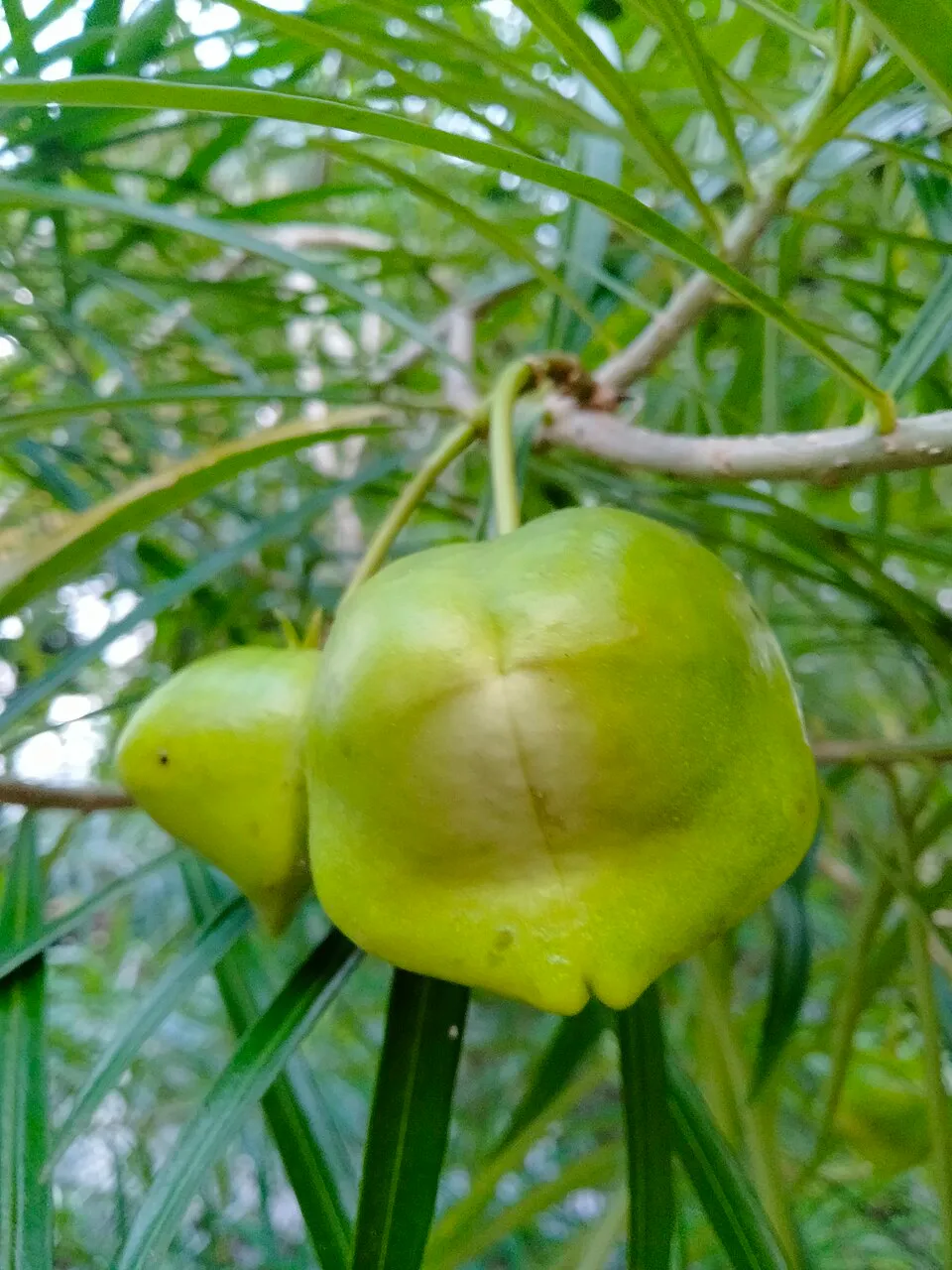
Cascabela thevetia, commonly known as Thevetia, Yellow Oleander, or Be-Still Tree, is an evergreen perennial shrub or small tree belonging to the Apocynaceae family. Native to the West Indies, Mexico, and parts of Central and South America, it typically attains a height of 2 to 4 meters, though it can reach up to 6 meters in its natural habitat, sometimes even 8-10 meters in optimal conditions. The plant is characterized by its distinctive glossy, lanceolate leaves, measuring approximately 10 to 20 cm in length and 5 to 8 cm in width, which are arranged alternately along the stem.
Its most prominent feature is the abundance of striking trumpet-shaped flowers, typically a vibrant yellow or occasionally orange, that bloom in clusters and can reach 5 to 8 cm in length, emitting a subtle fragrance. The bark is generally smooth and grayish-brown, becoming somewhat fissured with age. Following flowering, it produces unique, somewhat flattened, elongated, and narrow fruits, about 8 to 15 cm long, which contain several flat, black seeds.
This species thrives in tropical and subtropical climates, demonstrating resilience across various soil types but preferring well-drained, sandy or loamy substrates with ample sunlight. As a member of the Apocynaceae family, Thevetia shares the common characteristic of producing a milky white sap, which, like many plants in this family, is highly toxic.
Trusted Scientific References
1. Authoritative external sources for Cascabela thevetia
1.1 Wikipedia — Cascabela thevetia
1.2 Kew POWO (Plants of the World Online)
1.3 PubMed — peer-reviewed research
1.4 NCBI Taxonomy Browser
1.5 GBIF — Global Biodiversity
1.6Thevetia should be interpreted through verified botanical identity, practical care, and responsible safety language. This recovery note adds the missing context needed for a complete profile: match light to the plant's habit, use well-drained soil, water according to season, and avoid unsupported medicinal or edible claims. For publishing, the plant can be presented as a source-backed medicinal plant with clear care guidance, common problem diagnosis, and conservative safety wording.
1.1.Thevetia — Key Features
- ✓Evergreen Shrub/Small Tree — Maintains foliage year-round, offering consistent ornamental value.
- ✓Trumpet — Shaped Yellow Flowers — Distinctive, fragrant, and showy blooms, typically vibrant yellow.
- ✓Glossy Lanceolate Leaves — Dark green, elongated leaves providing an attractive backdrop.
- ✓Milky Toxic Sap — Characteristic of the Apocynaceae family, highly irritant and poisonous.
- ✓Cardiac Glycoside Rich — Contains potent compounds like thevetins that are cardiotoxic.
- ✓Ornamental Appeal — Widely planted in warm climates for its aesthetic qualities.
- ✓Drought Tolerant — Resilient in dry conditions once established, suitable for xeriscaping.
- ✓Native to Central America — Indigenous to Mexico, West Indies, and parts of Central and South America.
- ✓High Severity Poison — Classified as highly poisonous, especially the seeds.
- ✓Traditional Medicinal History — Used cautiously in traditional systems for various ailments.
1.2.Thevetia — Concise Overview
- ✓Cascabela thevetia is an ornamental but highly toxic plant.
- ✓Contains potent cardiac glycosides that affect heart function.
- ✓Traditionally used for skin issues, pain, and inflammation, but with extreme caution.
- ✓All parts, especially seeds and sap, are poisonous if ingested.
- ✓Requires strict medical supervision for any internal use, never for self-medication.
- ✓Primarily cultivated for its ornamental value in tropical and subtropical regions.
2.Thevetia — Systematic Position
3.Thevetia — Reference Facts
4.Thevetia — Plant Morphology
5.Thevetia — Habitat & Distribution
6.Thevetia — Cultural & Traditional Roles
7.Thevetia — Active Compounds
- ✓Cardiac Glycosides — Thevetin A, Thevetin B, Peruvoside, Neriifolin, Digitoxigenin, and Thevetoxin are potent cardiotonic steroids responsible for the plant's medicinal and toxic effects, influencing myocardial contractility.
- ✓Flavonoids — Quercetin and Kaempferol derivatives are present, contributing to antioxidant and anti-inflammatory activities.
- ✓Saponins — These compounds contribute to the plant's foaming properties and may have hemolytic or expectorant actions, depending on their specific structure.
- ✓Triterpenoids — Compounds like Ursolic acid and Oleanolic acid may be found, known for their anti-inflammatory, hepatoprotective, and anticancer potentials.
- ✓Alkaloids — While less prominent than cardiac glycosides, minor alkaloid components may contribute to its pharmacological profile.
- ✓Phenolic Acids — Gallic acid and caffeic acid are examples of phenolic compounds that provide antioxidant benefits.
- ✓Fatty Acids — The seeds are rich in various fatty acids, which can be extracted for industrial or nutritional purposes, though the seeds themselves are highly toxic.
- ✓Sterols — Beta-sitosterol and stigmasterol are plant sterols that may offer cholesterol-lowering and anti-inflammatory properties.
8.Thevetia — What Research Suggests
- ✓Anti-inflammatory Properties — Traditionally, Thevetia has been used to alleviate inflammation, particularly in Ayurvedic and Traditional Chinese Medicine, due to the presence of compounds that may modulate inflammatory pathways.
- ✓Analgesic Effects — Extracts from the leaves and roots are believed to possess pain-relieving qualities, historically applied to manage headaches and general body pain.
- ✓Antimicrobial Activity — The milky sap has been topically applied to wounds, with traditional beliefs suggesting it aids in preventing infection and promoting healing through its purported antibacterial and antifungal properties.
- ✓Skin Condition Management — In traditional systems like Ayurveda, various parts of the plant, especially the leaves and seeds, were utilized in formulations aimed at treating specific skin conditions.
- ✓Cardiotonic Action — The cardiac glycosides present in Cascabela thevetia are known to influence heart muscle contraction, a property that has been explored in highly controlled, modern pharmacological research for potential cardiac applications, though extremely dangerous for self-medication.
- ✓Antipyretic Potential — Some traditional practices indicate its use in reducing fever, suggesting compounds within the plant may possess fever-reducing capabilities.
- ✓Insecticidal Properties — The seeds and extracts have been investigated for their natural insecticidal activity, offering potential as a biopesticide due to the presence of toxic compounds.
- ✓Anthelmintic Use — Historically, the plant was employed to expel intestinal worms, leveraging its potent compounds to act against parasites, albeit with significant risk.
8.1.Thevetia — Conditions Traditionally Used For
9.Thevetia — Adverse Effects
9.1.Thevetia — Caution Notes
- ✓Cardiac Toxicity — Ingestion can lead to severe and potentially fatal cardiac arrhythmias, bradycardia, and heart block due to cardiac glycosides.
- ✓Gastrointestinal Distress — Common symptoms include nausea, vomiting, abdominal pain, and diarrhea upon ingestion.
- ✓Neurological Symptoms — May cause dizziness, drowsiness, confusion, and visual disturbances.
- ✓Skin Irritation — The milky sap can cause contact dermatitis, skin rashes, itching, and irritation upon direct contact.
- ✓Electrolyte Imbalance — Severe poisoning can lead to dangerous imbalances in potassium and other electrolytes.
- ✓Respiratory Distress — In extreme cases, respiratory depression and difficulty breathing can occur.
- ✓Fatal Outcomes — Even small doses, particularly of the seeds, can be lethal, especially in children.
9.2.Thevetia — Safety Overview
- ✓Extreme Toxicity — All parts of Cascabela thevetia, especially the seeds, are highly poisonous if ingested and can be fatal. Exercise extreme caution.
- ✓Not for Self-Medication — This plant should never be used for self-treatment due to its narrow therapeutic index and high toxicity.
- ✓Contraindications — Absolutely contraindicated in pregnancy, lactation, children, individuals with heart conditions, and those on cardiac medications.
- ✓Handling Precautions — Wear gloves when handling the plant, especially when pruning, to avoid contact with the milky sap which can cause skin irritation.
- ✓Keep Away from Children and Pets — Ensure the plant is inaccessible to children and pets, who are particularly vulnerable to its toxic effects.
- ✓Medical Supervision — Any traditional or therapeutic use must be strictly under the guidance of a highly qualified medical professional with expertise in toxic plants.
- ✓Emergency Protocol — In case of accidental ingestion, seek immediate emergency medical attention.
10.Thevetia — Application Forms
- ✓Traditional Topical Application — The milky sap was historically applied externally to wounds or skin conditions, always with extreme caution due to its irritant and toxic nature.
- ✓Decoctions for External Use — In some traditional systems, leaves or bark were prepared as decoctions for external washes for certain ailments, strictly avoiding ingestion.
- ✓Seed Oil Extraction — In controlled industrial settings, oil from the seeds may be extracted for non-medicinal uses, such as biofuel, due to its high toxicity.
- ✓Herbal Poultices — Crushed leaves or other plant parts were occasionally used in poultices for localized pain or inflammation, again with awareness of skin irritation.
- ✓Micro-dosing in Traditional Formulations — In highly specialized traditional medicine, extremely minute, carefully processed quantities of specific plant parts were sometimes included in complex multi-herb formulations, strictly under expert supervision.
- ✓Professional Formulation — Any medicinal use requires formulation and administration by highly trained medical herbalists or practitioners, never for self-medication.
- ✓NEVER for Internal Self-Medication — Due to extreme toxicity, no part of Cascabela thevetia should ever be ingested without explicit, professional medical guidance and supervision.
11.Thevetia — Growing Guide
- ✓Soil Preference — Thrives in well-drained, sandy or loamy soils; tolerates a range of soil types but avoids waterlogging.
- ✓Sun Exposure — Requires full sun to partial shade for optimal growth and flowering; prefers at least six hours of direct sunlight daily.
- ✓Watering Needs — Water regularly, allowing the soil to dry out between waterings; drought-tolerant once established.
- ✓Temperature and Climate — Best suited for tropical and subtropical regions (USDA Zones 8-11); frost-tender and requires protection in cooler climates.
- ✓Propagation — Can be propagated from seeds or semi-hardwood cuttings taken in late summer; seeds require scarification for better germination.
- ✓Pruning — Tolerates light pruning to shape the plant and remove spent blooms; best done after flowering in late summer to fall to encourage bushier growth and prevent seed formation.
- ✓Fertilization — Benefits from a balanced, slow-release fertilizer during the growing season, especially for container-grown plants.
- ✓Pest and Disease Management — Generally robust but can be susceptible to aphids, mealybugs, and scale insects; occasional leaf spot may occur, which should be removed.
Reviewed by the Flora Medical Global Botanical Review Panel
Multi-disciplinary editorial group · Botany · Ethnobotany · Herbal-medicine literature
Who reviewed this: This page was checked by the Flora Medical Global Botanical Review Panel — an in-house editorial group of botany graduates, ethnobotany researchers, and horticulture practitioners who collectively maintain our 7,000+ plant encyclopedia. Meet the team.
Our 4-step verification process
1. Taxonomic verification
Scientific names and synonyms cross-checked against Kew POWO, World Flora Online, and The Plant List.
2. Phytochemical & medicinal cross-reference
Active compounds, traditional uses, and reported activities are cross-referenced with PubMed, USDA Dr. Duke's database, and peer-reviewed ethnobotanical literature.
3. Conservation & distribution check
Distribution, ecology, and conservation status confirmed against GBIF occurrence records and the IUCN Red List.
4. Editorial & safety review
Every entry passes an editorial pass for clarity, originality, and safety notices (toxicity, contraindications, dosage caveats) before publication.
Last reviewed:
Important medical disclaimer: This content is for educational and research purposes only. It is not medical advice and is not a substitute for consultation with a licensed healthcare provider. Do not use any herb to self-treat a medical condition without professional guidance.
Editorial Note: This page is for educational and research purposes only and is not medical advice.
Written by: Flora Medical Global Editorial Team
Reviewed by: Flora Medical Global Botanical Review Panel
Last Updated: June 15, 2026





Thevetia — Comments & Community Reviews
Rate this plant