

Medical Disclaimer: This content is for educational purposes only. It is not medical advice. Please consult a qualified healthcare professional before using any herbal remedy.
Safety Overview
1.Thunbergia Erecta — Plant Snapshot
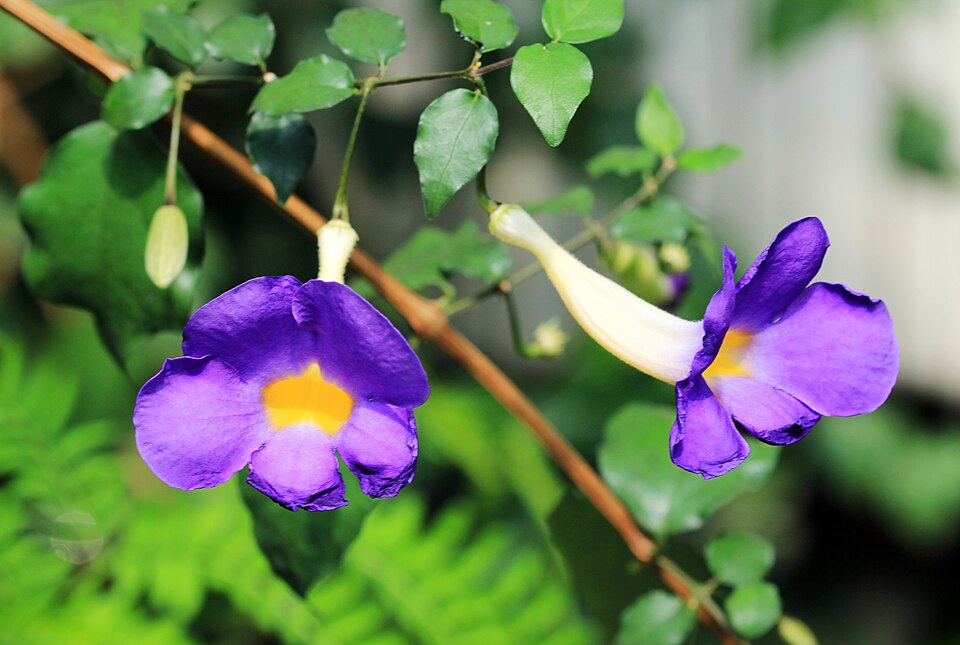
Thunbergia erecta, commonly known as the Bush Clockvine, King's Mantle, or Potato Bush, is a captivating evergreen shrub belonging to the Acanthaceae family. Native to the lush tropical regions of West Africa, this ornamental plant has gained global popularity for its striking aesthetic appeal and robust growth habit. Morphologically, it presents as a dense, upright to slightly sprawling shrub, typically reaching heights of 1 to 3 meters, though it can be trained as a climber or pruned to maintain a more compact form.
Its leaves are ovate to lanceolate, glossy dark green, and arranged oppositely along the stems, providing a verdant backdrop for its prolific blooms. The most distinctive feature of Thunbergia erecta is its vibrant, trumpet-shaped flowers, which emerge profusely throughout the year in warm climates. These exquisite blossoms typically display rich shades of deep purple or royal blue, often with a contrasting bright yellow throat, creating a visually stunning spectacle.
Each flower measures approximately 5-7 cm in diameter and possesses five broad petals that flare outwards. The plant's adaptability to various pruning styles makes it an excellent choice for hedges, borders, specimen planting, or container cultivation in suitable subtropical and tropical environments worldwide.
Trusted Scientific References
1. Authoritative external sources for Thunbergia Erecta
1.1 Wikipedia — Thunbergia Erecta
1.2 Kew POWO (Plants of the World Online)
1.3 PubMed — peer-reviewed research
1.4 NCBI Taxonomy Browser
1.5 GBIF — Global Biodiversity
1.6Thunbergia Erecta should be interpreted through verified botanical identity, practical care, and responsible safety language. This recovery note adds the missing context needed for a complete profile: match light to the plant's habit, use well-drained soil, water according to season, and avoid unsupported medicinal or edible claims. For publishing, the plant can be presented as a source-backed garden plant with clear care guidance, common problem diagnosis, and conservative safety wording.
1.1.Thunbergia Erecta — Defining Traits
- ✓Striking deep purple to blue trumpet — shaped flowers with a contrasting yellow throat.
- ✓Evergreen shrub native — Evergreen shrub native to tropical West Africa, adaptable to various climates.
- ✓Prolific bloomer, producing — Prolific bloomer, producing flowers almost continuously throughout the year in warm regions.
- ✓Contains a rich — Contains a rich array of phytochemicals, including flavonoids, alkaloids, and phenolic compounds.
- ✓Traditionally valued for its anti — inflammatory, analgesic, and wound-healing properties.
- ✓Popular ornamental plant — Popular ornamental plant for hedges, borders, and specimen planting due to its dense growth.
- ✓Relatively low — maintenance once established, requiring well-draining soil and ample sunlight.
- ✓Can be pruned — Can be pruned into a bush or trained as a climbing vine, offering versatility in landscaping.
- ✓Attracts pollinators like — Attracts pollinators like butterflies and bees, enhancing garden biodiversity.
- ✓Resilient to many — Resilient to many common pests and diseases, contributing to its ease of cultivation.
1.2.Thunbergia Erecta — In Brief
- ✓Thunbergia erecta, known as Bush Clockvine or King's Mantle, is a vibrant ornamental shrub from tropical Africa.
- ✓Traditionally used for anti-inflammatory, analgesic, and wound-healing purposes.
- ✓Rich in flavonoids, alkaloids, saponins, and phenolic compounds.
- ✓Thrives in warm, humid climates with well-draining soil and regular pruning.
- ✓Primary traditional uses include topical poultices and internal infusions for various ailments.
- ✓Safety concerns include potential allergic reactions, gastrointestinal upset, and interactions with medications, especially for pregnant women and children.
2.Thunbergia Erecta — Systematic Position
3.Thunbergia Erecta — Botanical Stats
4.Thunbergia Erecta — Morphological Account
5.Thunbergia Erecta — Geographic Distribution
6.Thunbergia Erecta — Cultural & Traditional Roles
7.Thunbergia Erecta — Bioactive Constituents
- ✓Flavonoids — Key compounds include apigenin, quercetin, and kaempferol derivatives, known for their potent antioxidant, anti-inflammatory, and neuroprotective activities.
- ✓Alkaloids — Various indole alkaloids and pyrrolizidine alkaloids have been identified, contributing to diverse pharmacological effects, including potential analgesic and antispasmodic actions.
- ✓Saponins — Triterpenoid and steroidal saponins are present, which may exhibit adaptogenic, immune-modulating, and cholesterol-lowering properties, as well as surfactant activity.
- ✓Phenolic Compounds — This broad category encompasses phenolic acids like gallic acid and chlorogenic acid, which are powerful antioxidants and contribute to anti-inflammatory responses.
- ✓Terpenoids — Includes monoterpenes, sesquiterpenes, and diterpenes, often responsible for the plant's aromatic qualities and contributing to its antimicrobial and insecticidal properties.
- ✓Glycosides — Various types of glycosides, including cardiac glycosides and iridoid glycosides, may influence physiological processes, though specific activities require further elucidation for this species.
- ✓Tannins — Astringent compounds that can contribute to wound healing and anti-diarrheal effects through their ability to bind to proteins and form protective layers on mucous membranes.
- ✓Steroids — Phytosterols such as beta-sitosterol are present, which are known for their anti-inflammatory and cholesterol-reducing properties, supporting overall cardiovascular health.
- ✓Fatty Acids — Essential fatty acids and their derivatives can be found, playing crucial roles in cell membrane integrity, hormone production, and anti-inflammatory processes.
- ✓Lignans — These compounds possess antioxidant, anti-inflammatory, and potentially anticarcinogenic properties, contributing to the plant's overall therapeutic profile.
8.Thunbergia Erecta — Research Insights
- ✓Anti-inflammatory — Contains flavonoids and phenolic compounds that may modulate inflammatory pathways, potentially reducing swelling and pain associated with various inflammatory conditions.
- ✓Analgesic Properties — Traditional uses suggest pain-relieving effects, likely attributed to its anti-inflammatory constituents, which can alleviate discomfort from minor injuries or chronic pain.
- ✓Wound Healing Support — Extracts have been anecdotally used in poultices to promote the healing of minor wounds and cuts, possibly due to antimicrobial and tissue-regenerating properties.
- ✓Skin Irritation Relief — Topically applied preparations may soothe skin irritations, rashes, and insect bites by reducing inflammation and providing a calming effect on the affected area.
- ✓Respiratory Health — In some indigenous practices, parts of the plant are utilized to address respiratory ailments, potentially offering bronchodilatory or expectorant benefits, though more research is needed.
- ✓Digestive Aid — Traditional medicine indicates its use for various digestive disorders, suggesting potential antispasmodic or carminative effects, which could help alleviate gastrointestinal discomfort.
- ✓Antioxidant Activity — The presence of phenolic compounds and flavonoids provides significant antioxidant capacity, helping to combat oxidative stress and protect cells from free radical damage.
- ✓Antimicrobial Potential — Preliminary studies on related Thunbergia species hint at potential antibacterial and antifungal properties, which could contribute to its traditional use in treating infections.
- ✓Antipyretic Effects — While not extensively studied for Thunbergia erecta specifically, some traditional uses of plants in the Acanthaceae family include fever reduction, suggesting a possible antipyretic action.
- ✓Hepatoprotective Action — Certain phytochemicals found in plants are known to support liver health, and ongoing research may explore such protective qualities in Thunbergia erecta extracts.
8.1.Thunbergia Erecta — Health Applications
9.Thunbergia Erecta — Risk Profile
9.1.Thunbergia Erecta — Caution Notes
- ✓Allergic Reactions — Sensitive individuals may experience skin rashes, itching, or respiratory issues upon topical contact or ingestion of Thunbergia erecta preparations.
- ✓Gastrointestinal Upset — Internal consumption, especially in large doses, could potentially lead to nausea, vomiting, or diarrhea in some individuals.
- ✓Hypotension — Due to potential diuretic or vasodilatory effects of some plant compounds, individuals with low blood pressure should exercise caution.
- ✓Drug Interactions — May interact with certain medications, including blood thinners, diuretics, or drugs metabolized by the liver, altering their efficacy or increasing side effects.
- ✓Photosensitivity — Some plant compounds can increase skin sensitivity to sunlight, potentially leading to sunburn or rashes in susceptible individuals.
- ✓Central Nervous System Effects — Certain alkaloids could theoretically induce drowsiness or other neurological effects, particularly with excessive dosage.
- ✓Organ Toxicity — Long-term or high-dose internal use without scientific validation raises concerns about potential liver or kidney toxicity, necessitating caution.
9.2.Thunbergia Erecta — Safety Profile
- ✓Pregnancy and Lactation — Due to insufficient scientific data regarding its effects, use of Thunbergia erecta is not recommended for pregnant or breastfeeding women.
- ✓Children — Internal use in children is discouraged due to a lack of safety studies and potential for adverse reactions; topical use should be supervised.
- ✓Pre-existing Conditions — Individuals with chronic health conditions, especially liver, kidney, or cardiovascular issues, should consult a healthcare professional before use.
- ✓Drug Interactions — Caution is advised for individuals on medication, particularly anticoagulants, antihypertensives, or sedatives, as interactions are possible.
- ✓Dosage and Duration — Adhere strictly to recommended dosages and duration of use; prolonged internal use without professional guidance is not advised.
- ✓Allergenicity — Perform a patch test before topical application to check for allergic reactions, particularly for individuals with known plant sensitivities.
- ✓Lack of Clinical Trials — The internal medicinal use of Thunbergia erecta lacks robust human clinical trials, thus efficacy and safety profiles are largely based on traditional accounts.
10.Thunbergia Erecta — Application Forms
- ✓Topical Poultices — Freshly crushed leaves can be applied directly to minor wounds, skin irritations, or inflamed areas to leverage its purported anti-inflammatory and analgesic properties.
- ✓Herbal Infusions — Dried leaves or flowers can be steeped in hot water to create an herbal tea, traditionally used for respiratory ailments or as a general tonic, though internal use requires caution.
- ✓Decoctions — Roots or tougher stems can be boiled in water to extract compounds, yielding a more concentrated preparation often used in traditional systems for deeper-acting conditions.
- ✓Tinctures — Plant material can be macerated in alcohol to create a potent liquid extract, offering a convenient form for internal or external application, though dosage must be carefully managed.
- ✓Ointments and Creams — Extracts can be incorporated into topical ointments or creams for localized application, targeting skin conditions, minor pains, or muscular aches.
- ✓Herbal Baths — Infusions or decoctions can be added to bathwater, providing a soothing experience for widespread skin irritations or general muscular relaxation.
- ✓Traditional Syrups — In some practices, extracts are mixed with honey or other sweeteners to create cough syrups or remedies for sore throats.
- ✓Vapor Inhalation — For respiratory support, a warm infusion can be used for steam inhalation, helping to clear nasal passages and soothe bronchial irritation.
11.Thunbergia Erecta — Growth Requirements
- ✓Soil Requirements — Thrives in well-draining, fertile soil rich in organic matter, with a slightly acidic to neutral pH (6.0-7.0); avoid heavy clay soils that retain too much moisture.
- ✓Light Conditions — Prefers full sun to partial shade for optimal flowering; too much shade can reduce bloom production, while intense, scorching sun might stress the plant in very hot climates.
- ✓Watering Regimen — Requires regular watering to keep the soil consistently moist, especially during dry periods and its active growing season; ensure good drainage to prevent waterlogging.
- ✓Temperature and Humidity — Best suited for warm, humid tropical and subtropical climates, thriving in temperatures between 18-30°C (65-85°F); it is sensitive to frost and cold.
- ✓Fertilization — Benefits from regular feeding with a balanced, all-purpose fertilizer during the growing season (spring and summer) to support vigorous growth and abundant flowering.
- ✓Pruning — Regular pruning is essential to maintain its bushy shape, encourage more prolific flowering, and prevent it from becoming leggy; prune after a flush of blooms or in late winter/early spring.
- ✓Propagation — Can be easily propagated from semi-hardwood stem cuttings taken in spring or summer, or from seeds sown in warm, moist conditions.
- ✓Pest and Disease Control — Generally hardy, but can occasionally be susceptible to common pests like spider mites, mealybugs, or whiteflies; ensure good air circulation and timely treatment if needed.
Reviewed by the Flora Medical Global Botanical Review Panel
Multi-disciplinary editorial group · Botany · Ethnobotany · Herbal-medicine literature
Who reviewed this: This page was checked by the Flora Medical Global Botanical Review Panel — an in-house editorial group of botany graduates, ethnobotany researchers, and horticulture practitioners who collectively maintain our 7,000+ plant encyclopedia. Meet the team.
Our 4-step verification process
1. Taxonomic verification
Scientific names and synonyms cross-checked against Kew POWO, World Flora Online, and The Plant List.
2. Phytochemical & medicinal cross-reference
Active compounds, traditional uses, and reported activities are cross-referenced with PubMed, USDA Dr. Duke's database, and peer-reviewed ethnobotanical literature.
3. Conservation & distribution check
Distribution, ecology, and conservation status confirmed against GBIF occurrence records and the IUCN Red List.
4. Editorial & safety review
Every entry passes an editorial pass for clarity, originality, and safety notices (toxicity, contraindications, dosage caveats) before publication.
Last reviewed:
Important medical disclaimer: This content is for educational and research purposes only. It is not medical advice and is not a substitute for consultation with a licensed healthcare provider. Do not use any herb to self-treat a medical condition without professional guidance.
Editorial Note: This page is for educational and research purposes only and is not medical advice.
Written by: Flora Medical Global Editorial Team
Reviewed by: Flora Medical Global Botanical Review Panel
Last Updated: June 15, 2026





Thunbergia Erecta — Comments & Community Reviews
Rate this plant