
Medical Disclaimer: This content is for educational purposes only. It is not medical advice. Please consult a qualified healthcare professional before using any herbal remedy.
Safety Overview
1.Thunder God Vine — Essential Profile
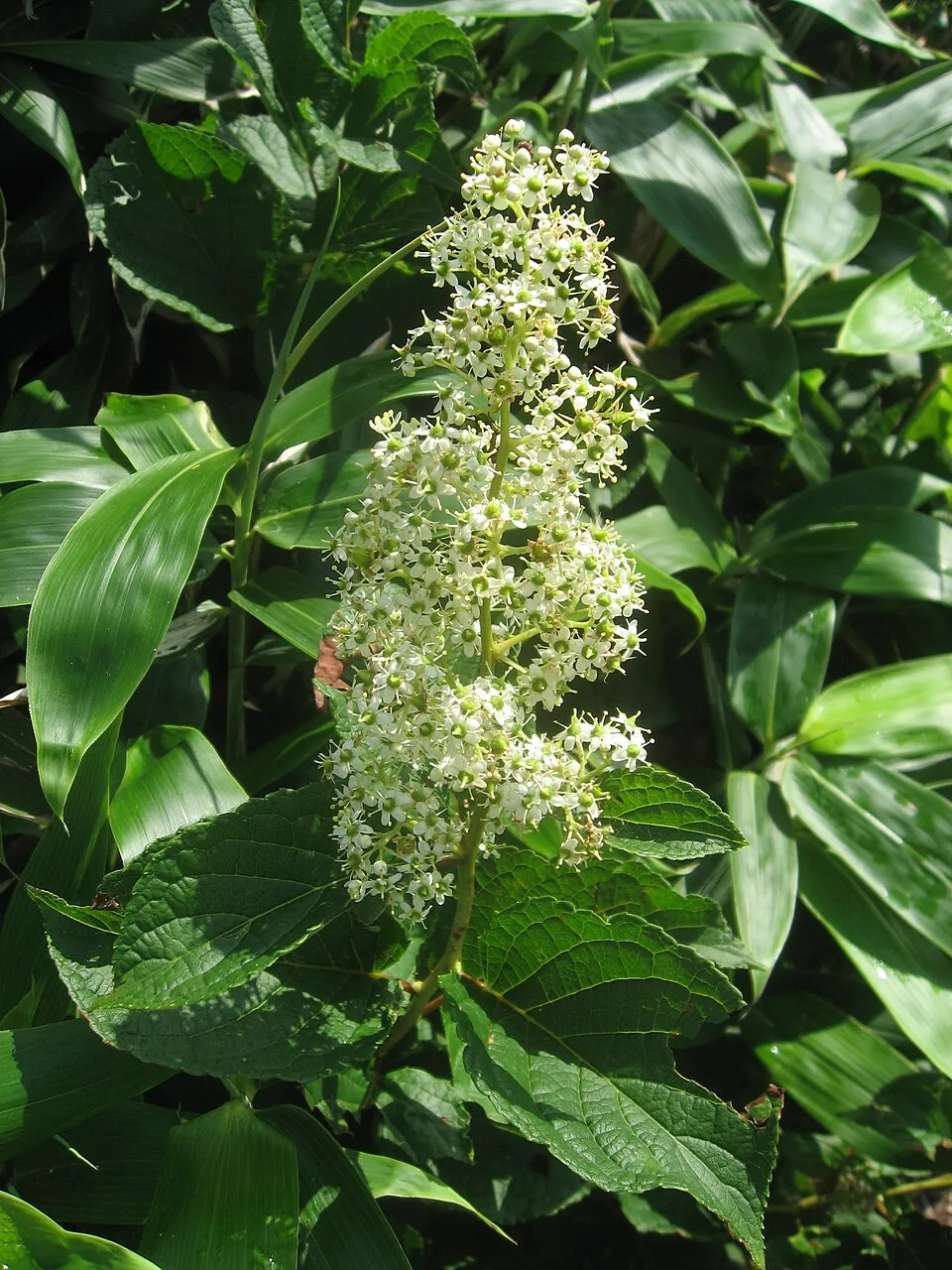
Thunder God Vine, scientifically known as Tripterygium wilfordii, is a deciduous woody vine belonging to the Celastraceae family, native to the mountainous and forested regions of southeastern China. This perennial plant typically grows as a climbing shrub, reaching heights of several meters, often found scrambling over other vegetation in moist, well-drained loamy soils. Its leaves are ovate to elliptic, serrated along the margins, and arranged alternately along the stems.
During late spring to early summer, it produces small, greenish-white flowers clustered in terminal or axillary panicles, which later develop into distinctive three-winged (hence 'Tripterygium') reddish-brown capsules. The roots and root bark are the primary parts used in traditional medicine, particularly in Traditional Chinese Medicine (TCM), where it is known as Lei Gong Teng. For centuries, indigenous communities have valued Thunder God Vine for its potent therapeutic properties, employing it in various folk remedies to address inflammatory and autoimmune conditions.
The plant's distribution spans provinces such as Fujian, Zhejiang, Jiangxi, Hunan, Guangdong, and Guangxi, where it thrives in subtropical climates. Its complex phytochemistry underpins its powerful medicinal actions, making it a subject of extensive modern pharmacological research to validate its traditional applications while understanding its inherent toxicities.
Trusted Scientific References
1. Authoritative external sources for Tripterygium wilfordii
1.1 Wikipedia — Tripterygium wilfordii
1.2 Kew POWO (Plants of the World Online)
1.3 PubMed — peer-reviewed research
1.4 NCBI Taxonomy Browser
1.5 GBIF — Global Biodiversity
1.6Thunder God Vine should be interpreted through verified botanical identity, practical care, and responsible safety language. This recovery note adds the missing context needed for a complete profile: match light to the plant's habit, use well-drained soil, water according to season, and avoid unsupported medicinal or edible claims. For publishing, the plant can be presented as a source-backed medicinal plant with clear care guidance, common problem diagnosis, and conservative safety wording.
1.1.Thunder God Vine — Highlights
- ✓Scientific Name — Tripterygium wilfordii.
- ✓Common Name — Thunder God Vine, Lei Gong Teng.
- ✓Botanical Family — Celastraceae.
- ✓Geographic Origin — Southeastern China.
- ✓Primary Active Compounds — Triptolide, Celastrol, Wilforine.
- ✓Traditional Use — Rheumatoid arthritis, systemic lupus erythematosus, inflammatory conditions.
- ✓Key Actions — Immunosuppressive, anti-inflammatory, antineoplastic.
- ✓Potency — Extremely potent, requiring precise dosage control.
- ✓Toxicity Profile — High risk of severe side effects, including organ damage and reproductive toxicity.
- ✓Research Focus — Autoimmune diseases, cancer therapy, male contraception.
1.2.Thunder God Vine — At-a-Glance Summary
- ✓Potent Immunosuppressant and Anti-inflammatory Herb.
- ✓Primarily Used in Traditional Chinese Medicine for Autoimmune Diseases like Rheumatoid Arthritis.
- ✓Contains Highly Bioactive Compounds such as Triptolide and Celastrol.
- ✓Characterized by a Narrow Therapeutic Window and Significant Potential Toxicity.
- ✓Requires Strict Medical Supervision and Standardized Formulations for Safe Use.
- ✓Contraindicated in Pregnancy, Breastfeeding, and for Individuals with Organ Impairment.
2.Thunder God Vine — Nomenclature & Classification
3.Thunder God Vine — Fact Sheet
4.Thunder God Vine — Botanical Features
5.Thunder God Vine — Origin & Spread
6.Thunder God Vine — Traditional Uses
7.Thunder God Vine — Phytochemistry
- ✓Diterpenoids — Key compounds include triptolide, tripdiol, and triptonide, renowned for their potent immunosuppressive, anti-inflammatory, and cytotoxic activities, forming the backbone of Thunder God Vine's therapeutic effects.
- ✓Triterpenoids — Celastrol and wilforine are prominent examples, exhibiting strong anti-inflammatory, antioxidant, and anticancer properties, contributing significantly to its medicinal profile.
- ✓Alkaloids — Various alkaloids such as wilforine and wilfordine are present, which can contribute to both pharmacological actions and potential toxicity.
- ✓Flavonoids — Compounds like quercetin and kaempferol derivatives provide antioxidant and anti-inflammatory benefits, supporting cellular health.
- ✓Polyglycosides — Tripterygium wilfordii polyglycosides (TGP) represent a standardized extract containing a mixture of active diterpenoids and triterpenoids, widely used in clinical settings.
- ✓Phenolic Compounds — Includes gallic acid and ellagic acid, which are known for their free-radical scavenging and protective antioxidant effects.
- ✓Saponins — Contributes to the plant's overall biological activity, though their specific contributions to the primary medicinal effects are less characterized than diterpenoids.
- ✓Sesquiterpenes — Present in smaller quantities, some sesquiterpenes may also contribute to the plant's anti-inflammatory or cytotoxic properties.
8.Thunder God Vine — Scientific Evidence
- ✓Potent Anti-inflammatory — Contains diterpenoids like triptolide and triterpenoids such as celastrol, which inhibit key inflammatory pathways, offering significant relief in chronic inflammatory conditions.
- ✓Immunosuppressive Action — Modulates the immune system by inhibiting T-cell proliferation and cytokine production, making it valuable in managing autoimmune diseases.
- ✓Anti-arthritic Properties — Effectively reduces joint swelling, tenderness, and pain associated with rheumatoid arthritis, often outperforming conventional therapies in certain aspects.
- ✓Nephroprotective Potential — Shows promise in alleviating symptoms and progression of specific kidney disorders, including nephrotic syndrome and IgA nephropathy, by reducing inflammation and immune complex deposition.
- ✓Anticancer Research — Studies suggest its compounds can induce apoptosis and inhibit proliferation in various cancer cell lines, indicating potential as an adjunct in oncology.
- ✓Antioxidant Activity — Flavonoids and phenolic compounds contribute to its ability to scavenge free radicals, protecting cells from oxidative damage.
- ✓Dermatological Support — Traditionally used for skin conditions like eczema due to its anti-inflammatory and immunomodulatory effects.
- ✓Anti-fertility Effects — Triptolide has been investigated for its male contraceptive potential due to its impact on spermatogenesis.
- ✓Neuroprotective Effects — Emerging research indicates possible benefits in protecting neural cells and mitigating neuroinflammation, though more studies are needed.
- ✓Antimicrobial Properties — Some extracts have demonstrated activity against certain bacteria and fungi, contributing to its broad traditional applications.
8.1.Thunder God Vine — Health Applications
9.Thunder God Vine — Safety Considerations
9.1.Thunder God Vine — Possible Adverse Reactions
- ✓Gastrointestinal Distress — Commonly includes severe diarrhea, nausea, vomiting, and abdominal pain.
- ✓Reproductive Toxicity — Can cause infertility in men (reduced sperm count/motility) and menstrual irregularities in women.
- ✓Hepatic and Renal Damage — Serious potential for liver and kidney toxicity, including elevated liver enzymes and kidney failure.
- ✓Hematological Changes — May lead to a lowered white blood cell count (leukopenia), increasing infection risk.
- ✓Cardiotoxicity — Rare but serious reports of heart damage have been associated with its use.
- ✓Dermatological Reactions — Skin rashes, redness, and allergic reactions, including photosensitivity, can occur.
- ✓Neurological Symptoms — Dizziness, headaches, and fatigue are reported, impacting daily functioning.
9.2.Thunder God Vine — Risk Assessment
- ✓Pregnancy and Breastfeeding — Absolutely contraindicated for pregnant or breastfeeding women due to high risk of birth defects and unknown effects on infants.
- ✓Pre-existing Conditions — Individuals with liver disease, kidney impairment, heart conditions, or blood disorders should strictly avoid use.
- ✓Drug Interactions — Potentially interacts dangerously with immunosuppressants, anticoagulants, anti-diabetic drugs, and other medications.
- ✓Medical Supervision — Must only be used under the direct, stringent supervision of a qualified medical professional due to its narrow therapeutic window and high toxicity.
- ✓Dosage and Duration — Use only standardized preparations at prescribed dosages for limited durations, never exceeding recommended limits.
- ✓Children and Elderly — Use is generally not recommended for children or the elderly due to increased susceptibility to adverse effects.
- ✓Source and Purity — Ensure the product is from a reputable source, properly identified, and tested for contaminants and correct species to avoid accidental poisoning.
10.Thunder God Vine — Preparation Methods
- ✓Traditional Decoction — Roots and bark are historically prepared as a decoction by boiling the plant material in water, a method requiring precise traditional knowledge to mitigate toxicity.
- ✓Standardized Extracts — Modern therapeutic applications primarily utilize highly purified and standardized extracts, such as Tripterygium wilfordii polyglycosides (TGP), to ensure consistent potency and reduce variability in active compound concentration.
- ✓Topical Preparations — Ointments or creams derived from Thunder God Vine extracts may be applied externally for localized relief of joint pain or inflammatory skin conditions like eczema.
- ✓Encapsulated Powder — Dried and finely ground root material can be encapsulated, though this form necessitates extreme caution due to the narrow therapeutic window and difficulty in precise dosage control.
- ✓Alcoholic Tinctures — Tinctures are possible but less common due to the plant's toxicity; their preparation requires expert formulation and strict adherence to safety protocols.
- ✓Herbal Combinations — In Traditional Chinese Medicine, it is often combined with other herbs in complex formulas to enhance therapeutic effects, balance properties, and potentially reduce adverse reactions.
- ✓Controlled Dosage — Due to its potent and toxic nature, Thunder God Vine must only be used under strict medical supervision, with precise dosages determined by a qualified healthcare practitioner.
- ✓Short-term Use — Treatment protocols typically recommend short-term use to minimize the risk of cumulative toxicity and severe side effects.
11.Thunder God Vine — Garden Cultivation
- ✓Climate Preference — Thrives in subtropical to warm temperate climates, requiring a period of dormancy but sensitive to hard frosts.
- ✓Soil Requirements — Prefers fertile, well-drained, slightly acidic to neutral (pH 6.0-7.0) loamy soil rich in organic matter.
- ✓Sunlight Exposure — Best grown in partial shade, especially in hotter climates, as direct intense sunlight can scorch its leaves; tolerates full sun in cooler regions.
- ✓Propagation — Primarily propagated from seeds, which require cold stratification for germination, or more commonly from semi-hardwood stem cuttings taken in spring or early summer.
- ✓Watering — Requires consistent moisture, particularly during dry spells, but susceptible to root rot in waterlogged conditions; ensure good drainage.
- ✓Fertilization — Benefits from a balanced, slow-release organic fertilizer applied in early spring and mid-summer to support vigorous growth.
- ✓Support Structure — As a climbing vine, it needs a trellis, arbor, or other support structure to grow effectively.
- ✓Harvesting — Roots are typically harvested in autumn after 3-5 years of growth, when the concentration of active compounds is optimal.
Reviewed by the Flora Medical Global Botanical Review Panel
Multi-disciplinary editorial group · Botany · Ethnobotany · Herbal-medicine literature
Who reviewed this: This page was checked by the Flora Medical Global Botanical Review Panel — an in-house editorial group of botany graduates, ethnobotany researchers, and horticulture practitioners who collectively maintain our 7,000+ plant encyclopedia. Meet the team.
Our 4-step verification process
1. Taxonomic verification
Scientific names and synonyms cross-checked against Kew POWO, World Flora Online, and The Plant List.
2. Phytochemical & medicinal cross-reference
Active compounds, traditional uses, and reported activities are cross-referenced with PubMed, USDA Dr. Duke's database, and peer-reviewed ethnobotanical literature.
3. Conservation & distribution check
Distribution, ecology, and conservation status confirmed against GBIF occurrence records and the IUCN Red List.
4. Editorial & safety review
Every entry passes an editorial pass for clarity, originality, and safety notices (toxicity, contraindications, dosage caveats) before publication.
Last reviewed:
Important medical disclaimer: This content is for educational and research purposes only. It is not medical advice and is not a substitute for consultation with a licensed healthcare provider. Do not use any herb to self-treat a medical condition without professional guidance.
Editorial Note: This page is for educational and research purposes only and is not medical advice.
Written by: Flora Medical Global Editorial Team
Reviewed by: Flora Medical Global Botanical Review Panel
Last Updated: June 15, 2026





Thunder God Vine — Comments & Community Reviews
Rate this plant