
Medical Disclaimer: This content is for educational purposes only. It is not medical advice. Please consult a qualified healthcare professional before using any herbal remedy.
Safety Overview
1.Tian Ma — At a Glance
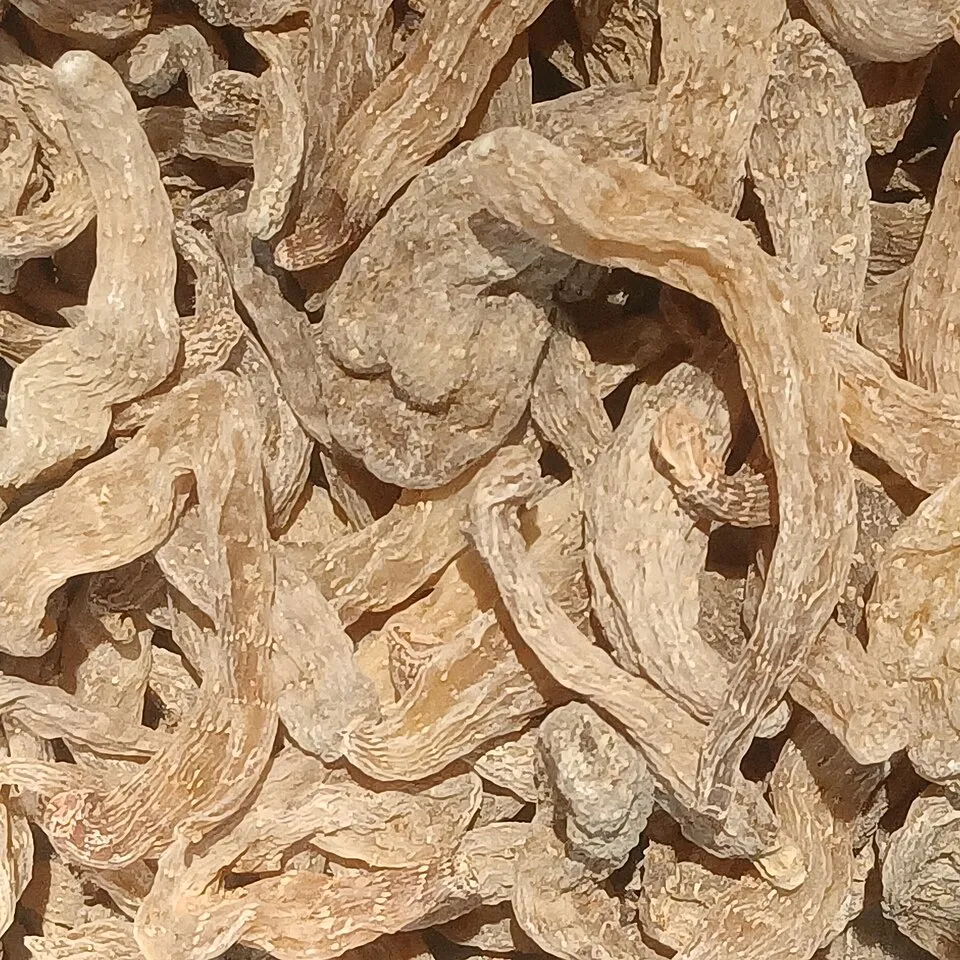
Gastrodia elata, commonly known as Tian Ma, is a fascinating perennial herb belonging to the Orchidaceae family, natively found thriving in the shaded, moist, and organically rich forested regions of China. This unique plant typically reaches heights of 30 to 100 cm. A defining characteristic of Tian Ma is its tuberous roots, which serve as nutrient storage organs, emerging from the soil as fleshy, elongated structures. Unlike most plants, Tian Ma is achlorophyllous, meaning it lacks chlorophyll and therefore cannot perform photosynthesis.
Instead, it sustains itself through a remarkable mycoheterotrophic lifestyle, forming a crucial symbiotic relationship with specific mycorrhizal fungi, predominantly from the Botryobasidiaceae family, in its native woodland habitat. This fungal dependency is vital for its survival and explains its preference for shaded environments. The plant's vegetative phase is marked by broad, ovate leaves, which can grow up to 10 to 20 cm long, tapering elegantly towards the apex. Its reproductive cycle culminates in late summer to early autumn with the emergence of striking inflorescences.
These consist of numerous creamy-white to pale yellow flowers, each typically 2 to 3 cm in length, arranged in a distinct, ladder-like raceme that can extend up to 30 cm. This intricate botanical structure and its specific ecological requirements make Tian Ma a truly unique and valuable species within the plant kingdom.
Trusted Scientific References
1. Authoritative external sources for Gastrodia elata
1.1 Wikipedia — Gastrodia elata
1.2 Kew POWO (Plants of the World Online)
1.3 PubMed — peer-reviewed research
1.4 NCBI Taxonomy Browser
1.5 GBIF — Global Biodiversity
1.6Tian Ma should be interpreted through verified botanical identity, practical care, and responsible safety language. This recovery note adds the missing context needed for a complete profile: match light to the plant's habit, use well-drained soil, water according to season, and avoid unsupported medicinal or edible claims. For publishing, the plant can be presented as a source-backed medicinal plant with clear care guidance, common problem diagnosis, and conservative safety wording.
1.1.Tian Ma — Highlights
- ✓Mycoheterotrophic Nature — Lacks chlorophyll, relying entirely on symbiotic fungi for nutrients.
- ✓Tuberous Roots — The primary medicinal part, storing energy and bioactive compounds.
- ✓Orchidaceae Family Member — Belongs to a diverse and evolutionarily advanced plant family.
- ✓Traditional Chinese Medicine (TCM) Staple — Highly valued for neurological and pain-relieving properties.
- ✓Rich in Gastrodin — A key phenolic compound responsible for many of its therapeutic effects.
- ✓Neuroprotective Qualities — Protects brain cells and supports cognitive function.
- ✓Anticonvulsant Action — Effectively reduces seizure activity and tremors.
- ✓Anti — inflammatory and Antioxidant — Combats oxidative stress and reduces systemic inflammation.
- ✓Indigenous to China — Primarily cultivated and found in specific forested regions of China.
- ✓Unique Lifecycle — Its survival is intricately linked to its fungal host, making cultivation challenging.
1.2.Tian Ma — At-a-Glance Summary
- ✓Gastrodia elata (Tian Ma) is a unique mycoheterotrophic orchid from China.
- ✓Primarily known for neuroprotective, anticonvulsant, and cognitive-enhancing benefits.
- ✓Key active compound is gastrodin, a phenolic glycoside.
- ✓Traditionally used in TCM for headaches, dizziness, epilepsy, and rheumatic pain.
- ✓Requires symbiotic fungi for cultivation due to lack of chlorophyll.
- ✓Caution advised for pregnancy, children, and those on specific medications.
2.Tian Ma — Scientific Identity
3.Tian Ma — Key Data
4.Tian Ma — Botanical Description
5.Tian Ma — Native Range & Habitat
6.Tian Ma — Folk Medicine Applications
7.Tian Ma — Chemical Profile
- ✓Phenolic Compounds — Gastrodin is the most prominent, known for its neuroprotective, anti-inflammatory, and anticonvulsant activities. Other phenolic acids like vanillic acid are also present.
- ✓Organic Acids — Compounds such as citric acid and succinic acid contribute to its metabolic activities and overall pharmacological profile.
- ✓Steroids — Including various sterols and steroid glycosides, which may have hormonal or anti-inflammatory modulating effects.
- ✓Polysaccharides — These complex carbohydrates are recognized for their immunomodulatory and antioxidant properties, supporting overall immune function.
- ✓Furan Aldehydes — Specific furan derivatives contribute to its unique chemical signature and potential biological activities.
- ✓Adenosines — Adenosine and its derivatives are vital signaling molecules, influencing cardiovascular health and exhibiting sedative effects.
- ✓Amino Acids — A range of essential and non-essential amino acids are present, contributing to general nutritional value and metabolic processes.
- ✓Flavonoids — These powerful antioxidants help scavenge free radicals, reduce inflammation, and provide cardiovascular benefits.
- ✓Terpenoids — A diverse group of compounds with various biological activities, including anti-inflammatory and antimicrobial properties.
8.Tian Ma — Evidence-Based Benefits
- ✓Alleviates Headaches and Dizziness — Tian Ma is traditionally used to calm internal wind, making it highly effective for various types of headaches, including migraines, and for reducing symptoms of dizziness and vertigo by balancing liver 'yang' energy.
- ✓Reduces Convulsions and Epilepsy — Its anticonvulsant properties are well-documented in traditional medicine, offering a natural approach to manage seizure disorders and reduce the frequency and severity of epileptic episodes.
- ✓Supports Neurological Health — Modern research highlights its neuroprotective effects, helping to safeguard brain cells from oxidative stress and inflammation, which is crucial for preventing neurodegenerative conditions.
- ✓Improves Cognitive Function — Tian Ma has been shown to enhance learning and memory capabilities, potentially by improving cerebral blood flow and protecting neural pathways, making it beneficial for age-related cognitive decline.
- ✓Acts as a Sedative and Hypnotic — It possesses properties that can induce calmness, reduce anxiety, and promote restful sleep, making it a valuable aid for insomnia and nervous tension.
- ✓Lowers Blood Pressure — Certain compounds within Gastrodia elata contribute to its hypotensive effects, assisting in the management of high blood pressure and promoting cardiovascular wellness.
- ✓Exerts Anti-inflammatory Effects — The plant's rich phytochemical profile, particularly phenolic compounds, helps to mitigate inflammatory responses throughout the body, reducing pain and swelling associated with various conditions.
- ✓Provides Antioxidant Protection — Tian Ma is a potent source of antioxidants that combat free radicals, protecting cells from oxidative damage and contributing to overall cellular health and anti-aging processes.
- ✓Ameliorates Rheumatic Arthralgia — Traditionally employed to dispel wind and dampness, it helps relieve pain and numbness in the limbs associated with rheumatic conditions and general arthritic discomfort.
- ✓Promotes Angiogenesis — Preliminary studies suggest Tian Ma can promote the formation of new blood vessels, which could be beneficial in tissue repair and recovery processes.
- ✓Protects Cardiomyocytes — Research indicates its ability to offer protective effects to heart muscle cells, supporting cardiac function and resilience against damage.
8.1.Tian Ma — Therapeutic Indications
9.Tian Ma — Safety Considerations
9.1.Tian Ma — Caution Notes
- ✓Gastrointestinal Discomfort — Some individuals may experience mild stomach upset, nausea, or diarrhea, particularly with higher doses.
- ✓Drowsiness or Sedation — Due to its calming and hypnotic properties, Gastrodia elata can cause drowsiness, especially when combined with other sedatives.
- ✓Allergic Reactions — Rare instances of skin rash, itching, or other allergic responses may occur in sensitive individuals.
- ✓Hypotension — As it can lower blood pressure, individuals with already low blood pressure or those on hypotensive medications should use it cautiously.
- ✓Dizziness or Lightheadedness — While often used for dizziness, paradoxical effects or excessive blood pressure lowering could lead to lightheadedness.
- ✓Potential for Drug Interactions — May interact with central nervous system depressants, anticoagulants, or antihypertensive medications.
- ✓Liver Enzyme Elevation — Very high doses or prolonged use, though rare, might be associated with transient liver enzyme elevations.
9.2.Tian Ma — Safety Overview
- ✓Pregnancy and Lactation — Not recommended for use during pregnancy or breastfeeding due to insufficient safety data and potential effects on uterine contraction or infant development.
- ✓Children — Use in children should be under strict medical supervision due to limited research on appropriate dosages and long-term safety in pediatric populations.
- ✓Pre-existing Conditions — Individuals with bleeding disorders, very low blood pressure, or severe liver/kidney conditions should avoid its use or consult a healthcare professional.
- ✓Drug Interactions — Caution is advised when co-administering with anticoagulants, antiplatelet drugs, sedatives, or antihypertensive medications due to potential additive effects.
- ✓Dosage Adherence — Always adhere to recommended dosages from qualified practitioners or product labels to minimize the risk of adverse effects.
- ✓Professional Guidance — It is crucial to consult a medical herbalist or healthcare provider before using Tian Ma, especially for chronic conditions or if on other medications.
- ✓Allergic Sensitivity — Discontinue use immediately if any signs of allergic reaction, such as rash or difficulty breathing, occur.
10.Tian Ma — Usage Guide
- ✓Traditional Decoctions — The dried tuber of Tian Ma is commonly boiled in water to create a medicinal tea or decoction, often combined with other herbs in Traditional Chinese Medicine (TCM) formulas.
- ✓Powdered Formulations — Dried Tian Ma tubers can be ground into a fine powder, which is then encapsulated or mixed into liquids for consumption.
- ✓Herbal Pills and Granules — Available in standardized preparations such as pills, tablets, and granules, often found in pharmacopoeial formulations for specific ailments like headaches or dizziness.
- ✓Tinctures and Extracts — Alcohol or glycerin-based extracts can be made from the tubers, offering a concentrated form of the active compounds.
- ✓Topical Applications — In some traditional practices, poultices or patches containing Tian Ma may be used for localized pain relief, such as for rheumatic arthralgia.
- ✓Culinary Use — In certain regions, Tian Ma is occasionally incorporated into medicinal soups or dishes, especially for its purported health benefits.
- ✓Standardized Supplements — Modern supplements provide precise dosages of key compounds like gastrodin for targeted therapeutic effects.
11.Tian Ma — How to Grow
- ✓Symbiotic Cultivation — Requires specific mycorrhizal fungi (e.g., Armillaria spp. or Botryobasidium spp.) for nutrient acquisition, as it lacks chlorophyll.
- ✓Shaded Environment — Thrives in dense shade or partial shade, mimicking its natural forest understory habitat, avoiding direct sunlight.
- ✓Rich Organic Soil — Prefers well-drained, humus-rich soil with ample organic matter to support both the plant and its fungal symbionts.
- ✓Controlled Moisture — Needs consistent, moderate soil moisture; avoid waterlogging but ensure the substrate remains damp.
- ✓Specific Temperature Range — Best grown in tropical to subtropical climates, requiring warm temperatures but also a period of dormancy.
- ✓Tuber Propagation — Primarily propagated from its tuberous roots, which are carefully planted to encourage new growth.
- ✓Air Circulation — Good air circulation is important to prevent fungal diseases, especially in humid conditions.
Reviewed by the Flora Medical Global Botanical Review Panel
Multi-disciplinary editorial group · Botany · Ethnobotany · Herbal-medicine literature
Who reviewed this: This page was checked by the Flora Medical Global Botanical Review Panel — an in-house editorial group of botany graduates, ethnobotany researchers, and horticulture practitioners who collectively maintain our 7,000+ plant encyclopedia. Meet the team.
Our 4-step verification process
1. Taxonomic verification
Scientific names and synonyms cross-checked against Kew POWO, World Flora Online, and The Plant List.
2. Phytochemical & medicinal cross-reference
Active compounds, traditional uses, and reported activities are cross-referenced with PubMed, USDA Dr. Duke's database, and peer-reviewed ethnobotanical literature.
3. Conservation & distribution check
Distribution, ecology, and conservation status confirmed against GBIF occurrence records and the IUCN Red List.
4. Editorial & safety review
Every entry passes an editorial pass for clarity, originality, and safety notices (toxicity, contraindications, dosage caveats) before publication.
Last reviewed:
Important medical disclaimer: This content is for educational and research purposes only. It is not medical advice and is not a substitute for consultation with a licensed healthcare provider. Do not use any herb to self-treat a medical condition without professional guidance.
Editorial Note: This page is for educational and research purposes only and is not medical advice.
Written by: Flora Medical Global Editorial Team
Reviewed by: Flora Medical Global Botanical Review Panel
Last Updated: June 15, 2026






Tian Ma — Comments & Community Reviews
Rate this plant