
Medical Disclaimer: This content is for educational purposes only. It is not medical advice. Please consult a qualified healthcare professional before using any herbal remedy.
Safety Overview
1.Tibetan Rhodiola — Introduction & Highlights
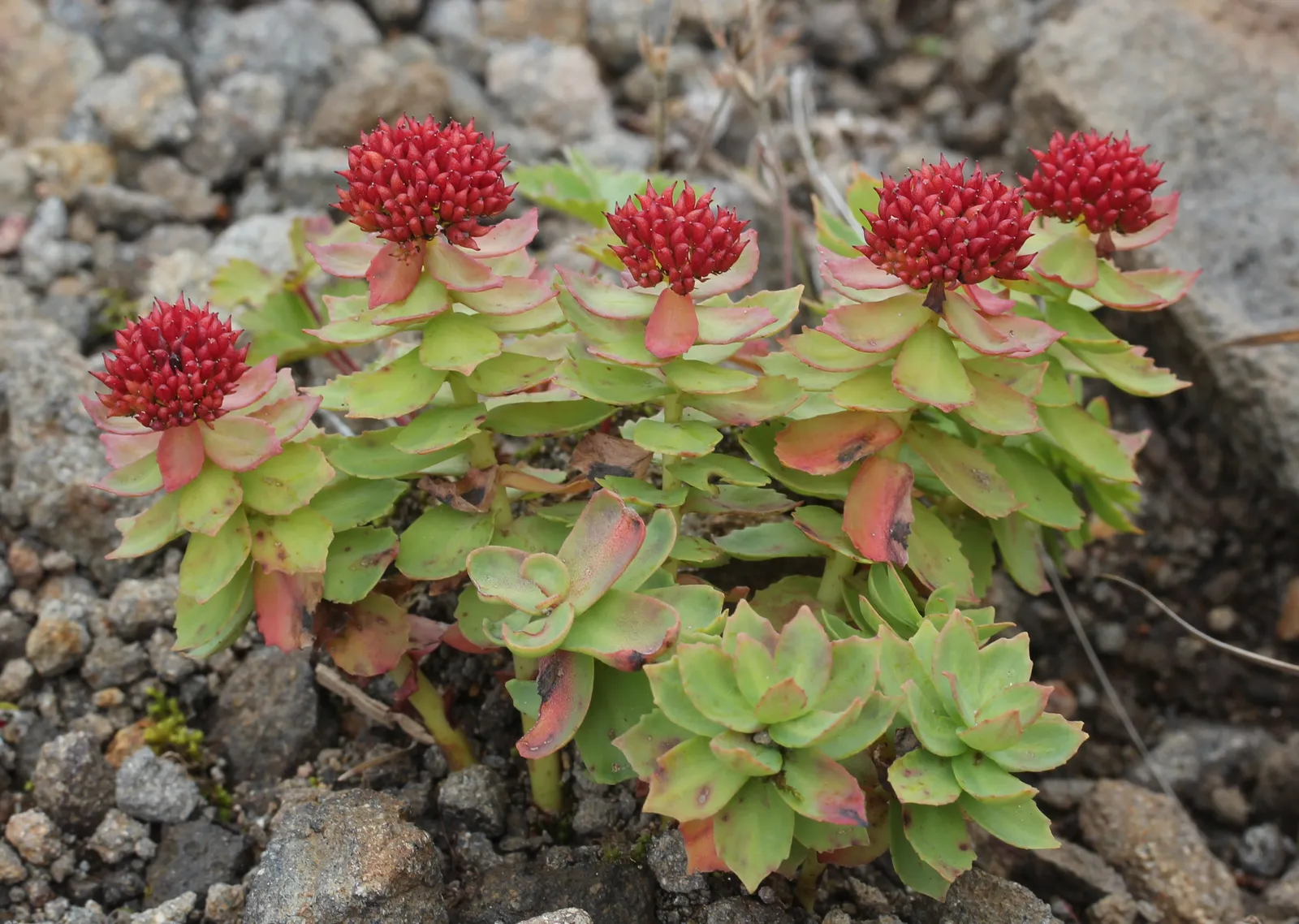
Rhodiola crenulata, commonly known as Tibetan Rhodiola, is a remarkable perennial flowering plant belonging to the Crassulaceae family. It is indigenous to the rugged, high-altitude regions of the Himalayan ranges, particularly flourishing across the vast Tibetan Plateau. This plant is a true survivor, thriving in the cold, harsh, and often oxygen-depleted environments at elevations typically between 3,500 and 5,500 meters. Morphologically, Tibetan Rhodiola presents as a relatively compact herb, usually growing to a height of 10 to 40 centimeters.
It is characterized by a thick, fleshy rootstock, which is the primary part utilized in traditional medicine and modern supplements. Its succulent leaves are often tinged with reddish margins, an adaptation to intense UV radiation at high altitudes, and are arranged alternately along the stem. The plant produces small, vibrant yellow flowers that coalesce into dense, terminal clusters, adding a splash of color to its rocky habitats. Rhodiola crenulata prefers well-drained, nutrient-poor, and rocky soil, reflecting its natural alpine habitat.
Its robust nature and ability to withstand extreme conditions are testaments to its adaptogenic properties, which have been revered in traditional Tibetan medicine for centuries. The plant's ability to accumulate a unique profile of bioactive compounds, such as salidroside, tyrosol, and rhodiosin, is central to its therapeutic value and its enduring legacy as a potent botanical remedy.
Trusted Scientific References
1. Authoritative external sources for Rhodiola crenulata
1.1 Wikipedia — Rhodiola crenulata
1.2 Kew POWO (Plants of the World Online)
1.3 PubMed — peer-reviewed research
1.4 NCBI Taxonomy Browser
1.5 GBIF — Global Biodiversity
1.6Tibetan Rhodiola should be interpreted through verified botanical identity, practical care, and responsible safety language. This recovery note adds the missing context needed for a complete profile: match light to the plant's habit, use well-drained soil, water according to season, and avoid unsupported medicinal or edible claims. For publishing, the plant can be presented as a source-backed medicinal plant with clear care guidance, common problem diagnosis, and conservative safety wording.
1.1.Tibetan Rhodiola — Key Features
- ✓High — altitude perennial from the Himalayan regions and Tibetan Plateau.
- ✓Renowned adaptogenic properties, — Renowned adaptogenic properties, aiding the body in coping with various stressors.
- ✓Contains unique bioactive — Contains unique bioactive compounds like salidroside, tyrosol, and rhodiosin.
- ✓Supports cognitive function, — Supports cognitive function, enhancing mental clarity and focus.
- ✓Boosts physical stamina — Boosts physical stamina and reduces fatigue, popular among athletes.
- ✓Possesses significant antioxidant and anti — inflammatory activities.
- ✓Plays a role — Plays a role in traditional Tibetan medicine for vitality and well-being.
- ✓Requires sustainable harvesting — Requires sustainable harvesting practices due to its slow growth and high demand.
- ✓May help modulate — May help modulate the immune system and support cardiovascular health.
- ✓Exhibits resilience to — Exhibits resilience to extreme environmental conditions, reflecting its robust nature.
1.2.Tibetan Rhodiola — Quick Summary
- ✓Adaptogenic herb native to the Tibetan Plateau, thriving in harsh alpine conditions.
- ✓Valued for enhancing physical and mental stamina, reducing fatigue, and supporting stress resilience.
- ✓Key bioactive compounds include salidroside, tyrosol, and rhodiosin, contributing to its therapeutic effects.
- ✓Traditionally used in Tibetan medicine, modern research supports its benefits for cognitive and immune health.
- ✓Generally considered safe for short-term use, but precautions are necessary for autoimmune conditions, pregnancy, and certain medications.
2.Tibetan Rhodiola — Scientific Profile
3.Tibetan Rhodiola — Botanical Stats
4.Tibetan Rhodiola — Plant Morphology
5.Tibetan Rhodiola — Habitat & Distribution
6.Tibetan Rhodiola — Cultural & Traditional Roles
7.Tibetan Rhodiola — Bioactive Constituents
- ✓Salidroside (p-tyrosol-β-D-glucoside) — This is a primary marker compound and a key phenylethanoid glycoside responsible for many of Rhodiola crenulata's adaptogenic, neuroprotective, and antioxidant effects.
- ✓Tyrosol — A phenolic alcohol, tyrosol is another significant bioactive compound contributing to the plant's antioxidant and neuroprotective properties.
- ✓Rhodiosin — A flavonoid glycoside unique to Rhodiola crenulata, rhodiosin adds to the plant's overall antioxidant and adaptogenic profile.
- ✓Flavonoids — Various flavonoids, including quercetin and kaempferol derivatives, are present, offering potent antioxidant and anti-inflammatory activities.
- ✓Phenolic Acids — Compounds like gallic acid and caffeic acid contribute to the plant’s broad spectrum of antioxidant and protective effects.
- ✓Monoterpene Glycosides — These compounds are found in the root and contribute to the complex pharmacology of Tibetan Rhodiola, often working synergistically with other constituents.
- ✓Proanthocyanidins — These powerful antioxidants help protect against cellular damage and contribute to the plant's overall health-promoting benefits.
- ✓Triterpenes — While less prominent than other classes, triterpenes may also contribute to the plant's anti-inflammatory and protective properties.
- ✓Tannins — Present in varying amounts, tannins provide astringent properties and contribute to the plant's antioxidant capacity.
- ✓Organic Acids — A range of organic acids are present, supporting various metabolic processes within the plant and contributing to its biochemical profile.
8.Tibetan Rhodiola — Modern Studies
- ✓Adaptogenic Support — Tibetan Rhodiola helps the body adapt to various stressors, both physical and psychological, by modulating the stress response system and promoting homeostasis.
- ✓Anti-Fatigue Action — It is widely used to combat general fatigue, enhance physical endurance, and improve stamina, making it popular among athletes and individuals facing demanding routines.
- ✓Cognitive Enhancement — This herb supports mental clarity, focus, and concentration, potentially improving cognitive function and reducing mental fatigue, especially under stressful conditions.
- ✓Mood Regulation — Rhodiola crenulata may help alleviate symptoms of mild anxiety and stress-induced depression by influencing neurotransmitter levels and promoting a sense of well-being.
- ✓Antioxidant Properties — Rich in phenolic compounds, Tibetan Rhodiola offers significant antioxidant activity, protecting cells from damage caused by free radicals and oxidative stress.
- ✓Anti-Inflammatory Effects — Its bioactive constituents contribute to reducing systemic inflammation, which can be beneficial in managing various inflammatory conditions.
- ✓Cardiovascular Health Support — Rhodiola crenulata is believed to support heart health by helping to regulate heartbeat and protect cardiovascular tissues from stress-related damage.
- ✓Immune System Modulation — It can help balance and boost immune system function, enhancing the body's natural defense mechanisms against pathogens and illness.
- ✓High-Altitude Sickness Prevention — Traditionally used to aid acclimatization to high altitudes, it may help mitigate symptoms of acute mountain sickness by improving oxygen utilization.
- ✓Exercise Performance Improvement — Studies suggest that Rhodiola crenulata can enhance athletic performance by increasing time to exhaustion and reducing recovery time post-exercise.
- ✓Blood Sugar Management — Preliminary research indicates a potential role in helping to regulate blood sugar levels, though more human studies are needed to confirm this effect.
- ✓Anti-Cancer Potential — Some in vitro and animal studies have explored its potential anti-proliferative activities, suggesting a role in cancer research, but this is not a primary therapeutic claim for human use.
8.1.Tibetan Rhodiola — Conditions Traditionally Used For
9.Tibetan Rhodiola — Risk Profile
9.1.Tibetan Rhodiola — Reported Side Effects
- ✓Dizziness — Some individuals may experience mild dizziness, particularly when first starting supplementation or at higher doses.
- ✓Dry Mouth — A less common side effect, dry mouth or xerostomia, has been reported in a small percentage of users.
- ✓Excessive Saliva — Conversely, some users might experience an increase in saliva production, though this is also infrequent.
- ✓Insomnia/Agitation — Due to its stimulating properties, taking Rhodiola crenulata late in the day may lead to difficulty sleeping or feelings of restlessness in sensitive individuals.
- ✓Gastrointestinal Upset — Mild stomach discomfort, nausea, or digestive issues can occur, especially if taken on an empty stomach.
- ✓Allergic Reactions — Although rare, allergic reactions such as skin rash or itching are possible in individuals sensitive to plants in the Crassulaceae family.
- ✓Blood Pressure Fluctuations — May cause a slight decrease in blood pressure, which could be a concern for individuals already on hypotensive medications.
9.2.Tibetan Rhodiola — Risk Assessment
- ✓Short-Term Use — Rhodiola crenulata is generally considered possibly safe when taken orally for short durations, typically up to 6-12 weeks.
- ✓Long-Term Safety — There is insufficient reliable information regarding the safety of long-term use, thus extended use should be approached with caution and under professional guidance.
- ✓Pregnancy and Breastfeeding — Avoid use during pregnancy and breastfeeding due to a lack of sufficient safety data to establish its harmlessness for these populations.
- ✓Autoimmune Diseases — Individuals with autoimmune conditions (e.g., MS, RA, Lupus) should exercise caution, as Rhodiola may stimulate the immune system and potentially worsen symptoms.
- ✓Bipolar Disorder — Due to its stimulating effects, Rhodiola crenulata may exacerbate manic episodes in individuals with bipolar disorder and should be avoided.
- ✓Drug Interactions — Moderate interactions are possible with medications for diabetes, high blood pressure, immunosuppressants, antidepressants, and those metabolized by liver enzymes (CYP2C9, CYP1A2, CYP3A4) or P-glycoprotein substrates.
- ✓Monitoring — Individuals on medications for blood sugar or blood pressure should monitor their levels closely if taking Rhodiola due to its potential to lower both.
10.Tibetan Rhodiola — Preparation & Dosage
- ✓Standardized Extracts — The most common method involves using encapsulated or liquid extracts standardized to specific concentrations of salidroside, often taken orally.
- ✓Tinctures — Alcohol-based tinctures of the root are prepared by macerating dried Rhodiola crenulata root in alcohol, allowing for convenient liquid dosing.
- ✓Decoctions (Teas) — Dried and sliced root pieces can be simmered in water for 10-15 minutes to create a traditional decoction, consumed as a warming herbal tea.
- ✓Powdered Root — Dried root is ground into a fine powder, which can be taken directly, mixed into beverages, or encapsulated for easy ingestion.
- ✓Traditional Tibetan Preparations — In traditional systems, Rhodiola crenulata is often combined with other adaptogenic or tonifying herbs in complex formulations specific to individual needs.
- ✓Dosing Guidelines — Typical dosages for standardized extracts range from 100-600 mg per day, often divided into 1-2 doses, usually taken for periods of 6-12 weeks.
- ✓Timing of Intake — Due to its mildly stimulating effects, it is generally recommended to take Rhodiola crenulata in the morning or early afternoon to avoid potential sleep disturbances.
- ✓Professional Consultation — Always consult a healthcare provider or qualified herbalist to determine the appropriate dosage and form for specific health concerns and individual conditions.
11.Tibetan Rhodiola — Growing Guide
- ✓Habitat Mimicry — Successful cultivation requires mimicking its native high-altitude, cold, and rocky environment, making it challenging outside specific climatic zones.
- ✓Soil Requirements — Prefers well-drained, sandy-loam soil with a slightly acidic to neutral pH (6.0-7.0), often enriched with gravel or rock fragments to ensure good drainage.
- ✓Light and Temperature — Requires full sun exposure and tolerates extreme cold; optimal growth occurs in regions with distinct cold winters and cool summers.
- ✓Propagation — Can be propagated from seeds, though germination can be slow and erratic, or more commonly from root division in early spring or late autumn.
- ✓Watering — Once established, Rhodiola crenulata is drought-tolerant, but requires moderate watering during dry periods, ensuring the soil does not become waterlogged.
- ✓Harvesting — The rootstock is typically harvested in late summer or early autumn, after 3-5 years of growth, when the concentration of active compounds is highest.
- ✓Sustainable Practices — Due to increasing demand and slow growth, sustainable harvesting from wild populations and responsible cultivation are critical to prevent over-exploitation.
- ✓Pest and Disease Resistance — Generally robust, showing good resistance to most common pests and diseases when grown in suitable conditions.
Reviewed by the Flora Medical Global Botanical Review Panel
Multi-disciplinary editorial group · Botany · Ethnobotany · Herbal-medicine literature
Who reviewed this: This page was checked by the Flora Medical Global Botanical Review Panel — an in-house editorial group of botany graduates, ethnobotany researchers, and horticulture practitioners who collectively maintain our 7,000+ plant encyclopedia. Meet the team.
Our 4-step verification process
1. Taxonomic verification
Scientific names and synonyms cross-checked against Kew POWO, World Flora Online, and The Plant List.
2. Phytochemical & medicinal cross-reference
Active compounds, traditional uses, and reported activities are cross-referenced with PubMed, USDA Dr. Duke's database, and peer-reviewed ethnobotanical literature.
3. Conservation & distribution check
Distribution, ecology, and conservation status confirmed against GBIF occurrence records and the IUCN Red List.
4. Editorial & safety review
Every entry passes an editorial pass for clarity, originality, and safety notices (toxicity, contraindications, dosage caveats) before publication.
Last reviewed:
Important medical disclaimer: This content is for educational and research purposes only. It is not medical advice and is not a substitute for consultation with a licensed healthcare provider. Do not use any herb to self-treat a medical condition without professional guidance.
Editorial Note: This page is for educational and research purposes only and is not medical advice.
Written by: Flora Medical Global Editorial Team
Reviewed by: Flora Medical Global Botanical Review Panel
Last Updated: June 15, 2026
Tibetan Rhodiola — Comments & Community Reviews
Rate this plant