
Medical Disclaimer: This content is for educational purposes only. It is not medical advice. Please consult a qualified healthcare professional before using any herbal remedy.
Safety Overview
1.Tiger Lily — At a Glance
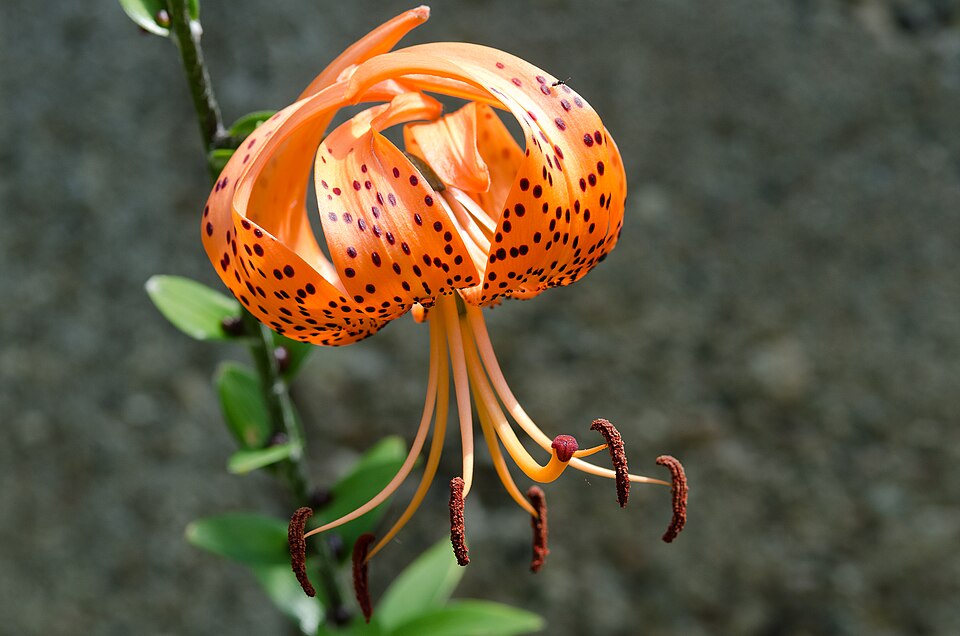
The Tiger Lily, scientifically known as Lilium lancifolium, is a striking perennial herbaceous plant belonging to the Liliaceae family, renowned for its vibrant and distinctive flowers. Typically reaching heights of 60 to 120 cm, its robust, upright stems are adorned with long, narrow, lance-shaped leaves, which can extend up to 15 cm in length and are arranged alternately. The plant's most captivating feature is its mid-summer bloom, showcasing funnel-shaped flowers, 7 to 10 cm in diameter, with brilliant orange petals liberally speckled with dark purple or black spots, reminiscent of a tiger's coat—hence its common name.
Each sturdy stem can support a profusion of up to ten such blossoms. Below ground, Lilium lancifolium develops tunicate bulbs, encased in a fibrous outer skin, which are the primary part used in traditional medicine. This species is indigenous to East Asia, flourishing across regions including China, Japan, and Korea.
It demonstrates remarkable adaptability, thriving in various disturbed habitats such as dry woodlands, open meadows, and along roadsides, often preferring well-drained hillsides and temperate woodlands. Its resilience and ornamental appeal make it a popular choice in global horticulture, particularly in mixed border gardens, while its historical and contemporary medicinal uses underscore its significance beyond mere aesthetics. Taxonomically, its classification within the Angiosperms, Order Liliales, and Family Liliaceae positions it among many other bulbous plants known for their showy inflorescences and diverse phytochemical profiles.
Trusted Scientific References
1. Authoritative external sources for Lilium lancifolium
1.1 Wikipedia — Lilium lancifolium
1.2 Kew POWO (Plants of the World Online)
1.3 PubMed — peer-reviewed research
1.4 NCBI Taxonomy Browser
1.5 GBIF — Global Biodiversity
1.6Tiger Lily should be interpreted through verified botanical identity, practical care, and responsible safety language. This recovery note adds the missing context needed for a complete profile: match light to the plant's habit, use well-drained soil, water according to season, and avoid unsupported medicinal or edible claims. For publishing, the plant can be presented as a source-backed medicinal plant with clear care guidance, common problem diagnosis, and conservative safety wording.
1.1.Tiger Lily — Distinguishing Points
- ✓Distinctive Appearance — Vibrant orange, funnel-shaped flowers with dark purple spots, resembling a tiger's coat.
- ✓East Asian Native — Indigenous to China, Japan, and Korea, thriving in temperate woodlands and disturbed areas.
- ✓Medicinal Bulb — The tunicate bulb is the primary part used in traditional healing systems.
- ✓Rich Phytochemistry — Contains steroidal saponins, flavonoids, phenolic acids, and polysaccharides.
- ✓Versatile Traditional Uses — Employed for respiratory, skin, anti-inflammatory, and mood-regulating purposes.
- ✓Ornamental Value — Highly prized in gardening for its showy, robust blooms and ease of cultivation.
- ✓Adaptable Growth — Tolerant of various soil types and light conditions, making it resilient.
- ✓Perennial Herbaceous Plant — Returns year after year from its underground bulb.
- ✓Liliaceae Family Member — Part of a family known for many ornamental and medicinal bulbous plants.
1.2.Tiger Lily — In Brief
- ✓Tiger Lily (Lilium lancifolium) is an East Asian perennial known for its distinctive orange, spotted flowers and medicinal bulbs.
- ✓Traditionally valued in Ayurveda and TCM for respiratory, skin, and anti-inflammatory benefits.
- ✓Rich in steroidal saponins, flavonoids, and polysaccharides, contributing to its diverse therapeutic actions.
- ✓Used to soothe coughs, heal skin wounds, reduce inflammation, and alleviate anxiety and insomnia.
- ✓Available in forms like dried powder, tinctures, and topical pastes, with specific dosage guidelines.
- ✓Generally safe, but caution advised for pregnant women, children, and those on certain medications.
2.Tiger Lily — Nomenclature & Classification
3.Tiger Lily — Vital Statistics
4.Tiger Lily — Physical Description
5.Tiger Lily — Ecological Habitat
6.Tiger Lily — Traditional Uses
7.Tiger Lily — Key Phytochemicals
- ✓Steroidal Saponins — Key compounds like Lilialoside A and B are responsible for anti-inflammatory, expectorant, and potentially immune-modulating actions.
- ✓Flavonoids — Including Kaempferol and Quercetin, these compounds are powerful antioxidants that scavenge free radicals, protecting cells from oxidative damage.
- ✓Phenolic Acids — Such as Gallic acid and Chlorogenic acid, which contribute to the plant's antimicrobial, wound-healing, and antioxidant properties.
- ✓Polysaccharides — High-molecular-weight molecules that have demonstrated immune-modulating effects and contribute to the plant's mild sedative properties, aiding in mood and sleep.
- ✓Alkaloids — While not as prominent as other classes, specific alkaloids may contribute to various pharmacological activities, including neuroactive effects.
- ✓Terpenoids — A diverse group of compounds that can exhibit anti-inflammatory, antimicrobial, and antioxidant activities, contributing to the plant's broad therapeutic profile.
- ✓Glycosides — Various glycosidic compounds are present, influencing the plant's overall bioactivity and bioavailability of other constituents.
- ✓Phytosterols — Plant sterols that can contribute to anti-inflammatory effects and may have roles in cardiovascular health.
8.Tiger Lily — Scientific Evidence
- ✓Respiratory Support — Traditional decoctions of Tiger Lily bulb powder are used to soothe coughs and alleviate bronchial irritation by reducing mucus viscosity and promoting expectoration.
- ✓Skin Healing & Wound Care — Topical applications of mashed bulb mucilage mixed with ghee accelerate the healing of minor cuts, burns, and various forms of dermatitis through antioxidant and antimicrobial actions.
- ✓Anti-inflammatory Action — The steroidal saponins, particularly lilialosides, found in Lilium lancifolium, demonstrate significant inhibition of COX-2 enzymes, offering anti-inflammatory effects without the gastric side effects often associated with NSAIDs.
- ✓Mood & Insomnia Relief — Polysaccharides within the Tiger Lily bulb gently promote GABAergic activity in the brain, which can help in easing anxiety, calming the nervous system, and improving overall sleep quality.
- ✓Digestive Tonic — Small, controlled doses of the fresh bulb have been traditionally used to support healthy enzyme secretion and enhance gut motility, aiding in the management of acidic reflux and promoting digestive comfort.
- ✓Uterine Health — Folk medicine in certain regions employed Tiger Lily bulbs during postpartum recovery to help tone uterine muscles and reduce lochia, though modern obstetric use requires further scientific validation.
- ✓Antioxidant Protection — Flavonoids like kaempferol and quercetin, along with phenolic acids such as gallic acid, provide potent antioxidant capabilities, neutralizing free radicals and protecting cellular integrity.
- ✓Immune Modulation — High-molecular-weight polysaccharides present in Lilium lancifolium bulbs have been linked to immune-modulating effects, potentially boosting macrophage phagocytic activity and overall immune response.
8.1.Tiger Lily — Reported Uses
9.Tiger Lily — Safety & Side Effects
9.1.Tiger Lily — Side Effects & Warnings
- ✓Gastrointestinal Upset — Doses exceeding 10 grams of dried bulb powder may induce nausea, mild cramping, or bloating.
- ✓Allergic Contact Dermatitis — Sensitive individuals may experience skin irritation or allergic reactions when handling raw Tiger Lily bulbs.
- ✓Hypotensive Effect — Potential to slightly lower blood pressure, requiring caution for individuals already on antihypertensive medications.
- ✓Mucosal Irritation — Saponins can be irritating to mucous membranes; therefore, contraindicated in conditions like acute ulcerative colitis.
- ✓Enhanced Bleeding Risk — Minimal data suggests a slight risk of enhanced bleeding when used concurrently with anticoagulant medications.
- ✓Diuretic Interaction — Possible additive dehydrating effects if combined with diuretic herbs or pharmaceutical drugs.
9.2.Tiger Lily — Toxicity Assessment
- ✓General Tolerance — Lilium lancifolium is generally well tolerated when used within recommended dosages and preparations.
- ✓Pregnancy and Breastfeeding — Consultation with a qualified practitioner is essential, as some saponins may affect uterine tone.
- ✓Pediatric Use — Children under 12 should receive half the adult powder dosage (1.5–3 grams) under professional guidance.
- ✓Drug Interactions — Exercise caution if concurrently taking diuretics or anticoagulants due to potential additive effects.
- ✓Sourcing Quality — Always obtain Lilium lancifolium from reputable suppliers to ensure authenticity and freedom from contaminants.
- ✓Professional Consultation — Prior to initiating any new herbal regimen, consult with a qualified Ayurvedic or medical professional, especially for vulnerable populations.
- ✓Topical Application — Perform a patch test before extensive topical application to rule out allergic contact dermatitis.
10.Tiger Lily — Preparations & Uses
- ✓Dried Bulb Powder — Administer 3–6 grams daily, mixed into warm water, honey, or a suitable beverage, for respiratory or digestive support.
- ✓Alcoholic Tincture — Prepare at a 1:5 ratio (bulb:ethanol), with a typical dosage of 20–30 drops taken twice daily for mild insomnia or anxiety relief.
- ✓Topical Paste — Mash fresh bulb with an equal part of ghee, applying 1–2 times daily to minor cuts, burns, or inflamed skin for healing.
- ✓Encapsulated Extract — For systemic anti-inflammatory support, use standardized extracts containing 5% saponins, typically 200–400 mg per capsule, once or twice daily.
- ✓Decoction — Simmer 5-10 grams of dried bulb in 250ml of water for 15-20 minutes, then strain and consume as a tea for coughs or general wellness.
- ✓Herbal Tea Infusion — For a milder effect, steep 1-2 grams of dried bulb pieces in hot water for 10-15 minutes, particularly beneficial for unwinding.
- ✓Syrups — Infuse bulb extracts into sweetened syrups, especially for soothing coughs and bronchial irritation in a palatable form.
- ✓Culinary Use — In some cultures, the cooked bulbs are consumed as a vegetable, offering a mild, starchy addition to meals.
11.Tiger Lily — How to Grow
- ✓Soil Preference — Thrives in well-drained, slightly acidic to neutral soil, ideally rich in organic matter.
- ✓Sunlight Requirements — Prefers full sun to partial shade, with at least 6 hours of direct sunlight daily for optimal flowering.
- ✓Watering Regimen — Requires consistent moisture, especially during dry periods, but avoid waterlogging to prevent bulb rot.
- ✓Climate Adaptability — Adaptable to temperate woodlands and well-drained hillsides, often found at altitudes up to 1,500 meters.
- ✓Harvesting Time — Bulbs are traditionally harvested in late autumn after leaf senescence, indicating peak active compound content.
- ✓Planting Depth — Plant bulbs approximately 15-20 cm deep, ensuring good root development and stability.
- ✓Propagation — Primarily propagated by bulb division or scaling, and also by seeds, though seed propagation takes longer.
- ✓Pest and Disease Management — Generally robust, but watch for lily beetle and fungal diseases in overly damp conditions.
Reviewed by the Flora Medical Global Botanical Review Panel
Multi-disciplinary editorial group · Botany · Ethnobotany · Herbal-medicine literature
Who reviewed this: This page was checked by the Flora Medical Global Botanical Review Panel — an in-house editorial group of botany graduates, ethnobotany researchers, and horticulture practitioners who collectively maintain our 7,000+ plant encyclopedia. Meet the team.
Our 4-step verification process
1. Taxonomic verification
Scientific names and synonyms cross-checked against Kew POWO, World Flora Online, and The Plant List.
2. Phytochemical & medicinal cross-reference
Active compounds, traditional uses, and reported activities are cross-referenced with PubMed, USDA Dr. Duke's database, and peer-reviewed ethnobotanical literature.
3. Conservation & distribution check
Distribution, ecology, and conservation status confirmed against GBIF occurrence records and the IUCN Red List.
4. Editorial & safety review
Every entry passes an editorial pass for clarity, originality, and safety notices (toxicity, contraindications, dosage caveats) before publication.
Last reviewed:
Important medical disclaimer: This content is for educational and research purposes only. It is not medical advice and is not a substitute for consultation with a licensed healthcare provider. Do not use any herb to self-treat a medical condition without professional guidance.
Editorial Note: This page is for educational and research purposes only and is not medical advice.
Written by: Flora Medical Global Editorial Team
Reviewed by: Flora Medical Global Botanical Review Panel
Last Updated: June 15, 2026




Tiger Lily — Comments & Community Reviews
Rate this plant