
Medical Disclaimer: This content is for educational purposes only. It is not medical advice. Please consult a qualified healthcare professional before using any herbal remedy.
Safety Overview
1.Tillandsia Andreana — At a Glance
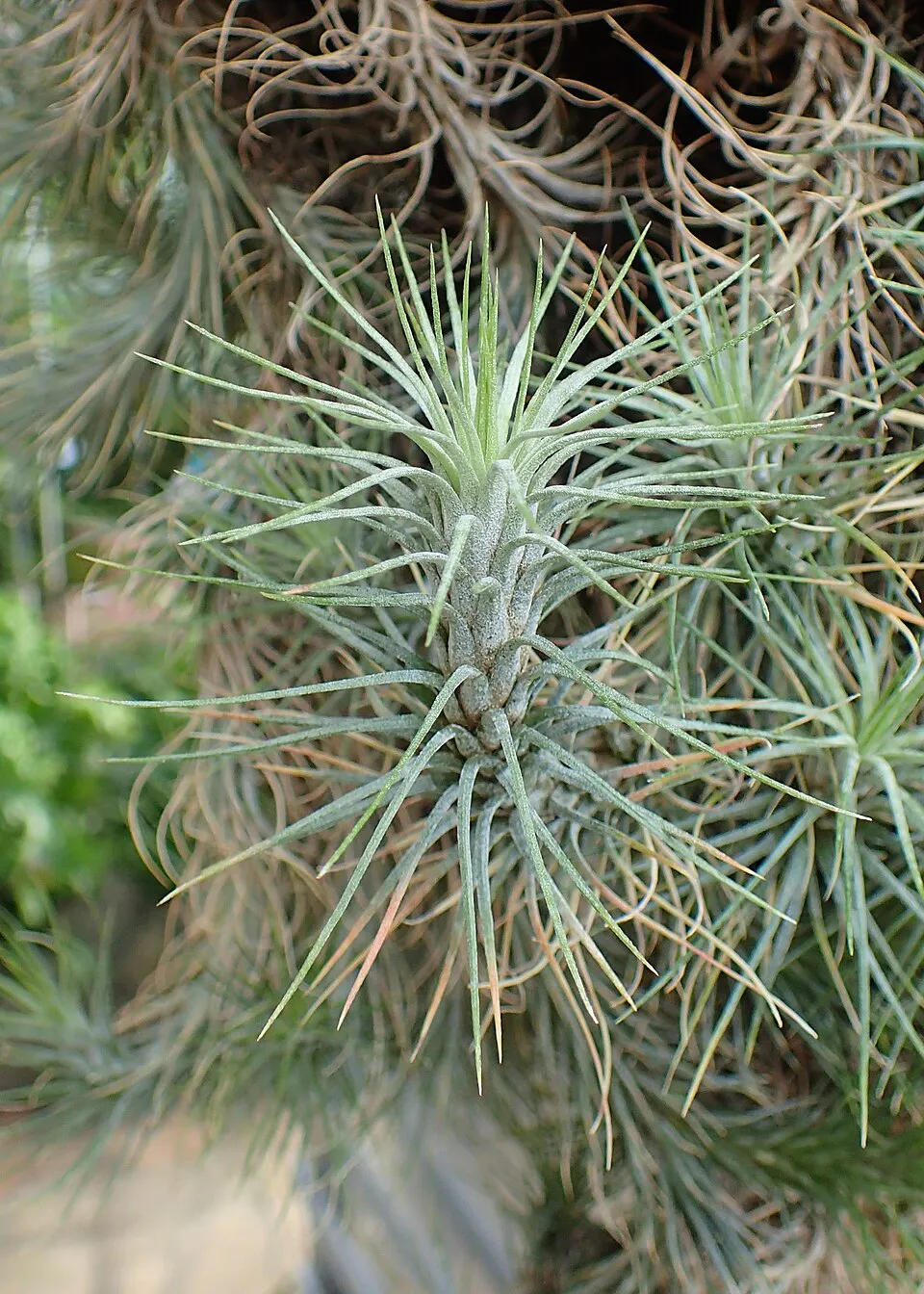
Tillandsia andreana, a captivating species within the Bromeliaceae family, is celebrated for its distinctive morphology and epiphytic lifestyle. This air plant typically forms a compact rosette, reaching heights of 12 to 14 inches with individual leaves extending up to 8 inches long and 1 inch wide. The foliage presents a vibrant green hue, often with a slightly crinkled or textured surface that enhances its visual appeal. Periodically, T.
andreana produces exquisite tubular flowers, showcasing a radiant spectrum from pink to violet, which emerge gracefully from the central rosette, creating a striking focal point. Native to the high-altitude regions of Colombia, this species thrives in warm, humid environments, attaching itself to trees or rocks rather than rooting in soil. Taxonomically, it belongs to the genus Tillandsia, a diverse group known for its members' ability to absorb moisture and nutrients directly from the air through specialized trichomes on their leaves. This remarkable adaptation allows T.
andreana to flourish in conditions where soil-bound plants might struggle, requiring bright, indirect sunlight for optimal growth. Its resilience and striking appearance make it a favored choice for indoor cultivation, often displayed mounted on decorative driftwood or housed within glass terrariums, contributing to its widespread appreciation as an ornamental plant.
Trusted Scientific References
1. Authoritative external sources for Tillandsia andreana
1.1 Wikipedia — Tillandsia andreana
1.2 Kew POWO (Plants of the World Online)
1.3 PubMed — peer-reviewed research
1.4 NCBI Taxonomy Browser
1.5 GBIF — Global Biodiversity
1.6Tillandsia Andreana should be interpreted through verified botanical identity, practical care, and responsible safety language. This recovery note adds the missing context needed for a complete profile: match light to the plant's habit, use well-drained soil, water according to season, and avoid unsupported medicinal or edible claims. For publishing, the plant can be presented as a source-backed indoor plant with clear care guidance, common problem diagnosis, and conservative safety wording.
1.1.Tillandsia Andreana — Highlights
- ✓Epiphytic Growth Habit — Absorbs nutrients and water from the air.
- ✓CAM Photosynthesis — Efficiently takes in CO2 at night, releasing oxygen.
- ✓Striking Ornamental Value — Vibrant green foliage and pink to violet flowers.
- ✓Low Maintenance — Requires no soil, making it easy to care for.
- ✓Air Purifying Qualities — Helps remove certain airborne toxins.
- ✓Non — Toxic — Safe for homes with children and pets.
- ✓Resilient and Adaptable — Thrives in diverse indoor environments with proper care.
- ✓Unique Leaf Morphology — Slender, slightly crinkled leaves.
- ✓Tropical Origin — Native to high-altitude regions of Colombia.
- ✓Architectural Plant — Ideal for modern and minimalist decor.
1.2.Tillandsia Andreana — At-a-Glance Summary
- ✓Tillandsia andreana is a non-toxic epiphytic air plant.
- ✓Known for aesthetic appeal and minor air purification.
- ✓Thrives with bright, indirect light and regular misting.
- ✓Requires excellent air circulation to prevent rot.
- ✓Contributes to mental well-being and biophilic design.
- ✓Minimal medicinal uses in traditional systems.
2.Tillandsia Andreana — Scientific Identity
3.Tillandsia Andreana — Vital Statistics
4.Tillandsia Andreana — Botanical Features
5.Tillandsia Andreana — Native Range & Habitat
6.Tillandsia Andreana — Traditional Uses
7.Tillandsia Andreana — Key Phytochemicals
- ✓Volatile Organic Compounds (VOCs) — Primarily involved in plant communication and defense, though specific medicinal compounds are not prominently studied in this species.
- ✓Flavonoids — General plant pigments with antioxidant properties, contributing to plant health and potentially offering minor health benefits if consumed, though T. andreana is not for consumption.
- ✓Terpenoids — A diverse group of organic compounds providing aroma and protective functions for the plant.
- ✓Phenolic Acids — Known for antioxidant and anti-inflammatory properties, common across many plant species.
- ✓Polysaccharides — Structural components of the plant cell walls, not typically associated with direct medicinal action in this context.
- ✓Anthocyanins — Pigments responsible for the pink to violet coloration of its flowers, offering antioxidant potential.
- ✓Chlorophylls — Essential for photosynthesis, contributing to the plant's green color and energy conversion.
- ✓Waxes and Cuticular Lipids — Form a protective layer on leaves, crucial for water retention and defense against pathogens, particularly important for epiphytes.
8.Tillandsia Andreana — Pharmacological Findings
- ✓Air Purification — Tillandsia andreana actively absorbs airborne toxins such as formaldehyde and benzene, contributing to cleaner indoor air quality.
- ✓Oxygen Production — Through its unique CAM photosynthesis, it converts carbon dioxide into oxygen, especially at night, enhancing ambient oxygen levels.
- ✓Stress Reduction — The presence of living plants like T. andreana is known to create a calming atmosphere, which can help lower psychological stress and improve mood.
- ✓Enhanced Mental Well-being — Aesthetically pleasing plants contribute to a more positive and stimulating indoor environment, fostering improved mental clarity and emotional balance.
- ✓Humidity Regulation — As an air plant, it contributes minimally to local humidity, but the act of misting and caring for it can create a microclimate beneficial for respiratory comfort.
- ✓Biophilic Connection — Interacting with plants satisfies an innate human need for connection with nature, promoting a sense of peace and reducing feelings of isolation.
- ✓Aesthetic Therapy — Its unique form and vibrant blooms offer visual stimulation and beauty, which can serve as a form of passive aesthetic therapy, uplifting spirits.
- ✓Low-Maintenance Wellness — The relative ease of care for Tillandsia andreana makes it accessible for individuals seeking the benefits of plants without demanding extensive horticultural expertise, promoting consistent engagement.
8.1.Tillandsia Andreana — Reported Uses
9.Tillandsia Andreana — Cautions & Contraindications
9.1.Tillandsia Andreana — Warnings
- ✓Overwatering/Rot — Excessive moisture or poor drying can lead to base rot, characterized by mushy, dark leaves.
- ✓Underwatering/Desiccation — Insufficient water results in dry, crispy, or curling leaves, indicating dehydration.
- ✓Sunburn — Direct, intense sunlight can cause brown or bleached spots on the leaves.
- ✓Cold Damage — Exposure to temperatures below its tolerance can lead to wilting and eventual plant death.
- ✓Pest Infestations — While generally pest-resistant, occasional issues with mealybugs or scale can occur.
- ✓Chemical Sensitivity — Sensitive to certain chemicals in tap water (e.g., chlorine, fluoride); prefer filtered or rainwater.
- ✓Allergic Reactions — Although rare, some individuals might experience mild skin irritation from handling.
9.2.Tillandsia Andreana — Clinical Safety Notes
- ✓Non-Toxic — Generally considered non-toxic to humans and pets, making it safe for household environments.
- ✓Handling — No known irritant sap or thorns, safe to handle without gloves.
- ✓Environmental Impact — Sustainable choice as it requires no soil, reducing demand on land resources.
- ✓Water Quality — Use purified, rainwater, or distilled water to avoid mineral buildup and chemical damage.
- ✓Placement — Keep out of reach of curious pets who might chew on leaves, though toxicity is low.
- ✓Air Circulation — Ensure good air flow to prevent fungal or bacterial issues.
- ✓Humidity Control — Maintain appropriate humidity to prevent dehydration or excess moisture-related problems.
10.Tillandsia Andreana — Preparations & Uses
- ✓Ornamental Display — Mount on driftwood, cork, or glass terrariums for aesthetic enhancement of indoor spaces.
- ✓Air Quality Improvement — Place in living areas or offices to benefit from its natural air-purifying capabilities.
- ✓Biophilic Design Element — Integrate into interior design to foster a connection with nature and improve occupant well-being.
- ✓Educational Tool — Use in educational settings to demonstrate epiphytic growth and CAM photosynthesis.
- ✓Stress Reduction Aid — Position in personal spaces like bedrooms or meditation areas to promote a calming atmosphere.
- ✓Gifting — An ideal, unique, and low-maintenance gift for plant enthusiasts or those new to plant care.
- ✓Workspace Enhancement — Incorporate into office desks or common areas to boost morale and create a more pleasant working environment.
11.Tillandsia Andreana — Garden Cultivation
- ✓Light — Requires bright, indirect sunlight, avoiding harsh direct sun that can scorch its leaves.
- ✓Water — Mist thoroughly 2-3 times per week, or soak in filtered water for 20-30 minutes once a week; allow to dry completely within 4 hours to prevent rot.
- ✓Air Circulation — Essential for preventing rot and ensuring proper drying after watering.
- ✓Temperature — Thrives in temperatures between 60-80°F (15-27°C), avoid temperatures below 50°F (10°C).
- ✓Humidity — Prefers moderate to high humidity; consider a humidifier or regular misting in dry climates.
- ✓Substrate — No soil required; typically mounted on driftwood, cork bark, or placed in decorative containers allowing air flow.
- ✓Fertilization — Use a specialized tillandsia fertilizer (low-nitrogen, urea-free) diluted to ¼ strength once a month during active growth.
Reviewed by the Flora Medical Global Botanical Review Panel
Multi-disciplinary editorial group · Botany · Ethnobotany · Herbal-medicine literature
Who reviewed this: This page was checked by the Flora Medical Global Botanical Review Panel — an in-house editorial group of botany graduates, ethnobotany researchers, and horticulture practitioners who collectively maintain our 7,000+ plant encyclopedia. Meet the team.
Our 4-step verification process
1. Taxonomic verification
Scientific names and synonyms cross-checked against Kew POWO, World Flora Online, and The Plant List.
2. Phytochemical & medicinal cross-reference
Active compounds, traditional uses, and reported activities are cross-referenced with PubMed, USDA Dr. Duke's database, and peer-reviewed ethnobotanical literature.
3. Conservation & distribution check
Distribution, ecology, and conservation status confirmed against GBIF occurrence records and the IUCN Red List.
4. Editorial & safety review
Every entry passes an editorial pass for clarity, originality, and safety notices (toxicity, contraindications, dosage caveats) before publication.
Last reviewed:
Important medical disclaimer: This content is for educational and research purposes only. It is not medical advice and is not a substitute for consultation with a licensed healthcare provider. Do not use any herb to self-treat a medical condition without professional guidance.
Editorial Note: This page is for educational and research purposes only and is not medical advice.
Written by: Flora Medical Global Editorial Team
Reviewed by: Flora Medical Global Botanical Review Panel
Last Updated: June 15, 2026





Tillandsia Andreana — Comments & Community Reviews
Rate this plant